
Pruning
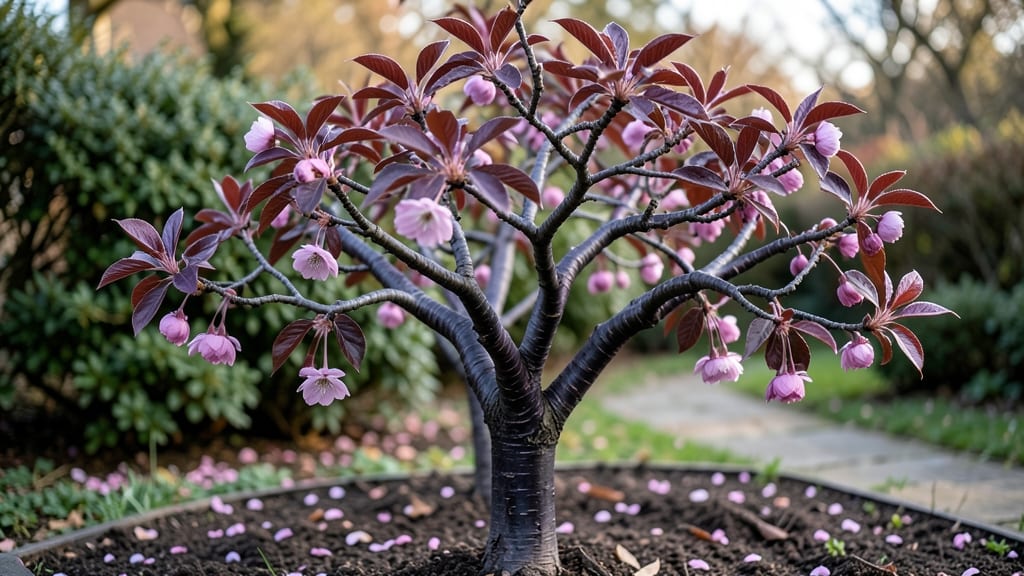
The Thundercloud flowering plum tree thrives in Pacific Northwest winters, its deep purple-black foliage standing out like a living shadow against spring blooms. I planted mine after years of struggling with finicky ornamental trees—this one handles frost like a champ, and its dramatic color never fades.
The key to keeping it looking its best? Pruning at the right time, which transforms it from a wild shrub into a structured, showstopping centerpiece.
This tree is a low-maintenance powerhouse for gardeners who want drama without fuss. It asks for full sun, well-draining soil, and occasional watering once established—no coddling required. The real magic happens in late winter when you prune, shaping it while it’s still dormant but before new growth begins.
My tree now blooms earlier and denser than ever, with those iconic pink-purple flowers lighting up the garden before spring officially arrives.
What you’ll end up with is a year-round focal point: velvety dark leaves that contrast stunningly with spring blooms, and a sturdy structure that holds up through wind and rain. The pruning itself takes just 30-45 minutes and can be done with basic tools—no green thumb required.
Even my neighbor’s overgrown specimen transformed after one careful session, proving this tree’s forgiving nature.
Works beautifully as a standalone specimen, mixed in shrub borders, or even near patios where its fragrant flowers can be enjoyed up close. The Pacific Northwest’s wet winters? No problem.
This tree’s natural resilience means less work for you and more time admiring its striking presence. Let’s get those shears ready—your garden’s about to get an upgrade.
📚 In This Guide
- What you need
- Instructions
- Tips and common mistakes
- Wrapping up and next steps
What you need
- ● Pruning shears: Bypass pruners (sharp, clean, and sterilized with rubbing alcohol to prevent disease). Recommended: Felco F-2 or similar high-quality brand.
- ● Loppers: For thicker branches (1–2 inches in diameter). Look for ratcheting or bypass types for precision.
- ● Pruning saw: For branches over 2 inches thick. A curved-tooth saw (like a bow saw) works best.
- ● Gloves: Heavy-duty, cut-resistant gloves (e.g., Mechanix or garden-specific brands) to protect hands from thorns and sap.
- ● Disinfectant: 70% isopropyl alcohol or a pruning sealant (e.g., Tanglefoot Pruning Sealer) to prevent bacterial/fungal spread.
- ○ Extension pole: Optional but helpful for high branches (10–15 feet). Look for a foldable or telescoping design.
- ● Ladder: Sturdy, non-slip ladder (e.g., aluminum or fiberglass) if branches exceed 6 feet.
- ● Trash bags: Heavy-duty bags (10–20 gallon size) for debris removal.
- ● Work boots: Closed-toe, waterproof boots for safety and comfort.
- ● Timing: Prune in late winter to early spring (before buds swell) or summer after flowering (avoid fall/winter in cold climates).
- ● Weather: Choose a dry, calm day (no rain forecasted for 24 hours).
- ● Safety gear: Safety glasses and a long-sleeve shirt to protect from sap and debris.
- ● Tree health check: Inspect the tree for diseased or dead branches before pruning.
- ● Local regulations: Check if your area requires permits for large-scale pruning (rare but possible for heritage trees).
- ● Pruning paint: For sealing large cuts (e.g., Tree Seal by Ortho).
- ● Hand sanitizer: For post-pruning clean-up.
- ○ Tree growth regulator: Optional for post-pruning care (e.g., Bonide Fruit Tree Spray).
- ● Camera/phone: To document before/after progress (great for tracking growth!).
Step-by-step guide to pruning your Thundercloud flowering plum tree
This Pacific Northwest favorite thrives with strategic pruning—here’s how to maintain its stunning blooms and sturdy structure.
✂️ Step 1: Time Your Pruning for Optimal Growth
Prune your Thundercloud flowering plum immediately after flowering, typically in late March or early April. This timing allows the tree to set new growth for next year’s blooms while avoiding late-season cuts that expose fresh wood to winter dieback. The Pacific Northwest’s unpredictable frost patterns make this window critical—waiting too long risks weakening the tree’s cold resistance.
Look for brown, leafless branches that have finished blooming as your first visual cue. These are safe to trim, while green buds indicate new growth that should remain untouched. I always carry a small pruning knife and a pair of loppers to handle both thin and thick branches efficiently.
✂️ Step 2: Remove Dead, Diseased, and Crossing Branches
Start by eliminating any dead, broken, or diseased branches—these are easy to spot as they lack bark or have blackened, peeling surfaces. Cut these back to the nearest healthy bud or branch collar, making your cuts at a 45-degree angle just outside the branch collar to prevent water pooling. The Thundercloud’s dense growth pattern means crossing or rubbing branches are common; remove these to improve airflow and reduce disease risk.
Next, target branches that grow inward or downward. These compete with the tree’s natural structure and reduce flowering potential. I like to step back every few cuts to visualize the tree’s silhouette—aim for an open, vase-like shape that lets sunlight penetrate to the center. This not only enhances bloom display but also strengthens the tree’s frost resilience.
✂️ Step 3: Thin Out Overcrowded Areas
Focus on thinning branches to reduce density while maintaining the tree’s natural form. Select branches that are one-third the diameter of the main stem or larger—these are structural and should be preserved. For smaller branches, remove every other one to create space between limbs. This step is where the Thundercloud’s beauty shines: a well-thinned tree showcases its stunning pink-purple blooms without hidden shade.
Watch for water sprouts—fast-growing, vertical shoots that appear along the trunk or branches. These sap-suckers drain the tree’s energy and should be cut at their base. I often prune these in summer if I miss them during the main pruning, but they’re easier to spot when the tree is in full leaf.
✂️ Step 4: Shape for Frost Resistance and Aesthetic Appeal
Lightly shape the outer canopy to encourage an open, rounded form, which allows snow to slide off easily and reduces frost damage. Avoid heavy pruning—never remove more than 25% of the tree’s foliage in one season. The Thundercloud’s thick bark and dense wood make it naturally frost-resistant, but proper pruning enhances this trait by improving airflow and sunlight exposure.
Finish by smoothing any rough edges with a bypass pruner. The goal is a tree that looks natural yet intentional, with branches spaced evenly to support its weight during winter storms. Step back one last time to admire your work—the Thundercloud’s vibrant blooms will reward your effort with a spectacular spring display.
Tips & tricks for pruning your Thundercloud flowering plum tree
Pruning a Thundercloud flowering plum tree might seem intimidating at first, but these key strategies will help you maintain its health and stunning blooms year after year.
Timing is Everything: The late March to early April window is critical for post-bloom pruning, but don't stress if you miss it. If you must prune outside this period, avoid cutting any branches with green buds—these indicate new growth needed for next year's flowers. The Pacific Northwest's variable climate means even experienced gardeners sometimes need to adjust timing based on local frost patterns. I've learned to check the forecast and be ready to prune as soon as blooms fade completely.
Visual Cues for Pruning: When examining branches, look for three key indicators: brown, leafless branches are ready for removal, while green buds signal new growth to preserve. For structural branches, use the one-third diameter rule—any branch larger than one-third the main stem's thickness should be preserved as it supports the tree's framework. This visual approach helps maintain the Thundercloud's natural vase-like shape while preventing over-pruning.
Pruning Tools Matter: Invest in quality tools that won't damage the tree. A sharp bypass pruner creates clean cuts that heal properly, while a small pruning knife handles those tricky spots near the trunk. I've found that sterilizing tools with rubbing alcohol between cuts prevents spreading disease, especially important for the Thundercloud's dense growth pattern. Remember to make cuts at a 45-degree angle just outside the branch collar to promote proper healing.
Seasonal Maintenance Strategy: While the main pruning occurs after flowering, don't forget about summer maintenance. Water sprouts that appear during summer growth can be removed anytime without affecting next year's blooms. These fast-growing vertical shoots drain the tree's energy, so cutting them at the base during summer prevents them from becoming problematic later. This two-season approach keeps your Thundercloud thriving year-round.
Pro Tips for Thundercloud Flowering Plum Tree
- Pruning a Thundercloud flowering plum tree might seem intimidating at first, but these key strategies will help you maintain its health and stunning blooms year after year.
- Timing is Everything: The late March to early April window is critical for post-bloom pruning, but don't stress if you miss it.
- Visual Cues for Pruning: When examining branches, look for three key indicators: brown, leafless branches are ready for removal, while green buds signal new growth to preserve.
Frequently asked questions
Got questions about caring for your Thundercloud flowering plum tree? You’re not alone! Here are some of the most common queries from gardeners in the Pacific Northwest—and their answers.
How cold can a Thundercloud plum tree handle?
The Thundercloud is one of the hardiest flowering plums, tolerating temperatures as low as -15°F (-26°C) with proper care. Its deep purple blooms are a standout even in harsh winters. Just ensure it’s planted in well-draining soil to prevent root rot in soggy conditions.
When is the best time to prune my Thundercloud plum?
Prune immediately after flowering (late spring) to avoid cutting off next year’s blooms. Light shaping can also be done in early summer, but avoid heavy pruning in fall or winter—it stresses the tree and invites disease. Always sterilize tools with rubbing alcohol!
Why aren’t my Thundercloud plum blooms as vibrant as expected?
Dull or sparse blooms often signal over-fertilizing (too much nitrogen) or poor sunlight. Ensure it gets 6+ hours of sun daily and fertilize lightly in early spring with a balanced 10-10-10 formula. Deadheading spent blooms also encourages new growth.
Can I grow a Thundercloud plum in a container?
While possible, it’s not ideal—this tree grows 15–25 feet tall and has aggressive roots. If you must, use a large (20+ gallon) container with drainage holes and repot every 2–3 years. Container-grown trees may bloom less vigorously due to root restriction.
What pests should I watch for on my Thundercloud plum?
Keep an eye out for aphids, scale insects, and borers. Treat aphids with a strong spray of water; for scale, use horticultural oil. Borers (tunnel insects) require pruning infected branches and applying systemic insecticide. Monitor for powdery mildew in humid summers—prune for airflow!
Still stumped? Drop your question in the comments—we’re happy to help your Thundercloud thrive!
Wrapping up and next steps
The Thundercloud Flowering Plum Tree is a stunning, frost-resistant gem perfect for the Pacific Northwest’s climate—its vibrant blooms and resilient nature make it a standout choice for any garden.
By mastering the right pruning techniques, you’ll ensure its health, beauty, and longevity for years to come. Now’s the perfect time to roll up your sleeves and give your tree the care it deserves!
Ready to transform your outdoor space? Start by gathering your tools, reviewing the steps, and scheduling your first pruning session this fall or early spring. Your Thundercloud Plum Tree will thank you with breathtaking blossoms and a thriving canopy. 🌸✂️