Planting
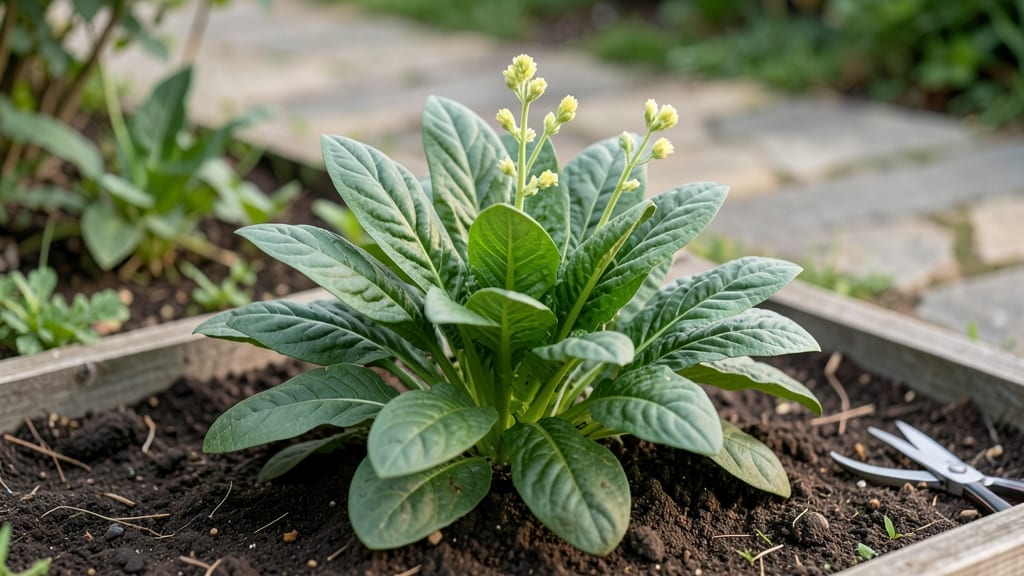
Growing tree spinach—perennial spinach that thrives in cold climates—means fresh greens year after year with minimal effort. 🌱 Unlike annual spinach, this hardy plant returns reliably, even when temperatures dip below freezing, making it perfect for containers or small gardens.
The key lies in understanding its unique growth habits: it spreads like a bush rather than forming a single stalk, and its leaves stay tender even after frost.
You’ll need well-draining soil rich in organic matter, a spot with partial shade (especially in hotter months), and containers at least 12 inches deep if growing in pots. Tree spinach tolerates drought once established, but consistent moisture in its first growing season ensures strong roots.
Pruning isn’t necessary, but harvesting outer leaves encourages bushier growth—think of it as a self-renewing salad bar.
The payoff is lush, cold-hardy greens that keep producing from early spring through fall, often surviving light frosts. Unlike annual spinach, which bolts quickly, tree spinach stays productive for years, making it a low-maintenance, high-reward crop.
Whether you’re growing in a backyard bed or a balcony container, this plant delivers fresh greens with almost no fuss.
Common challenges—like aphids or powdery mildew—are easy to manage with neem oil or proper spacing. If you’ve struggled with short-lived spinach before, tree spinach changes the game. Ready to grow greens that outlast the season?
📚 In This Guide
- What you need
- Instructions
- Tips and common mistakes
- Wrapping up and next steps
What you need
- ● Seeds or young plants: 3–5 tree spinach seeds (or 1–2 starter plants) per container. Look for cold-hardy varieties like Blekinge.
- ● Containers: 1–2 large pots (12+ inches deep) with drainage holes, or a raised bed if planting outdoors.
- ● Potting mix: Well-draining, organic-rich soil (e.g., 60% garden soil + 40% compost). Avoid heavy clay.
- ● Fertilizer: Balanced organic fertilizer (10-10-10) or compost tea for nutrient boosts.
- ● Mulch: Straw or shredded leaves (2–3 inches) to protect roots in cold snaps.
- ● Gloves & trowel for planting.
- ● Watering can with a gentle spray nozzle (tree spinach hates soggy roots!).
- ○ Row covers or frost cloth (optional but highly recommended for early/late seasons).
- ○ Trellis or stakes (optional): Vining varieties can grow 8–10 feet—provide support if needed!
- ○ pH test kit (optional): Ideal soil pH is 6.0–7.0.
- ● Full sun to partial shade (4–6 hours of sunlight daily).
- ● Consistent moisture (water when top inch of soil feels dry).
- ● Patience! Tree spinach thrives in cool weather (40–75°F) and may bolt in extreme heat.
How to grow cold-hardy tree spinach in containers
Here's the foolproof method for growing this resilient green—perfect for small spaces and chilly climates.
🌱 Step 1: Select and Prepare Containers
Tree spinach thrives in 12-18 inch deep containers with drainage holes—deeper pots yield taller, more productive plants. I use fabric grow bags for mine because they prevent root circling and allow excess moisture to evaporate. Fill each container with 3-4 gallons of well-draining potting mix (never garden soil—it compacts and suffocates roots).
Tap the container gently on the table to settle the mix without compacting it. The surface should feel firm but still crumble easily when pressed. Add a 1-inch layer of compost on top to boost nutrients and improve moisture retention. This layer will feed the spinach as it grows, reducing the need for frequent fertilizing.
🌿 Step 2: Plant Seeds at the Right Depth and Spacing
Sow 3-4 seeds per container at a depth of ½ inch—tree spinach seeds are tiny, so I use a toothpick to create small holes. Space seeds 2 inches apart in a loose circle to encourage even growth. Cover lightly with additional potting mix, then mist the surface with a spray bottle until evenly moist.
Here's the thing—tree spinach germinates best in 60-70°F soil. If your space runs cooler, place containers on a seedling heat mat until sprouts appear in 7-14 days. Avoid overwatering now; the soil should stay consistently moist but never soggy. You'll see first true leaves emerge in about 10 days after germination.
☀️ Step 3: Provide Light and Temperature Control
Tree spinach loves bright, indirect light but can tolerate partial shade—this makes it ideal for container growing. Place containers near a south-facing window or under grow lights (12-14 hours daily). If leaves start stretching toward the light, your plants need more intensity. Move them within 6 inches of the light source and watch for compact, dark green growth.
This green handles cold temperatures better than most varieties, but avoid frost. Once seedlings reach 4 inches tall, harden them off by placing containers outside for 2-3 hours daily in a sheltered spot. Gradually increase outdoor time over 7-10 days to prevent shock. You'll know they're ready when they bounce back from wind exposure without wilting.
💧 Step 4: Water and Fertilize for Continuous Harvests
Water when the top inch of soil feels dry—tree spinach has shallow roots and needs consistent moisture. I water deeply in the morning to avoid fungal issues. Use a drip irrigation system or watering can with a gentle spray to prevent disturbing the soil. Overwatering leads to yellowing leaves, while underwatering causes bitter flavor.
Feed every 3-4 weeks with a balanced liquid fertilizer (10-10-10) diluted to half strength. I mix it directly into the watering can to avoid leaf burn. Harvest outer leaves when they reach 6-8 inches tall, leaving the center to keep producing. This encourages bushier growth and extends your harvest season by 4-6 weeks compared to traditional spinach.
✂️ Step 5: Prune and Overwinter for Next Season
Cut back yellowed or damaged leaves at the base to redirect energy to new growth. If your plant bolts (sends up a flower stalk) in late spring, snip it off immediately—this prevents bitterness and encourages more leaf production. Regular pruning keeps tree spinach compact and productive in containers.
In fall, move containers to a protected location (like a garage or cold frame) before hard frosts. Reduce watering but keep soil lightly moist. With proper care, your tree spinach will survive winter and produce new growth in early spring—no need to replant! This is the moment that matters: a year-round green machine in your smallest space.
Tips & tricks for growing cold-hardy tree spinach
Between us, growing tree spinach in containers is one of those gardening wins that makes you feel like a plant whisperer. Here's what I've learned after watching mine thrive through multiple winters.
Container Depth Matters: That 12-18 inch depth requirement isn't arbitrary—tree spinach develops deep taproots that need room to grow. If you're working with shallower containers, consider using two stacked pots with drainage between them. I've seen roots actually grow through the drainage holes of standard 10-inch pots, which stunts growth. The extra depth pays off with taller, more productive plants that can handle colder temperatures better.
Soil Temperature Secret: The 60-70°F soil temperature window is crucial for germination, but here's what nobody tells you—consistency matters more than hitting that exact range. If your space runs cooler, a seedling heat mat set to maintain 65°F will work just as well. Pro tip: Check soil temperature with a small thermometer before planting. Cold soil below 55°F can delay germination by weeks, while soil above 80°F may cause seeds to rot before sprouting.
Light Intensity Hack: When I first tried growing tree spinach under my south-facing window, the leaves stretched toward the light like they were reaching for salvation. That's when I discovered the 6-inch rule: position containers within 6 inches of grow lights or the brightest window spot. For windowsill growing, rotate containers daily to prevent leaning. If you notice leaves developing a pale, yellowish cast, it's a sign they're not getting enough light intensity—time to move them closer to that light source.
Fertilizer Timing: The 3-4 week feeding schedule works beautifully, but there's a trick to prevent over-fertilizing. I always fertilize right after watering deeply—this gives the roots time to absorb nutrients before the next watering. And here's the thing about that 10-10-10 fertilizer: I actually use it at half strength for the first feeding after germination, then gradually increase to full strength over two feedings. This gentle introduction prevents nutrient burn while still giving your plants what they need to grow strong.
Pro Tips for Tree Spinach Plant
- Between us, growing tree spinach in containers is one of those gardening wins that makes you feel like a plant whisperer.
- Container Depth Matters: That 12-18 inch depth requirement isn't arbitrary—tree spinach develops deep taproots that need room to grow.
- Soil Temperature Secret: The 60-70°F soil temperature window is crucial for germination, but here's what nobody tells you—consistency matters more than hitting that exact range.
Frequently asked questions
Got questions about growing tree spinach? You’re not alone! Here are some of the most common queries—plus quick, practical answers to help you cultivate thriving greens in containers.
How cold-hardy is tree spinach compared to regular spinach?
Tree spinach (Tetragonia tetragonioides) is far more cold-resistant than traditional spinach! It tolerates temperatures down to 20°F (-7°C), making it ideal for early spring or late fall harvests. Regular spinach, however, bolts (goes to seed) in cooler weather, while tree spinach keeps producing. Perfect for container gardening in chilly climates!
When is the best time to plant tree spinach in containers?
For year-round greens, plant tree spinach 6–8 weeks before the last frost in spring or 4–6 weeks before the first frost in fall. It grows best in cool (50–75°F / 10–24°C) conditions, so avoid planting in peak summer heat. Containers warm up faster—place them in partial shade during hot spells to prevent bolting.
Can I grow tree spinach hydroponically or indoors?
Tree spinach thrives in hydroponic setups or indoors with 12–14 hours of grow lights. Use a well-draining medium (like coco coir or perlite) and keep roots moist but not soggy. Harvest leaves as needed—it’s a cut-and-come-again plant, so it won’t quit producing like some other greens!
Why is my tree spinach turning yellow or wilted?
Yellowing leaves often signal overwatering or poor drainage. Let the top inch of soil dry out between waterings, and ensure containers have drainage holes. Wilting can also mean root stress—check for compacted soil or pests like aphids. If leaves taste bitter, it might be too hot; move containers to shade or extend the season with row covers.
How does tree spinach taste compared to regular spinach?
Tree spinach has a milder, slightly tangy flavor—less earthy than traditional spinach but just as nutritious! It’s packed with vitamin C, calcium, and iron, making it a great swap for salads, stir-fries, or smoothies. Try it raw in spinach salads or lightly sautéed with garlic for a unique twist.
Wrapping up and next steps
Growing your own tree spinach plant is a rewarding way to enjoy fresh, cold-resistant greens right at home—even in containers! 🌱 Whether you're a beginner or a seasoned gardener, this versatile plant thrives with minimal fuss, offering a bountiful harvest for salads, sautés, or smoothies.
With the right care and a little patience, you’ll soon be savoring homegrown goodness packed with nutrients.
Ready to take the next step? Start with a single seed or cutting and watch your garden grow—literally! Experiment with flavors, share your harvest with friends, or even expand your container garden. Happy planting! 🌿