
Pests
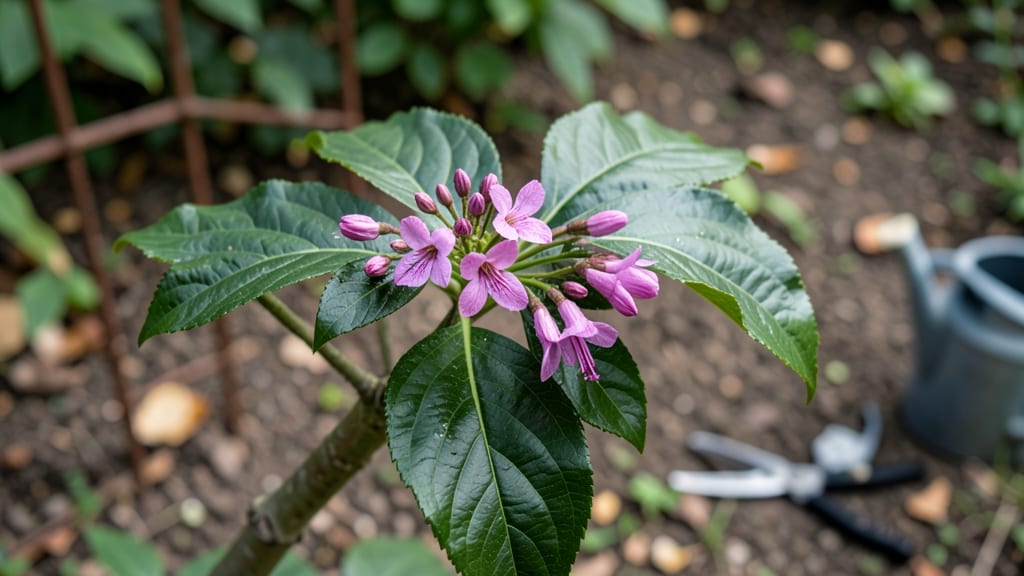
The secret to a deer-resistant yard lies in planting the right trees deer don’t eat—fragrant, spiky, or toxic varieties that deer avoid like a buffet line. 🌲 I’ve learned the hard way that not all trees are equal when it comes to deer resistance, and these clever choices actually keep them away.
The secret lies in their scent, texture, or chemical defenses that make them unappealing (or downright nasty) to browse.
Think pine, spruce, or yew—evergreens with sharp needles or strong aromas that deer instinctively avoid. Then there are the toxic options like red maple or sassafras, whose leaves contain compounds that deter chewing.
These trees thrive in most climates, from the Pacific Northwest’s damp air to the southeastern heat, making them versatile for any yard battling deer damage.
Plant them strategically along property lines or near high-value plants, and you’ll create a natural barrier deer won’t cross. With proper spacing and care—watering deeply in dry spells and pruning for shape—these trees grow into lush, deer-free sentinels that actually enhance your landscape. No fences or repellents required.
Bonus: Many of these trees also attract birds and pollinators, turning your deer-deterrent into a multi-functional garden star. Let’s get your yard back—and keep those deer at bay for good.
📚 In This Guide
- What you need
- Instructions
- Tips and common mistakes
- Wrapping up and next steps
What you need
- ● Plants Deer Avoid: 1–3 Rhododendrons (per 10 ft of perimeter) – Toxic when ingested
- ● 1–2 Boxwood shrubs (per 5 ft) – Bitter taste deters deer
- ● 3–5 Daffodils (bulbs, planted in clusters) – Toxic to deer
- ● 1–2 Lavender bushes (per 3 ft) – Strong scent repels deer
- ● 1–3 Russian Sage (per 5 ft) – Pungent aroma deer dislike
- ● Physical Barriers: 10–20 ft of 8–10 ft tall fencing (metal or wood, buried 12 inches deep)
- ● 1–2 rolls of plastic tree guards (10–12 ft tall, spiral-wound)
- ○ Repellent Sprays (Optional but Effective): 1 gallon of commercial deer repellent (e.g., Liquid Fence or Bobby’s Deer Repellent)
- ● OR homemade mix: 1 gallon water + 1 cup rotten eggs + 1 tbsp hot pepper sauce
- ● Garden trowel or shovel (for planting bulbs/shrubs)
- ● Post-hole digger (if installing fencing)
- ● Measuring tape (for spacing plants/barriers)
- ● Gloves (to handle spicy repellents or thorny plants)
- ● Prerequisite: Clear a 3–5 ft radius around your garden to install barriers
- ● 🌱 Plant in clusters: Deer are less likely to nibble if they see dense groupings of "unappealing" plants.
- ● 🌡️ Reapply repellents: Every 2–4 weeks or after rain to maintain effectiveness.
- ● ✨ Combine methods: Use both plants and fencing for maximum protection.
Step-by-step guide to planting deer-resistant trees
Here’s how to create a natural deer barrier with trees they’ll avoid.
🌱 Step 1: Choose the Right Deer-Resistant Tree Species
Deer typically avoid trees with strong fragrances, fuzzy textures, or toxic compounds. My top picks are redbud (with its sweet pea-like flowers), sassafras (leathery leaves deer dislike), and hackberry (tough bark and bitter foliage). Check your hardiness zone—these trees thrive in USDA zones 5-9 for most varieties.
If you’re planting in a cooler climate, serviceberry (also called Juneberry) is another excellent choice. Its small, tart berries and fuzzy leaves deter deer. I always verify the mature height—redbud reaches 20-30 feet, while sassafras stays around 15-20 feet, making them ideal for different spacing needs.
Real talk: Deer may still nibble young saplings, so pair these with physical barriers like fencing or deer repellent during the first growing season. The goal is to establish a mature tree they can’t reach.
🪴 Step 2: Prepare the Planting Site
Deer-resistant trees need well-draining soil and full sun to partial shade (at least 6 hours of sunlight daily). Test your soil’s pH—most of these trees prefer slightly acidic to neutral (6.0-7.0). If your soil is heavy clay, amend it with 2-3 inches of compost before planting to improve drainage.
Dig a hole twice as wide as the root ball but no deeper. Loosen the sides of the hole with a shovel to encourage root spread. If you’re planting multiple trees, space them 15-25 feet apart for mature growth. I like to plant in clusters of 3-4 trees to create a denser natural barrier.
Here’s the thing—deer often target newly planted trees. To minimize stress, water the hole 1-2 days before planting to ensure the soil is moist but not soggy. This gives the roots a head start.
☀️ Step 3: Plant and Mulch for Protection
Place the tree in the hole so the top of the root ball sits 1-2 inches above ground level. This prevents soil from settling and suffocating the roots. Backfill with native soil, tamping gently to remove air pockets. Water deeply to settle the soil around the roots—aim for 1 gallon per inch of trunk diameter.
Apply 2-3 inches of mulch (wood chips or shredded bark) in a 3-foot-wide ring around the base, keeping it 6 inches away from the trunk. Mulch conserves moisture and deters deer by making the area less appealing. I avoid thick mulch layers—too much can smother roots and attract pests.
Don’t skip this: Install a tree guard or wire cage (4-5 feet tall) around young trees for the first 1-2 years. Deer will test new plantings, and a physical barrier gives roots time to establish.
✂️ Step 4: Maintain and Encourage Growth
Water newly planted trees twice weekly for the first month, then taper to once weekly once established. Deep watering (1-2 inches per week) encourages deep root growth, which makes trees more drought- and deer-resistant over time. You’ll know you’re doing it right when the soil feels moist 2-3 inches below the surface.
Fertilize in early spring with a balanced 10-10-10 formula (follow package rates). Avoid high-nitrogen fertilizers—these promote tender new growth that deer find irresistible. Prune only to remove dead or crossing branches; never "thin" a young tree’s canopy, as this weakens its natural defenses.
Watch for deer browsing in late winter or early spring when food is scarce. If you spot chewed leaves, apply a deer repellent spray (like Liquid Fence) to the foliage. The strong scent deters them without harming the tree.
Tips & tricks for planting deer-resistant trees
These simple strategies will help your deer-resistant trees thrive and create an effective natural barrier.
Species Selection: When choosing between redbud (20-30 feet), sassafras (15-20 feet), or hackberry, consider your space and deer pressure. Redbud's bright flowers add beauty while deterring deer, but its height may require more maintenance in small yards. I've found serviceberry works best in cooler climates (USDA zones 3-7) where deer are particularly persistent.
Soil Preparation: The 2-3 inches of compost recommendation is non-negotiable for heavy clay soils—this improves drainage dramatically. For sandy soils, mix in 1 part peat moss to 3 parts native soil to retain moisture. Always test your soil's pH before planting; these trees prefer 6.0-7.0, but sassafras can tolerate slightly more acidic conditions.
Planting Technique: That 1-2 inch elevation for the root ball above ground level is crucial—it prevents soil settling from suffocating roots. I've seen many gardeners skip this and end up with stunted growth. When watering after planting, use the 1 gallon per inch of trunk diameter guideline, but apply it slowly to avoid washing away soil around the roots.
Protection Strategy: The 4-5 foot tall tree guards during the first 1-2 years are your best defense against curious deer. I recommend using wire cages rather than plastic guards—they allow rainwater to penetrate while still providing physical protection. For extra deterrence, wrap the lower trunk with deer-repellent fabric during winter when deer are most desperate for food.
Pro Tips for Trees Deer Don'T Eat
- These simple strategies will help your deer-resistant trees thrive and create an effective natural barrier.
- Species Selection: When choosing between redbud (20-30 feet), sassafras (15-20 feet), or hackberry, consider your space and deer pressure.
- Soil Preparation: The 2-3 inches of compost recommendation is non-negotiable for heavy clay soils—this improves drainage dramatically.
Frequently asked questions
Got questions about keeping deer away from your garden without relying on the usual tricks? Here are some common concerns—and their answers—to help you navigate this deer-proofing journey with confidence!
Why do deer avoid certain trees in the first place?
Deer typically steer clear of trees with strong scents, bitter tastes, or prickly textures. Plants like Thuja occidentalis (arborvitae), Juniperus (juniper), and Rhus typhina (staghorn sumac) contain natural compounds that repel them. Additionally, deer avoid trees with thorns or rough bark, as they can irritate their mouths or paws.
How long does it take for these trees to become effective?
Most deer-resistant trees start deterring deer within their first growing season, but full effectiveness depends on their size and scent intensity. Smaller saplings may take 1–2 years to establish a strong enough presence to deter deer. Larger, mature trees (3+ years old) are far more reliable due to their height and concentrated aroma.
Can I plant these trees in containers if my yard is small?
Many deer-resistant trees, like Dwarf Alberta Spruce or Boxwood, thrive in containers. Just ensure the pot is large enough (10+ gallons for mature plants) and use well-draining soil. Place containers near windows or entryways to maximize their scent barrier—deer will catch the aroma even from a distance!
What if deer still eat my new trees after planting?
If deer persist, try these quick fixes:
- Add a physical barrier: Wrap young trees with deer netting or hardware cloth for the first year.
- Boost scent: Spritz trees with hot pepper spray or garlic-based repellents (reapply every 2–4 weeks).
- Companion planting: Surround trees with strong-smelling herbs like rosemary or lavender.
Are there any deer-resistant trees that also provide shade or fruit?
Yes! Consider these dual-purpose options:
Tree
Benefit
Ginkgo biloba
Shade + unique, deer-deterrent foliage
Crabapple (Malus spp.)
Fruit for humans (bitter to deer) + ornamental flowers
Hydrangea
Shade + fragrant blooms deer avoid
Wrapping up and next steps
Discovering the right trees deer don’t eat can transform your garden into a peaceful, pest-free haven—without harsh chemicals! 🌳 From fragrant herbs like lavender to bold shrubs such as boxwood, nature offers plenty of deer-resistant options. Plant with confidence: these choices not only deter deer but also add beauty and functionality to your outdoor space.
Ready to take action? Start by identifying the best plants for your climate and soil type, then explore our planting tips to ensure a thriving landscape. Your garden’s transformation begins with a single seed—or sapling! 🌱