
Pruning
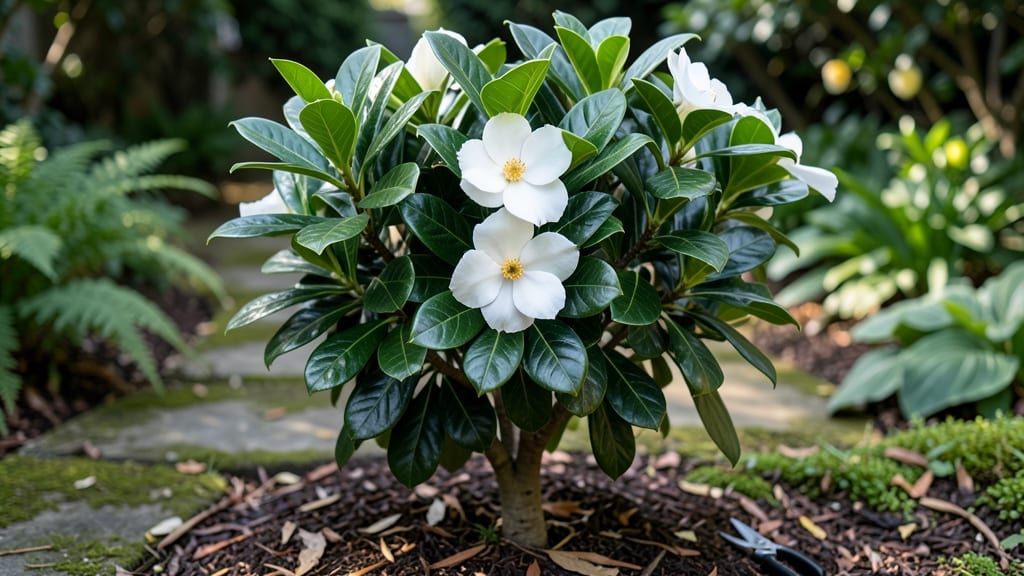
"Growing an upright gardenia tree in the Pacific Northwest means mastering frost-resistant pruning—because these glossy-leaved beauties need just the right cuts to survive our damp winters and reward you with heavy summer blooms." My first gardenia nearly died after a late frost because I didn’t know when to trim.
The key is pruning in late winter or early spring, just as new growth begins—before the buds swell but after the worst cold passes. This timing lets the tree harden off while still encouraging fresh, vigorous shoots that’ll produce those iconic white flowers.
You’ll need sharp pruning shears, a pair of gloves (gardenia thorns are no joke), and a clear day to work. Focus on removing dead, crossing, or weak branches first—these compete with your plant for energy.
Then, cut back any overlong stems by about one-third to maintain that upright shape while encouraging bushier growth. The goal is to create an open center that lets air circulate, preventing fungal issues that thrive in our rainy climate.
Think of it like giving your tree a spa day: less stress, more blooms.
What you’ll end up with is a gardenia that looks like it belongs in a tropical botanical garden, even in our cooler zones. Those dark green, leathery leaves stay glossy all summer, and the flowers—when they come—are fragrant enough to perfume your entire yard.
The secret isn’t just the pruning; it’s the follow-up care. After trimming, give it a light feeding with acid-loving fertilizer and keep the soil moist but not soggy. By midsummer, you’ll have a tree that’s both a showstopper and a local standout.
This method works for gardenias in containers too, making it perfect for patios or small yards. Just scale back the pruning slightly—container plants need a little more support to stay upright.
Whether you’re dealing with a mature tree or a young sapling, the same principles apply. Let’s get those shears out and turn your gardenia into the star of your summer landscape.
📚 In This Guide
- What you need
- Instructions
- Tips and common mistakes
- Wrapping up and next steps
What you need
- ● Bypass pruners (sharp, clean, and sterilized) – 1 pair (for small branches up to ½ inch thick)
- ● Loppers (for thicker branches ½–1½ inches) – 1 pair
- ○ Hand pruners (for precision trimming) – 1 pair (optional but helpful for detail work)
- ● Disinfectant solution (70% isopropyl alcohol or 10% bleach water) – small bottle (to sterilize tools between cuts)
- ● Garden gloves (nitrile or leather) – 1 pair (protects from thorns and sap)
- ● Rubbing alcohol wipes – pack of 50+ (for quick tool cleanup)
- ○ Pruning sealant (optional, for large cuts) – small tube (helps prevent disease in frost-prone areas)
- ● Dry, frost-free day – Wait until temps are above 32°F (0°C) to avoid stressing the tree.
- ● Sunlight access – Choose a spot with partial shade (gardenia thrives in dappled light).
- ● Water source – Have a hose or watering can nearby (gardenia hates dry soil during pruning!).
- ● Trash bag or bucket – 1–2 (for collecting pruned branches and debris).
- ○ Extension ladder (optional) – 4–6 ft tall (if your gardenia is over 6 feet tall).
Step-by-step instructions for pruning upright gardenias in cool climates
Here’s how I’ve learned to shape gardenias for hardier Pacific Northwest winters—keeping them blooming strong.
✂️ Step 1: Time Your Pruning for Late Winter
Wait until late February or early March when the last frost threat has passed but before new growth starts. This timing lets the plant recover before summer heat arrives. I always prune after the worst winter winds have subsided—those can stress the plant more than cold itself.
Check for dormant buds along the stems. These look like tiny, plump bumps just above where leaves used to be. Pruning too early removes next year’s flower buds, so don’t rush—wait until you see at least 1-2 inches of fresh green on the tips of branches.
✂️ Step 2: Shape for Airflow and Light Penetration
Start by removing dead, crossing, or weak branches first. Cut these back to the main trunk or to a strong outward-facing bud. I use clean, sharp pruners to avoid tearing the bark—rough cuts invite disease. Gardenias respond well to an open center, so aim for a vase-like shape with branches spreading outward.
Next, thin out overcrowded growth. Look for branches growing straight up or inward—they’ll block light and air from reaching the center. Remove up to one-third of the plant’s total branches in this step. You’ll know you’ve done enough when light can pass through the canopy without much resistance.
✂️ Step 3: Lightly Prune for Frost Resistance
For Pacific Northwest winters, focus on reducing foliage density rather than heavy cutting. Trim back the outermost growth by about one-third to prevent snow and ice buildup. This also encourages stronger, thicker branches that handle frost better. Avoid cutting into old wood—new growth is more flexible and less likely to crack under ice.
Pay special attention to the top of the tree. If it’s too dense, snow can accumulate and break branches. Make a few small cuts to open it up, but don’t remove more than 10-15% of the total foliage. The goal is to keep the tree balanced and resilient, not to drastically reshape it.
☀️ Step 4: Post-Pruning Care for Strong Recovery
Water deeply right after pruning to help the plant recover. Use lukewarm water to avoid shocking the roots—cold water can stress the tree further. Mulch around the base with 2-3 inches of organic mulch (like shredded bark) to protect roots from temperature swings. Keep the mulch 6 inches away from the trunk to prevent rot.
Fertilize lightly with a balanced, slow-release fertilizer (like 10-10-10) about 4-6 weeks after pruning. This gives the tree energy to produce new growth without overwhelming it. Avoid high-nitrogen fertilizers—they encourage leafy growth at the expense of flowers, which is the last thing you want for a blooming gardenia.
Tips & tricks for pruning upright gardenias
Pruning gardenias in cool climates takes patience and precision—here’s what I’ve learned after years of trial and error.
Timing is Everything: The late February to early March window is non-negotiable for Pacific Northwest gardenias. I’ve ruined two pruning seasons by cutting too early—always wait for those dormant buds to show fresh green growth before making any cuts. This ensures your tree keeps its flower buds for next season’s blooms. If you’re unsure about frost dates, check your local agricultural extension service for the last frost prediction.
Tool Precision Matters: I can’t stress this enough—use clean, sharp pruners that cut cleanly without crushing the stems. Dull tools create jagged cuts that invite disease, especially in gardenias which are prone to fungal issues. After each cut, wipe your pruners with rubbing alcohol to prevent spreading any potential pathogens between branches. For larger branches, consider using loppers with a bypass blade for cleaner cuts.
Visual Pruning Cues: When thinning branches in Step 2, hold your hand up to the tree—if you can’t see light through the canopy, you need to remove more branches. I aim for an open center that resembles a vase shape. For the outer third pruning in Step 3, focus on branches that are growing straight up or inward—they’ll never get enough sunlight to bloom properly. These small adjustments make all the difference in winter resilience.
Post-Pruning Recovery: The 4-6 week wait before fertilizing is crucial—it gives your gardenia time to heal from the pruning stress. I’ve seen gardeners eager to fertilize immediately, only to end up with more leaves and fewer flowers. Stick to the lukewarm water rule too; cold water shocks the roots just when they need recovery. If you notice any yellowing leaves after pruning, that’s normal—just give it time and proper care.
Pro Tips for Upright Gardenia Tree
- Pruning gardenias in cool climates takes patience and precision—here’s what I’ve learned after years of trial and error.
- Timing is Everything: The late February to early March window is non-negotiable for Pacific Northwest gardenias.
- Tool Precision Matters: I can’t stress this enough—use clean, sharp pruners that cut cleanly without crushing the stems.
Frequently asked questions
about growing and pruning an upright gardenia tree in the Pacific Northwest—because even pros need a quick reference!Can upright gardenias survive PNW winters without extra protection?
Most upright gardenias (like Gardenia jasminoides) are tender perennials and need winter care in the PNW’s chilly zones (6-9). Mulch heavily (4-6 inches) and wrap the trunk with burlap or frost cloth. For extra frost resistance, choose hardier varieties like Gardenia augusta or grow them in containers for winter relocation.
When is the best time to prune for more blooms?
Prune your upright gardenia right after flowering (late spring to early summer) to encourage next year’s blooms. Avoid heavy pruning in fall—it can stimulate tender new growth that won’t survive winter. Light shaping in late winter (before buds swell) is also safe if needed.
What’s the fastest way to revive a gardenia that’s not blooming?
Lack of blooms often signals stress from overwatering, poor drainage, or low light. Check soil moisture (keep it consistently moist but not soggy) and ensure it gets 6+ hours of filtered sunlight daily. Feed with an acidic, bloom-boosting fertilizer (like 10-10-10) in early spring and mid-summer.
How do I prune deadwood without harming the tree?
Use sterilized pruners to cut dead branches just above a healthy bud or lateral branch. Make clean cuts at a <45° angle to prevent water pooling. For thick branches, prune in stages to avoid shocking the tree. Never top the tree—it encourages weak, leggy growth and fewer flowers.
Are there frost-resistant alternatives to traditional gardenias?
Yes! For the PNW’s cooler climates, try:
- Camellia sasanqua: Blooms in fall/winter, tolerates temps to 10°F.
- Osmanthus ‘Gulftide’: Fragrant, evergreen, and hardy to 15°F.
- Pieris japonica: Showy foliage and spring blooms; handles 5°F.
Wrapping up and next steps
Growing a frost-resistant upright gardenia tree in the Pacific Northwest is absolutely achievable with the right care—and pruning is your secret weapon! 🌿 By following seasonal techniques like light shaping in spring and protective trimming before winter, you’ll encourage lush blooms while keeping your tree healthy.
Remember, patience and consistency are key, but the reward? A fragrant, thriving gardenia that outshines the chill.
Ready to take the next step? Mark your calendar for early spring—it’s the perfect time to assess your tree’s shape and give it the fresh start it deserves. Happy pruning! ✂️🌸