
Pruning
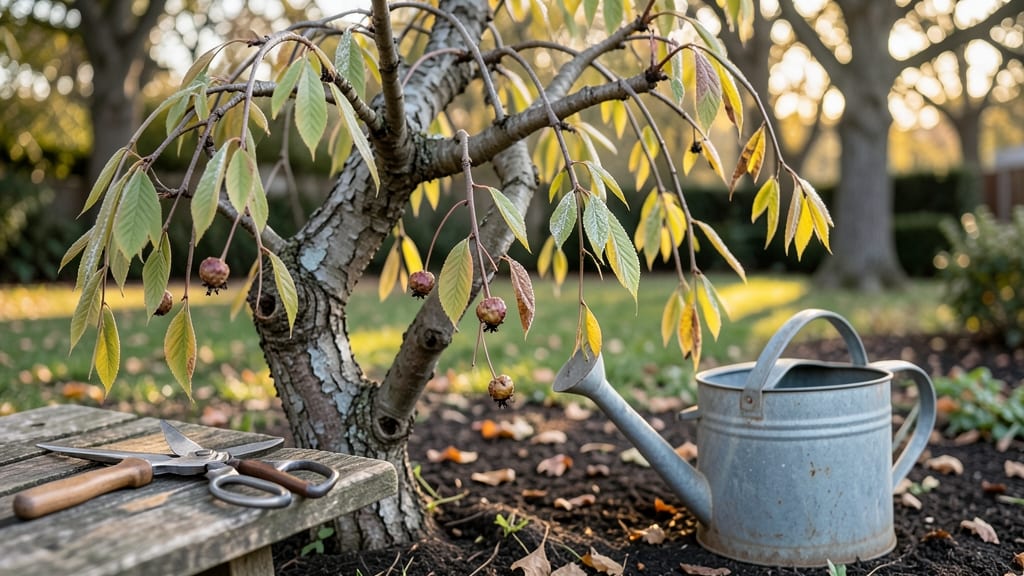
Even the most stunning weeping cherry tree problems—like sudden brown leaves or mildew—can be fixed with the right care, and I’ve seen dramatic turnarounds. 🌱 I’ve nursed back trees with blackened branches and powdery mildew, and the difference between losing it and saving it often comes down to timing and the right approach.
The biggest mistakes? Waiting too long to prune dead wood or ignoring fungal spots until they spread. My first year, I lost a branch to bacterial canker because I mistook it for winter burn.
Now I check for oozing cankers in spring and treat them immediately with copper fungicide. The key is acting fast—once those dark streaks appear, it’s already too late for that branch.
You’ll end up with a tree that bounces back from cold snaps, resists powdery mildew, and stays pest-free through summer. The secret isn’t complicated: prune strategically, monitor for early signs of stress, and use organic sprays before problems escalate.
Your tree will reward you with those iconic pink blossoms year after year.
Works for both young trees and mature specimens, whether you’re in a cold climate or a humid one. Let’s get your weeping cherry back to its best—before next winter hits.
📚 In This Guide
- What you need
- Instructions
- Tips and common mistakes
- Wrapping up and next steps
What you need
- ● Pruning shears: Bypass pruners (sharp, clean, and sterilized with rubbing alcohol or bleach to prevent disease spread). Specs: 6-8" blades, ergonomic grip.
- ● Loppers: For thicker branches (up to 2" diameter). Specs: Bypass or anvil type (bypass preferred for clean cuts).
- ● Hand pruners: For small branches and twigs. Specs: 4-6" blades, comfortable handle.
- ● Saw: Pruning saw for branches over 2" in diameter. Specs: Curved blade, 8-10" length.
- ● Gloves: Heavy-duty gardening gloves (cut-resistant for protection).
- ● Disinfectant: 70% isopropyl alcohol or 10% bleach solution (1 part bleach to 9 parts water) for sterilizing tools.
- ○ Sealing wax or pruning sealant: (Optional but helpful for large cuts to prevent disease entry). Specs: Tree-specific sealant with natural ingredients.
- ● Watering can or hose: With a gentle spray nozzle for post-pruning hydration.
- ● Fungicide: Copper-based or systemic fungicide (e.g., Neem oil or Myclobutanil) for disease prevention. Specs: Follow label instructions for dilution.
- ● Mulch: Organic mulch (e.g., shredded bark or wood chips) to protect roots. Specs: 2-3" layer, kept 6" away from the trunk.
- ● Extension pole: For high branches (10-15 ft reach).
- ● Tree wrap: Protective wrap for young or newly pruned trees (to deter pests and sunburn).
- ● Reflective tape or flags: To mark pruned branches (helpful in large trees).
- ● Cold frame or frost cloth: For extra protection during late cold snaps.
- ● Soil moisture meter: To monitor root health post-recovery.
How to revive and protect your weeping cherry tree after stress
Here’s how I nurse damaged trees back to health—step by step.
🌿 Step 1: Assess Damage and Trim Dead Wood
Start by examining your tree for brown, brittle branches—these are dead and won’t recover. Use clean, sharp pruning shears to cut just outside the branch collar (the swollen area where the branch meets the trunk). Never leave stubs; this invites disease.
Focus on removing branches larger than ½ inch in diameter first. These are the biggest energy drains. If you’re unsure, make a small cut into the branch—if it’s hollow and crumbly, it’s dead. If it’s green inside, hold off on pruning.
💧 Step 2: Hydrate Deeply and Mulch Properly
Water the root zone slowly and deeply until moisture reaches 12-18 inches down. Weeping cherries have shallow roots, so they dry out fast. Use a soaker hose to avoid wetting the leaves, which can spread fungal issues. Check soil moisture by sticking your finger in—if it’s dry past 2 inches, water again.
Spread 2-3 inches of mulch (like shredded bark) around the base, keeping it 6 inches away from the trunk. This insulates roots from temperature swings and retains moisture. Avoid piling mulch too high—it can suffocate the tree and attract pests.
☀️ Step 3: Protect Against Cold Snaps and Pests
If frost is forecast, drape frost cloth loosely over the tree (don’t let it touch the branches). Weeping cherries are sensitive to late frosts, which can kill blooms and stress the tree. For extra defense, wrap the trunk with tree wrap to prevent sunscald and rodent damage.
Watch for aphids or scale insects—they thrive on stressed trees. Spray with neem oil (mixed as directed) if you spot sticky residue on leaves or tiny bumps on branches. Act fast; these pests weaken the tree further.
✂️ Step 4: Fertilize and Monitor for Disease
Apply a balanced, slow-release fertilizer (like 10-10-10) in early spring to rebuild strength. Over-fertilizing now can burn roots, so stick to half the recommended dose. Water thoroughly after applying to help nutrients reach the roots.
Keep an eye out for black knots or canker diseases—they appear as dark, sunken spots on branches. Prune infected areas 6 inches below the damage and sterilize your tools with rubbing alcohol between cuts. Preventative copper fungicide sprays (applied in early spring) can help.
⏰ Step 5: Plan for Long-Term Recovery
After recovery, prune lightly in late winter to shape the tree and remove weak growth. Avoid heavy pruning—it stresses the tree further. Space cuts 2-3 weeks apart to let the tree heal between wounds.
Mulch again in fall, and consider installing a drip irrigation system to maintain consistent moisture. Weeping cherries bounce back with patience—focus on one stress factor at a time (water, pests, or pruning) to avoid overwhelming the tree.
Tips & tricks for reviving weeping cherry trees
Here's what nobody tells you—these tricks make all the difference when your tree is fighting back from stress.
Pruning Precision: In Step 1, when you're cutting branches larger than ½ inch, take your time at the branch collar—the swollen area where the branch meets the trunk. I learned this the hard way after pruning too close and leaving wounds that took months to heal. Use a sharp saw for thicker branches to avoid tearing the bark, which can introduce disease. Clean your tools with rubbing alcohol between cuts to prevent cross-contamination.
Watering Wisdom: That 12-18 inch deep watering in Step 2 isn't just about volume—it's about technique. I use a soil probe to check moisture levels because sticking my finger in only tells me about the top 2 inches. Water in the early morning to let foliage dry before evening, reducing fungal risks. If your soil drains too fast, consider adding organic compost to improve water retention while keeping mulch 6 inches from the trunk.
Pest Prevention: When you spot aphids or scale in Step 3, act immediately—these pests multiply fast on stressed trees. I've had success with a homemade neem oil spray (1 tbsp neem oil + 1 tsp mild soap per quart of water) applied in the evening when bees aren't active. For severe infestations, repeat every 5-7 days until you see improvement. Always test a small area first to ensure your tree tolerates the treatment.
Fertilizer Strategy: That half-dose of 10-10-10 fertilizer in Step 4 is crucial—overdoing it now can burn roots when the tree is already stressed. I apply it in a circular pattern around the drip line (where branches extend) rather than piling it at the trunk. Water thoroughly after application to help nutrients penetrate the soil, and avoid fertilizing if the ground is frozen or waterlogged.
Pro Tips for Weeping Cherry Tree Problems
- Here's what nobody tells you—these tricks make all the difference when your tree is fighting back from stress.
- Pruning Precision: In Step 1, when you're cutting branches larger than ½ inch, take your time at the branch collar—the swollen area where the branch meets the trunk.
- Watering Wisdom: That 12-18 inch deep watering in Step 2 isn't just about volume—it's about technique.
Frequently asked questions
Got questions about keeping your weeping cherry tree healthy and thriving? You’re not alone! Here are some of the most common concerns—and expert-backed answers to help you troubleshoot like a pro.
How do I know if my weeping cherry tree is recovering from a cold snap?
Look for new growth at the tips of branches—this is a good sign! If buds swell but don’t open, the tree may still be stressed. Check for brown, crispy leaves (sign of frost damage) and avoid pruning until spring. Water deeply if the soil is dry, but avoid overwatering, which can worsen root stress.
Why are the leaves on my weeping cherry tree turning yellow or brown?
Yellowing leaves often signal nutrient deficiencies (like iron or nitrogen) or fungal diseases (e.g., leaf spot or powdery mildew). Brown, curled leaves? Likely cold damage or pests like spider mites. Prune affected branches in late winter, and apply a balanced fertilizer in early spring. For fungal issues, use a copper-based fungicide as a preventive measure.
When is the best time to prune a weeping cherry tree after a cold snap?
Wait until late winter or early spring (just before buds swell) to prune. This timing helps the tree heal faster and reduces stress. Avoid pruning in fall—it can leave wounds vulnerable to disease. Focus on removing dead, diseased, or crossing branches first, then thin out to improve airflow. Use sterilized tools to prevent spreading pathogens!
Are there disease-resistant weeping cherry tree alternatives?
Yes! If your tree struggles with bacterial canker or powdery mildew, consider these resilient varieties:
- ‘Okame’ – More cold-hardy and disease-resistant than traditional weepers.
- ‘Shidare Yoshino’ – Tolerates urban pollution and has better fungal resistance.
- ‘Kanzan’ – Double blooms and stronger immunity to pests.
How do I treat pest infestations like aphids or borers in a weeping cherry tree?
Start with a hose blast to dislodge aphids (they hate water!). For borers, inject systemic insecticide into the trunk or apply beneficial nematodes to the soil. Prune and destroy heavily infested branches immediately. As a preventive, encourage natural predators like ladybugs by planting companion flowers (e.g., marigolds or daisies). Monitor trees regularly during spring blooms!
Wrapping up and next steps
Caring for your weeping cherry tree after a cold snap or disease outbreak doesn’t have to feel overwhelming—just proactive! 🌱 With the right tools, timely pruning, and preventive measures, you can help your tree bounce back stronger than ever.
Remember, patience and consistency are your best allies in nurturing a healthy, thriving specimen.
Ready to take action? Start by inspecting your tree this weekend—look for signs of stress or damage, then follow the steps in this guide. If you’re unsure, don’t hesitate to consult a local arborist for expert advice. Your tree’s beauty is worth the effort!