
Pruning
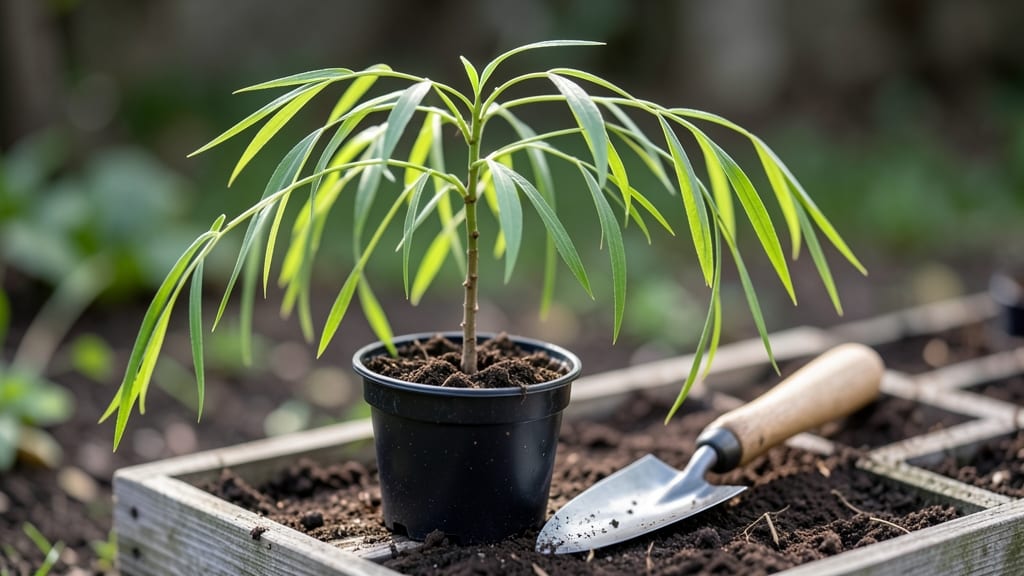
Planting a willow tree seedling in the Pacific Northwest means embracing its dramatic, fast-growing nature—just don’t let its wild reputation fool you into neglecting its care. 🌿 These seedlings thrive when you match their moisture-loving roots to the right soil and seasonal rhythm, whether you're starting them indoors or transplanting outdoors.
The key? Understanding that willows grow aggressively but need consistent water and strategic pruning to stay healthy and manageable.
Willow seedlings demand rich, moist soil that drains well enough to avoid root rot—think of it as a balance between swamp and desert. In the PNW’s rainy climate, you’ll water less than you think, but during dry spells, keep the soil damp like a wrung-out sponge.
They love full sun but tolerate partial shade, making them adaptable to your yard’s light conditions once established. The first year is all about root development, so hold off on heavy pruning until spring.
By following a 4-season pruning calendar, you’ll shape a willow that stays contained while still showcasing its graceful, arching branches.
Spring is for removing dead wood, summer for shaping, fall for cleanup, and winter for planning next year’s growth—each season plays a role in keeping your willow both beautiful and well-behaved. The payoff?
A tree that’s disease-resistant, fast-growing, and full of character, perfect for screening, erosion control, or simply adding drama to your landscape.
Whether you’re starting with a tiny seedling or working with a young transplant, the PNW’s climate gives you an edge—just avoid planting near foundations or septic systems.
With the right approach, your willow will grow into a living sculpture that changes with the seasons, from golden catkins in spring to russet foliage in fall. Let’s get those roots settled and that canopy growing!
📚 In This Guide
- What you need
- Instructions
- Tips and common mistakes
- Wrapping up and next steps
What you need
- ● Willow tree seedling: 1–3 young saplings (1–3 ft tall), preferably Salix spp. (e.g., Salix alba or Salix babylonica) suited for PNW’s climate.
- ● Pruning shears: 1 pair of bypass pruners (sharp, 7–9" blades) for clean cuts on small branches.
- ● Loppers: 1 pair of bypass loppers (18–24" blades) for thicker branches (½–1½" diameter).
- ● Pruning saw: 1 bow saw (for branches >1½" thick).
- ● Disinfectant: 70% isopropyl alcohol or rubbing alcohol (1 bottle) to sterilize tools between cuts.
- ○ Pruning sealant: 1 tube of tree wound sealant (optional but helpful for large cuts).
- ● Gloves: 1 pair of cut-resistant gardening gloves (size medium/large).
- ● Work boots: 1 pair with ankle support (PNW’s wet terrain calls for grip!).
- ● Rain cover: 1 lightweight waterproof tarp (4’x6’ or larger) to protect seedlings during heavy rain.
- ● Mulch: 2–3 bags of wood chips or straw mulch (to retain moisture and suppress weeds).
- ● Stakes & ties: 4–6 bamboo stakes (1–2 ft tall) + soft plant ties (for young seedlings in windy areas).
- ● Extension pole: 1 pruning saw with a pole (for high branches).
- ● Ladder: 1 lightweight aluminum ladder (6–8 ft, if pruning tall willows).
- ● Soil tester: 1 pH test kit (to check PNW’s often acidic soil).
- ● Fertilizer: 1 bag of balanced organic fertilizer (10-10-10 or similar).
Step-by-Step guide to pruning young willow trees in the Pacific Northwest
Here's the seasonal rhythm I've perfected for shaping willow seedlings into strong, healthy trees.
🌿 Step 1: Early Spring Cleanup (March-April)
Start when new growth begins but before buds fully swell—this is the critical window for willow pruning. Remove all dead, broken, or crossing branches first using sharp bypass pruners. Willows bleed sap aggressively, so make cuts on a dry day to minimize mess.
Focus on eliminating suckers (shoots growing from the base) and any branches growing toward the center. These compete with your main trunk for energy. Cut back to the collateral bud (the side bud) to encourage outward growth rather than inward crowding.
I always sanitize my tools with 70% rubbing alcohol between cuts—willows carry fungal spores that can spread through open wounds. After pruning, apply a tree wound sealant to cuts larger than ½ inch to protect against disease.
☀️ Step 2: Summer Maintenance (June-August)
Light pruning in summer controls growth and improves air circulation. Remove any water sprouts (fast-growing vertical shoots) that appear after heavy rains. These saplings drain energy from your main tree and create weak, brittle wood.
Thin the canopy by 20-30% to let sunlight reach the lower branches. Willows grow rapidly, so I check monthly for branches growing at odd angles. Use hand pruners for small branches and loppers for anything thicker than ¾ inch—never leave stubs.
Here's the thing—willows hate being pruned too late in summer. Stop all major cuts by mid-August to allow time for new growth to harden off before winter. You'll see fresh green shoots slow their growth and develop thicker bark by fall.
✂️ Step 3: Late Fall Preparation (October-November)
This is your final shaping opportunity before dormancy. Remove any weak or diseased wood that became apparent during summer growth. Willows often develop cankers (sunken, dead areas) from winter injury—cut these out completely down to healthy tissue.
For structural shaping, I reduce the height by no more than 10% to maintain the tree's natural form. Focus on opening the center to prevent future rot. After pruning, apply a 2-3 inch layer of wood chips around the base (but not touching the trunk) to insulate roots through winter.
Real talk: willows bleed heavily when pruned in fall. To minimize sap loss, make cuts on dry, cool days (below 50°F) and avoid pruning after the first hard frost. The tree will seal wounds naturally by spring.
⏰ Step 4: Winter Dormancy Check (December-February)
While willows are dormant, inspect for ice damage or broken branches from winter storms. Remove any limbs that have died back completely—you'll see brown, brittle wood rather than the tree's usual green bark.
This is also when I check for sucker control. Willows send up aggressive shoots from their roots in early spring, so I mark the 4-foot radius around the trunk with landscape fabric to make spring cleanup easier. No pruning is needed in winter, but a light mulch top-up helps protect roots.
Here's what I've learned: willows reward patience. The trees you prune carefully in these seasons will develop stronger, more resilient wood. By spring, you'll see vigorous new shoots from properly healed cuts—proof you've done it right.
Tips & tricks for pruning young willow trees
Willow trees grow fast but need careful shaping to thrive. These pro tips will help you avoid common mistakes and create a stronger, healthier tree.
Tool Preparation: Sharpen your bypass pruners before each pruning session—dull blades tear wood instead of making clean cuts. I test the sharpness by slicing through a piece of paper; if it resists, your blades need honing. Disposable pruners work for small jobs, but invest in quality tools for long-term use. Remember, clean cuts heal faster and reduce disease risk.
Seasonal Timing Strategy: In Step 1, when you're pruning in early spring, look for the "critical window" when buds swell but haven't yet opened—this is when willows are most responsive. I mark my calendar for the first week of April in the PNW, as this timing prevents stressing the tree during its active growth phase. For fall pruning in Step 3, aim to finish by mid-October to allow wounds to callus before winter.
Visual Pruning Cues: When thinning the canopy in Step 2, imagine sunlight filtering through the branches. Remove branches that cast shadows on others at the 20-30% thinning level. For structural shaping in Step 3, look for branches growing at 45-degree angles—they'll form the strongest scaffold. I use a small mirror to check hard-to-see areas in dense foliage.
Sucker Control System: In Step 4, mark your 4-foot radius with landscape fabric in late winter to create a visual boundary. I use biodegradable fabric that won't harm the tree but clearly shows where suckers are emerging. This simple system makes spring cleanup 70% faster and prevents accidental damage to the main trunk.
Pro Tips for Willow Tree Seedling
- Willow trees grow fast but need careful shaping to thrive.
- Tool Preparation: Sharpen your bypass pruners before each pruning session—dull blades tear wood instead of making clean cuts.
- Seasonal Timing Strategy: In Step 1, when you're pruning in early spring, look for the "critical window" when buds swell but haven't yet opened—this is when willows are most responsive.
Frequently asked questions
Got questions about caring for your willow tree seedling? You’re not alone! Here are answers to the most common concerns—from timing to troubleshooting—to help your young tree thrive in the Pacific Northwest’s dynamic climate.
When is the best time to plant a willow tree seedling?
Plant your willow tree seedling in early spring (March–April) or fall (September–October). Avoid planting in late summer or winter, as extreme temperatures can stress young roots. If you must plant in summer, water deeply and mulch heavily to retain moisture.
How long does it take for a willow tree seedling to establish?
Willow seedlings typically take 1–2 years to fully establish, depending on soil quality and climate. In the PNW’s wetter regions, they may root faster, but consistent watering (especially in the first year) is key. Patience pays off—healthy roots mean faster growth!
Can I prune a willow tree seedling the first year?
Yes, but lightly! Focus on removing only dead, damaged, or crossing branches in late winter (February–March). Avoid heavy pruning—willows grow aggressively, and over-pruning can stress a young seedling. Let it focus on root development first.
Do willow seedlings need extra watering in the PNW’s rainy climate?
Even with rain, willow seedlings need 1–2 inches of water weekly (more in summer). The PNW’s soggy winters can lead to root rot if soil stays waterlogged. Improve drainage by planting on a slight mound or amending clay soil with compost.
What’s the best mulch for a willow tree seedling?
Use 3–4 inches of organic mulch (wood chips, straw, or shredded bark) to retain moisture and regulate soil temperature. Keep mulch away from the trunk (6 inches out) to prevent rot. Refresh mulch annually—willows love rich, well-aerated soil!
Are willow seedlings prone to pests or diseases?
Young willows may attract aphids, borers, or fungal issues (like powdery mildew) in damp PNW conditions. Monitor for chewed leaves or black spots. Treat with neem oil or insecticidal soap if needed. Healthy soil and airflow reduce risks!
Wrapping up and next steps
Growing a willow tree seedling in the Pacific Northwest is a rewarding journey, and with this 4-season pruning calendar, you’re already ahead of the game! 🌿 By mastering the art of seasonal trimming—whether it’s encouraging bushier growth in spring, preventing disease in summer, or preparing for winter dormancy—you’ll nurture a resilient, beautiful tree that thrives year-round.
Ready to take the next step? Start small: Grab your pruners, review your seasonal checklist, and give your seedling the care it deserves. With patience and practice, you’ll watch it flourish into a stunning centerpiece for your landscape! 🌱✨