
Pruning
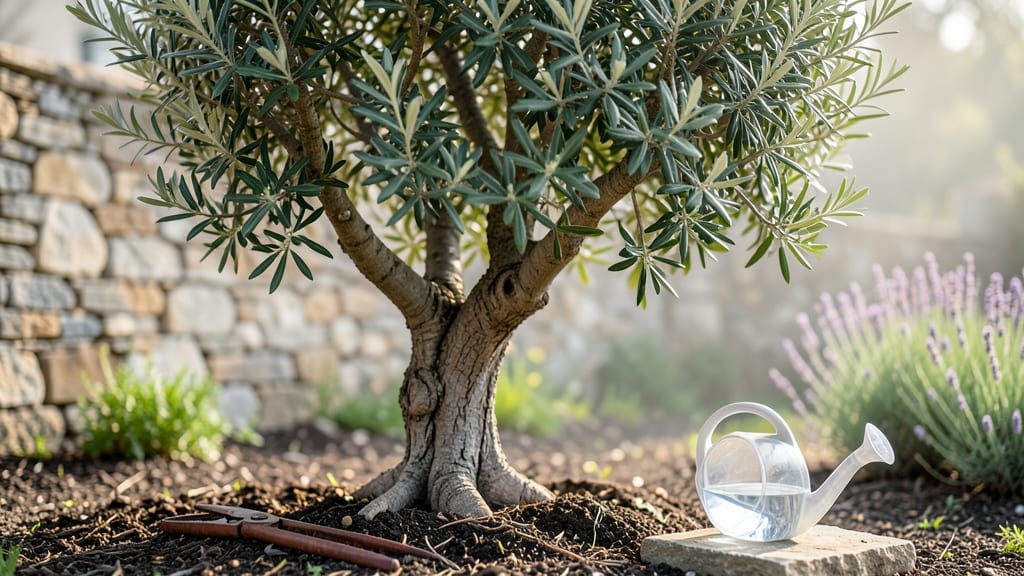
The Wilson fruitless olive tree thrives where others falter—especially in the Pacific Northwest’s damp winters and dry summers. I planted mine last spring, and it’s now the star of my drought-tolerant landscape, its silvery-green leaves shimmering even after months without rain.
The secret lies in its Mediterranean roots, adapted to survive with minimal fuss while adding year-round structure to gardens.
This tree demands little beyond full sun and well-draining soil—no fancy amendments needed. Water deeply once established, then let nature handle the rest. Prune lightly in late winter to shape it, and you’ll reward yourself with glossy foliage that stays vibrant through frost.
No fertilizing required unless your soil is truly poor, but even then, a light feeding in early spring keeps it happy.
By summer, you’ll have a textured, evergreen sentinel that hums with pollinators and resists deer and pests. The branches hold their shape beautifully, making it perfect for hedges or standalone specimens.
My neighbors keep asking how I keep my yard so lush—now I’ll tell them it’s all about this resilient tree.
Works equally well in coastal climates or inland dry zones, though it may need winter protection in colder regions. Pair it with lavender or rosemary for a Mediterranean vibe, and watch your garden become the envy of the neighborhood. Let’s get yours growing!
📚 In This Guide
- What you need
- Instructions
- Tips and common mistakes
- Wrapping up and next steps
What you need
- ● Wilson Fruitless Olive Tree (1-2 trees, depending on desired size and spacing—aim for 15-20 feet apart for mature growth).
- ● High-quality potting soil (3-5 bags, well-draining mix with sand or perlite for optimal drainage).
- ● Organic mulch (2-3 cubic feet, wood chips or straw to retain moisture and suppress weeds).
- ● Slow-release fertilizer (1 bag, balanced 10-10-10 or olive-tree-specific formula).
- ● Pruning shears (1 pair, sharp, bypass-style for clean cuts).
- ● Loppers (1 pair, for thicker branches ½ inch or larger).
- ○ Pruning saw (1, for large, woody branches—optional but helpful for mature trees).
- ● Disinfectant (70% isopropyl alcohol or pruning sealant) (small bottle, to sterilize tools and prevent disease).
- ● Gloves (1 pair, heavy-duty to protect from thorns and rough bark).
- ● Watering can or hose with a gentle spray nozzle (for deep but infrequent watering).
- ● Measuring tape (1, to track branch length and spacing).
- ● Ladder or step stool (if pruning high branches—ensure it’s stable and safe).
- ● Wheelbarrow or bucket (for hauling mulch, soil, or clippings).
- ● Tree stake and ties (1-2, to support young trees in windy PNW conditions).
- ● Drip irrigation system (for automated, drought-friendly watering).
- ○ Tree growth regulator (optional, to control rapid growth in young trees).
- ● Bird netting (if pests like olive fruit flies are a concern—though fruitless varieties are less attractive!).
Step-by-step guide to planting and caring for a Wilson fruitless olive tree
Here's how to establish this drought-tolerant beauty in your Pacific Northwest garden.
🌱 Step 1: Choose the Right Location and Prepare the Soil
Select a spot with full sun exposure (6+ hours daily)—this tree thrives in hot, dry conditions and won't tolerate shade. The Wilson olive handles poor soil but prefers well-draining, slightly alkaline soil with a pH between 7.5 and 8.5. If your soil is heavy clay, amend it with 3-4 inches of coarse sand or grit mixed into the top 12 inches of soil.
Dig a hole twice as wide as the tree's root ball but only as deep as the container it came in. Loosen the sides of the hole with a shovel to encourage root spread. Here's the thing—this tree hates soggy roots, so if your site has poor drainage, consider planting on a 6-inch mound of amended soil to elevate the root zone.
🪴 Step 2: Plant with Proper Spacing and Mulching
Remove the tree from its container and gently tease the roots outward if they're circling. Place it in the hole so the top of the root ball sits 1-2 inches above ground level—this prevents water from pooling at the stem. Backfill with native soil mixed with 1 cup of bone meal (for phosphorus) and 1 cup of greensand (for potassium) to support establishment.
Water deeply to settle the soil, then apply 2-3 inches of mulch (avoid wood chips—use gravel or decomposed granite) in a 3-foot diameter circle around the base. Keep mulch 6 inches away from the trunk to prevent rot. The Wilson olive needs minimal water once established, but young trees require deep watering every 7-10 days during the first growing season.
☀️ Step 3: Prune for Structure and Sun Penetration
Prune in late winter or early spring before new growth begins. Remove any dead, diseased, or crossing branches first, then shape the tree by cutting back overly vigorous shoots to encourage a balanced form. The Wilson olive responds well to pruning, so you can trim up to one-third of the canopy without stressing the tree.
Here's what I do: I start by thinning the center to improve airflow and sunlight penetration. Then I shorten the outer branches by one-third to maintain a compact shape. Avoid heavy pruning in summer—it stimulates tender new growth that won't survive Pacific Northwest winters. After pruning, apply a copper fungicide spray to prevent bacterial infections through fresh cuts.
💧 Step 4: Water and Fertilize for Long-Term Health
For the first two years, water deeply every 7-10 days during dry spells, ensuring the soil dries out between waterings. Once established, this tree is extremely drought-tolerant and only needs water during prolonged dry periods. Overwatering is the biggest mistake—it leads to root rot and weak growth.
Fertilize in early spring with a balanced 10-10-10 fertilizer applied at half the recommended rate. The Wilson olive doesn't need much—too much nitrogen promotes weak, disease-prone growth. I also add 1 pound of iron sulfate annually to prevent chlorosis (yellowing leaves), a common issue in alkaline soils. Real talk: This tree is low-maintenance, but a little extra iron keeps the foliage vibrant.
Tips & tricks for thriving Wilson fruitless olive trees
Planting and caring for a Wilson fruitless olive tree in the Pacific Northwest takes a few strategic moves to ensure it flourishes for years. Here's what I've learned from years of working with this drought-resistant beauty.
Soil Preparation Secret: The 3-4 inches of coarse sand or grit you mix into the top 12 inches of soil isn't just about drainage—it mimics the Mediterranean conditions this tree evolved in. I always test my amended soil by making a small mound and letting water run through it. If it drains in under 30 seconds, you're good to go. For heavy clay soils, consider adding perlite to improve aeration even further.
Planting Position Matters: When planting, that 1-2 inch elevation of the root ball above ground level isn't just a suggestion—it's critical for preventing water pooling. I've seen many gardeners skip this step, only to watch their trees develop fungal issues at the base. For container-grown trees, gently squeeze the root ball to check for compacted soil before planting. If it feels rock-hard, score the sides with a knife to encourage root expansion.
Pruning Timing is Everything: The late winter or early spring pruning window is non-negotiable for this tree. I've made the mistake of pruning in summer and watched tender new growth get fried by our Pacific Northwest winters. When you're cutting back those outer branches by one-third, focus on creating an open center that lets sunlight reach all leaves. This improves both fruit production (even though it's fruitless) and overall tree health.
Watering Wisdom: Those first two years of deep watering every 7-10 days might seem excessive, but it's the only way to establish a strong root system. I recommend using a moisture meter to check soil depth—aim for dryness to 6 inches down before watering again. Once established, you'll be amazed how this tree handles our dry summers with virtually no care.
Pro Tips for Wilson Fruitless Olive Tree
- Planting and caring for a Wilson fruitless olive tree in the Pacific Northwest takes a few strategic moves to ensure it flourishes for years.
- Soil Preparation Secret: The 3-4 inches of coarse sand or grit you mix into the top 12 inches of soil isn't just about drainage—it mimics the Mediterranean conditions this tree evolved in.
- Planting Position Matters: When planting, that 1-2 inch elevation of the root ball above ground level isn't just a suggestion—it's critical for preventing water pooling.
Frequently asked questions
Got questions about your Wilson Fruitless Olive Tree? You're not alone! Here are answers to some of the most common concerns—from pruning to care—so you can keep your tree thriving in the Pacific Northwest’s unique climate.
What’s the best time of year to prune a Wilson Fruitless Olive Tree?
The ideal time to prune is late winter or early spring (January–March) before new growth begins. This helps avoid stressing the tree during dormancy. Light pruning can also be done in summer to shape the tree, but avoid heavy cuts when temperatures are extreme. Pro tip: Prune after a rain to reduce dust and stress on the tree!
How much can I prune without harming the tree?
You can safely remove up to 25–30% of the tree’s foliage in a single session, but avoid over-pruning. Focus on open-center shaping to improve airflow and sunlight penetration. Remove dead, diseased, or crossing branches first. Warning: Never prune more than 30% in one go—it can stress the tree and invite pests.
Does a Wilson Fruitless Olive Tree need extra water in the Pacific Northwest’s dry summers?
Yes! While drought-resistant, these trees thrive with deep, infrequent watering (about 1–2 inches per week during dry spells). Water at the base, not the leaves, to encourage deep root growth. Mulch around the trunk to retain moisture. Bonus: They’re perfect for water-wise gardens!
Can I grow a Wilson Fruitless Olive Tree in a container?
They adapt well to containers, making them great for patios or small yards. Use a large pot (at least 18–24 inches wide) with drainage holes and well-draining soil. Repot every 2–3 years and prune roots if they circle the pot. Note: Container trees may need more frequent watering in summer.
Why are my leaves yellowing or dropping?
Yellowing leaves often signal overwatering, underwatering, or nutrient deficiencies. Check soil moisture—olive trees prefer dry conditions. Yellowing edges may indicate iron deficiency (common in alkaline PNW soil). Adjust watering, amend soil with compost, or use a chelated iron supplement if needed. Quick fix: Test soil pH and adjust if above 7.5.
Are there alternatives to the Wilson Fruitless Olive Tree for PNW gardens?
If you love drought-resistant, evergreen options, consider Arbutus ‘Marina’ (Madrona), Pittosporum ‘Silver Sheen’, or Ceanothus ‘Concha’. These thrive in PNW climates but offer different textures and flowers. For edible alternatives, try fig trees (Ficus carica) or pomegranates. Pro tip: Visit local nurseries for region-specific recommendations!
Wrapping up and next steps
Transforming your Pacific Northwest garden with a Wilson Fruitless Olive Tree isn’t just about adding beauty—it’s about embracing resilience and year-round charm. 🌿 With its drought-resistant nature and low-maintenance care, this tree is a game-changer for any outdoor space.
Whether you’re pruning for shape, health, or harvest (or lack thereof!), the key is patience and precision.
Ready to dive in? Start by gathering your tools and scheduling your first pruning session—your future olive-filled (or olive-free!) oasis awaits! 🌟 Next step: Mark your calendar and get pruning!