Pruning
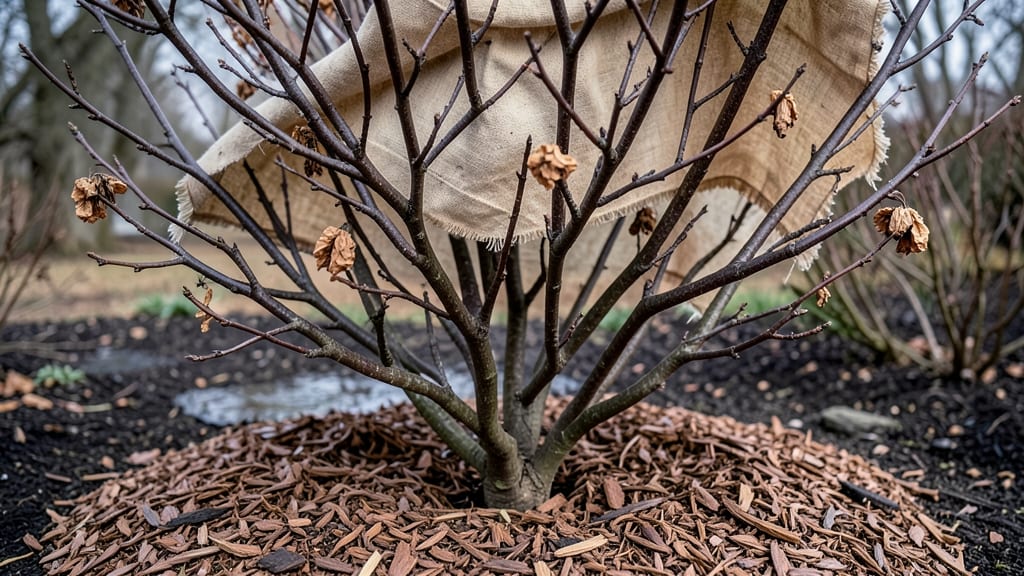
Your hibiscus tree’s winter survival starts with winter care for hibiscus tree—and in the Pacific Northwest’s damp chill, that means more than just hoping for the best. 🌿 I’ve watched tropical hibiscus wilt under our gray skies, only to bounce back with spring’s first warmth, and the secret lies in timing, insulation, and a few unexpected tricks.
The key isn’t just protecting leaves but prepping the roots, adjusting water, and knowing when to prune (or not) to avoid shocking the plant mid-dormancy.
You’ll need a few simple supplies: burlap wraps for trunk insulation, mulch (4–6 inches thick) to shield roots, and clear plastic sheeting for a mini greenhouse effect on tender varieties.
If your hibiscus is potted, move it to a garage or shed where temps hover between 40–50°F—cooler than indoors but not freezing. The goal? Mimic its natural dormancy cycle without stressing it.
Overwatering here is the silent killer; let the soil dry slightly between waterings, and avoid fertilizing entirely until new growth appears in spring.
By late winter, you’ll see the first signs of revival: plump buds or fresh leaf tips pushing through. That’s your cue to gradually reintroduce sunlight and resume normal care.
The hibiscus that follows these steps emerges lush and vibrant, not the sad, leggy skeleton of a plant that’s been neglected. The payoff? A summer of bold blooms that make your neighbors green with envy—literally.
Let’s get your tree through the cold months so it’s ready to shine when the rain lets up.
This method works for both hardy hibiscus (like Hibiscus syriacus) and tropical varieties in milder PNW microclimates. Just adjust the timing: start insulation prep when nighttime temps dip below 45°F, and hold off on pruning until after the last frost.
The first year might feel like guesswork, but every hibiscus I’ve saved this way comes back stronger. Ready to try it?
📚 In This Guide
- What you need
- Instructions
- Tips and common mistakes
- Wrapping up and next steps
What you need
- ● Pruning shears – Sharp, bypass-style (for clean cuts), sterilized with rubbing alcohol.
- ● Hand pruners – For smaller branches (test for ease of use—no slipping!).
- ○ Loppers (optional) – For thicker branches (2–4" diameter), ratcheting or bypass type.
- ● Heavy-duty gloves – Garden-grade, cut-resistant (e.g., Mechanix Wear or Wolverine).
- ● Frost cloth – Breathable, 30g+ polyester (e.g., Agribon), 10’x10’ minimum (adjust for tree size).
- ● Burlap or landscape fabric – 3’x50’ roll (for wrapping trunks).
- ● Twine or zip ties – 100+ ft (to secure frost cloth).
- ● Mulch – 4–6 inches of straw, wood chips, or shredded bark (avoid fresh wood chips).
- ● Watering can or hose – With a gentle spray nozzle (for post-pruning hydration).
- ○ Plant food (optional) – Balanced 10-10-10 or slow-release fertilizer (e.g., Osmocote).
- ● Weather check – Wait until after the first hard frost (temps below 28°F/-2°C) but before prolonged freezing.
- ● Tree health assessment – Inspect for diseased or dead branches (prune those first).
- ● Clear workspace – Remove weeds, debris, and competing plants within 3 ft of the base.
- ● Water deeply – 1–2 weeks before frost (encourages root hardening).
Step-by-Step instructions for protecting hibiscus trees in cold climates
Here’s how I’ve kept my hibiscus thriving through Pacific Northwest winters—no frost damage, no fuss.
🌱 Step 1: Prune for Winter Hardiness
Start in late fall, after the first frost but before hard freezes settle in. Cut back the current season’s growth by one-third, focusing on removing weak, crossing, or diseased branches first. I always use clean, sharp pruners to avoid tearing the bark—this prevents entry points for pests and disease.
Next, shape the tree into a rounded form. Hibiscus respond well to open centers, so aim for an airy structure that allows sunlight to reach all branches. Leave 3-4 strong buds on each remaining stem; these will sprout fresh growth in spring. Avoid heavy pruning now—you’ll risk stressing the plant before dormancy sets in.
💧 Step 2: Mulch and Water Deeply
Spread 3-4 inches of organic mulch (like shredded bark or straw) around the base of the tree, keeping it 6 inches away from the trunk. This insulates roots from freezing temperatures while retaining moisture. I always water the tree deeply one last time before the ground freezes—aim for 1-2 gallons spread evenly around the root zone.
For container-grown hibiscus, move pots to a sheltered spot against a south-facing wall or under an overhang. If possible, wrap the container in bubble wrap or frost cloth to add an extra layer of insulation. Check the soil weekly—if it’s still moist, hold off on watering; if it’s dry, give it a light drink before the next freeze.
☀️ Step 3: Wrap and Shield from Wind
Once temperatures drop below 25°F, it’s time to wrap your hibiscus. Use burlap or frost cloth to loosely cover the entire plant, securing it with twine or stakes. Leave the top open slightly for airflow—hibiscus need to breathe, even in winter. I’ve found that double-layering the wrap (one layer of frost cloth over burlap) works best in our damp Pacific Northwest winters.
Position the tree where it’s sheltered from north and west winds, which carry the coldest air. If your hibiscus is in a pot, move it to a garage or unheated shed for the worst of winter. Just be sure to leave it in the pot—digging up roots disrupts dormancy and stresses the plant.
⏰ Step 4: Monitor and Adjust Through Winter
Check your hibiscus every 2-3 weeks during winter, especially after sudden cold snaps. If the wrap looks damp, it’s trapping too much moisture—open it slightly for a day to dry out. Watch for ice buildup on the branches; gently brush it off to prevent weight damage.
If temperatures dip below 15°F, add an extra layer of protection. I’ve used Christmas lights wrapped around the base of the tree to provide a tiny bit of warmth—it’s a trick I picked up from a local nursery, and it’s worked like a charm. Never use heat lamps or open flames, though; hibiscus are flammable when dry.
Tips & tricks for perfect winter hibiscus care
Real talk: I’ve nursed my hibiscus through more Pacific Northwest winters than I can count—and these are the tricks that saved them every time.
Pruning Precision: When you’re cutting back that one-third of growth in Step 1, focus on the weakest branches first. I’ve learned the hard way that leaving diseased wood can turn winter dormancy into a pest buffet. Also, those 3-4 buds you leave aren’t just for show—they’re your plant’s promise of next season’s blooms. Make sure they’re plump and healthy, not shriveled or damaged.
Mulch Depth Matters: The 3-4 inches of mulch in Step 2 is non-negotiable for our wet winters. Too little and roots freeze; too much and you’ll smother the plant. I’ve found that straw works better than wood chips in damp climates—it drains better and resists compaction. And that 6-inch clearance from the trunk? Critical for preventing rot.
Wind Protection Strategy: In Step 3, when you’re shielding from north and west winds, think about your yard’s microclimates. A solid fence might block winds perfectly, but if you’re in an open area, consider adding a temporary windbreak like a bamboo screen. I’ve also used snow fencing wrapped in burlap—it’s sturdy, breathable, and disappears when spring comes.
Monitoring Without Overdoing: Those 2-3 week checks in Step 4 are your best defense against winter surprises. I keep a small notebook near my hibiscus with dates and weather notes—it helps me spot patterns. And when temps drop below 15°F, I’ve found that wrapping Christmas lights around the base (not the branches!) adds just enough warmth to make all the difference. Just remember: hibiscus hate soggy wraps, so check for condensation regularly.
Pro Tips for Winter Care For Hibiscus Tree
- Real talk: I’ve nursed my hibiscus through more Pacific Northwest winters than I can count—and these are the tricks that saved them every time.
- Pruning Precision: When you’re cutting back that one-third of growth in Step 1, focus on the weakest branches first.
- Mulch Depth Matters: The 3-4 inches of mulch in Step 2 is non-negotiable for our wet winters.
Frequently asked questions
Got questions about keeping your hibiscus thriving through Pacific Northwest winters? We’ve got answers! Here are the most common concerns—and how to tackle them like a pro.
How cold can hibiscus trees tolerate before needing protection?
Most hibiscus varieties (like Hibiscus syriacus) can handle brief dips to 15–20°F, but prolonged freezing (<10°F) risks damage. In the PNW, where winters hover around 25–35°F, wrapping the trunk and mulching heavily (4–6 inches) is key. Tropical hibiscus (Hibiscus rosa-sinensis)? Bring them indoors or use a frost cloth—they’re far less cold-hardy.
When should I prune my hibiscus for winter?
Prune after the first frost (late fall) but before new growth starts in spring. Focus on:
- Removing dead or weak branches (use sterilized shears!).
- Thinning 1/3 of the canopy to improve airflow.
- Avoid heavy cuts—hibiscus bloom on new wood!
In the PNW, aim for November–December for best results. Pro tip: Wait until temps drop below 40°F to prevent stress from late-season growth.
Can I keep my hibiscus in a pot over winter?
Potted hibiscus are easier to move indoors or protect outdoors. If outdoors:
- Wrap the pot and roots in bubble wrap or insulating foam.
- Place near a south-facing wall (absorbs heat) or under an overhang.
- Water sparingly—overwatering in cold soil causes root rot!
For indoor care, move to a bright, cool spot (60–65°F) and reduce watering. Bonus: Prune lightly to encourage spring blooms!
Why are my hibiscus leaves turning brown/yellow in winter?
Brown/yellow leaves usually mean one of three issues:
- Frost burn: Large, crispy brown patches? You pruned too late or lacked protection. Trim damaged leaves and cover vulnerable areas next time.
- Overwatering: Cold, soggy soil = root rot. Let the top 2 inches dry out between waterings.
- Nutrient deficiency: Yellowing veins? Feed with a balanced fertilizer (10-10-10) in early spring.
Check the soil moisture and sun exposure—PNW winters can trick plants into dormancy!
Are there cold-hardy hibiscus alternatives for the PNW?
If hibiscus seem high-maintenance, try these PNW-friendly perennials with similar tropical vibes:
- Oakleaf hydrangea (Hydrangea quercifolia): Handles 0°F, stunning fall color.
- Butterfly bush (Buddleia davidii): Drought-tolerant, attracts pollinators, -20°F hardy.
- Crape myrtle (Lagerstroemia): Blooms summer–fall, 0°F resistant.
- Russian sage (Perovskia atriplicifolia): Silvery foliage, -30°F tough, zero fuss!
Still love hibiscus? Stick with Hibiscus syriacus—it’s your best bet for low-maintenance PNW winters!
Wrapping up and next steps
With these winter care strategies, your hibiscus tree can thrive even in the chilly Pacific Northwest climate! 🌿❄️ Remember, consistency is key—whether it’s mulching, protecting from frost, or pruning strategically. Your efforts will reward you with vibrant blooms come spring!
Ready to give your hibiscus the TLC it deserves? Start by assessing its current state—check for winter damage, adjust your care routine, and plan your spring prep early. Happy gardening! 🌸