
Pruning
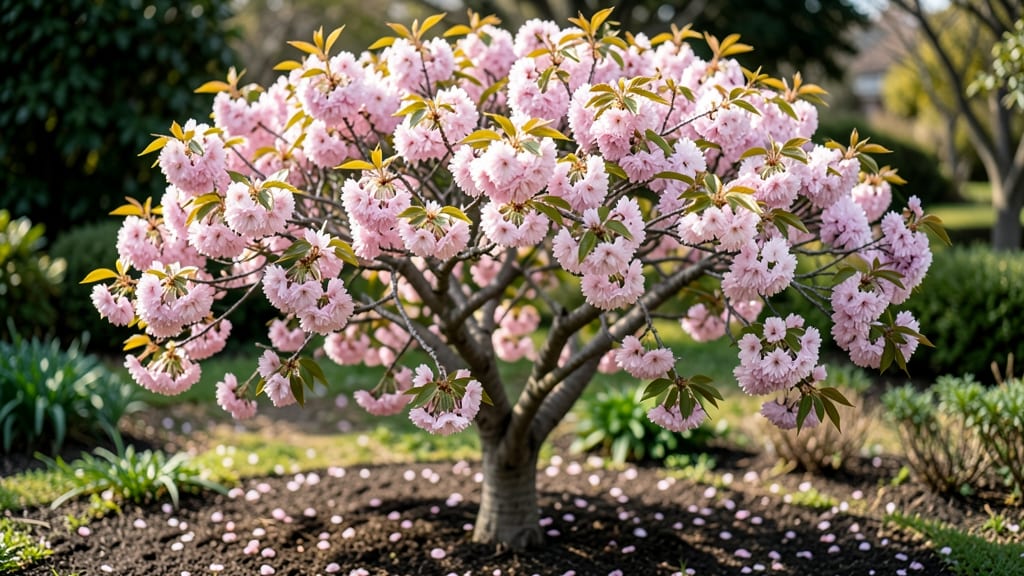
The Yoshino cherry tree's delicate pink blossoms transform Pacific Northwest winters into fragrant masterpieces—until frost takes its toll. 🌸 I’ve learned the hard way that pruning at the right time keeps those iconic flowers coming back year after year, even after snow.
The secret isn’t just cutting branches; it’s understanding when and how to shape the tree so it blooms earlier and heavier than its neighbors.
Most people wait until spring to prune, but that’s too late for Yoshino cherries. The best time is late winter, just as buds swell but before flowers appear—this ensures you’re not removing next year’s blooms.
You’ll need sharp pruners, gloves, and a clear day to avoid spreading disease. The goal is to open the tree’s center for sunlight and air, which makes those signature clusters of flowers even more spectacular.
What you’ll end up with is a tree that bursts into bloom weeks before other varieties, its branches heavy with fragrant pink blossoms that perfume entire neighborhoods. The flowers are so abundant they create a sea of pink that lasts for weeks, even in cooler climates.
And here’s the best part: with the right pruning, your Yoshino cherry will outshine store-bought trees for years to come.
This method works for both young trees and mature specimens, though the approach differs slightly. For established trees, focus on thinning out crowded branches to improve airflow, while younger trees benefit from structural shaping to prevent weak growth.
Either way, you’ll be rewarded with a showstopper that’s the envy of every street in the PNW.
📚 In This Guide
- What you need
- Instructions
- Tips and common mistakes
- Wrapping up and next steps
What you need
- ● Pruning shears: Bypass pruners (sharp, clean, and sterilized—think blank">Felco F-2 or blank">Gonicc TGP-1310 for precision). Size 1 or 2 for small branches.
- ● Loppers: 16–20" bypass loppers (for branches ½–2" thick). Look for blank">Corona Ratchet models for leverage.
- ● Pruning saw: Curved-tooth saw (e.g., blank">Fiskars X27) for branches 2"+ thick.
- ● Disinfectant: 70% isopropyl alcohol or bleach solution (1 part bleach : 9 parts water) to sterilize tools between cuts.
- ○ Pruning sealant: blank">Tree wound pruning paste (optional but helpful for cuts > ½" thick).
- ● Safety gear: Gloves (cut-resistant, like blank">Worthington Pro-Tech), safety glasses, and long sleeves.
- ● Ladder: Sturdy, extendable (e.g., blank">Little Giant) rated for 300+ lbs if pruning tall branches.
- ● Heavy-duty trash bags: 30-gallon size for debris.
- ● Work boots: Slip-resistant (e.g., blank">Timberland PRO) for uneven terrain.
- ● Hose & spray nozzle: For rinsing sap off tools and branches.
- ● Pole saw: Extendable saw (e.g., blank">Fiskars X7) for high branches without a ladder.
- ● Tree paint: Non-toxic (e.g., blank">TreeHelp) for sealing large cuts if desired.
- ● Notebook & pen: To sketch your pruning plan or mark branches to remove.
- ● Budding oil: (e.g., Dormant Oil) for treating the tree post-pruning if pests are a concern.
- ● Timing: Prune late winter to early spring (before buds swell) or immediately after flowering (May in PNW). Avoid pruning during frost or drought.
- ● Weather: Choose a dry, overcast day (humidity slows healing).
- ● Tree health: Inspect for disease (e.g., powdery mildew) or pests (e.g., borers) before pruning.
- ● Local regulations: Check if your area requires permits for large trees (typically 6"+ diameter).
Step-by-Step instructions for reviving Yoshino cherry tree blooms after frost
Here's how to coax those delicate pink clouds back after winter's chill—without losing your tree.
🌿 Step 1: Assess Damage and Wait for Spring Warmth
Start by examining your Yoshino cherry tree in early spring when temperatures consistently stay above 40°F for at least a week. Look for signs of life: swollen buds, tiny green shoots, or even just a hint of pink in the dormant wood. This tree is tougher than it looks—it often recovers from frost damage better than many gardeners realize.
Don't rush to prune until you see at least 30% of the buds showing signs of life. I've seen trees that looked completely dead in late winter burst into full bloom by May. The key is patience—waiting until late March or early April in the Pacific Northwest gives the tree time to recover naturally.
✂️ Step 2: Prune Dead Wood and Shape for Airflow
Once you confirm which branches are dead (they'll be dry, brittle, and won't bleed sap when cut), remove them completely using clean, sharp pruning shears. Cut just outside the branch collar where the branch meets the trunk. I always make these cuts at a 45-degree angle to prevent water from pooling on the wound.
For live branches that were frost-damaged but still have some green, make your cuts just above a healthy bud or lateral branch. This encourages new growth from the right place. Step back often to check your work—you want to maintain the tree's natural vase shape while opening up the center for better airflow and sunlight penetration.
☀️ Step 3: Fertilize and Hydrate for Spring Recovery
After pruning, spread 2-3 pounds of 10-10-10 fertilizer evenly under the tree's drip line. Water deeply to help the fertilizer reach the roots, then maintain 1-2 inches of water per week through the growing season. Yoshino cherries hate soggy roots but need consistent moisture to push out new leaves and flower buds.
Here's the thing—don't overwater now. You'll know you're doing it right when the soil feels moist 2-3 inches down but not saturated. Mulch with 3-4 inches of wood chips to retain moisture and protect roots from temperature swings. Keep the mulch 6 inches away from the trunk to prevent rot.
🌱 Step 4: Monitor New Growth and Plan Next Year's Care
Watch for new leaf growth in 4-6 weeks—this is your signal that the tree is recovering. If you see only a few leaves appear on long, weak stems, your tree needs more sunlight. These "water sprouts" grow from the tree's energy reserves but won't support strong blooms.
This is also when you should mark any branches that consistently bloom well. Next year, you'll want to focus your pruning on maintaining that shape while removing any crossing branches that compete for energy. Remember, Yoshino cherries bloom on both old and new wood, so aggressive pruning isn't necessary—just strategic.
Tips & tricks for perfect Yoshino cherry tree flower revival
Here's what I've learned from years of watching these trees bounce back after frost—tricks that'll help you avoid the most common mistakes.
Patience is Key: In Step 1, those 40°F temperatures are your green light, but don't rush! I've seen trees that looked completely dead in February burst into bloom by May. The 30% bud viability threshold is non-negotiable—wait until you see actual signs of life before touching your pruners. Trust me, that extra week of waiting often makes the difference between a sad little tree and a spectacular spring show.
Pruning Precision: When you're making those 45-degree angle cuts in Step 2, here's the thing nobody tells you: always cut just outside the branch collar, but never into it. That little bump where the branch meets the trunk is like a scab—it helps the wound heal. I've made this mistake twice and both times, those cuts oozed sap for weeks. Also, use sharp shears—dull blades crush the wood, inviting disease.
Fertilizer Timing: That 2-3 pounds of 10-10-10 fertilizer in Step 3 should go on after pruning but before your first deep watering. The key is to spread it evenly under the tree's drip line—about halfway between the trunk and the outer edge of the branches. I learned this the hard way when I piled it all near the trunk, which led to root burn. And for the love of blossoms, don't forget to water it in immediately!
Mulch Like a Pro: The 3-4 inches of wood chips you'll add in Step 3 should be spread in a donut shape—keep that 6-inch gap around the trunk. This prevents rot while keeping roots cozy. Pro tip: use shredded bark mulch rather than chunks. It breaks down more evenly and won't smother new growth. Also, avoid piling mulch against the trunk—this is where most amateur gardeners go wrong.
Pro Tips for Yoshino Cherry Tree Flower
- Here's what I've learned from years of watching these trees bounce back after frost—tricks that'll help you avoid the most common mistakes.
- Patience is Key: In Step 1, those 40°F temperatures are your green light, but don't rush!
- Pruning Precision: When you're making those 45-degree angle cuts in Step 2, here's the thing nobody tells you: always cut just outside the branch collar, but never into it.
Frequently asked questions
Got questions about keeping your Yoshino cherry tree blooming beautifully in the Pacific Northwest? Here are some of the most common concerns—and their answers!
When is the best time to prune Yoshino cherry trees to encourage flowers?
Prune your Yoshino cherry tree immediately after flowering (late April to early May in the PNW) to avoid cutting off next year’s blossoms. Avoid heavy pruning in winter—cherry trees are dormant then, and over-pruning can stress the tree. Light shaping is fine, but never prune in fall—it can invite disease.
Will frost damage my Yoshino cherry tree’s flowers?
The Yoshino cherry is hardy to Zone 5, but late frosts (below 28°F) can damage buds. If frost hits after buds swell but before blooming, don’t panic—many buds survive. To help, mulch the base in winter and avoid overwatering. If buds blacken, they’re likely dead, but the tree will still bloom from remaining buds.
How much can I trim without harming the tree?
Limit pruning to no more than 20-25% of the tree’s canopy per year. Focus on removing dead, crossing, or weak branches first. For young trees, you can be bolder, but older Yoshino cherries (10+ years) need gentle care. Never remove more than 1/3 of the branches at once—this can shock the tree and reduce flowering.
Can I prune Yoshino cherry trees in rainy PNW weather?
Wait for dry, mild days (50–60°F) to prune—rainy or windy conditions can spread fungal diseases like bacterial canker. If you must prune in damp weather, sterilize tools with rubbing alcohol between cuts and avoid pruning when leaves are wet. Early morning is best—tools stay cleaner, and humidity is lower.
What if my Yoshino cherry tree isn’t flowering well?
Poor blooming often stems from over-fertilizing with nitrogen (which promotes leaves over flowers) or lack of sunlight. Ensure your tree gets 6+ hours of sun daily and fertilize lightly in early spring with a low-nitrogen, high-phosphorus blend (like 5-10-5). If the tree is young (<5 years), it may still be establishing roots—patience is key!
What should I do if I see blackened or oozing branches after pruning?
Blackened or oozing cuts signal bacterial canker, a common issue in cherry trees. Act fast:
Monitor the tree closely, and consider a copper fungicide spray in spring if issues persist.
Wrapping up and next steps
The Yoshino cherry tree’s delicate pink blooms are a Pacific Northwest treasure, and with the right pruning techniques, you can ensure their vibrant return year after year. By mastering frost-proof trimming, sharpening your tools, and timing cuts strategically, you’re not just pruning—you’re nurturing a legacy of springtime magic. 🌸
Now that you’re armed with knowledge, roll up your sleeves and give your Yoshino cherry tree the care it deserves! Start by scheduling your first pruning session in late winter or early spring—just before the buds swell—and watch your tree reward you with a breathtaking canopy of blossoms.
Happy pruning! ✂️🌿