
Pruning
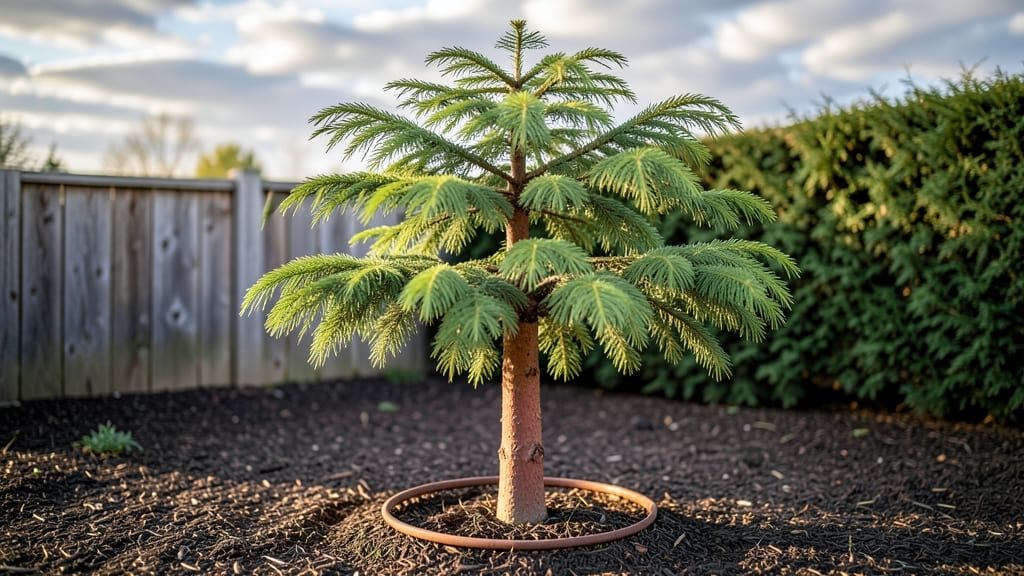
Growing a young sequoia tree from a nursery sapling is like planting a time capsule—except this one grows into a 200-foot giant. The key to towering growth starts with understanding their frost-resistant nature and the Pacific Northwest’s perfect climate for them.
My first sequoia struggled until I learned the right spacing, soil prep, and pruning schedule that mimics their natural forest conditions.
Sequoias thrive in well-draining, slightly acidic soil with 6-8 hours of sunlight daily, but they hate soggy roots—mulch heavily to retain moisture without suffocating the base. Water deeply once a week in their first year, then taper as roots establish.
The spacing is critical: 10-15 feet apart for mature height potential, but young trees need 6-8 feet to avoid root competition. This isn’t a fast project—growth is slow in youth—but the payoff is worth it.
Pruning young sequoias isn’t about shaping; it’s about removing deadwood and encouraging a strong central leader. Use sterilized pruners to cut just above a healthy bud, and avoid heavy pruning before winter—sequoias heal slowly.
By year three, you’ll see that signature thick bark forming, and the tree will start its lifelong climb toward the sky. The real magic happens when you step back and watch it grow.
Common challenges? Root rot from overwatering and aphid infestations on new growth. Monitor for woolly spider mites too—they love young sequoias. The secret weapon? A light horticultural oil spray in early spring before pests wake up.
With patience and these basics, your young sequoia will outlive you—and become the centerpiece of your landscape for generations.
📚 In This Guide
- What you need
- Instructions
- Tips and common mistakes
- Wrapping up and next steps
What you need
- ● Young sequoia seedling (1-2 years old, Sequoiadendron giganteum or Sequoia sempervirens for coastal varieties): Healthy, disease-free roots
- ● Size: 12–18 inches tall (bare-root or potted)
- ● Pruning tools: Bypass pruners (sharp, clean, for small branches)
- ● Loppers (for thicker branches, 2–3 inches in diameter)
- ● Hand saw (pruning saw, not a chainsaw)
- ● Safety gear: Work gloves (cut-resistant)
- ● Safety glasses
- ● Disinfectant (70% isopropyl alcohol or bleach solution)
- ○ Pruning sealant (optional but recommended for large cuts)
- ● Well-draining soil mix: 50% native soil (sandy loam ideal)
- ● 30% compost or aged manure
- ● 20% perlite or coarse sand
- ● Planting site: Full sun (6+ hours daily)
- ● Space: 10–15 feet from structures/buildings (future canopy width: 30–50 feet)
- ● Sheltered from strong winds (young trees are vulnerable!)
- ● Watering supplies: Hose with adjustable nozzle or watering can
- ○ Drip irrigation kit (optional for consistent moisture)
- ● Mulch (3–4 inches of wood chips, keep 6 inches away from trunk)
- ● Tree stakes & ties (for young, top-heavy seedlings)
- ● Soil pH test kit (ideal range: 6.0–7.5)
- ● Fertilizer (balanced 10-10-10 or slow-release organic)
- ● Tree growth monitor (measuring tape for tracking height/width)
Step-by-step instructions for cultivating a young sequoia tree
Here’s how to nurture a young sequoia into a towering, frost-resistant giant with precision pruning and Pacific Northwest care.
🌱 Step 1: Select and Prepare the Planting Site
Sequoias thrive in deep, well-draining soil with a pH between 5.0 and 7.0. Choose a location with full sun exposure—at least 6 hours daily—and shelter from harsh winds, which can stress young bark. In the Pacific Northwest, where frost is common, avoid low-lying areas where cold air pools.
Test the soil by digging a 12-inch hole—if water pools after 30 minutes, amend with 3 inches of compost and 2 inches of coarse sand to improve drainage. Sequoias hate soggy roots, so prioritize this step. I’ve seen young trees decline within weeks when planted in heavy clay without amendments.
🪴 Step 2: Plant with Structural Support
Dig a hole twice as wide as the root ball but no deeper—sequoias resent buried roots. Gently remove the sapling from its container and tease the roots outward if they’re circling. Place a 4-foot wooden stake on the windward side and loosely tie the trunk with soft tree ties (never wire, which cuts into bark as it grows).
Backfill with native soil mixed with 1 part compost, tamping lightly to eliminate air pockets. Water deeply until moisture reaches 12 inches down, then mulch with 3 inches of wood chips (avoid bark mulch—it acidifies soil over time). Keep mulch 6 inches away from the trunk to prevent rot. Young sequoias need consistent moisture but hate wet feet.
✂️ Step 3: Prune for Frost Resistance and Form
Wait 12 months before pruning—young sequoias heal slowly. In early spring, remove dead or crossing branches using clean, sharp pruners, cutting just outside the branch collar. Avoid topping the tree; sequoias produce weak regrowth when cut above a bud. Instead, focus on structural pruning to encourage a strong central leader.
In the Pacific Northwest, where frost can damage tender new growth, prune after the last frost date but before June 1. Sequoias flush new growth in late spring—wait until these harden off before trimming. I’ve seen frost-burned tips on trees pruned too early, so timing matters. Remove no more than 25% of the canopy in any single season.
☀️ Step 4: Water and Fertilize Strategically
Water deeply once a week during the first growing season, delivering 10 gallons per tree to encourage deep root growth. After the first year, sequoias develop drought tolerance, but young trees still need 2 inches of water weekly during dry spells. Check soil moisture by digging 4 inches down—if dry, water again.
Fertilize lightly in early spring with a balanced 10-10-10 formula, applying 1 pound per inch of trunk diameter. Over-fertilizing causes weak, fast growth that’s prone to frost damage. Sequoias are slow growers—patience is key. I’ve seen trees stunted by overzealous feeding, so err on the side of restraint.
⏰ Step 5: Monitor for Frost and Pest Pressure
In the Pacific Northwest, young sequoias face two critical threats: late-spring frosts and bark beetles. Protect tender new growth with anti-desiccant spray if frost is forecast, and wrap the trunk with tree guard in winter to deter rodents. Sequoias are generally pest-resistant, but aphids may appear—blast them off with a strong stream of water if needed.
Inspect the trunk annually for cankers or oozing sap, which signal stress or infection. Sequoias are resilient but won’t recover from neglected wounds. Prune out any infected branches immediately and sterilize tools with 70% rubbing alcohol between cuts. With proper care, your young sequoia will grow 2–3 feet yearly, reaching maturity in decades.
Tips & tricks for cultivating a young sequoia tree
These insights will help you avoid common pitfalls and maximize your young sequoia's potential in the Pacific Northwest's challenging climate.
Soil Preparation Insight: When testing your 12-inch hole for drainage, use a simple household test: Fill the hole with water and time how long it takes to drain completely. If it takes longer than 30 minutes, you'll need to add more coarse sand or consider raised beds. Sequoias despise waterlogged roots, and this simple test can save you from costly mistakes down the road.
Pruning Timing Strategy: The window between last frost and June 1st is critical for pruning young sequoias. Check your local frost dates annually as they can vary by 1-2 weeks each year. I recommend marking your calendar with both dates and setting reminders—pruning too early risks frost damage to new growth, while waiting too long may stress the tree before summer's growth flush.
Watering Technique: For that 10-gallon weekly watering, use a soaker hose placed at the tree's drip line rather than overhead watering. This encourages deep root development while minimizing evaporation and fungal risks. The goal is to saturate the soil to 12 inches deep, not just wet the surface. I've seen trees with shallow roots struggle during summer droughts because they weren't watered properly during establishment.
Frost Protection Hack: In late spring when new growth appears, keep anti-desiccant spray handy for sudden frost warnings. Apply it to the tree's upper canopy first—this is where frost damage typically occurs. For extra protection, drape lightweight frost cloth over the most vulnerable branches during forecasted frosts. I've used this method successfully to protect young sequoias through unexpected late-season frosts that can occur as late as May in the Pacific Northwest.
Pro Tips for Young Sequoia Tree
- These insights will help you avoid common pitfalls and maximize your young sequoia's potential in the Pacific Northwest's challenging climate.
- Soil Preparation Insight: When testing your 12-inch hole for drainage, use a simple household test: Fill the hole with water and time how long it takes to drain completely.
- Pruning Timing Strategy: The window between last frost and June 1st is critical for pruning young sequoias.
Frequently asked questions
Got questions about nurturing your young sequoia tree?
Here are the most common ones—and their answers—to help you grow a thriving giant in your Pacific Northwest garden.
When is the best time to prune a young sequoia tree?
Prune your young sequoia tree in late winter or early spring (before new growth starts) to avoid stressing the tree during its dormant phase. Avoid heavy pruning in summer or fall, as this can invite disease or pest issues. Focus on shaping and removing dead branches—sequoias are resilient but benefit from gentle, strategic cuts!
How do I prune a young sequoia tree without harming it?
Use clean, sharp pruners or a handsaw for larger branches, and always cut just outside the branch collar (the swollen area where the branch meets the trunk). Avoid leaving stubs, which can rot. For young trees, prioritize airflow and light penetration—remove only 10-20% of the foliage per year to prevent shock.
Are young sequoia trees frost-resistant? How do I protect them?
Yes! Young sequoias are naturally frost-hardy (down to 10°F/-12°C), but newly planted trees may need extra care. Mulch the base with 3-4 inches of wood chips and water deeply before winter to insulate roots. Avoid pruning in late fall—wait until spring to reduce frost stress on fresh cuts.
Can I grow a young sequoia tree in a container? What size pot do I need?
While sequoias are not ideal for containers (they grow 50+ feet tall!), you can try a 5-gallon pot for 1-2 years if you’re committed to transplanting later. Use a well-draining mix and upgrade to a 15-gallon+ pot only if you’re in a high-elevation or urban microclimate. Root-bound trees struggle—plan for ground planting ASAP!
What pests or diseases should I watch for in young sequoia trees?
Common issues include aphids, bark beetles, and fungal cankers. Inspect leaves for sticky residue (aphids) or sawdust-like frass (beetles). Treat with neem oil or insecticidal soap early. For cankers, prune infected branches 6 inches below the damage and sterilize tools with rubbing alcohol. Keep the area well-ventilated to deter fungal growth.
Wrapping up and next steps
Growing a young sequoia tree is a rewarding journey that blends patience, care, and a deep connection to nature’s giants. 🌲 By mastering frost-resistant pruning techniques and providing the right environment, you’re not just nurturing a tree—you’re shaping the future of a Pacific Northwest landmark.
Start small, stay consistent, and watch your sequoia reach for the skies!
Next steps:
- Mark your calendar for your first pruning session—spring is your best ally!
- Join local gardening groups to swap tips and celebrate your progress.
- Document your tree’s growth with photos; it’s a journey worth cherishing.