Pruning
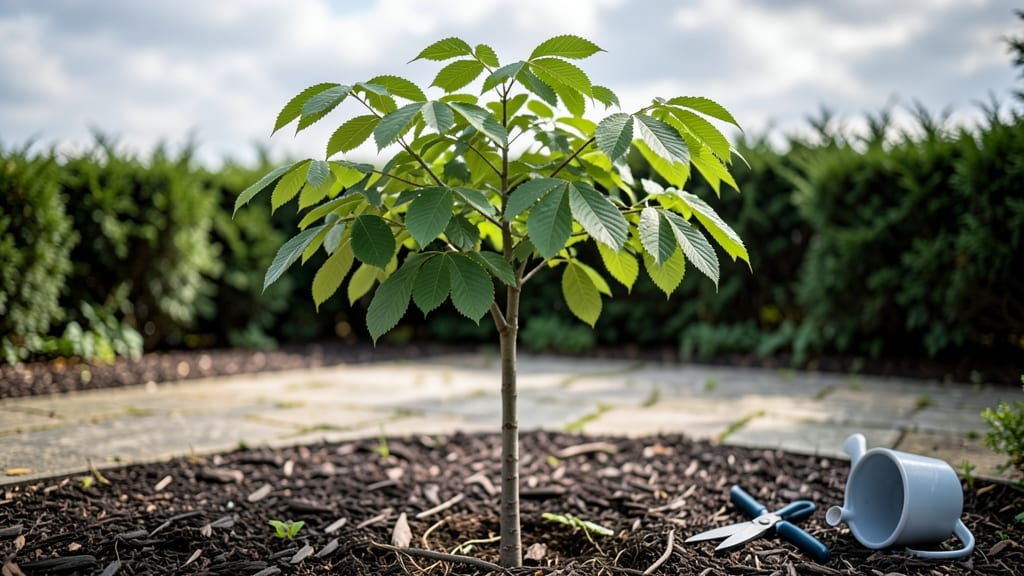
Your young walnut tree’s future starts with the first cut—pruning isn’t just about shaping, it’s about setting up a lifetime of strong branches and heavy harvests.
I’ve watched my own walnut saplings go from scraggly to sturdy just by making a few smart cuts in the right places, and the difference in nut production is staggering. The key is timing: early pruning builds structure, while late-season trims encourage next year’s growth.
You’ll need basic tools—a sharp pair of pruning shears, rubbing alcohol for sterilizing cuts, and a sturdy ladder if branches are high. Focus on removing dead wood first, then thin out crowded branches to let sunlight reach the center.
Every cut should be at a 45-degree angle, just above a bud or branch collar, to prevent disease. This isn’t rocket science—just thoughtful trimming that pays off in years of healthy growth.
What you’ll end up with is a tree that produces more nuts per branch, with fewer weak limbs that snap under weight. The first year’s pruning sets the stage for a stronger framework, while annual maintenance keeps the tree open and airy—exactly what walnuts need to thrive.
You’ll notice thicker trunk growth and fewer broken branches by next spring, and those first real harvests will taste like success.
Works for both backyard orchards and container-grown walnuts, though dwarf varieties need more frequent pruning. The same principles apply whether you’re shaping a 3-foot sapling or a 10-foot tree—just scale the tools. Ready to turn that wild young tree into a nut-producing powerhouse?
📚 In This Guide
- What you need
- Instructions
- Tips and common mistakes
- Wrapping up and next steps
What you need
- ● Pruning shears: Bypass pruners (sharp, clean, and with a 1.5–2.5-inch blade) for small branches.
- ● Loppers: For branches ½–1.5 inches in diameter (look for bypass or anvil types with long handles for leverage).
- ● Pruning saw: A folding pruning saw with a fine-tooth blade for thicker branches (1.5+ inches).
- ● Disinfectant: 70% isopropyl alcohol or a 10% bleach solution (1 part bleach to 9 parts water) to sterilize tools between cuts.
- ○ Pruning sealant: Optional but recommended for cuts larger than ½ inch (e.g., Tanglefoot Tree Wound Pruning Seal).
- ● Work gloves: Heavy-duty gardening gloves with cut-resistant palms to protect your hands.
- ● Safety gear: Safety glasses (to shield from debris) and closed-toe shoes.
- ● Ladder or step stool: If your tree is 6+ feet tall, use a stable, extendable ladder (never stand on wobbly stools!).
- ● Trash bags: Heavy-duty contractor bags (20–30 gallon) for debris disposal.
- ● Weather check: Prune on a dry, cloudy day (avoid pruning when wet—damp wood splinters easily!).
- ● Tree health assessment: Inspect the tree for diseases (e.g., walnut blight) or pests before pruning. Treat issues first!
- ● Map the branches: Sketch a rough outline of the tree’s structure to plan cuts before you start.
- ● Sharp tools: Always sharpen blades before pruning—dull tools crush wood, inviting disease.
- ● 💡 Bring a helper! Young walnut trees can be top-heavy—having someone stabilize the ladder or hold branches is a game-changer.
- ○ 🔥 Label branches (optional): Use flagging tape to mark branches to keep or remove if you’re unsure.
- ● 🌡️ Seasonal swap: For nut production focus, prioritize pruning in late winter/early spring (before buds swell).
Step-by-Step guide to pruning a young walnut tree
Here’s how to shape a healthy, productive walnut tree while avoiding common pruning mistakes.
Identify the Right Time to Prune
Prune your young walnut tree during its dormant season, typically late winter to early spring before buds swell. This timing minimizes stress and disease risk. Avoid pruning in fall—it encourages new growth that won’t harden off before winter, leaving branches vulnerable to cold damage.
If you must prune in summer, do so after harvest (late August to early September) to avoid disrupting the tree’s energy reserves. Walnut trees are sensitive to over-pruning, so limit summer cuts to removing only dead or diseased branches.
Remove Dead, Diseased, or Crossing Branches
Start by cutting out dead, broken, or diseased branches—these are easy to spot as they’re brown, brittle, or oozing sap. Use clean, sharp pruners to make cuts just outside the branch collar (the swollen area where the branch meets the trunk). A jagged cut weakens the tree and invites pests.
Next, remove crossing or rubbing branches—these create wounds that let in disease. Look for branches growing directly opposite each other or touching. Cut the smaller of the two branches at its base. If they’re equal in size, remove one and leave the other to grow upright.
Thin the Canopy for Better Airflow
Walnut trees need good airflow to prevent fungal diseases like anthracnose. Thin the canopy by removing up to 20% of the smallest branches—focus on those growing inward or downward. Start pruning from the bottom up, removing branches that block light from reaching the lower limbs.
Leave 3-4 main scaffold branches evenly spaced around the trunk. These will form the tree’s structure. Avoid "lion’s tailing" (cutting all small branches from the top), as this weakens the tree. Instead, aim for a rounded, open shape that lets sunlight penetrate to the center.
Shape the Tree for Strong Growth
Young walnut trees benefit from selective pruning to encourage a sturdy structure. Remove suckers (shoots growing from the base or trunk) immediately—they drain energy from nut production. Also, cut back water sprouts (fast-growing vertical shoots) to redirect growth into stronger limbs.
If the tree has co-dominant stems (two main trunks growing upward), prune one to create a single leader. Make the cut just above a bud facing the direction you want the remaining branch to grow. This prevents weak forks that split under the tree’s weight.
Clean Up and Monitor for Recovery
After pruning, sterilize your tools with rubbing alcohol to prevent spreading disease. Collect and dispose of pruned branches—don’t leave them on the ground, as they can harbor pests. Seal larger cuts (over ½ inch in diameter) with pruning sealant to protect against decay.
Watch for new growth in spring as a sign the tree is recovering. Avoid over-pruning—walnut trees are slow to heal, and aggressive cuts can reduce nut production for years. If you’re unsure, err on the side of caution and remove less rather than more.
Tips & tricks for pruning a young walnut tree
A few key insights will help you prune with confidence and set your walnut tree up for years of strong growth and abundant harvests.
Timing is Everything: The late winter to early spring window is critical because walnut trees heal most efficiently when they're dormant. I learned this the hard way after pruning in fall and watching new growth get frostbitten. If you must prune in summer, stick to post-harvest (late August to early September) and only remove dead/diseased branches—this prevents stressing the tree when it's already working hard to produce nuts.
Visual Cues for Healthy Cuts: When removing branches in Step 2, look for the branch collar—the swollen area where the branch meets the trunk. Your cut should be just outside this collar, leaving a smooth surface. I use a pencil to mark where I'll cut first, then make the cut cleanly with one motion. Jagged cuts create entry points for pests and diseases, so take your time here—it's worth the extra effort.
Canopy Thinning Strategy: The 20% guideline for thinning in Step 3 is a great starting point, but focus on creating a rounded shape rather than just hitting a percentage. Start from the bottom and work upward—this lets sunlight reach the lower limbs where future nuts will develop. I think of it like opening a window: you want air and light to flow through the entire tree, not just the outer branches.
Recovery Monitoring: After pruning, watch for new growth in spring as your success indicator. If you see vigorous shoots emerging from the main scaffold branches, you've pruned correctly. I've found that sealing larger cuts (over ½ inch) with pruning sealant helps prevent decay, especially in wet climates. This is particularly important for walnut trees, which are already slow to heal.
Pro Tips for Young Walnut Tree
- A few key insights will help you prune with confidence and set your walnut tree up for years of strong growth and abu...
- Timing is Everything: The late winter to early spring window is critical because walnut trees heal most efficiently w...
- Visual Cues for Healthy Cuts: When removing branches in Step 2, look for the branch collar—the swollen area where the...
Frequently asked questions
Got questions about nurturing your young walnut tree?
Whether you're a first-time pruner or just want to maximize growth and nut production, here are answers to the most common concerns:
When is the best time to prune a young walnut tree?
Prune your young walnut tree in late winter or early spring (before buds swell) to encourage healthy growth. Avoid heavy pruning in fall—it can stimulate new growth that may not harden off before winter. Light shaping in summer is fine, but focus on structural cuts in dormant seasons.
How much can I prune off a young walnut tree in its first year?
Keep it minimal! Remove only dead, diseased, or crossing branches (no more than 10-15% of the tree’s foliage). Over-pruning stresses young walnut trees, slowing root and canopy development. Let the tree focus on establishing itself—you’ll have time for bigger cuts later.
Why aren’t my young walnut tree’s branches growing straight?
Walnut trees often grow crookedly due to uneven sunlight or wind exposure. Use spreaders or stakes to guide branches upward during the first 2–3 years. Avoid heavy pruning to "force" straightness—it can harm the tree. Patience and proper spacing (20–30 ft apart) help naturally improve structure.
Can I prune a young walnut tree in summer?
Yes, but lightly! Summer pruning (June–August) should focus on removing only water sprouts or suckers—never more than 25% of the canopy. Heavy summer cuts stress the tree and can reduce next year’s nut production. Save major structural work for dormant seasons.
What should I avoid when pruning a young walnut tree?
- Topping the tree (cutting the main stem flat)—it invites disease and weak growth.
- Pruning in wet weather (sap flows more, increasing disease risk).
- Using dull tools—they tear bark, inviting pests. Always use sharp, clean pruners.
- Ignoring the "branch collar"—never cut into the swollen base of a branch.
Stick to these rules, and your young walnut tree will thrive for decades!
Wrapping up and next steps
Growing a thriving young walnut tree is all about patience, proper care, and strategic pruning—whether you’re shaping its branches or boosting nut production. 🌱 By following seasonal guidelines and using the right tools, you’ll set your tree up for long-term health and bountiful harvests.
Now that you’re armed with expert tips, it’s time to roll up your sleeves and give your tree the attention it deserves!
Your next step? Schedule a pruning session—start with light maintenance in late winter or early spring, then monitor growth throughout the year. Happy pruning, and may your walnut tree flourish for decades to come! 🌳✨