
Size
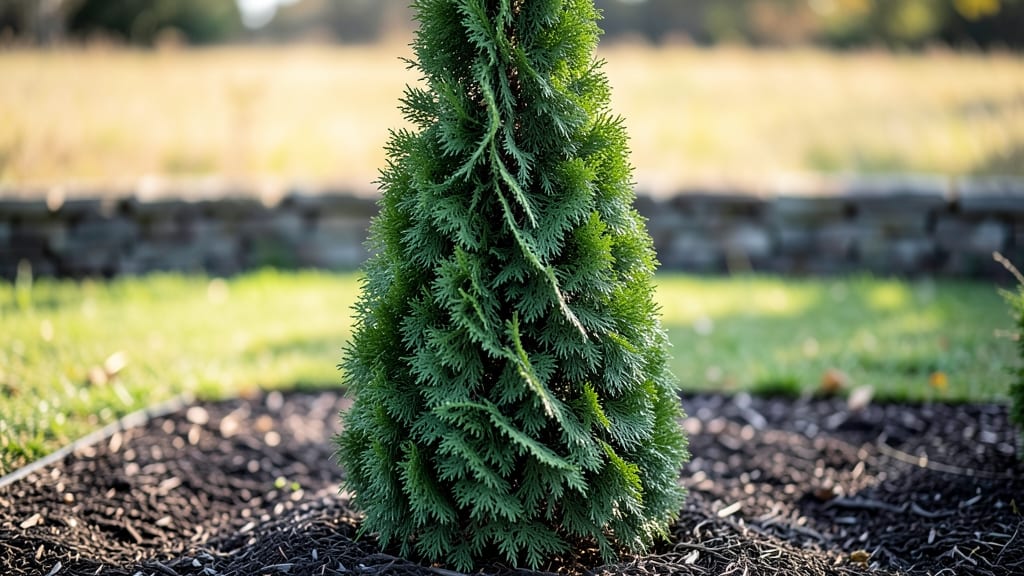
Towering trees that survive Pacific Northwest winters and reach 30 feet tall can transform your yard into a lush, private sanctuary. 🌲 I planted my first Douglas fir when my kids were little, and now it provides shade for our entire backyard patio—something no smaller tree ever could.
The right species turns a blank space into a year-round retreat.
Start with frost-resistant giants like Western red cedar, bigleaf maple, or Sitka spruce, all of which thrive in our damp climate. Spacing matters—give them 20-30 feet between trunks to prevent root competition and future pruning headaches.
Plant near structures only if you’re prepared for mature root systems that can shift foundations over time.
You’ll gain more than just height—these trees create microclimates that support birds, block winter winds, and keep summer sun at bay. The first few years are slow, but by year five, you’ll see dramatic vertical growth that changes your outdoor space forever. Just remember: patience pays off in shade.
Pair them with low-growing perennials or shrubs to create layered beauty without competing for sunlight. And if you’re worried about maintenance, regular pruning keeps them healthy and manageable. The payoff? A backyard that feels like a forest retreat, all while supporting local wildlife.
📚 In This Guide
- What you need
- Instructions
- Tips and common mistakes
- Wrapping up and next steps
What you need
- ● Tree species: Frost-resistant varieties like Pseudotsuga menziesii (Douglas Fir), Thuja plicata (Western Red Cedar), or Tsuga heterophylla (Western Hemlock). Choose wholesale nursery stock (1–3" caliper for faster growth) or bare-root seedlings (for DIYers).
- ● Soil amendments: 50 lbs compost (per tree)
- ● 20 lbs peat moss or coconut coir (for drainage)
- ● 10 lbs slow-release fertilizer (10-10-10 or organic options like fish emulsion)
- ● Mulch: 3–4 cubic yards of wood chips or bark mulch (keep 6" away from the trunk)
- ● Support: 3–4 tree stakes (6–8 ft tall, 1" diameter)
- ● 100 ft tree tie straps (wide, fabric-based)
- ● Digging: Shovel, matoko saw, post-hole digger (for large roots)
- ● Planting: Wheelbarrow, garden hose with spray nozzle, gloves
- ● Safety: Knee pads, ear protection (for chainsaw prep, if needed)
- ○ Optional but helpful: Soil pH tester (PNW soils are often acidic; aim for 5.0–7.0)
- ● Drip irrigation kit (for watering consistency)
- ● Mycorrhizal fungi (boosts root growth in native species)
- ● Check local regulations—some areas require permits for large trees (especially near property lines).
- ● Site assessment: Ensure full sun (6+ hours/day) and well-draining soil. Test for compacted clay (amend with sand if needed).
- ● Timing: Plant in early spring or fall (avoid frost or drought periods).
- ● Neighbor coordination: Notify adjacent property owners if roots/branches may encroach.
Step-by-Step guide to planting and establishing frost-resistant trees for Pacific Northwest heights
Here’s how to select, prepare, and nurture towering trees that thrive in PNW’s cool climate.
🌱 Step 1: Choose the Right Species for Your Site
Pacific Northwest frost resistance depends on species. Douglas fir, western red cedar, and bigleaf maple handle winters best—all reaching 30+ feet with proper care. Avoid fast-growing but frost-sensitive species like willows or poplars unless your microclimate is sheltered.
Check your hardiness zone (PNW ranges from Zone 6-8). Most 30-foot trees thrive in Zones 7-8, but cultivars like ‘Emerald Green’ arborvitae or ‘Green Giant’ arborvitae extend range into Zone 6. Plant in late fall or early spring to avoid transplant shock during summer heat.
🪴 Step 2: Prepare the Planting Site for Long-Term Growth
Dig a hole twice as wide as the root ball but no deeper—this prevents root suffocation. Amend the native soil with 3 inches of compost mixed into the bottom of the hole. PNW soil is often acidic; test pH and add lime if below 6.0 (cedars prefer 5.0-6.0, while maples like 6.0-7.0).
Place a tree stake diagonally (not straight) to support young trunks in windy PNW sites. Mulch with 3 inches of wood chips in a 3-foot radius, but keep mulch 6 inches away from the trunk to prevent rot. Water deeply before backfilling—this settles soil and eliminates air pockets.
☀️ Step 3: Plant and Water for Immediate Stability
Set the tree so the top of the root ball sits 1-2 inches above ground level. This prevents root rot from water pooling. Spread roots gently and backfill with native soil (no amendments). Tap the soil lightly to remove air pockets, then water 10 gallons per inch of trunk diameter—a 6-inch tree needs 60 gallons total.
Use a soaker hose for slow, deep watering to encourage root spread. In PNW’s damp climate, overwatering is rare, but waterlogged soil kills roots. Check soil moisture 1 inch below the surface—it should feel damp but not soggy. Fertilize only if soil tests show deficiencies; otherwise, wait 6 months before applying balanced 10-10-10 fertilizer.
✂️ Step 4: Prune and Protect for First-Winter Survival
Remove only dead, crossing, or low-hanging branches in the first year. Never top young trees—this invites disease and weak growth. Seal pruning cuts with tree wound paint only if the cut is larger than ½ inch. For frost-prone sites, wrap the trunk with tree guard (not plastic wrap) to prevent sunscald.
Mulch again in late fall to insulate roots. In Zone 6, young trees may need burlap wraps for added frost protection. Avoid heavy pruning in winter—wait until late spring when sap flows actively. Monitor for aphids or spider mites, common in PNW’s mild winters, and treat with neem oil if infestations appear.
Tips & tricks for perfect 30-Foot tall trees in the Pacific Northwest
Between us, planting a towering tree isn't just about digging a hole—it's about setting up long-term success. Here's what nobody tells you about establishing trees that'll reach their full 30-foot potential without failing.
Species Selection Wisdom: While Douglas fir and western red cedar are PNW staples, don't overlook the 'Emerald Green' arborvitae or 'Green Giant' arborvitae for Zone 6 sites—they're engineered to handle our cold winters while still reaching those impressive heights. I learned this the hard way after losing a young maple to early frost in Zone 6; the cultivars simply have better cold tolerance built in.
Soil Preparation Secret: That 3-inch layer of compost in Step 2 isn't just for show—it creates the perfect foundation for deep root growth. For the best results, mix in a handful of mycorrhizal fungi with your compost. These beneficial fungi form symbiotic relationships with tree roots, helping them absorb water and nutrients more efficiently. Think of it as giving your tree's roots a superpower from day one.
Watering Technique: The 10 gallons per inch of trunk diameter in Step 3 might seem like a lot, but here's the thing: PNW soil drains surprisingly fast. Use a rain gauge to measure your watering—you want 1-1.5 inches of water per week during the first growing season, whether from rainfall or irrigation. A soaker hose isn't just about convenience; it delivers water directly to the root zone without wetting the leaves, which helps prevent fungal diseases.
Winter Protection Strategy: For Zone 6 plantings, that burlap wrap recommendation in Step 4 is non-negotiable during your first two winters. I've seen trees survive -10°F with proper protection that would otherwise suffer sunscald. Wrap only the trunk, not the branches, and remove it in early spring before new growth begins. The goal is to protect the cambium layer—the growth engine of the tree—without trapping moisture that could lead to rot.
Pro Tips for 30 Ft Tall Trees
- Between us, planting a towering tree isn't just about digging a hole—it's about setting up long-term success.
- I learned this the hard way after losing a young maple to early frost in Zone 6; the cultivars simply have better cold tolerance built in.
- Soil Preparation Secret: That 3-inch layer of compost in Step 2 isn't just for show—it creates the perfect foundation for deep root growth.
Frequently asked questions
Got questions about growing or maintaining towering 30-foot trees in the Pacific Northwest? We’ve got answers!
Whether you’re curious about frost resistance, spacing, or care tips, this FAQ covers the essentials to help you thrive with these vertical giants.
What are the best frost-resistant 30-foot trees for the Pacific Northwest?
Top picks include Douglas Fir, Western Red Cedar, and Bigleaf Maple. These native species handle freezing temps, wet winters, and acidic soils like pros. For extra resilience, opt for Larch—it even sheds needles in winter!
How much space should I leave between 30-foot trees?
Space them 20–30 feet apart to avoid root competition and ensure airflow. Overcrowding can stunt growth or invite pests. Check your tree’s mature spread (e.g., Douglas Fir may need 15–20 feet extra) and local zoning laws for setbacks.
Do 30-foot trees need extra protection from frost?
Most native PNW trees are frost-hardy, but young saplings may need burlap wraps or mulch in harsh winters. Avoid heavy pruning in late fall—wait until early spring to prevent frost damage. Water deeply before the first freeze to help roots survive.
How do I prune a 30-foot tree safely?
Use a pole saw or chainsaw for high branches, and wear gloves/eye protection. Prune in late winter to remove deadwood or shape the tree. Never remove more than 25% of foliage at once—this stresses the tree. For tricky cuts, hire a pro!
Can I grow a 30-foot tree in a container or small yard?
Nope! These trees need deep, unconfined roots—containers limit growth and drainage. For small spaces, choose dwarf varieties (e.g., ‘Globe’ Arborvitae) or opt for multi-stemmed trees like Dogwood (15–20 ft). Always check mature height before planting!
Wrapping up and next steps
Growing 30-foot-tall trees in the Pacific Northwest isn’t just about adding beauty—it’s about embracing resilience, patience, and the thrill of nurturing nature’s vertical giants. 🌲 From frost-hardy species like Douglas fir and Western red cedar to the right soil and seasonal care, you now have the tools to turn your yard into a lush, towering landscape.
The key? Start small, stay consistent, and let these majestic trees reward you with years of shade, wildlife, and pride.
Ready to plant your legacy? Pick your species, mark your spot, and take that first shovel into the soil this spring! Your future forest awaits.