
Pruning
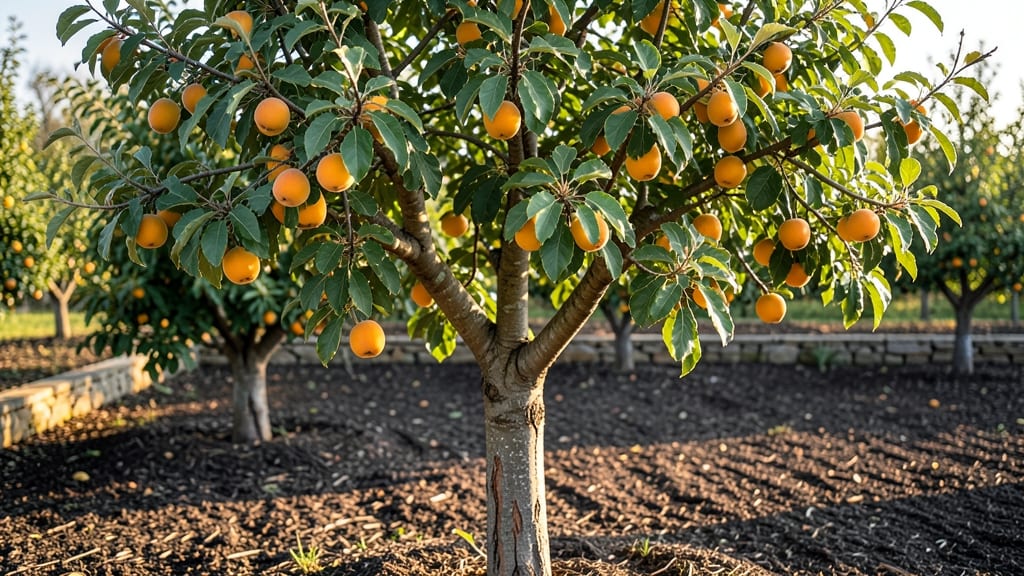
Growing apricots on a tree means your backyard becomes a sun-drenched orchard by midsummer—if you time the pruning right. 🌞 I learned the hard way that skipping winter cuts leads to tangled branches and half the fruit never ripening.
The key is working with the tree's natural rhythm, not against it.
Start with the basics: a well-drained spot with 6-8 hours of sun, rich soil, and consistent watering—especially during flowering and fruit set. Apricots are finicky about frost too; young trees need protection until they're established.
My first tree nearly died from late spring frosts until I wrapped it like a burrito.
By mastering the 4-season pruning calendar, you'll see stronger branches, more blossoms, and fruit that's sweeter than anything from the store. The secret? Cutting back in late winter to open the canopy, shaping in summer to encourage airflow, and cleaning up dead wood in fall.
Every snip makes a difference.
Even experienced gardeners struggle with pests like aphids or birds eyeing your crop—here's where the real magic happens. With the right timing and techniques, your apricot tree will reward you with golden, juicy fruit that tastes like summer in a single bite.
Let's get those pruners sharp and start shaping your future harvest.
📚 In This Guide
- What you need
- Instructions
- Tips and common mistakes
- Wrapping up and next steps
What you need
- ● Pruning shears: Bypass pruners (for small branches, 3–5 inches long) or anvil pruners (for thicker branches, 6+ inches). Must be sharp and sterilized!
- ● Loppers: 8–12 inches long, for branches up to 2 inches thick.
- ● Pruning saw: Curved-tooth saw for branches thicker than 2 inches.
- ● Gloves: Heavy-duty gardening gloves (cut-resistant for safety).
- ● Disinfectant: 70% rubbing alcohol or a 10% bleach solution (to clean tools between cuts).
- ○ Pruning sealant (optional): Tree wound paint (for cuts larger than ½ inch).
- ● Ladder or step stool: For reaching higher branches (if your tree is mature).
- ● Know your apricot tree’s age: Young trees (1–3 years) need light pruning; mature trees (4+ years) require structured shaping.
- ● Weather check: Prune on a dry, cloudy day (avoid frost or extreme heat).
- ● Safety first: Wear long sleeves/pants and eye protection (twisting branches can snap!).
- ● Cleanup supplies: Heavy-duty trash bags (for debris) and a rake (to gather fallen leaves/branches).
- ● ✨ Mark your calendar: Apricots need pruning in late winter (before buds swell) and summer (after harvest).
- ● 🔥 Tool maintenance: Sharpen blades annually and oil hinges to prevent rust.
- ● 🌡️ Avoid over-pruning: Never remove more than 25% of the tree’s canopy in one session!
Step-by-Step pruning calendar for your apricot tree
Here's my foolproof seasonal schedule to keep your tree healthy and bursting with fruit.
⏰ Step 1: Late Winter (Before Bud Break)
Prune in late February or early March, just as buds begin to swell but before any leaves appear. This timing prevents disease spread and gives wounds time to heal before spring growth. I always start by removing any dead, diseased, or crossing branches first—these are the easiest to spot when the tree is dormant.
Use sharp, clean pruning shears to make cuts at a 45-degree angle, about ¼ inch above an outward-facing bud. This encourages new growth to angle away from the center, improving airflow and sunlight penetration. If you see any branches thicker than your thumb, consider thinning them out to reduce weight on the tree's structure.
✂️ Step 2: Early Summer (After Harvest)
Wait until June or July, after the main fruit harvest, to do your second prune. This is when you shape the tree and encourage next year's fruit production. Focus on removing any "water sprouts"—those vigorous, upright shoots that grow straight up from the trunk or branches. These compete with fruit production and weaken the tree's structure.
Lightly trim any branches that grew too vigorously during the spring flush. You don't need to be aggressive here—just enough to maintain an open center and good airflow. This is also the perfect time to remove any suckers growing from the base of the tree, as they drain energy from fruit production.
🌿 Step 3: Late Summer (Preparing for Winter)
In August or early September, give your apricot tree a final light pruning to prepare it for winter. This isn't about heavy cutting—just tidying up any branches that grew out of place during the summer. Remove any branches that are rubbing against each other, as these will create wounds that invite disease.
Pay special attention to the tree's overall shape. Apricot trees naturally grow with a vase-like shape, so aim to maintain that open center. If any branches are growing too close together, thin them out to improve sunlight exposure. This final prune helps the tree enter dormancy in better condition, ready to burst with new growth in spring.
💧 Step 4: Year-Round Maintenance (Between Prunes)
Between scheduled prunes, keep an eye out for any branches that need attention. If you notice a branch dying back due to disease or pest damage, remove it as soon as you see it. The key is to act quickly—don't wait until the next scheduled prune if a branch is clearly compromised.
Also watch for any branches that have become too heavy with fruit. While apricots are delicious, too much weight can cause branches to break. If you see a branch bending significantly under the weight of fruit, consider thinning some of the fruit to lighten the load. This is especially important in wet years when fruit can become very heavy.
Tips & tricks for pruning apricot trees
Here's what I wish I'd known when I first started pruning my apricot tree—these tricks will help you avoid common mistakes and get the best results.
Timing is Everything: The late February/early March window for Step 1 is critical because it's when the tree is still dormant but buds are just starting to swell. I learned this the hard way after pruning too early one year—my tree developed fungal issues from the fresh cuts. If you miss this window, wait until buds are fully swollen but still haven't opened. For Step 2 in June/July, I always mark my calendar right after harvest as a reminder, because that's when the tree is most receptive to shaping.
Cutting Technique Matters: That 45-degree angle in Step 1 isn't just for looks—it helps water run off the cut, preventing rot. I use a sharp bypass pruner (never dull shears!) and always cut just above an outward-facing bud. Pro tip: If you're unsure which way the bud faces, make your cut slightly higher than you think you need to—you can always trim more later. For thicker branches, I make the first cut about 6 inches from the trunk, then the final cut at the right angle to prevent tearing.
Shape Matters More Than You Think: Apricot trees naturally grow in a vase shape, and maintaining that open center in Step 3 is what keeps your tree productive for decades. I always visualize sunlight streaming through the center when I prune. If you're unsure about a cut, ask yourself: "Will this allow more light and air to reach the center?" If not, reconsider. For young trees, I aim to keep the lowest branches about 3 feet off the ground to make harvesting easier later.
Year-Round Vigilance: Between scheduled prunes, I make it a habit to do a quick "health check" every time I'm near the tree. Look for branches that are dying back (they'll have brown, brittle wood) or those heavy with fruit that are bending dangerously. I've found that removing just a few fruit from overloaded branches prevents breakage and actually improves the quality of the remaining fruit. In wet years, this is especially important—heavy fruit plus rain equals broken branches.
Pro Tips for Apricots On A Tree
- Here's what I wish I'd known when I first started pruning my apricot tree—these tricks will help you avoid common mistakes and get the best results.
- Timing is Everything: The late February/early March window for Step 1 is critical because it's when the tree is still dormant but buds are just starting to swell.
- Cutting Technique Matters: That 45-degree angle in Step 1 isn't just for looks—it helps water run off the cut, preventing rot.
Frequently asked questions
Got questions about growing and pruning apricot trees for the best harvest? Here are some of the most common concerns—plus quick answers to help you keep your tree thriving!
When is the best time to prune an apricot tree?
The ideal time to prune is late winter or early spring (before buds swell but after the worst cold snaps). Avoid pruning in fall—it can stimulate new growth that’s vulnerable to frost. For established trees, a light summer pruning (after harvest) helps airflow and fruit quality.
How do I know if my apricot tree needs pruning?
Watch for these signs:
- Overcrowded branches (blocking sunlight or fruit)
- Dead or diseased wood (dark, shriveled, or oozing sap)
- Crossing branches (rubbing against each other)
- Too many water sprouts (thin, fast-growing shoots)
Can I prune apricot trees in winter?
Yes, but with caution! Prune only on warmer winter days (above 40°F/4°C) to avoid stressing the tree. Avoid heavy pruning in deep freeze—it can invite pests or fungal diseases. If you must prune in cold weather, do it gradually over a few sessions.
What tools do I need for apricot tree pruning?
Essential tools include:
- A sharp bypass pruner (for small branches)
- Loppers (for thicker branches, ½–1½ inches)
- Pruning saw (for large limbs)
- Disinfectant (rubbing alcohol or bleach solution)
- Gloves & safety glasses (to protect from thorns and debris)
What if my apricot tree isn’t producing fruit?
Low fruit production often stems from:
- Poor pruning (too aggressive or none at all)
- Lack of sunlight (shady spots reduce blooms)
- Improper pollination (plant a second apricot variety nearby)
- Nutrient deficiencies (test soil for nitrogen/phosphorus)
Wrapping up and next steps
Growing apricots on a tree is a rewarding journey that blends patience with precision!
By following this seasonal pruning calendar, you’ll unlock healthier trees, bountiful harvests, and fruit that’s sweeter than ever. 🌱 Whether you’re a newbie or a seasoned gardener, every trim brings you closer to that perfect apricot-on-a-tree moment.
Ready to take the next step? Grab your pruners, mark your calendar, and start pruning—your future apricot feasts will thank you! For extra guidance, download our pruning checklist or join a local gardening group to share tips and triumphs.