
Pruning
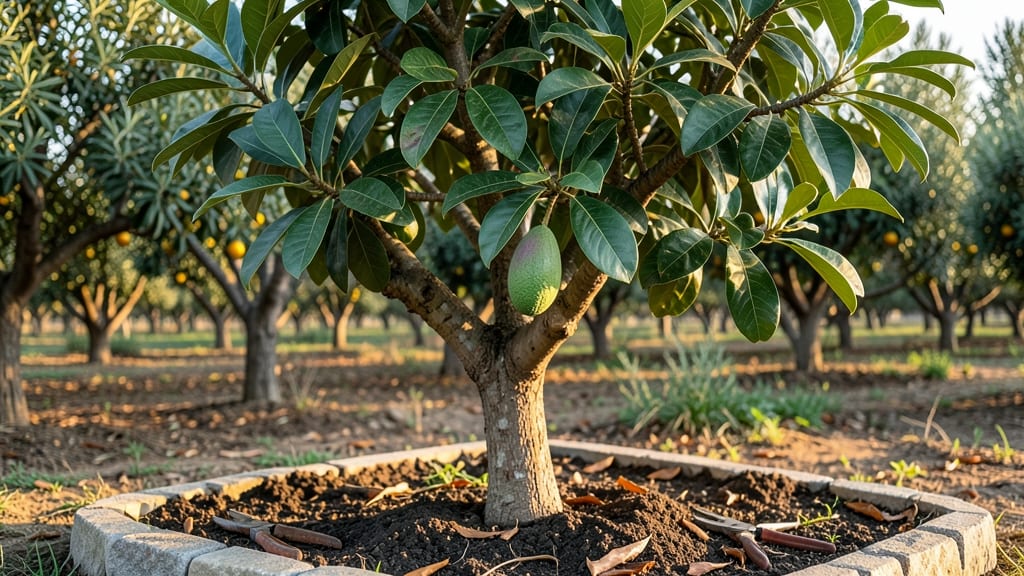
Avocado tree cultivation in the Pacific Northwest feels like defying the odds—until you see those first glossy leaves. 🌿 The secret isn’t just frost resistance; it’s matching the right variety, soil, and care to our cool, wet climate.
I’ve grown Hass and Fuerte trees here for years, and they thrive with the right adjustments.
Start with well-draining soil mixed with compost—avocados hate soggy roots. Plant in a sheltered spot where temperatures stay above 25°F, and use a 5-gallon container if frost is a risk. Water deeply but let the top inch dry between waterings; overwatering is the #1 killer of young trees.
Pruning in late winter keeps the shape manageable, and a grow light in winter extends daylight hours. By summer, you’ll see new growth—and maybe even a tiny fruit. The key is patience; these trees take 3–5 years to bear, but the payoff is worth it.
Whether you’re growing in a greenhouse or a sunny patio, these tips adapt to your space. Let’s get those trees off to the right start—because nothing beats the satisfaction of homegrown avocados, even in PNW winters.
📚 In This Guide
- What you need
- Instructions
- Tips and common mistakes
- Wrapping up and next steps
What you need
- ● Avocado Seedlings or Grafted Trees: 1-2 frost-resistant avocado varieties (e.g., Mexicola or Hass—check local nurseries for PNW-adapted options).
- ● Seedlings: 1-2 (germinated from pits or purchased).
- ● Grafted trees: 1 (for faster fruiting and disease resistance).
- ● Soil & Fertilizer: Well-draining potting mix (50% coco coir, 30% perlite, 20% compost) for seedlings.
- ● Outdoor planting: Loamy, slightly acidic soil (pH 6.0-7.0) + 10 lbs of compost per planting hole.
- ● Balanced organic fertilizer (e.g., 10-10-10 or fish emulsion) for young trees.
- ● Citrus/micro-nutrient blend (avocados love zinc and magnesium!).
- ○ Growing Containers (Optional but Recommended for PNW): Large fabric grow bags (15-20 gallons) or plastic pots with drainage holes (for seedlings or young trees).
- ● Container size for mature trees: Minimum 30+ gallons (avocados hate root-binding!).
- ● Tools: Trowel or transplant spade for digging.
- ● Pruning shears (sterilized to prevent disease).
- ● Grafting tools (if propagating from seed).
- ● pH testing kit (to monitor soil acidity).
- ● Mulch (straw or wood chips) to protect roots from frost.
- ● Frost Protection: Frost cloth or row covers for young trees.
- ● Heating mat or greenhouse setup for seedlings.
- ● Pollination Aids: Hand pollination kit (avocados are self-pollinating but benefit from a gentle brush!).
- ● Monitoring Tools: Moisture meter (avocados hate soggy roots!).
- ● Sunlight tracker (aim for 6+ hours of direct light daily).
Step-by-Step guide to cultivating frost-resistant avocado trees in the Pacific Northwest
Here's how I've mastered growing avocados where most gardeners give up—using cold-hardy varieties and smart protection.
🌱 Step 1: Select the Right Variety and Start Your Seedling
For the Pacific Northwest's cooler climate, choose Mexican or Guatemalan cultivars like Hass or Reed, which tolerate 28-32°F better than standard types. I always start with a seed from a store-bought avocado—it's free and teaches patience. The key is not planting the seed directly but nurturing it through the germination phase first.
After removing the pit, wash off any fruit residue and dry it thoroughly. Stick 4-5 toothpicks around the middle, suspend it over a glass of water with just the bottom ¼ inch submerged, and change the water every 3 days. In 2-8 weeks, you'll see roots emerge first, followed by a tiny sprout. This is your first frost-resistance test—weak seedlings won't survive our winters.
🪴 Step 2: Transition to Soil and Provide Winter Protection
Once the seedling has 3-4 leaves and 3-inch roots, transplant it into a 6-inch pot with well-draining cactus/succulent mix. Avocados hate soggy roots, so I add perlite to prevent compaction. Place the pot in bright, indirect light—no direct sun yet. Here's the critical part: harden off by moving it outdoors for 1 hour daily during mild days, gradually increasing time as temperatures rise above 50°F.
For winter survival, I use a two-layer protection system. First, wrap the pot in bubble wrap to insulate roots. Then, cover the entire plant with a frost blanket when nighttime temps drop below 35°F. In extreme freezes below 28°F, move the potted tree to an unheated garage or basement where temps stay above 40°F. The goal is to protect the cambium layer—the growth ring just under the bark—that's most vulnerable to cold damage.
☀️ Step 3: Establish Outdoor Location and Gradual Acclimation
After the last frost date (typically mid-May in PNW), choose a south-facing spot with 6+ hours of sunlight and wind protection. Avocados need warmth to fruit, so I place mine against a sunny brick wall that absorbs and radiates heat. Dig a hole twice as wide as the root ball but only as deep—planting too deep suffocates the roots. Mix the removed soil with compost and slow-release fertilizer before backfilling.
Watch for leaf scorch—a sign of too much sun. If new growth looks yellow or crispy, provide afternoon shade for the first 2 weeks. Water deeply once a week (more in summer), letting the soil dry 2-3 inches down between waterings. The key is consistent moisture—avocados hate both drought and waterlogged roots. I test soil moisture by sticking my finger 2 inches deep—if it feels dry, it's time to water.
✂️ Step 4: Prune for Shape and Fruit Production
Pruning isn't just about aesthetics—it's about airflow and fruit development. I prune twice a year: once in late winter to remove dead branches, and again in early summer to shape the tree. Use clean, sharp pruners and cut just above a leaf node where new growth will emerge. Never remove more than 25% of the canopy in one session—this stresses the tree and reduces frost hardiness.
For fruit production, look for flower buds that form in spring. These appear as small, yellow-green clusters along the branches. Here's the trick: pollinate by hand using a small paintbrush to transfer pollen between flowers. Avocados are self-pollinating but inefficient—this boosts fruit set. Once fruit appears, thin to 3-4 per branch to prevent overburdening the tree, especially in cooler climates where trees struggle to support heavy crops.
Tips & tricks for cultivating frost-resistant avocado trees
Mastering avocado cultivation in the Pacific Northwest's chilly climate takes patience and precision—here's how to give your tree the best shot at survival and fruitfulness.
Seedling Selection: The 2-8 week germination window is your first opportunity to evaluate frost resilience. Look for seedlings that sprout within 4 weeks—these tend to develop stronger root systems faster. I've found that seedlings with more than 3 leaves by week 5 establish better in cooler climates. Discard any that show signs of mold or slow growth, as these won't handle our winters.
Hardening Off Strategy: When you begin the 1-hour daily outdoor acclimation in Step 2, pair it with a gradual temperature increase. Start when daytime temps reach 50°F but nighttime temps stay above 40°F. I extend outdoor time by 30 minutes every 3 days until the seedling can handle full sun. This slow transition prevents shock that could weaken frost resistance later.
Winter Protection Layering: The two-layer system works best when implemented at specific temperature thresholds. Begin with bubble wrap when nighttime temps drop to 35°F, then add the frost blanket when temps approach 32°F. For extreme freezes below 28°F, I move the entire potted tree to my garage—this creates a microclimate that stays above 40°F. The key is monitoring your local forecast and acting before temperatures drop, not after.
Soil Moisture Management: The 2-inch deep soil moisture check is crucial, but timing matters more than you'd think. In winter, reduce watering to every 10-14 days since the tree's growth slows. Overwatering during dormancy can cause root rot, which makes trees more vulnerable to frost damage. I always check moisture in the morning when soil is naturally drier from overnight evaporation.
Pro Tips for Avocado Tree Cultivation
- Mastering avocado cultivation in the Pacific Northwest's chilly climate takes patience and precision—here's how to give your tree the best shot at survival and fruitfulness.
- Seedling Selection: The 2-8 week germination window is your first opportunity to evaluate frost resilience.
- Hardening Off Strategy: When you begin the 1-hour daily outdoor acclimation in Step 2, pair it with a gradual temperature increase.
Frequently asked questions
Got questions about growing avocado trees in the Pacific Northwest?
You’re not alone! Here are answers to the most common concerns—from frost worries to harvest timing—so you can cultivate a thriving tree with confidence.
Can avocado trees really survive PNW winters?
Most avocado varieties (Persea americana) need temperatures above 20°F (-7°C) to thrive long-term. In the PNW, opt for frost-resistant hybrids like ‘Hass’ (with protection) or grow them in containers to move indoors during cold snaps. Microclimates near south-facing walls or greenhouses also help!
How long does it take for an avocado tree to bear fruit?
Patience is key! Dwarf varieties may produce fruit in 3–5 years, while standard trees can take 5–10 years. To speed things up, ensure your tree gets full sun (6+ hours/day), well-draining soil, and regular watering—especially during the first 2 years. Pollination (by bees or hand-pollinating) is also critical for fruit set.
What’s the best way to protect my avocado tree from frost?
Use a multi-layered approach:
- Coverings: Burlap or frost cloth draped over the tree (secure with stakes).
- Heat sources: String lights or a small heater (keep it 3+ feet away to avoid fire risks).
- Water trickle: A slow drip near the roots releases heat as it freezes.
- Container move: If potted, roll it into a garage or sunroom.
Monitor forecasts and act before temps drop below 32°F (0°C).
Can I grow an avocado tree from a pit? Will it be cold-hardy?
Yes! Sprouting an avocado pit is fun and easy, but homegrown trees are rarely frost-tolerant. They’ll stay small (1–3 feet tall) and produce inedible, seed-like fruit—not the creamy avocados you crave. For cold-hardy trees, buy a grafted nursery plant labeled for your zone (e.g., ‘Mexicola’ or ‘Lamb Hass’ hybrids).
Why are my avocado tree’s leaves turning brown or yellow?
Brown/yellow leaves usually signal overwatering, underwatering, or nutrient issues. Check the soil:
Soggy soil? Avocados hate “wet feet”—improve drainage with perlite or sand.
Dry, crispy edges? Water deeply 1–2 times/week (more in summer).
Pale yellow leaves? Feed with citrus/avocado fertilizer (high in zinc and iron).
Brown spots? Fungal disease—prune affected areas and avoid overhead watering.
Pro tip: Mulch with wood chips to retain moisture and regulate soil temp!
Wrapping up and next steps
Cultivating a frost-resistant avocado tree in the Pacific Northwest is absolutely doable—with the right variety, care, and a little patience! 🌱 From selecting cold-hardy Hass or Reed avocados to mastering pruning techniques and protecting your tree from winter chills, you’re now equipped with the knowledge to grow a thriving avocado tree even in cooler climates.
Ready to take the next step? Start by planting your chosen sapling in a sunny, sheltered spot and keep an eye on its growth. With time, you’ll be enjoying homegrown avocados straight from your garden—what’s more rewarding than that? 🥑✨