
Pruning
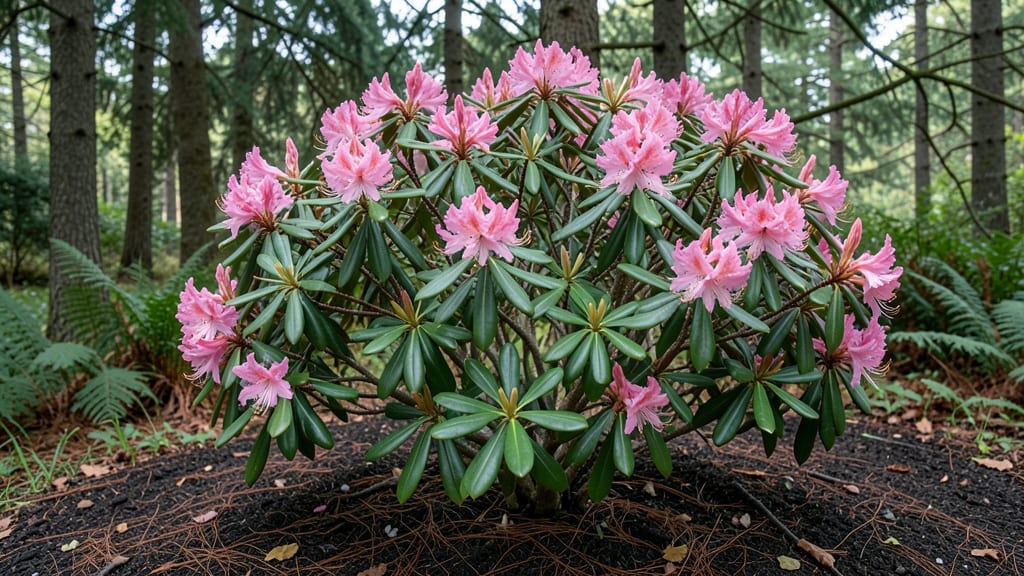
Your Pacific Northwest garden deserves a pink rhododendron tree that thrives through winter’s chill and blooms boldly every spring. I’ve pruned mine for five years now, and the secret isn’t just timing—it’s understanding how these tough evergreens grow.
They reward patience with glossy leaves and clusters of pink flowers that last for weeks, even when other shrubs are still dormant.
The right approach means pruning after blooms fade but before new buds form, using sharp shears to shape without over-thinning. These trees handle frost better than most, but they still need well-draining, acidic soil and morning sun with afternoon shade.
My biggest mistake? Skipping the mulch—now I top-dress with pine needles every fall to keep roots cozy through winter. The payoff? A plant that looks effortless but actually knows exactly how to survive your climate.
You’ll end up with a tree that’s both a statement piece and a low-maintenance workhorse—vibrant pink blooms in spring, glossy foliage all summer, and a sturdy structure that holds up to wind and rain.
The key is pruning in layers: first to remove dead wood, then to shape, and finally to encourage next year’s flowers. Even if you’re new to pruning, rhododendrons forgive mistakes better than most shrubs.
Works beautifully as a focal point under tall pines, mixed into a woodland garden, or even as a container specimen for patios. Once established, they need minimal care beyond an annual prune and occasional watering. Let’s get yours looking its best for years to come.
📚 In This Guide
- What you need
- Instructions
- Tips and common mistakes
- Wrapping up and next steps
What you need
- ● Pruning shears: Bypass pruners (sharp, clean, and sterilized with rubbing alcohol or bleach solution—1 pair).
- ● Loppers: For thicker branches (1 pair, 6–8" cutting capacity).
- ● Hand pruners: For delicate trimming (1 pair, ergonomic grip recommended).
- ● Garden gloves: Heavy-duty, cut-resistant (1 pair—thorns can be sneaky!).
- ● Disposable pruning bags: To collect clippings (2–3 bags, 3–5 gallon size).
- ● Rubbing alcohol (70%+) or bleach solution: For sterilizing tools (1 small bottle or 1:10 bleach-water mix).
- ● Sharpie or permanent marker: For labeling cuts (1 marker).
- ● Pruning saw: For stubborn, thick branches (1 saw, curved blade preferred).
- ● Tree wound dressing: (Controversial but useful for large cuts—1 small tub).
- ● Ladder or step stool: For hard-to-reach branches (1 stable unit, 6–8 ft height).
- ● Hose with nozzle: To clean tools and rinse sap off cuts (1 garden hose).
- ● Notebook & pen: To track pruning progress or notes on the tree’s health.
- ● Knowledge of your rhododendron’s variety and age—younger trees need lighter pruning!
- ● Awareness of the last frost date in your PNW zone (prune after frost risk has passed).
- ● Clear, dry weather (50°F+) to avoid stressing the tree.
- ● Access to compost or mulch for post-pruning care.
Frost-resistant pruning techniques for Pacific Northwest pink rhododendrons
Here's how to keep your pink rhododendrons thriving through winter's chill while encouraging vibrant spring blooms.
Time Your Pruning for Optimal Recovery
Wait until late winter or early spring, just as new buds begin swelling but before any leaves emerge. This timing ensures you're not cutting back growth that could have survived winter. In the Pacific Northwest, aim for February through March—after the worst cold snaps but before active growth begins.
Look for plump, elongated buds along the stems. These are your signal that the plant is preparing to grow. If you prune too early, you risk removing next year's flower buds, which form on last year's growth. If you wait too long, you may encourage tender new growth that won't survive late frosts.
Remove Dead or Damaged Wood First
Start by inspecting the entire plant for brown, dry branches or those with broken bark. These are easy to spot—they'll be crispy to the touch and won't bend. Use clean, sharp pruners to make 45-degree cuts just above a healthy bud or branch junction. This prevents water from pooling at the cut site, which can lead to rot.
Don't worry about making perfect cuts—focus on removing everything that looks compromised. Healthy wood should be firm and green underneath the bark. If you're unsure, make a small scratch with your fingernail. If green appears, the branch is still alive.
Thin Out Crowded Branches for Better Airflow
Next, focus on the plant's structure. Look for branches that cross or rub against each other—these create weak points where disease can enter. Remove about one-third of the oldest branches to encourage new growth from the base. This also improves airflow, which is crucial for preventing fungal issues in the damp Pacific Northwest climate.
When thinning, cut back to the main stem or a strong lateral branch. Avoid leaving stubs—always make your cut just outside a bud or branch collar. You'll see the plant's natural shape emerge as you work, with more light reaching the center where new growth will thrive.
Shape the Plant for Frost Resistance
Now it's time to shape the plant. Rhododendrons benefit from an open, rounded form that allows snow to slide off easily. Avoid creating a dense canopy that can trap moisture and freeze. Step back frequently to check your progress—you want to see light filtering through the branches.
For larger branches, use loppers to make clean cuts. For smaller ones, hand pruners work best. After each cut, wipe your tools with rubbing alcohol to prevent spreading disease. The goal is to create a plant that looks natural but is structurally sound enough to handle winter winds and snow loads.
Clean Up and Protect New Growth
Once you've finished pruning, gather all the clippings and dispose of them in the trash—not the compost pile. Rhododendron debris can harbor pests and diseases that might reinfect your plant. Sterilize your pruners with rubbing alcohol before putting them away.
After pruning, give your rhododendron a light application of mulch (about 2-3 inches) around the base, keeping it several inches away from the trunk. This helps insulate the roots from temperature swings. Water deeply if the soil feels dry, but avoid overwatering—your plant should go dormant soon.
Tips & tricks for perfect pink rhododendron pruning
These practical tips will help you prune your Pacific Northwest pink rhododendrons with confidence—avoiding common mistakes that can stress your plant.
Timing is Everything: The February through March window is critical because it balances frost risk with new growth readiness. I've seen plants pruned too early lose next year's flower buds entirely—those buds form on last year's growth, so don't rush. If you're unsure, check for those plump, elongated buds along the stems as your go signal. In particularly cold winters, you might need to wait until late March to be extra safe.
Tool Prep Prevents Problems: Sterilizing your pruners between cuts is non-negotiable in the Pacific Northwest's damp climate. I keep rubbing alcohol handy and wipe tools after every 3-4 cuts. This simple step prevents spreading fungal diseases that thrive in our region's moisture. Also, make sure your pruners are sharp—dull blades crush stems instead of making clean cuts, which stresses the plant and invites infection.
Structural Strategy for Frost Resistance: When shaping your rhododendron in Step 4, aim for that open, rounded form that lets snow slide right off. I like to visualize a dome shape—this prevents snow buildup that can weigh down branches. For larger branches, use loppers to make clean cuts at a 45-degree angle just outside the branch collar. This technique prevents water pooling at the cut site, which is especially important in our rainy climate.
Mulching Matters More Than You Think: That 2-3 inch layer of mulch after pruning isn't just decoration—it's insulation for your plant's roots. I always keep mulch several inches away from the trunk to prevent rot. For extra protection in particularly harsh winters, consider adding a layer of evergreen boughs over the mulch. This creates a microclimate that shields roots from temperature swings, which is crucial for these frost-sensitive pink varieties.
Pro Tips for Pink Rhododendron Tree
- These practical tips will help you prune your Pacific Northwest pink rhododendrons with confidence—avoiding common mistakes that can stress your plant.
- Timing is Everything: The February through March window is critical because it balances frost risk with new growth readiness.
- Tool Prep Prevents Problems: Sterilizing your pruners between cuts is non-negotiable in the Pacific Northwest's damp climate.
Frequently asked questions
about your pink rhododendron tree—especially in the Pacific Northwest’s frost-prone climate—can save you time and stress. Here are answers to the most common queries from gardeners just like you!When is the best time to prune my pink rhododendron?
Prune your rhododendron right after flowering (late spring to early summer) to avoid cutting off next year’s blooms. Never prune in fall or winter—this can expose tender growth to frost damage. If you missed the window, wait until early spring before new buds appear.
How do I protect my rhododendron from frost in the PNW?
Pink rhododendrons are generally frost-resistant, but young plants or late frosts can cause damage. Mulch heavily (3–4 inches of wood chips or pine needles) around the base, and water deeply before winter to help roots withstand cold. Avoid pruning in late fall—this can stress the plant.
Can I prune too much? What if my rhododendron looks sad?
Yes! Over-pruning can weaken your rhododendron. Never remove more than 1/3 of the plant at once, and avoid "heading back" (cutting into old wood). If your tree looks sparse, focus on shaping lightly and removing dead or crossing branches. Yellowing leaves? Check for overwatering or nutrient deficiency.
Are there frost-resistant alternatives to pink rhododendrons?
If you love pink blooms but want extra cold hardiness, consider Rhododendron ‘Pink Pearl’ (Zone 3) or Azalea ‘Girard’s Pink’ (Zone 4). For low-maintenance options, Pieris japonica (andromeda) or Viburnum ‘Pink Dawn’ thrive in PNW winters with minimal pruning.
Why are my rhododendron leaves turning brown or crispy?
Brown edges or crispy leaves often signal underwatering, overwatering, or frost damage. Check soil moisture—rhododendrons prefer consistently moist but well-draining soil. If leaves curl or drop after frost, trim damaged areas in early spring. Never prune dead branches in winter—wait until new growth starts.
Pro Tip:
Use clean, sharp pruners (disinfected with rubbing alcohol) to avoid spreading disease. And if your rhododendron isn’t blooming? It might need more sunlight—these trees thrive in partial shade but need a few hours of morning sun for vibrant pink flowers!
Wrapping up and next steps
The pink rhododendron tree is a stunning, frost-resistant gem that thrives in the Pacific Northwest’s climate—when pruned with care! By mastering the right techniques, timing, and tools, you’ll keep your shrub healthy, blooming beautifully, and resilient against winter’s chill. 🌸
Ready to transform your garden? Grab your pruners and start pruning with confidence! For even more tips, explore our seasonal pruning guide or connect with local gardening groups to share your progress. Happy pruning—your rhododendron will thank you with vibrant blooms year after year! ✂️🌿