
Pruning
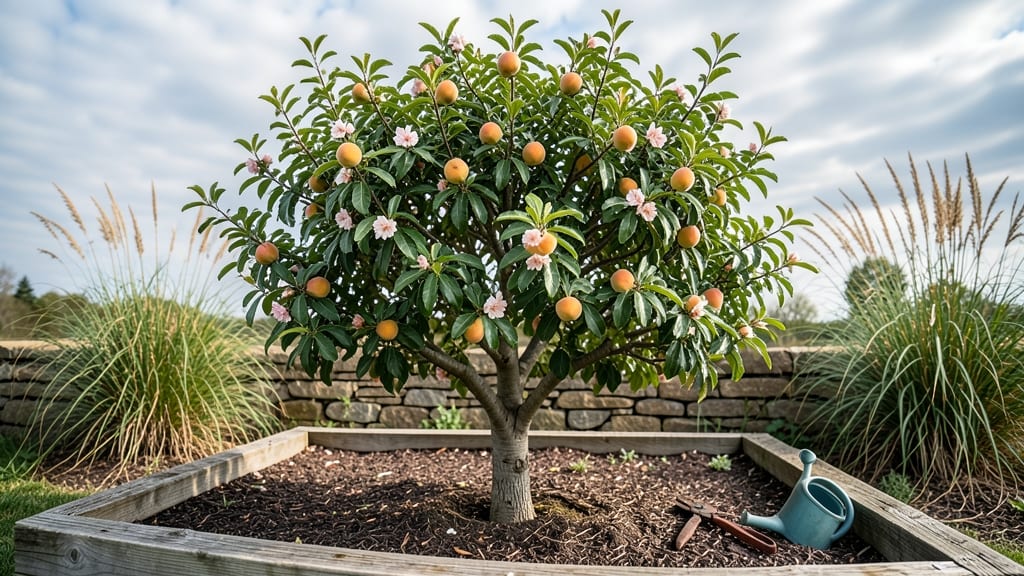
Planting a backyard peach tree this spring could change your summer fruit game forever. 🌱 I’ve grown mine from a bare root sapling to a tree that produces enough peaches to share with neighbors—and the secret isn’t just the soil or water, but how I prune for frost resistance.
That first harvest of juicy, sweet peaches, fresh off the tree, makes every early morning pruning session worth it.
Most people overlook frost-resistant pruning, but it’s what keeps your tree alive through winter and ensures strong growth come spring. You’ll need basic tools—a sharp pruner, gloves, and a ladder for taller branches—and a little patience to learn the right cuts.
The goal is to shape the tree so sunlight reaches all branches, which means less stress for the tree and more fruit for you.
By late summer, you’ll be harvesting ripe peaches that taste like nothing from the grocery store. The tree’s branches will be sturdy, the fruit plentiful, and the whole process will feel like a rewarding cycle of care and harvest.
This method works for any backyard space, whether you’re in a suburban yard or a small urban plot.
Ready to turn your backyard into a peach paradise? We’ll cover everything from choosing the right variety to keeping pests at bay, so you can enjoy fresh fruit for years to come.
📚 In This Guide
- What you need
- Instructions
- Tips and common mistakes
- Wrapping up and next steps
What you need
- ● Peach Tree Sapling: Choose a frost-resistant variety (e.g., ‘Reliance,’ ‘Redhaven,’ or ‘Elberta’). Buy from a reputable nursery—ensure it’s 1-2 years old and hardy to your USDA zone (Zones 5-9 for most varieties).
- ● Shovel: A round-point or digging shovel (18–24 inches long) for planting.
- ● Pruning Tools: Pruning Shears: Bypass pruners (sharp, 6–8 inch blades) for small branches.
- ● Pruning Saw: For thicker branches (3+ inches in diameter).
- ● Loppers: Bypass loppers (20–24 inch handles) for medium branches.
- ○ Grafting Knife (Optional): If propagating from cuttings or grafting.
- ● Gloves: Heavy-duty gardening gloves (cut-resistant for pruning).
- ● Watering Can or Hose: With a gentle spray nozzle (5+ gallons capacity).
- ● Mulch: Organic mulch (wood chips, straw, or pine bark) 2–4 inches deep for root protection.
- ● Fertilizer: Balanced Fertilizer (10-10-10 or 8-3-9): 1–2 lbs per young tree (spring/fall).
- ○ Citrus/ Fruit Tree Fertilizer (Optional): For extra nutrients (follow package rates).
- ● Disinfectant: Rubbing alcohol (70%+) or bleach solution (1 part bleach to 9 parts water) to sterilize tools between cuts.
- ○ Pruning Sealant (Optional): For large cuts (>1 inch diameter) to prevent disease.
- ● Tarp or Plastic Sheeting: To protect the tree from late frosts (if in Zones 5-6).
- ○ Stakes & Twine (Optional): For young trees needing support (2–3 4-foot wooden stakes + soft twine).
- ● Location: Full sun (6–8+ hours/day) and well-draining soil (pH 6.0–7.0). Avoid low spots where frost lingers.
- ● Spacing: Plant 15–20 feet from structures, fences, or other trees.
- ● Timing: Planting: Late winter/early spring (before buds swell).
- ● Pruning: Winter Dormancy (Late Feb–March): Heavy pruning for frost resistance.
- ● Summer (June–July): Light pruning to improve airflow.
Step-by-step guide for planting and pruning a frost-resistant backyard peach tree
Here's how to establish a productive peach tree that thrives through seasonal changes.
🪴 Step 1: Choose and Prepare the Planting Site
Select a location with full sun exposure (at least 6-8 hours daily) and well-draining soil. Peaches hate soggy roots, so avoid low spots where water pools. I dig a hole twice as wide as the root ball but only as deep—planting too deep suffocates the graft union, which is critical for frost resistance.
Loosen the soil to 12 inches deep with a shovel or tiller. Mix in 2-3 inches of compost from your list to enrich the native soil without overwhelming it. The goal is loose, aerated soil that lets roots spread easily. Tap the sides of the hole gently to remove air pockets before adding your tree.
🌱 Step 2: Plant the Tree at the Right Depth and Water Thoroughly
Place the tree so the graft union sits 2-3 inches above soil level. This ensures cold air doesn't creep up and damage the vulnerable junction where the rootstock meets the scion. Fill the hole halfway with soil, then water deeply to settle it around the roots. I use a hose on gentle spray to avoid displacing the root ball.
Backfill the rest of the hole, pressing down lightly to eliminate air gaps. Create a 4-inch high berm around the base to direct water toward the roots. Water again until the soil 6 inches deep feels uniformly moist. Mulch with 3-4 inches of wood chips (keeping it 6 inches away from the trunk) to retain moisture and protect roots from temperature swings.
✂️ Step 3: Prune for Structure and Frost Hardiness
Wait until spring to prune new trees—never cut in fall or winter when the tree is dormant. Remove any branches growing inward or crossing others, then cut back the tallest stems to 18-24 inches to encourage a strong framework. I make cuts just above an outward-facing bud at a 45-degree angle to prevent water from pooling.
Thin out weak or damaged branches completely. The goal is an open center that allows sunlight and air to circulate—this reduces frost pockets where cold air can settle. Leave 4-6 main scaffold branches evenly spaced around the trunk. After pruning, apply a thin layer of dormant oil spray (if using) to smother overwintering pests.
☀️ Step 4: Maintain Through Seasons for Maximum Fruit Production
Water deeply once a week during the first growing season, aiming for 1-1.5 gallons per week depending on rainfall. Young trees need consistent moisture to establish roots, but avoid overhead watering after buds form—wet foliage invites fungal diseases. I water in the morning so leaves dry quickly.
In late winter, apply a 2-3 inch layer of mulch around the base (but never touching the trunk) to insulate roots. For frost-prone areas, wrap the trunk with tree guard or burlap during hard freezes. Prune again in late winter to remove any dead or diseased wood, and thin fruit clusters to 6-8 inches apart when they're 1 inch in diameter—this ensures larger, higher-quality peaches.
Tips & tricks for frost-resistant backyard peach trees
A few key strategies will help your peach tree thrive through every season—especially those tricky frosts.
Site Selection Wisdom: That 6-8 hours of daily sun is non-negotiable, but I've learned the hard way about microclimates. Avoid planting near large buildings or fences that block winter sun—this creates cold pockets where frost lingers. Also, test your soil's drainage by digging a hole and filling it with water: if it doesn't drain within 2 hours, amend with more compost or consider a raised bed. The goal is soil that feels like a well-wrung sponge, not a swamp.
Graft Union Protection: The 2-3 inches above soil level for your graft union is critical, but here's what nobody tells you—mark this spot with a small flag or paint mark before planting. As the tree grows, this reference point helps you monitor soil level changes. If you notice the union getting buried over time, add soil around the base to maintain that crucial elevation. This simple check prevents years of frost damage.
Pruning Precision: Those 18-24 inch stems after pruning might seem arbitrary, but I've found the sweet spot is actually 20-22 inches for most standard peach varieties. This height balances sunlight exposure with branch strength. When making your 45-degree cuts, use sharp pruners and cut just outside the bud—this prevents water from pooling on the cut surface. I also recommend sterilizing your tools with rubbing alcohol between cuts to prevent spreading disease.
Winter Care Strategy: That 2-3 inch mulch layer works wonders, but here's my pro move: I add a second layer of straw mulch (about 1 inch) right before the first hard frost. This extra insulation creates a thermal barrier that can make a 5°F difference in root zone temperature during freezes. Just remember to remove the straw in early spring before new growth appears to prevent rot.
Pro Tips for Backyard Peach Tree
- A few key strategies will help your peach tree thrive through every season—especially those tricky frosts.
- Site Selection Wisdom: That 6-8 hours of daily sun is non-negotiable, but I've learned the hard way about microclimates.
- Graft Union Protection: The 2-3 inches above soil level for your graft union is critical, but here's what nobody tells you—mark this spot with a small flag or paint mark before planting.
Frequently asked questions
Got questions about growing a backyard peach tree? You’re not alone! Here are some of the most common concerns—plus straightforward answers to help you grow confidently.
How cold can a peach tree tolerate?
A frost-resistant peach tree (like the Relenta or Redhaven varieties) can handle temperatures down to 15–20°F (-9 to -7°C) once established. Young trees or tender varieties may need winter protection, like burlap wraps or mulch. Pro tip: Plant in a sheltered spot to maximize cold hardiness!
When should I prune my peach tree?
Prune late winter to early spring (before buds swell) to shape the tree and remove dead wood. Avoid heavy pruning in fall—it can stress the tree before winter. Light summer pruning (after harvest) helps airflow and reduces disease risk. Timing tip: Wait until frost danger has passed!
How do I know if my peach tree is healthy?
A healthy tree has vibrant green leaves, no excessive leaf drop, and firm, plump fruit. Watch for peach leaf curl (twisted, puckered leaves) or brown rot (mushy fruit). Fix it: Clean tools between cuts, thin fruit for airflow, and apply copper fungicide if needed.
Can I grow a peach tree in a container?
Yes! Dwarf varieties (like Bonanza) thrive in 15–20 gallon pots with well-draining soil. Place containers in full sun and move them indoors or to a garage if temps drop below 20°F (-7°C). Container hack: Use self-watering pots to prevent drought stress!
Why aren’t my peaches ripening?
Peaches need 600–1,000 chill hours (below 45°F/7°C) to fruit well. If yours aren’t ripening, check:
- Location: Is it in full sun (6+ hours/day)?
- Water: Too much or too little can stress the tree.
- Pollination: Plant a second tree nearby if yours is self-pollinating.
Wrapping up and next steps
Growing a frost-resistant backyard peach tree is a rewarding journey that blends patience, care, and a little know-how. By selecting the right variety, mastering proper pruning techniques, and protecting your tree from harsh winters, you’re well on your way to enjoying homegrown, juicy peaches for years to come. 🌱✨
Now that you’re equipped with the essentials, take the next step: plant your tree this season! Start small—whether it’s a sapling or a grafted variety—and watch your backyard transform into a fruitful oasis. Happy growing! 🍑🌿