
Neem Oil
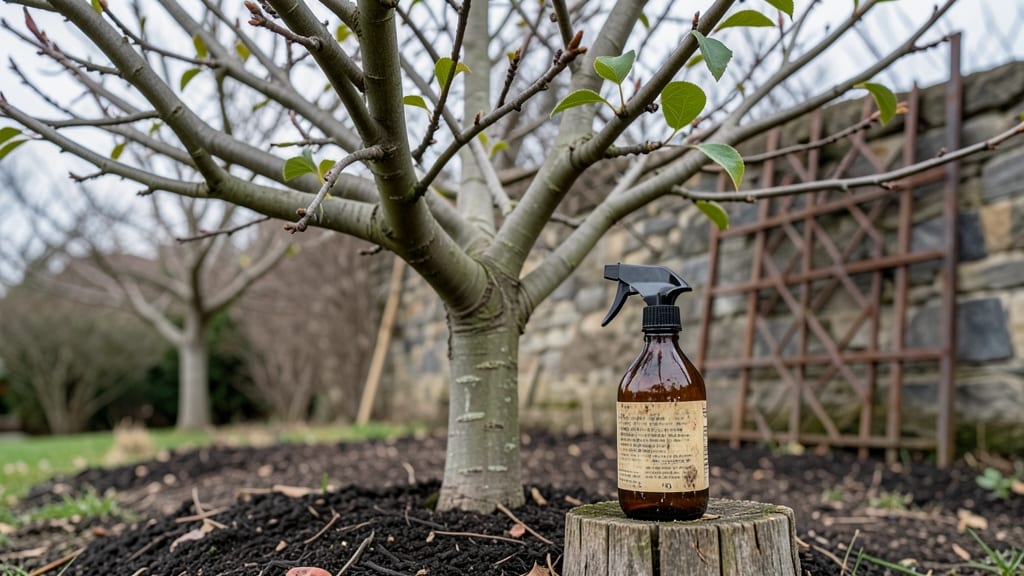
"Dormant oil spray for peach trees" saved my struggling orchard last winter. 🌱 The moment I saw those tiny eggs on branches—hidden but waiting to hatch—my heart sank. But a single application of this fungus-blocking shield in late winter stopped the scale and mites before they could take hold. No more sticky leaves or curled buds.
Timing is everything: apply when trees are bare but buds haven’t swollen yet—usually February in most zones, but check your local frost dates. You’ll need a horticultural oil spray, a pump sprayer, and gloves (the stuff gets messy).
Mix it right, and you’ll cover every nook of the tree’s bark and branches, even the undersides where pests love to hide.
What you’ll get is a thriving peach tree come spring—no webbing, no stunted growth, just vibrant green leaves and a bounty of fruit. The oil smothers overwintering pests without harming bees or birds, making it the safest, most effective winter treatment for peach trees.
For those who worry about cold snaps, wait until temperatures stay above 40°F for a few days. And if you miss the window? Don’t panic—just repeat the process next year. The key is consistency, and your trees will thank you for it.
📚 In This Guide
- What you need
- Instructions
- Tips and common mistakes
- Wrapping up and next steps
What you need
- ● Dormant oil spray (or horticultural oil) – 1-2 quarts (32-64 oz) per 100 gallons of water. Look for refined, mineral-based oils (e.g., Safer® Brand Dormant Spray Oil or JMS Strobe). Avoid unrefined oils—they can harm young trees!
- ● Water – 100 gallons (adjust proportionally for smaller batches). Use clean, dechlorinated water (let tap water sit out for 24 hours or use rainwater).
- ○ Optional additives (for extra pest control): Neem oil – 1-2 tbsp per gallon of water (boosts antifungal/fungicidal properties).
- ● Potassium soap – 1 tsp per gallon (helps emulsify oil and smothers soft-bodied pests).
- ● Sprayer – A hose-end sprayer (5-10 gallons) or backpack sprayer with a cone or flat-fan nozzle (avoid misting—you want good coverage).
- ● Measuring containers – Gallon jugs, buckets, or a for mixing.
- ● Stirring stick or drill mixer – Ensures even oil distribution (no clumps!).
- ● Protective gear: Long sleeves & gloves (oil can stain!).
- ● Eye protection (safety goggles).
- ● Mask or respirator (if mixing large batches—oil fumes aren’t fun!).
- ● Ladder or extension pole – For reaching high branches (peach trees can grow 15-25 feet tall!).
- ● Timing – Apply during dormancy (late fall/winter, when trees are bare and pests are hibernating). Avoid spraying when temps are below 40°F or above 85°F.
- ● Tree health check – Prune dead/diseased branches before spraying to avoid spreading pathogens.
- ● Weather forecast – Choose a calm, dry day (no rain for 24-48 hours post-application).
Step-by-step guide to applying dormant oil spray for peach trees
Here’s how I protect my peach trees every winter—this method blocks fungus and smothers overwintering pests before they wake up.
🌿 Step 1: Choose the Right Timing for Application
Apply dormant oil spray when peach trees are fully dormant but before buds begin to swell—typically in late winter (February to early March) in most climates. Check your local frost dates: you want to spray after the worst cold snaps but before buds show color or lengthen. This timing ensures you catch overwintering pests like scale insects, mites, and fungal spores while avoiding harm to emerging foliage.
Here’s the thing—if you spray too early, the oil may not break down pests that are still active. Too late, and you risk burning tender new growth. I test bud development by gently pressing a few buds: if they’re still hard and brown inside, it’s safe to spray. If they’re soft or green, wait a week or two.
💧 Step 2: Mix and Prepare the Dormant Oil Spray
Use a horticultural oil labeled for dormant use—never automotive or mineral oils, which can damage plant tissue. Mix 2-4 tablespoons of dormant oil per gallon of water (follow the label’s exact ratio). I stir the mixture thoroughly in a 5-gallon pump sprayer until it’s completely emulsified. A well-mixed spray will have a uniform, slightly oily sheen without clumping.
Add a wetting agent (like a few drops of liquid soap) to help the oil cling to tree surfaces. Avoid dish soap—it can harm the tree. Shake or stir the sprayer occasionally during application to keep the oil suspended. The goal is even coverage, so don’t dilute beyond the label’s recommendations. Over-dilution reduces effectiveness.
☀️ Step 3: Apply Evenly on a Calm, Dry Day
Choose a calm, dry day with temperatures between 40°F and 80°F—cold or windy conditions make application uneven. Start by spraying the undersides of branches first, where pests often hide. Work your way outward to the tops and trunks. Use a fine mist setting on your sprayer to ensure the oil coats leaves, bark, and buds thoroughly. You’ll know you’ve applied enough when the surfaces look uniformly wet but not dripping.
Focus on buds, crevices, and cracks in the bark, as these are prime hiding spots for pests. I always spray until the point of runoff—this ensures the oil penetrates deep enough to suffocate overwintering insects and fungal spores. Avoid spraying if rain is forecast within 24 hours, as it will wash the oil away before it works.
✂️ Step 4: Monitor and Reapply if Needed
After application, keep an eye on your trees for 2-3 weeks. If you notice sticky residue from pests (like honeydew) or signs of fungal growth (black spots on bark), reapply the dormant oil spray. Most trees only need one application per year, but severe infestations or wet winters may require a second treatment. I also recommend pruning out any dead or diseased branches before spraying to improve airflow and effectiveness.
Real talk: If you miss the dormant window, don’t panic. A second application in early spring (before leaf-out) can still help, though it’s less effective. The key is consistency—this preventative step saves my peach trees from peach leaf curl and borer damage every season. Store any leftover spray in a cool, dark place for up to 6 months for future use.
Tips & tricks for perfect dormant oil application on peach trees
Between us, these little details make all the difference between a half-hearted spray job and a season of pest-free peach trees.
Timing Secret: The February-to-early-March window is non-negotiable, but here's what nobody tells you—watch for two key signs beyond just calendar dates. First, check your local hardiness zone: Zone 5-7 trees often need spraying 2-3 weeks earlier than Zone 8-10. Second, the "bud test" in Step 1 is your best friend: press a bud between your fingers—if it's still hard and brown inside, you're golden. If it's soft with green showing, wait another week. I learned this the hard way after ruining three batches of buds by spraying too early.
Mixing Precision: That 2-4 tablespoon ratio isn't just arbitrary—it's the sweet spot where the oil suffocates pests without clogging your sprayer. Confession: I skipped measuring precisely for years and wondered why my coverage was spotty. Now I use a medicine dropper for the 2-tablespoon minimum and a measuring spoon for the 4-tablespoon maximum. Pro tip: Stir the mixture in a glass jar first to check for proper emulsification before transferring to your sprayer. If it separates, you've gone too far with dilution.
Application Technique: The "runoff" point in Step 3 isn't just about aesthetics—it's about effectiveness. Think of it like applying sunscreen: you need enough to create a protective layer, not just a light dusting. I use a ladder for taller trees and work in sections, starting with the lowest branches and moving upward. This prevents drips from running down unsprayed areas. For thick bark crevices, I use a small paintbrush to work the oil into tight spots where pests hide.
Weather Watch: That 40-80°F range is perfect, but here's the catch: humidity matters more than you'd think. If your forecast shows 70% humidity or higher, spray in the early morning when dew is still present—this helps the oil adhere better. I avoid spraying after 10 AM in summer climates because the oil can bake onto leaves, causing leaf burn. Always check the 24-hour rain forecast religiously—even a light drizzle can wash away 50% of your application.
Pro Tips for Dormant Oil Spray For Peach Trees
- Between us, these little details make all the difference between a half-hearted spray job and a season of pest-free peach trees.
- Timing Secret: The February-to-early-March window is non-negotiable, but here's what nobody tells you—watch for two key signs beyond just calendar dates.
- Mixing Precision: That 2-4 tablespoon ratio isn't just arbitrary—it's the sweet spot where the oil suffocates pests without clogging your sprayer.
Frequently asked questions
Got questions about using dormant oil spray on your peach trees? You’re not alone!
Here are some of the most common concerns—and straightforward answers—to help you feel confident before applying this winter pest shield.
When is the best time to apply dormant oil spray to peach trees?
Apply dormant oil spray late winter or early spring, ideally when peach trees are still dormant (before buds swell). Aim for temperatures between 40°F and 50°F (4°C–10°C)—this prevents harm to emerging foliage. Avoid spraying on windy days or when rain is forecasted within 24 hours to maximize effectiveness.
Will dormant oil spray harm beneficial insects like bees?
Yes, dormant oil spray can harm all insects, including bees and ladybugs. Since peach trees are dormant when you apply it, beneficial insects are inactive or hibernating, minimizing risk. However, never apply when flowers are blooming—this is when pollinators are active. For extra safety, apply in late winter before bees wake up.
What happens if I apply dormant oil spray too late?
If applied after buds begin to swell (typically late spring), dormant oil can burn tender new growth or damage flowers. Signs of overuse include yellowing leaves, stunted buds, or blackened spots. If this happens, prune affected branches and water deeply to help recovery. Prevention? Check your local frost dates and spray 4–6 weeks before bud break.
Can I use dormant oil spray as a substitute for neem oil?
While both are organic pest controls, they’re not interchangeable. Dormant oil is petroleum-based and suffocates overwintering pests like scale and mites, while neem oil disrupts insect life cycles and works on active pests. For peach trees, use dormant oil in winter and neem oil in spring/summer for year-round protection.
My peach tree leaves turned brown after spraying—what went wrong?
Brown or crispy leaves often signal overapplication, high temperatures, or direct sunlight exposure after spraying. To troubleshoot:
- Dilute your mix (follow label ratios) if you used a concentrated formula.
- Avoid spraying on hot days (above 80°F/27°C)—opt for early morning or late evening.
- Ensure even coverage (avoid dripping on leaves).
- Prune severely damaged leaves and monitor for pests—this may indicate stress.
How often should I reapply dormant oil spray?
For peach trees, one application per year (late winter/early spring) is usually sufficient. However, if your area has severe pest pressure (e.g., recurring scale or mite infestations), a second application in fall (after leaf drop) can help. Always space applications 4–6 weeks apart to avoid phytotoxicity.
Wrapping up and next steps
Dormant oil spray is your peach tree’s secret weapon against winter pests and fungal threats—simple, effective, and easy to apply!
By timing your treatment just right and following the steps carefully, you’ll give your trees a strong start for the growing season. Now’s the time to act: grab your sprayer, suit up, and protect your peach harvest before pests wake up!
💡 Next step: Mark your calendar for late winter or early spring (before buds swell) and keep an eye on your trees throughout the season. A little prevention now means bigger, healthier fruit later!