
Pruning
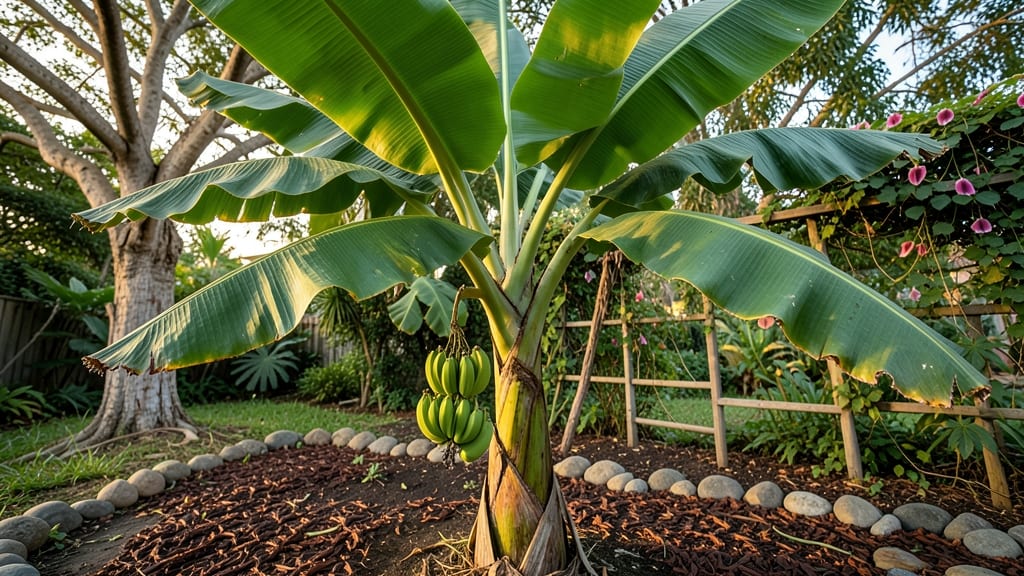
Creating a banana tree rainforest in the Pacific Northwest starts with pruning like a pro—because cold snaps and short summers demand clever tricks. 🌿 I’ve grown bananas in Zone 8 for years, and the key isn’t just protecting leaves from frost—it’s mimicking the tropical conditions they crave year-round.
The right cuts encourage bushier growth, stronger stems, and fruit that actually ripens before winter sets in.
Most gardeners assume banana trees can’t survive outside the tropics, but with container growing and strategic pruning, they thrive even in Seattle’s damp winters. Start by cutting back dead fronds in early spring, then trim suckers to 12 inches tall to force energy into the main trunk.
Mulch heavily with straw or leaves to insulate roots, and you’ll see new shoots emerge by May—proof that bananas aren’t just for Florida.
What you end up with is a year-round tropical corner that produces fruit, even in cooler climates. The banana leaves stay lush, the stems grow thick enough to support bunches, and you avoid the heartbreak of frost-killed plants.
The secret? Pruning isn’t just about cutting—it’s about teaching the plant to adapt, just like it would in its native rainforest.
Works for both in-ground and container setups, and the same principles apply whether you’re growing dwarf varieties like ‘Dwarf Cavendish’ or hardier types like ‘Red Dacca.’ Let’s get those fronds trimmed the right way!
📚 In This Guide
- What you need
- Instructions
- Tips and common mistakes
- Wrapping up and next steps
What you need
- ● Pruning shears or loppers: Bypass pruners (for clean cuts) or loppers (for thicker stems, 1–2 inches in diameter). Choose sterilized, sharp tools to avoid disease.
- ● Disinfectant (70% isopropyl alcohol or bleach solution): 1 part bleach to 9 parts water to sanitize tools between cuts.
- ● Heavy-duty gloves: Garden gloves with cut-resistant palms (banana pseudostems can be spiky!).
- ● Compost or mulch: 2–3 inches of organic matter (e.g., shredded leaves, bark) to protect roots post-pruning.
- ● Sharp knife or pruning saw: For thick, woody stems (if your loppers can’t handle them).
- ● Buckets or trash bags: 2–3 large containers to collect pruned debris (compost or dispose of diseased material).
- ● Hose with nozzle: For rinsing tools and cleaning sap off cuts.
- ● Root stimulator or fertilizer: Balanced 10-10-10 or banana-specific fertilizer to boost recovery after pruning.
- ● Plant tie or twine: To support heavy fruit clusters if pruning for harvest.
- ● Camera or sketchpad: Document your banana tree’s structure before pruning for reference!
Step-by-Step guide to pruning banana trees in cold climates
Cold-hardy banana trees need special care—here’s how to prune them for survival and growth in the Pacific Northwest.
🌿 Step 1: Time Your Pruning for Maximum Survival
Prune your banana tree in late winter or early spring, just before new growth begins. This timing ensures the plant has energy reserves to recover from cuts before summer heat arrives. Avoid pruning after mid-summer, as new growth won’t harden off before frost.
Look for dormant buds along the trunk—these are your cues. If you see swollen, brownish bumps, that’s where new shoots will emerge. Pruning too early can expose the tree to cold damage, while pruning too late leaves it vulnerable to winter stress.
✂️ Step 2: Remove Dead or Damaged Fronds
Start by cutting back any yellow, brown, or black fronds at their base with clean, sharp pruners. These dead leaves drain energy from the plant. Hold the frond upright to see where it meets the trunk—cut ½ inch above the trunk to prevent water from pooling and rotting the stem.
If a frond is still green but completely limp, it’s likely dying. Snip it off immediately. Healthy fronds should stand upright or slightly curved, not droop. This step keeps your banana tree’s energy focused on new, productive growth rather than maintaining dead foliage.
🌱 Step 3: Trim Back Overgrowth to Improve Airflow
Banana trees in cold climates can get overly dense from limited winter dieback. Thin out crowded fronds by removing every other leaf along the stem, starting from the outer edges and working inward. This creates space for airflow, reducing humidity-related diseases like fungal infections.
Focus on fronds that overlap or block sunlight from reaching the center of the plant. You’ll know you’ve done enough when light can pass through to the trunk. Avoid cutting more than ⅓ of the foliage at once—this prevents shock and allows the tree to adjust gradually.
⏰ Step 4: Protect New Growth Before Frost
After pruning, monitor your banana tree closely for new shoots emerging from the trunk. These tender growths are highly sensitive to frost and must be shielded. Cover them with frost cloth or burlap wraps once nighttime temperatures drop below 32°F. Secure the covering tightly to prevent wind damage.
Check the coverings daily to ensure they’re not trapping excess moisture, which can rot the new growth. Remove them during the day if temperatures rise above 50°F to allow sunlight. This balance is critical—too much protection stunts growth, while too little risks frost damage.
Tips & tricks for perfect cold-climate banana tree pruning
Real talk: Pruning banana trees in the Pacific Northwest’s chilly climate takes finesse. Here’s how to avoid common mistakes and give your tree the best shot at thriving.
Timing is Everything: That late winter/early spring window is non-negotiable. I’ve learned the hard way—pruning too early exposes the tree to lingering cold, while waiting too long risks new growth being caught by frost. Check your local frost dates and aim to finish pruning at least 4-6 weeks before your last expected frost. This gives your tree time to recover and harden off before summer heat arrives.
Tool Prep Matters: Clean, sharp pruners are your best friend in Step 2. Dull blades crush stems instead of making clean cuts, which invites disease. I sterilize my pruners with rubbing alcohol between cuts on different trees to prevent spreading any potential pathogens. Also, keep a small bucket nearby to collect and dispose of the pruned fronds—wet leaves can create slippery conditions.
Airflow Strategy: When thinning in Step 3, focus on creating a "sunburst" shape rather than just removing random leaves. Start with the largest, oldest fronds on the outer edges, then work inward. This approach mimics natural sunlight patterns and helps prevent fungal issues. Remember, you’re aiming for that "light can pass through" test—think of it like opening a window for your tree’s circulation.
Frost Protection Hacks: For Step 4, I’ve found that wrapping new shoots with frost cloth secured with rubber bands works better than burlap alone—it stays put in windy conditions. If you’re in a particularly cold microclimate, consider adding a layer of bubble wrap inside the frost cloth for extra insulation. Just remember to check daily for moisture buildup, especially after rain or morning dew.
Pro Tips for Banana Tree Rainforest
- Real talk: Pruning banana trees in the Pacific Northwest’s chilly climate takes finesse.
- Timing is Everything: That late winter/early spring window is non-negotiable.
- Tool Prep Matters: Clean, sharp pruners are your best friend in Step 2.
Frequently asked questions
about pruning banana trees in the Pacific Northwest’s rainforest-like climate—because even tropical plants need a little TLC in cooler temps!Can banana trees survive winter in the PNW’s rainy, cold climate?
Yes! With proper pruning and protection, many cold-hardy varieties like Musa acuminata (hardy to ~20°F) thrive in the PNW. Mulch heavily, wrap the trunk in burlap, and prune dead fronds in early spring to encourage regrowth. Pro tip: Plant near south-facing walls or use a cloche for extra warmth!
When is the best time to prune banana trees in the PNW?
Prune in late winter or early spring (February–March) before new growth starts. Avoid pruning in fall—it stresses the plant before winter dormancy. Focus on removing dead, yellow, or damaged fronds first, then trim any overcrowded pseudostems. Wait until temps stay above 40°F to prevent shock.
What if my banana tree isn’t producing fruit in the PNW?
Cold climates slow fruit production, but don’t worry—banana trees prioritize survival first! Ensure it gets full sun (6+ hours/day), rich soil, and consistent moisture. If it’s young (<3 years), be patient—fruit-bearing takes time. For faster results, try dwarf Cavendish hybrids, which adapt better to cooler zones. Bonus: Fertilize lightly in spring with banana-specific food!
How do I know if I’m pruning too much or too little?
Over-pruning = stress; under-pruning = disease risk. Leave at least 2–3 healthy fronds to photosynthesize. If you see black spots, mold, or mushy pseudostems, you’ve cut too aggressively. Rule of thumb: Never remove more than 1/3 of the plant at once. Sign of healthy pruning: New fronds emerge within 4–6 weeks!
Do banana trees need extra care in the PNW’s wet climate?
Rainforest-like humidity can cause fungal diseases (like sigatoka). Improve airflow by pruning densely packed fronds, and avoid overhead watering. Elevate the base with a small mound of soil or gravel to prevent rot. Preventative tip: Spray with neem oil or copper fungicide in spring to keep pests at bay!
Wrapping up and next steps
Pruning your banana tree rainforest in the Pacific Northwest’s chilly climate isn’t just about survival—it’s about unlocking its full potential! 🌱 With the right tools, timing, and techniques, you can transform your tropical oasis into a thriving, cold-hardy powerhouse.
Whether you’re trimming for health, harvest, or aesthetics, remember: patience and precision are your best friends.
Ready to take the next step? Start small—pick one branch or leaf to practice your cuts, then gradually expand your skills. Before you know it, your banana tree rainforest will be the talk of the neighborhood! Explore more tips or join local gardening groups to share your progress. Happy pruning!