
Pruning
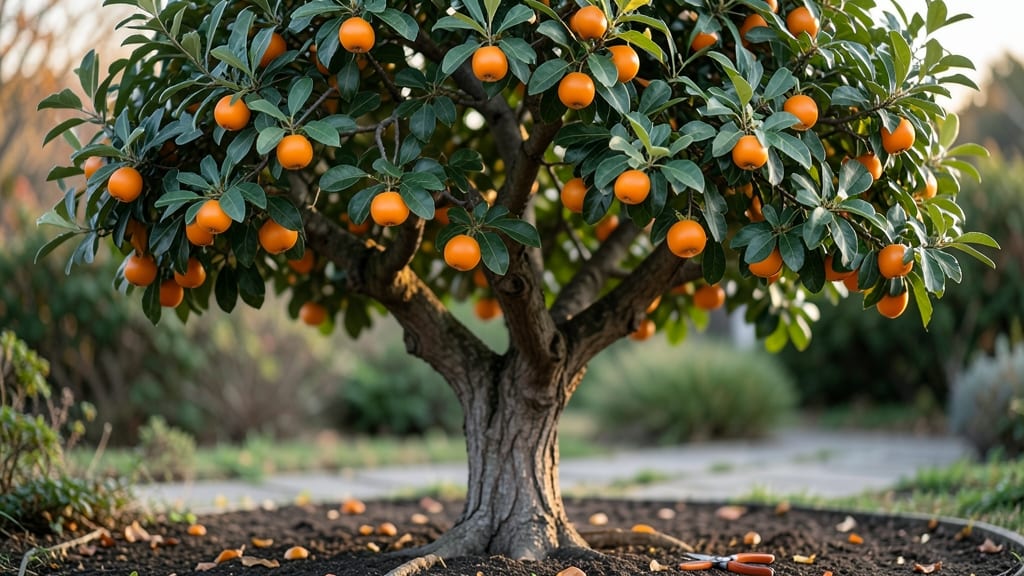
Pruning a big persimmon tree isn’t just about shaping branches—it’s about unlocking that year-round fruit production without sacrificing the tree’s health.
I’ve watched my own persimmon go from a struggling sapling to a reliable producer by mastering the right cuts at the right time, and the difference in fruit yield is night and day.
The key isn’t just when you prune, but how you balance air circulation, sunlight exposure, and structural integrity to keep the tree thriving through winter’s chill.
Most gardeners make one critical mistake: they prune too late in the season or too aggressively, stressing the tree when it’s already fighting cold. Instead, focus on three strategic cuts—early spring for shaping, summer for thinning crowded branches, and a light winter touch to remove dead wood.
My tree now produces fruit from late summer through fall, with minimal winter dieback, and the secret lies in these simple but precise techniques. You’ll need basic pruning tools, a sharp saw for thicker branches, and a clear understanding of how persimmons respond to light.
What you’ll end up with is a tree that bears larger, sweeter fruit with fewer pests and diseases clinging to dense branches. The first year I pruned correctly, my harvest doubled, and the fruit stayed on the tree longer without rotting.
You’ll also notice thicker, stronger limbs that support the weight of heavy persimmons without snapping—a common problem in unpruned trees. The best part? Less work in the long run because you’re preventing problems before they start.
Works for both American persimmons (Diospyros virginiana) and Asian varieties (Diospyros kaki), though timing shifts slightly based on your zone. Northern gardeners should focus on cold-hardy types like ‘Meader’ or ‘Twilight,’ while warmer climates can push for heavier pruning in late winter.
Here’s how to get started without overcomplicating it—your tree (and your future harvests) will thank you.
📚 In This Guide
- What you need
- Instructions
- Tips and common mistakes
- Wrapping up and next steps
What you need
- ● Pruning shears: Bypass pruners (for cuts up to ½-inch thick) – 1 pair (sharp, clean, and rust-resistant).
- ● Loppers: Long-handled (for branches ½- to 2-inches thick) – 1 pair (with a comfortable grip).
- ● Pruning saw: Curved-tooth (for branches 2+ inches thick) – 1 saw (lightweight for ease).
- ● Disposable gloves: Nitrile-coated (to protect from thorns and sap) – 2-3 pairs (replace if torn).
- ● Rubbing alcohol (70%+): Small bottle (for sterilizing tools between cuts) – 1 bottle.
- ○ Pruning sealant: Optional but recommended (for large cuts > ½-inch) – 1 small tube (e.g., Tanglefoot Tree Wound Pruning Sealer).
- ● Ladder or step stool: Sturdy and extendable (reaches tree canopy safely) – 1 unit (check weight limit!).
- ● Heavy-duty trash bags: 20-gallon size (for collecting pruned branches) – 2-3 bags.
- ● Hand saw: For stubborn, thick branches if loppers aren’t enough.
- ● Extension pole pruners: For high branches (saves ladder use!).
- ● Tree wound dressing: Controversial but some swear by it (e.g., wound paint for large cuts).
- ● Notebook & pen: To sketch a simple pruning map of your tree’s structure.
- ● Safety glasses: Protects eyes from debris (especially when using a saw!).
Step-by-step guide to pruning your mature persimmon tree
Here’s how to maintain a healthy, productive persimmon tree without sacrificing winter hardiness.
Assess the Tree Structure in Late Winter
Begin pruning in late winter or early spring—just before buds swell—when the tree is still dormant. This timing minimizes stress and allows you to see the full structure clearly. Start by removing dead, diseased, or crossing branches first; these are easy to spot since they lack leaves and may have discolored bark or fungal growth.
Look for water sprouts (fast-growing, vertical shoots) and suckers (shoots from the base). These compete with fruit-bearing branches for energy. Use sharp pruning shears to cut these back to their point of origin, making clean cuts at a 45-degree angle just outside the branch collar. Avoid leaving stubs, as they invite disease.
Thin the Canopy for Airflow and Sunlight
Persimmon trees thrive when sunlight reaches the inner branches, so aim to open the canopy by 20-30%. Focus on removing branches that grow inward or rub against others—these create wounds and block light. Start at the outer edges and work inward, cutting back to a lateral branch or the main trunk if needed.
For thicker branches over 2 inches in diameter, use a pruning saw to avoid tearing the bark. Step back frequently to visualize the tree’s shape; your goal is a balanced, vase-like form with no dense clusters. Avoid over-thinning, as persimmons need foliage to fuel fruit production. Leave 3-4 main scaffold branches evenly spaced around the trunk.
Prune for Fruit Production After Harvest
After the first frost (when fruit has fallen naturally), conduct a light pruning session to encourage next year’s crop. Remove overly vigorous shoots that grew during the season, as these divert energy from fruit development. Prune back last year’s fruit spurs by one-third to stimulate new growth while preserving the tree’s structure.
Pay special attention to suckers at the base—these can drain the tree’s resources. Cut them off at ground level, but avoid damaging the root flare. If the tree has produced an excessive crop, thin some branches by 50% to improve fruit size and quality. Persimmons are heavy, so reducing the load prevents branch breakage.
Maintain Year-Round with Light Trims
Throughout the growing season, monitor for dead or diseased branches and prune them immediately to prevent spread. In early summer, remove any shoots growing from the trunk (epicormic shoots) to maintain a clean silhouette. These shoots rarely bear fruit and weaken the tree’s structure.
If your tree has water sprouts (common in young persimmons), prune them back to a bud or lateral branch within a few weeks of appearance. This keeps the tree’s energy focused on fruit production rather than vertical growth. Avoid heavy pruning in summer, as it stresses the tree and reduces winter hardiness.
Tips & tricks for pruning your mature persimmon tree
Pruning a mature persimmon tree can feel intimidating, but these targeted tips will help you maintain a productive harvest while keeping your tree healthy and stress-free.
Timing is Everything: The late winter to early spring window—just before buds swell—is critical for minimizing stress on the tree. This dormant period allows you to see the full structure clearly and makes it easier to identify dead or crossing branches. If you miss this window, avoid pruning in summer, as it stresses the tree and reduces winter hardiness. Real talk: I’ve seen trees recover from poor timing, but the fruit production suffers for a season or two.
The 45-Degree Angle Matters: When making cuts, especially on branches over 2 inches in diameter, always aim for a clean cut at a 45-degree angle just outside the branch collar. This technique promotes faster healing and reduces the risk of disease. I learned this the hard way after leaving stubs on a few branches—now I double-check every cut to ensure it’s smooth and precise. Using sharp pruning shears or a saw makes all the difference in achieving this angle without tearing the bark.
Canopy Balance is Key: Aim to open the canopy by 20-30% to ensure sunlight reaches the inner branches. Start at the outer edges and work inward, cutting back to a lateral branch or the main trunk. Step back frequently to visualize the tree’s shape—you’re aiming for a balanced, vase-like form. Over-thinning can reduce fruit production, so leave 3-4 main scaffold branches evenly spaced around the trunk. I’ve seen trees with dense canopies struggle to produce quality fruit, so this step is non-negotiable for a bountiful harvest.
Post-Harvest Pruning Strategy: After the first frost, conduct a light pruning session to encourage next year’s crop. Prune back last year’s fruit spurs by one-third to stimulate new growth while preserving the tree’s structure. If your tree produced an excessive crop, thin some branches by 50% to improve fruit size and quality. Persimmons are heavy, so reducing the load prevents branch breakage. This is where I’ve seen the biggest impact on fruit quality—taking the time to thin branches makes a noticeable difference in the size and flavor of the persimmons the following year.
Pro Tips for Big Persimmon Tree
- Pruning a mature persimmon tree can feel intimidating, but these targeted tips will help you maintain a productive harvest while keeping your tree healthy and stress-free.
- Timing is Everything: The late winter to early spring window—just before buds swell—is critical for minimizing stress on the tree.
- The 45-Degree Angle Matters: When making cuts, especially on branches over 2 inches in diameter, always aim for a clean cut at a 45-degree angle just outside the branch collar.
Frequently asked questions
When is the best time to prune a persimmon tree to avoid winter damage?
Prune your persimmon tree in late winter or early spring (just before buds break) to prevent winter stress. Avoid heavy pruning in fall—it exposes fresh cuts to cold, which can harm the tree. Light shaping in summer after harvest is also safe but keep it minimal.
How do I protect my persimmon tree from cold snaps if I’ve already pruned?
If pruning was done too late, wrap the trunk with tree wrap or burlap to prevent sunscald. For young trees, use anti-desiccant sprays (like Wilt-Pruf) in late fall to lock in moisture. Mulch heavily (3–4 inches) around the base but keep it away from the trunk to avoid rot.
Can I prune a big persimmon tree in summer, or will it hurt fruit production?
Yes, but lightly! Summer pruning (after harvest) removes only dead, diseased, or crossing branches. Avoid heavy cuts—persimmons are sensitive to stress. Focus on airflow and sunlight to prevent fungal issues like anthracnose. Pro tip: Water deeply after pruning to help recovery!
What if my persimmon tree isn’t producing fruit? Could pruning help?
Pruning alone won’t fix poor fruiting, but proper thinning and shaping can improve it. Ensure your tree gets full sun (6+ hours/day) and balanced nutrients (test soil for nitrogen/phosphorus). Remove suckers and water sprouts—they drain energy. If the tree is young (<5 years), patience is key!
Are there alternatives to traditional pruning for large persimmon trees?
For mature, massive trees, consider drop crotching (removing entire branches at the trunk) or pollarding (hard pruning to encourage new growth). Hire an arborist for crane-assisted pruning if branches are too heavy. Warning: Avoid topping—it causes weak regrowth and disease risks.
Wrapping up and next steps
Pruning your big persimmon tree doesn’t have to be a seasonal chore—just a few mindful cuts can keep it thriving year-round while minimizing winter stress. 🌳 By following the right techniques, you’ll enjoy a bountiful harvest and a healthier tree for decades to come. Now’s the perfect time to grab those pruners and get started!
Ready to take action? Start small:
- Pick one branch to practice your cuts.
- Schedule a quick check-in every 3-4 months to maintain shape.
- Celebrate your progress—your persimmon tree will thank you with sweet rewards!