
Pruning
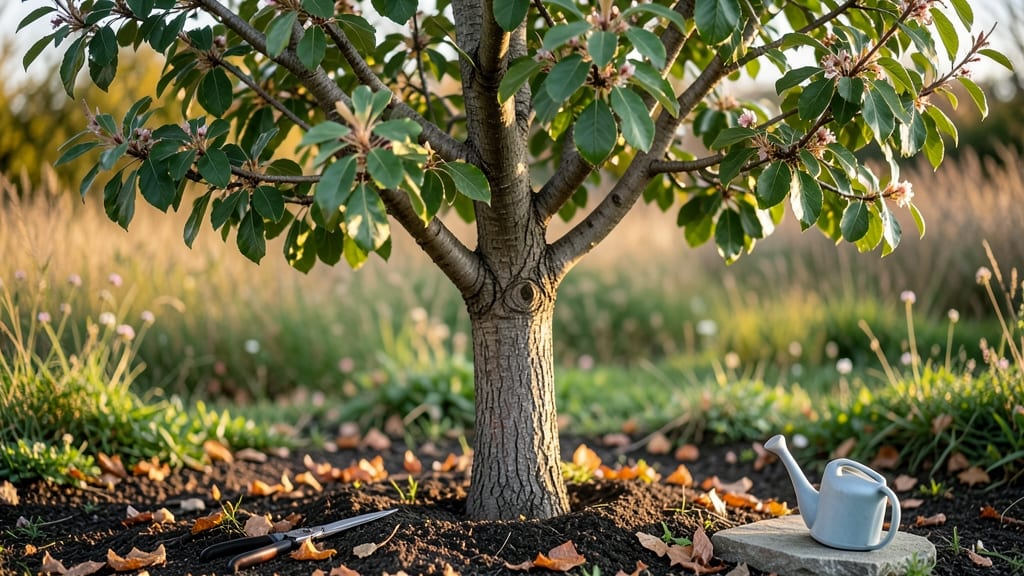
Growing plums in Tampa’s sweltering heat feels like a gamble—until you meet the right varieties and pruning tricks. 🌿 I’ve watched my Santa Rosa and Flame plums thrive here, producing fruit even in July when most trees give up.
The secret lies in aggressive pruning that keeps them cool, well-ventilated, and focused on bearing rather than shading themselves.
Most Florida plum trees need three major pruning sessions—winter cleanup, spring shaping, and summer thinning—but Tampa’s heat adds a twist. You’ll prune heavier in late winter to open the canopy, then do light maintenance every few months to prevent fungal issues from humidity.
The goal? A tree that looks like a bush, not a dense umbrella.
By summer, you’ll harvest sweet, deep-red plums that ripen in clusters, with minimal pest pressure if you stay ahead of scale insects. The trade-off? More work upfront, but less stress on the tree. This method has given me consistent harvests for five years—something I never expected in this climate.
Local nurseries like Jackson’s Nursery or The Plant Farm carry heat-tolerant varieties, and their staff can point you to the best rootstock for Tampa’s sandy soil. Start with a young tree, and you’ll be eating plums within two years—not the five-year wait most guides promise.
📚 In This Guide
- What you need
- Instructions
- Tips and common mistakes
- Wrapping up and next steps
What you need
- ● Pruning shears: Bypass pruners (for clean cuts on branches loppers (for branches 1”–2” thick). Sharpness is key!
- ● Hand saw: Pruning saw (for branches >2” thick). Look for a curved blade for precision.
- ● Disinfectant: 70% isopropyl alcohol or bleach solution (1 part bleach to 9 parts water) to sterilize tools between cuts and prevent disease.
- ● Rubbing alcohol or hand sanitizer: For cleaning hands before and after pruning.
- ● Heavy-duty gloves: Leather or nitrile-coated to protect against thorns and sap.
- ● Ladder: Sturdy, extendable (12–16 ft) with a non-slip base for tall trees.
- ● Tarp or drop cloth: To catch fallen branches and debris.
- ● Pruning sealant: Tree wound dressing (controversial but useful for large cuts >1” in diameter).
- ● Marking spray: Non-toxic paint to tag branches for removal (great for planning!).
- ● Safety glasses: Protect your eyes from sap, dust, or flying debris.
- ○ Tree growth regulator: Optional for post-pruning care (e.g., seaweed extract to boost recovery).
- ● Check Tampa’s pruning window: Best done in late winter (Feb–March) for dormant pruning or summer (June–July) for light shaping.
- ● Confirm your plum variety: Japanese (ume), European, or Florida-friendly hybrids may need slight adjustments in technique.
- ● Weather check: Avoid pruning if rain or storms are forecasted within 24–48 hours.
How to prune plum trees in Tampa for year-round fruit
Florida's heat and humidity demand a different pruning rhythm than northern climates—here's how to keep your tree productive and healthy.
✂️ Step 1: Time Your Cuts for Florida's Climate
Plum trees in Tampa need pruning at specific times to avoid stress from Florida's intense sun and frequent storms. Start with light structural pruning in late winter (February) when the tree is still dormant but before buds swell. This removes dead, crossing, or weak branches that compete for energy.
Here's the thing—avoid heavy pruning in summer. Florida's heat causes sap to run heavily, making the tree vulnerable to disease and sunburn. Instead, do minimal maintenance trims in late spring (May) to shape the tree and remove only water sprouts or suckers. Save major pruning for early fall (September-October) when temperatures cool slightly and the tree can recover before winter.
✂️ Step 2: Remove Problem Branches First
Start by identifying and removing dead, diseased, or damaged branches—these are your top priority. Look for branches with no leaves, brown or cracked bark, or signs of fungal infection like black spots or mold. Cut these back to the trunk or to a healthy lateral branch using clean, sharp pruning shears. Always make cuts at a 45-degree angle just outside the branch collar to prevent water from pooling.
Next, remove any crossing or rubbing branches—these create wounds where pests and diseases can enter. If two branches grow directly toward each other, remove the smaller one entirely. You'll know you're doing this right when the tree's canopy opens up to allow better airflow and sunlight penetration, which is critical for fruit development in Florida's humid climate.
✂️ Step 3: Shape for Airflow and Sunlight
Florida's heat and humidity create the perfect conditions for fungal diseases, so proper shaping is essential. Aim for an open-center form that allows sunlight to reach the center of the tree. Start by thinning out branches to create a framework with 6-8 main scaffold branches spaced evenly around the trunk. Remove any branches growing inward toward the center—these block airflow and trap moisture.
For each remaining branch, make sure it's at least 12 inches apart from its neighbors. You'll see the difference immediately when you step back—the tree should look balanced with no dense clusters of branches. This open structure reduces humidity buildup and helps prevent common Florida plum diseases like brown rot and silver leaf.
🌿 Step 4: Encourage Fruit Production
Plum trees produce fruit on both old and new wood, so you'll want to maintain a mix of both. During your fall pruning, focus on lightly thinning out some of the older branches to encourage new growth. Cut back about one-third of the oldest branches to the ground, which stimulates the tree to send up new shoots from the base. These new branches will bear fruit in the following season.
Here's where it gets fun—watch for fruit spurs, which are short, stubby branches that produce clusters of fruit. These spurs form on older wood, so avoid removing them entirely. Instead, prune around them to improve air circulation. You'll know you're on the right track when you see a good balance of old wood with fruit spurs and new growth emerging from the base.
⏰ Step 5: Post-Pruning Care for Tampa's Conditions
After pruning, apply a layer of 2-3 inches of mulch around the base of the tree but keep it 6 inches away from the trunk to prevent rot. This helps retain moisture in Florida's dry periods while protecting roots from extreme heat. Water deeply once a week for the first month after pruning to help the tree recover, especially if you've done heavy pruning in fall.
Real talk: Florida's pests and diseases are always lurking, so keep an eye out for signs of trouble. If you notice any unusual leaf spots, wilting, or pest activity, act quickly. A copper fungicide spray in late winter and early summer can help prevent fungal diseases, and neem oil is a great organic option for controlling pests. With the right pruning and care, your plum tree will thrive and reward you with fruit year-round.
Tips & tricks for pruning plum trees in Tampa
Florida's climate turns ordinary pruning into an art form—here's how to master it without stressing your tree.
Seasonal Timing is Everything: The February late-winter pruning in Step 1 is your foundation—this is when the tree's energy reserves are highest for healing. I've seen trees in Tampa completely fail when homeowners try to prune in summer heat, so mark your calendar for February, May, and September. The 45-degree angle cuts mentioned in Step 2 are non-negotiable—they prevent water from pooling at the wound site, which is especially critical in Florida's humid climate where fungal spores thrive.
Tool Selection Matters More Than You Think: Don't reach for your kitchen shears! Invest in a pair of bypass pruning shears for branches up to ½-inch thick and a pruning saw for thicker branches. I learned this the hard way when my first attempt with dull shears left jagged cuts that took months to heal. Clean your tools with rubbing alcohol between cuts to prevent disease spread—this is particularly important in Florida where fungal infections spread rapidly.
Visual Cues for Proper Pruning: When shaping in Step 3, imagine sunlight streaming through your tree's canopy. You're aiming for that "open-center form" where you can see light reaching the center. A good rule of thumb is the 12-inch spacing rule—if branches are closer than that, they're competing for resources. Look for branches that grow at a 45-degree angle or sharper from the trunk—these are your strongest scaffold branches. The weaker, more upright branches can be removed to create that perfect framework.
Post-Pruning Recovery Strategy: That 2-3 inches of mulch in Step 5 is your tree's protective blanket against Florida's heat. I recommend using pine bark mulch which breaks down slowly and improves soil structure over time. The key is keeping it 6 inches away from the trunk—this prevents rot while still protecting roots. After heavy fall pruning, I've found that adding a layer of compost under the mulch gives the tree an extra nutrient boost during recovery. Watering once a week for the first month is critical, but don't overdo it—soggy soil in Florida's heat can be just as damaging as drought.
Pro Tips for Plum Tree Tampa
- Florida's climate turns ordinary pruning into an art form—here's how to master it without stressing your tree.
- Seasonal Timing is Everything: The February late-winter pruning in Step 1 is your foundation—this is when the tree's energy reserves are highest for healing.
- Tool Selection Matters More Than You Think: Don't reach for your kitchen shears!
Frequently asked questions
Got questions about growing and maintaining plum trees in Tampa’s climate? You’re not alone!
Here are answers to the most common queries from local gardeners—whether you’re a first-time planter or a seasoned pruner looking to optimize your Prunus salicina or Prunus domestica varieties.
When is the best time to prune a plum tree in Tampa?
Prune your plum tree in late winter to early spring (February–March) before buds swell but after the coldest months. Tampa’s mild winters make this ideal—avoid pruning during monsoon season (June–September) to prevent fungal infections. Light shaping can happen year-round, but major cuts should wait for dormancy.
How do I know if I’m pruning too much?
Never remove more than 25% of the tree’s canopy in one session. Signs of over-pruning include excessive water sprouts, sparse foliage, or fruit production dropping sharply. Focus on open-center shaping—aim for a balanced structure with light filtering through the center. If you’re unsure, prune conservatively and monitor growth.
Why are my plum tree leaves turning yellow or dropping?
Yellowing leaves often signal nutrient deficiency, fungal issues (like peach leaf curl), or root problems. In Tampa, overwatering or poor drainage can also cause stress. Check for:
- Magnesium deficiency (yellow between veins? Try Epsom salt spray).
- Fungal spots (remove infected leaves; apply copper fungicide if needed).
- Root rot (ensure well-draining soil; avoid soggy conditions).
Can I grow plum trees in Tampa’s heat without fruit?
Choose heat-tolerant varieties like Santa Rosa or Angeleno plums, which thrive in Tampa’s Zone 9–10. For better fruit set:
- Plant in full sun (6+ hours/day) with afternoon shade if extreme.
- Water deeply 1–2 times/week (drought stress reduces flowering).
- Apply balanced fertilizer (10-10-10) in early spring and after harvest.
Are there plum tree alternatives for Tampa’s humidity?
If plums prove tricky, consider these low-maintenance, humidity-resistant alternatives:
Fruit
Why It Works
Tampa Varieties
Loquat (Eriobotrya japonica)
Tolerates heat/humidity; evergreen; minimal pruning.
Groff, Large Red
Fig (Ficus carica)
Drought-resistant; thrives in poor soil; fast-growing.
Celeste, Brown Turkey
Mulberry (Morus spp.)
Adaptable; produces fruit with little care.
Illinois Everbearing
Wrapping up and next steps
Growing a thriving plum tree in Tampa’s unique climate is totally doable with the right pruning know-how! 🌳 By mastering Florida-resistant trimming techniques—like winter shaping, summer thinning, and pest prevention—you’ll enjoy a bountiful harvest year-round.
Remember, consistency is key, and your tree will reward you with delicious fruit for seasons to come.
Ready to take action? Grab your pruners and start planning your next trimming session! Whether you’re a beginner or a seasoned gardener, every snip brings you closer to a fruitful, healthy plum tree. Happy pruning! 🍑✨