
Pruning
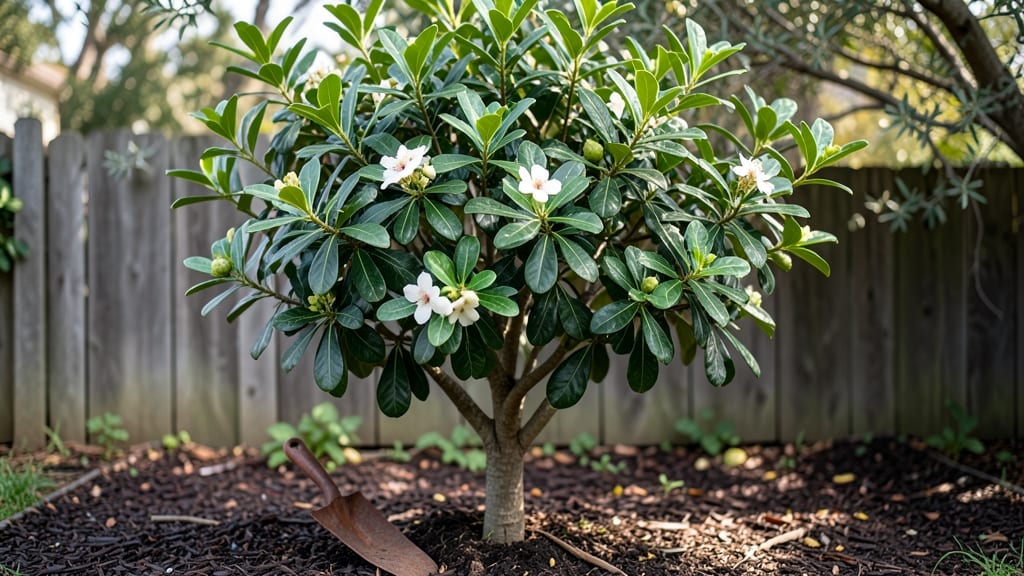
Caring for a guava tree in the Pacific Northwest means unlocking sweet, tropical fruit even when frost lingers. 🌿 I’ve watched mine thrive through rainy winters and cool summers by mastering the right balance of pruning, watering, and sunlight—techniques that turn a finicky tropical plant into a reliable producer.
The secret isn’t complicated: it’s about working with the climate, not against it.
Your guava tree will reward you with glossy leaves and fragrant white blossoms if you give it 6+ hours of sunlight daily, well-draining soil, and moderate watering—never soggy roots.
Pruning in late winter (before buds swell) shapes the tree and boosts fruit production, while summer trims keep it manageable. The key? Prune aggressively enough to encourage airflow, but not so much that you sacrifice next year’s harvest.
By mid-summer, you’ll be picking golden, honey-scented guavas that taste sweeter than store-bought—if you time your pruning right. The tree’s natural resilience means fewer pests and diseases, but watch for scale insects and root rot in wet seasons.
With consistent care, your guava can fruit year-round in milder PNW zones, turning your backyard into a tropical oasis.
Whether you’re starting with a sapling or reviving an overgrown tree, these adjustments make all the difference. The first harvest might take a year or two, but once established, your guava will keep giving—without the fuss of tropical climates. Let’s get those branches trimmed and those fruits growing!
📚 In This Guide
- What you need
- Instructions
- Tips and common mistakes
- Wrapping up and next steps
What you need
- ○ Pruning Shears: A pair of bypass pruners (sharp, clean, and 6-8 inches long) for cutting small branches (up to ½ inch thick). Optional: Loppers (for branches ½–1½ inches thick).
- ● Pruning Saw: A folding pruning saw for thicker branches (1½+ inches). Look for a curved blade for precision.
- ● Gloves: Heavy-duty gardening gloves (nitrile-coated for grip and protection).
- ● Disinfectant: 70% isopropyl alcohol or a pruning sealant (to prevent disease spread).
- ● Ladder or Step Stool: A sturdy, non-slip ladder (if your tree is over 6 feet tall).
- ● Trash Bags: 2–3 heavy-duty bags (for collecting pruned branches and debris).
- ○ Sharpie or Labeling Tape: To mark branches for future reference (optional but helpful!).
- ● A pruning rope or tree tie to support branches during heavy fruit loads.
- ● Organic mulch (wood chips or straw) to retain moisture and protect roots.
- ● A spray bottle with water to mist cuts and reduce stress on the tree.
- ● Safety gear: Safety glasses and long sleeves (guavas can have thorns!).
Step-by-Step Pacific Northwest pruning for guava trees
Here’s how to coax year-round fruit from your guava tree while keeping it healthy in the PNW’s damp climate.
🌿 Step 1: Time Your Pruning for Optimal Growth
Prune your guava tree in late winter or early spring (February to March) when the tree is still dormant but just before new growth begins. This timing ensures you remove dead wood without disrupting the tree’s energy reserves for the growing season. In the Pacific Northwest, where winters are milder, avoid pruning in fall—wet conditions can invite fungal infections through fresh cuts.
Look for dormant branches that are brittle to the touch or lack leaves. These are prime candidates for removal. If your tree has any crossing branches rubbing against each other, trim those first—they create wounds that weaken the tree over time. Use sharp, clean pruning shears to make 45-degree cuts just above a bud or lateral branch.
✂️ Step 2: Remove Dead, Diseased, and Overcrowded Branches
Start by eliminating dead or diseased wood—these branches are gray, hollow, or ooze sap when cut. Next, thin out overcrowded branches to improve airflow and sunlight penetration. Guava trees thrive with open canopies, so aim to remove about 20-30% of the total branches in one session. This reduces stress on the tree and encourages stronger fruit production.
Focus on branches growing inward or downward—they compete with upward-growing branches for sunlight and nutrients. Cut these back to the main trunk or a strong lateral branch, always leaving a small bump (about ¼ inch) above the bud. This prevents water from pooling on the cut and rotting the branch. If you’re unsure which branches to keep, prioritize those with vigorous green leaves over weak, sparse ones.
☀️ Step 3: Shape the Tree for Sunlight and Fruit Access
Guava trees need full sun (6+ hours daily) to produce fruit, so prune to create an open, vase-like shape. Start by removing suckers (shoots growing from the base or trunk) and water sprouts (fast-growing vertical shoots). These saplings drain energy from the main tree. Next, trim back overly long branches to 12-18 inches from the trunk, cutting just above a bud that faces outward.
In the Pacific Northwest, where summers are cooler, avoid heavy pruning in summer—it can stress the tree. Instead, do a light maintenance trim in early summer to remove any damaged or diseased branches caused by wind or rain. This keeps the tree tidy without disrupting its fruit-setting cycle. Watch for new growth after pruning—healthy branches should sprout fresh leaves within 4-6 weeks.
💧 Step 4: Post-Pruning Care for Strong Recovery
After pruning, water deeply to help the tree recover, especially if you’ve removed a significant portion of branches. Guava trees in the PNW benefit from 1-2 inches of water per week, more during dry spells. Mulch the base with 2-3 inches of organic mulch (like wood chips) to retain moisture and regulate soil temperature. Keep the mulch 6 inches away from the trunk to prevent rot.
Apply a balanced fertilizer (10-10-10) in early spring to support new growth. Avoid heavy nitrogen fertilizers—they promote leafy growth at the expense of fruit. Monitor the tree for new buds forming at the pruning cuts within 6-8 weeks. If you see yellowing leaves or wilting branches, it could signal over-pruning or fungal issues. Adjust your approach for next year accordingly.
Tips & tricks for Pacific Northwest guava tree pruning
Real talk: Pruning your guava tree in the PNW’s damp climate takes finesse. These pro tips will help you avoid common mistakes and maximize fruit production without stressing the tree.
Timing is Everything: That February-to-March window is non-negotiable for PNW growers. I learned this the hard way after ruining a spring harvest by pruning too early—cold snaps can still damage fresh cuts. If you miss this window, wait until early April, but don't delay beyond that or you risk stunting new growth. The goal is to prune when the tree is still dormant but just before buds begin to swell.
Tool Prep Prevents Problems: Before you make a single cut, sterilize your pruning shears with rubbing alcohol. Fungal spores from previous cuts can linger on blades and infect new wounds. I also recommend using a sharp bypass pruner—they make cleaner cuts that heal faster than the jagged edges from dull tools. For larger branches, use a pruning saw with a fine-tooth blade to avoid tearing the bark.
Visual Cues for Healthy Cuts: When making your 45-degree cuts in Step 1, look for the "bud eye" just above where you'll trim. This small bump is where new growth will emerge. Make sure it's facing outward from the branch you're cutting—this ensures new shoots grow away from the trunk, creating that open vase shape we want. If you're unsure, imagine drawing a line from the bud to the center of the branch; your cut should be just above that line.
Seasonal Adjustments for PNW: The instructions mention avoiding summer pruning, but here's what nobody tells you—if you must remove damaged branches during summer (like storm damage), do it immediately to prevent disease entry. Just keep cuts small and apply a fungicide to the wounds. For the light maintenance trim in early summer, focus on removing only the most damaged branches—don't thin the canopy further, as this can reduce fruit production during the cooler PNW summers.
Pro Tips for Care For Guava Tree
- Real talk: Pruning your guava tree in the PNW’s damp climate takes finesse.
- Timing is Everything: That February-to-March window is non-negotiable for PNW growers.
- Tool Prep Prevents Problems: Before you make a single cut, sterilize your pruning shears with rubbing alcohol.
Frequently asked questions
Got questions about keeping your guava tree thriving in the Pacific Northwest? Here are some common concerns—and their answers—to help you grow a bountiful harvest year-round.
When is the best time to prune a guava tree in the PNW?
Prune your guava tree late winter or early spring (February–March) before new growth starts. This timing promotes vigorous spring growth and sets up your tree for summer fruiting. Avoid heavy pruning in fall, as it can stress the tree before winter.
How do I protect my guava tree from PNW winters?
Guava trees are tender perennials and need winter protection in the PNW. Wrap the trunk in burlap or tree wrap to prevent sunscald, and mulch the base with 3–4 inches of straw or wood chips. If temps drop below 20°F, consider moving potted trees indoors or to a sheltered spot.
Why isn’t my guava tree producing fruit?
Lack of fruit often stems from poor pollination, over-pruning, or nutrient deficiencies. Hand-pollinate flowers with a soft brush, ensure you’re not cutting back too aggressively, and fertilize with a balanced citrus/avocado mix in early spring. Patience is key—young trees may take 2–3 years to bear fruit.
Can I prune my guava tree too much?
Yes! Over-pruning removes too many fruiting branches, reducing harvests. Aim to remove no more than 20–30% of the canopy per year. Focus on dead, diseased, or crossing branches first, and avoid "topping" (cutting the main stem). Less is more for long-term health!
What can I do with guava tree leaves if I have too many?
Don’t toss those leaves! Use them to compost, brew guava leaf tea (rich in antioxidants), or mulch around other plants. They’re also a natural pest repellent—crush and sprinkle around the base to deter aphids. Zero waste wins!
My guava tree leaves are yellowing—what’s wrong?
Yellow leaves often signal overwatering, nutrient deficiency, or root rot. Check soil moisture (it should be damp but not soggy), and fertilize with iron or magnesium if needed. If roots smell foul, reduce watering and improve drainage. Act fast—root rot spreads quickly!
Wrapping up and next steps
Caring for your guava tree in the Pacific Northwest isn’t just about pruning—it’s about nurturing a thriving, fruit-bearing plant that rewards you with year-round harvests. 🌱 With the right tools, timing, and techniques, you’ll ensure strong growth, abundant blooms, and delicious fruit. Now’s the time to roll up your sleeves and give your tree the love it deserves!
Ready to take the next step? Start by marking your pruning calendar and gathering your supplies—then watch your guava tree flourish like never before!