
Pruning
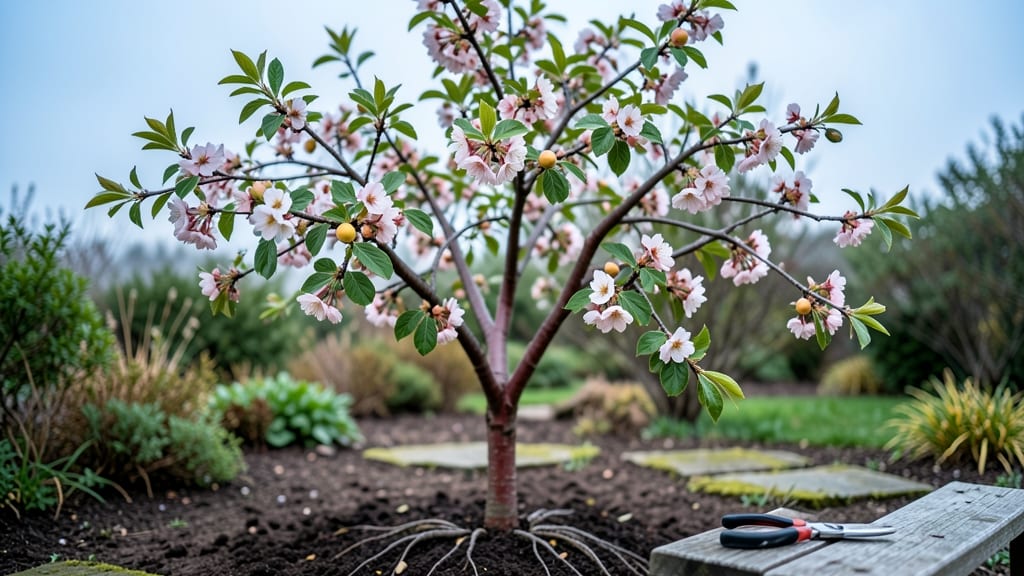
Your Japanese apricot ume tree thrives in Pacific Northwest winters with the right pruning rhythm—it’s the secret to bold blooms and sweet fruit every season. 🌸 I’ve watched mine transform from a tangled mess to a showstopper after adopting a year-round approach, and the difference is night-and-day once you learn the timing and cuts that work here.
The key is balancing winter dormancy pruning with spring shaping and summer light control—none of it requires fancy tools. You’ll need sharp pruners, a ladder for taller branches, and a notebook to track growth spurts.
The real magic happens when you prune just after flowering to encourage next year’s fruit while keeping the tree open enough for sunlight to reach every branch.
What you’ll end up with is a tree that bursts with fragrant pink blossoms in late winter, followed by tart-sweet fruit in early spring—both prized for their ornamental beauty and culinary uses.
The branches stay sturdy, the harvest increases, and you avoid the common mistake of over-pruning too late in the season, which can leave your tree vulnerable to cold snaps.
This method works equally well for young saplings and mature trees, whether you’re shaping a bonsai-style specimen or a standard-sized fruit producer. Let’s get your ume tree looking—and producing—its best all year.
📚 In This Guide
- What you need
- Instructions
- Tips and common mistakes
- Wrapping up and next steps
What you need
- ● Pruning shears: Bypass pruners (for cuts up to ½ inch thick) – 1 pair (look for ergonomic handles and sharp stainless-steel blades).
- ● Loppers: Bypass or anvil style (for thicker branches, ¾–1½ inches) – 1 pair (extendable loppers are a bonus!).
- ● Pruning saw: Curved-tooth or folding handsaw (for branches >1½ inches) – 1 (lightweight and portable).
- ● Disinfectant: 70% isopropyl alcohol or bleach solution (1 part bleach to 9 parts water) – small spray bottle (to sterilize tools between cuts).
- ○ Pruning sealant: Tree wound paint or pruning wax (optional but helpful for larger cuts) – small jar.
- ● Gloves: Heavy-duty gardening gloves (nitrile-coated for grip and protection) – 1 pair.
- ● Safety gear: Safety glasses and long sleeves (to protect from debris and sap).
- ● Weather check: Calm, dry day (avoid pruning if rain or wind is forecasted).
- ● Tree knowledge: Identify dead, diseased, or crossing branches (ume trees are prone to silver leaf disease—watch for symptoms!).
- ○ Cleanup supplies: Garden bags or bucket (for collecting pruned branches) – optional but handy.
- ○ Notepad & pen: To sketch your tree’s structure (if you’re planning major reshaping) – optional.
How to prune a Japanese apricot ume tree for year-round health in the Pacific Northwest
Mastering seasonal pruning transforms a struggling ume tree into a productive, disease-resistant centerpiece.
✂️ Step 1: Late Winter Dormant Pruning (January-February)
Begin when the tree is fully dormant but before buds swell—this is your most critical pruning window. Remove all dead, diseased, or crossing branches first using clean, sharp pruners. These branches won't regrow properly and can harbor fungal spores that spread during wet Pacific Northwest winters.
Open the tree's center by cutting out 1/3 of the oldest wood, starting from the base. This improves airflow and sunlight penetration, which prevents the common ume tree issue of powdery mildew. Look for branches growing inward—they'll compete with others for light and weaken the tree's structure. Make cuts just outside the branch collar where it meets the trunk.
Here's the thing—don't overdo it. You're shaping the tree's framework, not harvesting fruit. Limit yourself to 20-25% of the total canopy in this first cut. You'll see fresh green tissue at the cut ends—that's your confirmation the tree is still dormant and ready for pruning.
🌿 Step 2: Post-Bloom Summer Light Pruning (June-July)
After flowering but before fruit sets, perform a light structural pruning to maintain shape and remove any water sprouts that appeared after winter. These fast-growing shoots steal energy from fruit production. Use hand pruners for branches under 1/4 inch thick, and loppers for thicker branches.
Focus on branches growing at sharp angles—these are more likely to break in winter storms. Cut them back to a lateral branch or bud that grows at a 45-degree angle from the trunk. You'll notice the tree's natural growth pattern emerges as you work: ume trees tend to grow in a vase shape, so encourage that form by removing upward-growing branches that disrupt it.
Real talk: this isn't about heavy cutting. Just 5-10% of the canopy at most. The goal is maintenance, not transformation. If you see any branches with signs of fungal infection (black spots, powdery residue), remove those immediately and sterilize your tools with rubbing alcohol between cuts.
⏰ Step 3: Autumn Cleanup Pruning (October-November)
As temperatures drop below 50°F, perform your final light pruning to remove any remaining dead wood, diseased branches, or those that grew excessively during summer. This prevents pests from overwintering in damaged wood. The Pacific Northwest's wet autumn makes this particularly important—standing dead wood becomes a breeding ground for fungal spores.
Thin out any crowded branches to improve airflow. You'll see this as clusters where branches grow too close together, creating shaded areas where moisture lingers. Aim to space remaining branches 6-12 inches apart along the trunk. For larger branches, make your cuts just outside the branch collar at a 45-degree angle to prevent water from pooling at the cut.
Don't skip this step—it's your insurance against winter dieback. The tree will enter dormancy with cleaner structure, better able to withstand the region's wet, mild winters. You'll notice fewer leaf spots and healthier new growth the following spring as a result.
☀️ Step 4: Spring Growth Monitoring (March-April)
Once new growth appears in spring, monitor the tree for any sucker growth at the base or from the roots. These vigorous shoots compete with the main tree for nutrients. Remove them immediately using hand pruners, cutting them off at ground level. Suckers have no place in a properly pruned ume tree—they weaken the main structure.
Check for any branches that grew too vigorously over winter and now appear leggy. These can be lightly pruned back by 1/3 of their length to encourage bushier growth. You'll see this as long, thin branches with sparse leaves. The goal is to redirect that energy into fruit production rather than excessive vegetative growth.
This is also when you should inspect for any winter damage. Look for branches that died back completely or show dark, shriveled leaves. These should be removed completely down to healthy wood. The tree will respond by producing new growth from the remaining healthy branches.
Tips & tricks for perfect Japanese apricot ume tree pruning
Mastering these pruning techniques will keep your ume tree thriving year-round in the Pacific Northwest's unique climate.
Seasonal Timing is Everything: The January-February dormant pruning is your most critical window—look for fresh green tissue at the cut ends as confirmation the tree is ready. In the Pacific Northwest, our wet winters mean fungal spores spread quickly, so never prune when the tree is actively growing or when buds are swelling. The 20-25% canopy reduction in Step 1 creates the perfect framework for summer fruit production while preventing powdery mildew.
Tool Sterilization Matters: Between cuts, especially when dealing with diseased branches, sterilize your pruners with rubbing alcohol. I've seen fungal infections spread rapidly in ume trees when tools weren't properly cleaned between cuts. For larger branches, use loppers to avoid crushing the branch collar—this critical junction heals better when left intact. The 45-degree angle cuts mentioned in Steps 2 and 3 prevent water pooling that leads to rot.
Visual Growth Patterns Guide You: Ume trees naturally grow in a vase shape, so encourage this by removing upward-growing branches that disrupt airflow. In Step 2, focus on branches growing at sharp angles—they're more likely to break in winter storms. You'll know you're doing it right when you see the tree's natural branching pattern emerge after pruning. The 6-12 inch spacing between branches in autumn creates optimal airflow for disease prevention.
Pacific Northwest Climate Considerations: Our region's wet autumns demand extra attention to dead wood removal—standing dead branches become fungal breeding grounds. The 50°F threshold for autumn pruning ensures you're working before winter pests become active. In spring, watch for sucker growth at the base—these steal nutrients from fruit production and should be removed immediately using hand pruners.
Pro Tips for Japanese Apricot Ume Tree
- Mastering these pruning techniques will keep your ume tree thriving year-round in the Pacific Northwest's unique climate.
- Seasonal Timing is Everything: The January-February dormant pruning is your most critical window—look for fresh green tissue at the cut ends as confirmation the tree is ready.
- Tool Sterilization Matters: Between cuts, especially when dealing with diseased branches, sterilize your pruners with rubbing alcohol.
Frequently asked questions
Got questions about keeping your Japanese apricot (ume) tree thriving in the Pacific Northwest? Here are answers to the most common concerns—from pruning timing to troubleshooting—so you can enjoy year-round beauty without the guesswork.
When is the best time to prune an ume tree in the PNW?
The ideal window is late winter to early spring (February–March), just before buds swell but before new growth starts. This timing minimizes stress and disease risk. Avoid pruning in fall—it can leave wounds vulnerable to cold or fungal infections common in the PNW’s damp climate.
Can I prune an ume tree in winter if it’s snowing or freezing?
No—never prune in freezing or snowy conditions. Cold weather weakens the tree and makes it harder for wounds to heal. If you miss the late-winter window, wait until early spring when temperatures consistently stay above freezing. Pro tip: Use a sharp, sterilized saw to make clean cuts and reduce frost-related stress.
How do I encourage more fruit production on my ume tree?
To boost fruit, prune to open the canopy (remove dense branches) and thin out overcrowded growth. Focus on mature wood (2+ years old) since ume trees bear fruit on older branches. Also, avoid heavy pruning in fruit-bearing years—limit cuts to <15% of the tree’s structure to preserve energy for blooms and fruit.
Why are my ume tree’s leaves yellowing or dropping after pruning?
Yellowing (chlorosis) or leaf drop often signals over-pruning, nutrient deficiency, or fungal stress. If it happens right after pruning, you may have cut too aggressively. Fix it by:
- Applying a balanced fertilizer (10-10-10) in early spring.
- Watering deeply to reduce shock.
- Checking for powdery mildew (common in PNW humidity) and treating with neem oil if needed.
Are there PNW-friendly alternatives to ume trees for small gardens?
If space or climate concerns make ume trees tricky, consider these low-maintenance PNW alternatives:
Tree
Why It Works
Dwarf Meyer Lemon
Cold-hardy to 15°F, compact, and produces fruit year-round with minimal pruning.
Japanese Maple (Acer palmatum)
Thrives in shade, disease-resistant, and offers stunning fall color with zero fruit stress.
Flowering Cherry (Prunus serrulata)
Adapts well to PNW’s wet winters, blooms early, and requires light pruning only.
Wrapping up and next steps
Growing a Japanese apricot (ume) tree in the Pacific Northwest’s unique climate is totally doable with the right pruning know-how! By mastering seasonal cuts—from winter’s structural shaping to summer’s fruit-thinning—you’ll ensure a healthy, productive tree that rewards you with sweet umeboshi and stunning blossoms. 🌸
Ready to take the next step? Start small: pick one season’s pruning techniques to practice, then gradually expand your skills. Before you know it, your ume tree will thrive—and so will your gardening confidence! 🌱