
Pruning
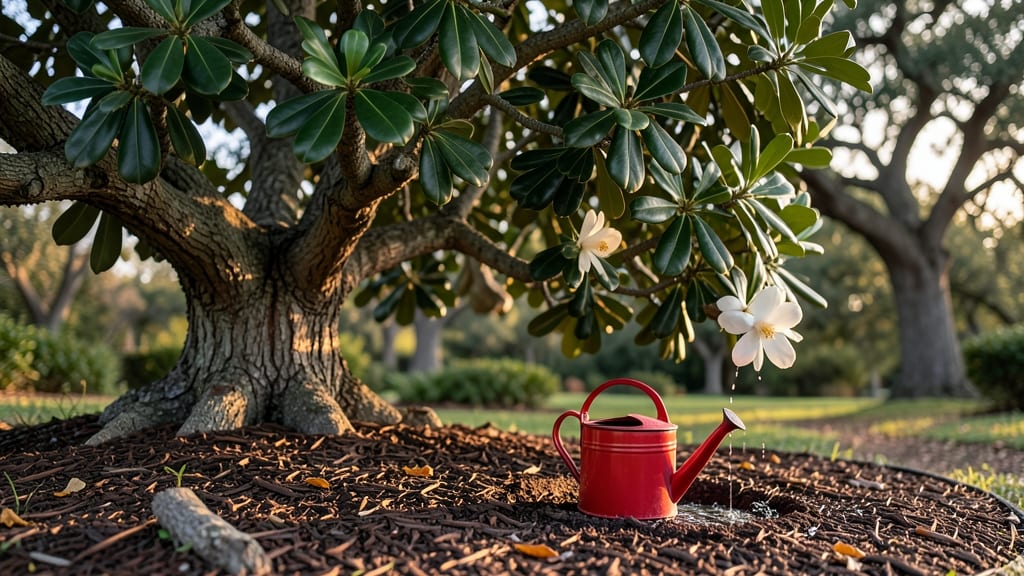
Caring for a magnolia tree starts with understanding its stubborn grace—these stunners thrive when you respect their slow, steady growth rather than forcing results. 🌿 I’ve watched mine go from a scraggly sapling to a stately shade provider by trusting the process: watering deeply but infrequently, feeding only when needed, and pruning at the right times.
The key isn’t constant attention but strategic timing, especially those three seasonal trims that keep it healthy and blooming.
Most people overdo it with water and fertilizer, but magnolias hate soggy roots and rich soil. A well-draining mix with composted leaves works best, and you’ll only need to water when the top 6 inches of soil feel dry.
Pruning isn’t about shaping—it’s about removing dead wood and thinning crowded branches to let light reach the center. That first trim in late winter, before buds swell, sets the stage for the season.
By summer, your tree will reward you with glossy leaves and fragrant blooms, but don’t let that lull you into neglect. The second trim comes after flowering, when you can shape lightly and remove any crossing branches.
Fall’s third trim focuses on cleanup—removing any diseased wood before winter sets in. The result? A tree that lives for decades, its branches heavy with blossoms and its roots deep in the earth.
This approach works for both small varieties and towering specimens, whether you’re in the humid South or a milder climate. The secret isn’t complicated—just consistent care and a little patience. Ready to see your magnolia reach its full potential?
📚 In This Guide
- What you need
- Instructions
- Tips and common mistakes
- Wrapping up and next steps
What you need
- ● Pruning shears: Sharp, bypass pruners (for small branches, under ½ inch in diameter). Tip: Disinfect blades with rubbing alcohol between cuts to prevent disease spread! 💡
- ● Loppers: For medium branches (½ to 1½ inches thick). Look for ratchet-style loppers for extra leverage.
- ● Pruning saw: A bow saw or pruning saw for thick branches (1½+ inches). Choose one with a fine-tooth blade to avoid tearing wood.
- ● Ladder: A sturdy, extension ladder (8–12 feet tall) with a non-slip base for taller trees. Safety first! 🔥
- ● Gloves: Heavy-duty gardening gloves (waterproof, with reinforced palms) to protect against thorns and sap.
- ● Disinfectant: 70% isopropyl alcohol or a commercial pruning sealant (like Tanglefoot) to seal large cuts.
- ● Rags or paper towels: For wiping down tools and cleaning sap.
- ● Trash bags: Heavy-duty bags (13-gallon or larger) for collecting pruned branches.
- ○ Marking twine or tape: To flag branches for removal (optional but helpful for planning!).
- ● Pruning paint: For sealing cuts on large branches (reduces sap oozing and pest entry).
- ● Tree wound dressing: Controversial but some swear by it for healing large wounds (use sparingly!).
- ● Pole saw: For high branches if you’re uncomfortable using a ladder.
- ● Safety glasses: To shield eyes from debris, especially when using a pruning saw.
- ● Notebook & pen: To jot down notes on your tree’s structure or seasonal trim schedule.
Step-by-step guide to seasonal magnolia tree maintenance
Here's how to keep your magnolia thriving through every season with simple, effective trims.
✂️ Step 1: Late Winter Pruning (Before Bud Break)
Timing is everything with magnolias—prune in late winter or early spring when the tree is still dormant but just before buds swell. This ensures you remove dead wood while avoiding the risk of bleeding sap, which can stress the tree. I always grab my pruning shears and start by scanning the canopy for any branches that are crossing, rubbing together, or growing inward.
Make clean cuts just outside the branch collar—the swollen area where the branch meets the trunk. Avoid leaving stubs, which can trap moisture and invite disease. For larger branches over ½ inch thick, use your pruning saw to make a smooth cut at a slight angle. You'll know you're doing it right when the cut looks like a natural part of the tree's structure, not a jagged wound.
Remove no more than 25% of the tree's foliage in one session—magnolias are sensitive to heavy pruning. Focus on shaping the outer canopy to let light reach the center. After trimming, I like to apply a thin layer of pruning sealant to cuts larger than ½ inch to protect against pests and disease. This step is especially important if your tree is young or recently planted.
☀️ Step 2: Summer Light and Pest Check (Mid-Season)
Once the blooms fade and new growth appears, shift your focus to light exposure and pest prevention. Magnolias love morning sun and afternoon shade, so if your tree seems stressed—leaves yellowing or wilting—it might need a little more shade, especially in hot climates. I often move potted magnolias to a spot where they get 4-6 hours of direct sun but avoid the harsh afternoon rays.
This is also the time to inspect for pests like scale insects, spider mites, or aphids. Run your fingers along the undersides of leaves—you'll feel the rough texture of scale or see fine webbing from mites. If you spot any, treat the tree with neem oil spray (mix 1 tablespoon neem oil with 1 quart water and a drop of dish soap) and reapply every 7-10 days until pests disappear. Avoid chemical pesticides, as they can harm the tree's delicate foliage.
Water deeply once a week if rainfall is scarce, ensuring the soil stays moist but not soggy. You'll know it's time to water when the top 2 inches of soil feel dry to the touch. Mulch around the base with 2-3 inches of organic mulch to retain moisture and regulate soil temperature. Just keep the mulch 6 inches away from the trunk to prevent rot.
✂️ Step 3: Fall Cleanup and Structural Pruning
As leaves begin to yellow and fall, it's time for your final trim of the year. Focus on removing dead, diseased, or weak branches—these are easy to spot now that the canopy is more visible. Use your pruning shears to cut just outside the branch collar, making sure each cut is clean and angled slightly away from the trunk. This prevents water from pooling and causing rot.
This is also the time to thin out crowded branches to improve airflow, which reduces the risk of fungal diseases like powdery mildew. Look for branches that are growing too close together or crossing—these compete for sunlight and nutrients. Remove no more than 10-15% of the foliage in this session to avoid shocking the tree before winter.
After pruning, rake up all fallen leaves and debris from around the base of the tree. This prevents pests and diseases from overwintering in the soil. If your magnolia is in a USDA Zone 7 or colder, give the trunk a protective wrap of burlap or tree guard to shield it from harsh winds and freezing temperatures. Water the tree one last time before the ground freezes to ensure it has enough moisture to survive the winter.
Tips & tricks for perfect magnolia tree maintenance
These simple strategies will help you keep your magnolia healthy and thriving through every season.
Timing Secret: The late winter pruning window is narrow—aim for the days just before buds begin to swell. If you miss this window, you risk encouraging new growth that could be damaged by late frosts. I always check the forecast and schedule my pruning for a dry, calm day when temperatures are above freezing but before buds appear. This ensures the tree can heal properly without stress.
Cutting Technique: When making cuts, angle them slightly away from the trunk to prevent water from pooling. This simple step helps protect against rot and disease. For branches over ½ inch thick, use a pruning saw to avoid tearing the bark. I like to practice on smaller branches first to get comfortable with the angle and pressure needed—this makes the bigger cuts much easier later.
Pest Prevention: Neem oil spray is my go-to for treating pests, but timing is key. Apply it in the early morning or late evening when bees and other pollinators are less active. The 7-10 day reapplication schedule ensures you catch any new pests that hatch during that time. I also like to add a few drops of dish soap to help the mixture stick better to the leaves.
Seasonal Adjustments: In hotter climates, you might need to adjust the 4-6 hours of morning sun recommendation. If your magnolia's leaves start to yellow or scorch, it's getting too much direct sun. Move potted trees to a spot with dappled shade during the hottest part of the day. For in-ground trees, consider installing shade cloth or planting nearby trees that provide afternoon shade.
Pro Tips for Caring For A Magnolia Tree
- These simple strategies will help you keep your magnolia healthy and thriving through every season.
- Timing Secret: The late winter pruning window is narrow—aim for the days just before buds begin to swell.
- Cutting Technique: When making cuts, angle them slightly away from the trunk to prevent water from pooling.
Frequently asked questions
Got questions about keeping your magnolia tree thriving? Here are answers to the most common concerns—from pruning puzzles to seasonal surprises!
When is the best time to prune a magnolia tree?
The ideal time is late winter or early spring (before buds swell) to avoid disrupting blooms. If you must prune after flowering, wait until fall—just don’t cut back more than 1/3 of the canopy in one go. Learn more about our 3-season approach!
Why are my magnolia leaves turning yellow?
Yellow leaves often signal overwatering or nutrient deficiencies (like iron or nitrogen). Check soil moisture—magnolias hate soggy roots! Amend soil with compost or use a slow-release fertilizer in spring. See more fixes for common issues.
Can I prune a magnolia tree in summer?
Summer pruning is risky—it can stress the tree and reduce next year’s flowers. If you must, limit cuts to dead/diseased branches and avoid heavy shaping. For best results, stick to winter/early spring or fall trims.
Will pruning my magnolia tree stop it from flowering?
Not if done correctly! Prune after blooms fade (but before buds form) to encourage new growth. Avoid cutting flower buds (they look like fat green nubs in winter). For non-flowering varieties, prune lightly in late winter to maintain shape.
What’s the easiest way to revive a struggling magnolia?
Start with proper drainage—magnolias hate wet feet! Add organic mulch (3–4 inches) to retain moisture and improve soil. If roots are compacted, aerate gently and fertilize with balanced 10-10-10 in early spring. Patience is key—healthy growth takes time!
Wrapping up and next steps
Caring for a magnolia tree is a rewarding journey that brings beauty to your landscape year after year! 🌸 With the right seasonal trims—spring, summer, and fall—you’ll ensure your tree stays healthy, vibrant, and full of life.
Remember, patience and consistency are key, and soon, your magnolia will thrive like never before.
Ready to take the next step? Grab your pruning tools, mark your calendar for the three key trimming seasons, and give your magnolia the love it deserves. Your green thumb is about to shine! 🌿