
Pruning
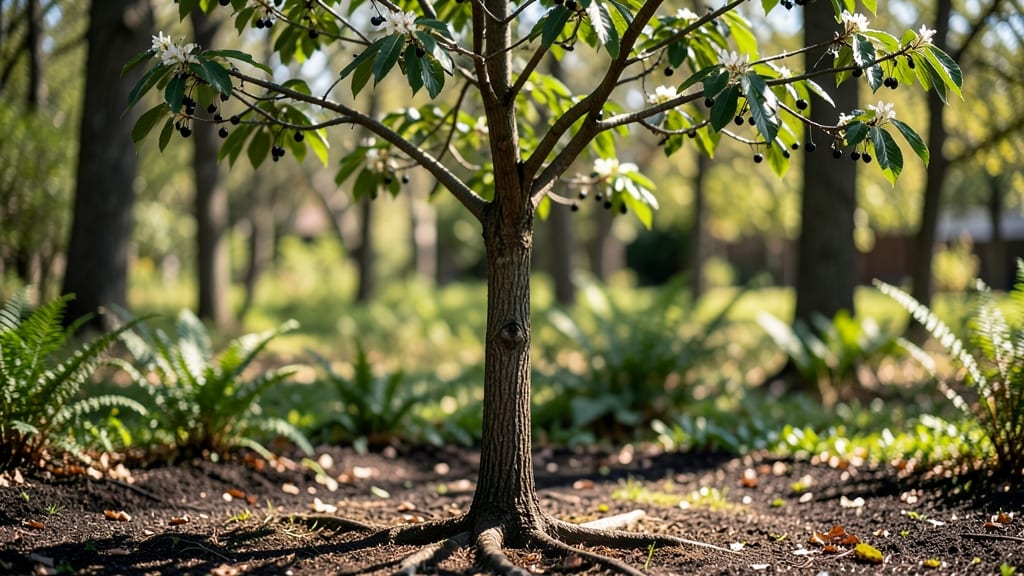
Pruning Georgia cherry trees in winter, summer, and spring unlocks their full potential—thicker canopies, sweeter fruit, and fewer pests. 🌿 I’ve pruned mine for five years, and the difference between a neglected tree and one that thrives in Georgia’s heat and humidity is those three strategic cuts.
The first happens when the tree’s dormant, the second after blooms fade, and the third to shape growth before summer’s peak.
Georgia’s climate demands a different approach than cooler regions. Too much summer heat stresses trees, while humidity invites fungal diseases if cuts aren’t made cleanly.
My sharp pruners and a 50% alcohol solution for sterilizing between cuts are non-negotiable—trust me, you’ll thank yourself later when your tree doesn’t protest with oozing sap or wilted leaves. Focus on removing dead wood first, then thin crowded branches to let air circulate.
What you’ll end up with is a cherry tree that produces heavier, larger fruit and resists Georgia’s most common pests—like peach tree borers—because sunlight reaches every branch. The tree’s structure stays strong, and you’ll avoid the heartbreak of seeing fruit rot from poor airflow.
By late summer, you’ll spot new growth where you made cuts, signaling the tree’s gratitude for your attention.
This method works for both ornamental varieties like Prunus serrulata and fruit-bearing types such as Prunus avium, though fruit trees need slightly more aggressive thinning. Whether you’re dealing with a young sapling or a mature tree, the same principles apply—just adjust the scale.
Ready to transform your cherry tree into a Georgia-proof powerhouse?
📚 In This Guide
- What you need
- Instructions
- Tips and common mistakes
- Wrapping up and next steps
What you need
- ● Pruning shears – Bypass-style (for clean cuts), sharp (replace if dull). 1 pair (20-24" blades for small branches).
- ● Loppers – Bypass or anvil, 20-28" (for branches ½–2" thick). 1 pair.
- ● Pruning saw – Bow or folding saw, 8–10" (for branches 2"+ thick). 1 saw.
- ○ Extension pole – 10–15 ft (for high branches). Optional but helpful.
- ● Gloves – Leather or heavy-duty (protects from thorns and blisters). 1 pair.
- ● Safety glasses – ANSI-rated (prevents debris injuries). 1 pair.
- ● Disinfectant – 70% isopropyl alcohol or pruning sealant (prevents disease spread). Small bottle.
- ○ Pruning paint/sealant – Optional but recommended for cuts > ½" (prevents moisture loss). 1 small tub.
- ○ Tarp or drop cloth – 10x12 ft (catches debris). Optional.
- ● Rake or broom – For cleanup. 1 tool.
- ● Weather check – Prune on a dry, overcast day (avoid wet or windy conditions).
- ● Tree health assessment – Inspect for disease (e.g., brown rot) or pests before pruning.
- ● Local regulations – Check Georgia DNR guidelines if tree is near power lines or protected.
- ● Water source – Have hose or bucket handy for post-pruning hydration (if needed).
Step-by-step guide for pruning Georgia cherry trees
Here's how I maintain healthy, productive cherry trees through Georgia's climate extremes.
✂️ Step 1: Late Winter Cleanup Cut (February)
This is your first critical pruning window—aim for mid-February when the tree is still dormant but before buds swell. Start by removing dead, diseased, or crossing branches first. Use sharp pruning shears to make clean cuts at a 45-degree angle, just outside the branch collar where it meets the trunk. Georgia's winter dieback is common, so look for branches that look brittle or lack bark.
Next, thin the canopy by removing suckers (vigorous shoots at the base) and water sprouts (vertical shoots growing from the trunk or branches). These compete with fruit production. I like to step back every few cuts to visualize the tree's shape—you want an open center that allows sunlight to reach the interior branches. Never remove more than 25% of the canopy in one season, or you'll stress the tree.
✂️ Step 2: Summer Light Pruning (June-July)
After the first flush of fruit drops, do a light maintenance pruning in early June to shape the tree and encourage airflow. Focus on suckers that appear after spring growth and small branches growing inward. Use hand pruners for cuts smaller than ½ inch in diameter. This prevents fungal diseases like brown rot, which thrives in Georgia's humid summers.
Here's the thing—don't overdo it. Just enough to open the canopy so sunlight reaches the center. I always check for insect activity (like borers) during this step. If you see holes or sawdust-like frass, treat immediately with dormant oil spray (but only when leaves are gone). The goal is to keep the tree healthy without inviting pests.
✂️ Step 3: Post-Harvest Structural Pruning (October)
After the last cherry harvest, prune again in late October to prepare for winter. Remove any broken or storm-damaged branches first—Georgia's fall storms can be brutal. Then, focus on thinning out crowded branches to improve fruit production next season. Cut back last year's growth by about ⅓ to encourage new, vigorous shoots.
This is also the time to shape the tree's outline. Use a pruning saw for any branches thicker than 1 inch. Seal larger cuts with pruning sealant to prevent disease entry. I always finish by removing any mummified fruit (dried cherries still clinging to branches) to reduce pest populations over winter.
⏰ Step 4: Winter Dormant Inspection (January)
While not a full pruning session, January is for inspection. Walk around your tree and look for winter burn (brown, crispy leaves) or cankers (sunken, dead areas on branches). Mark any branches that need removal for the February pruning. This step ensures you're not missing anything critical when the growing season starts.
Here's what I do differently: I never prune in fall after leaf drop unless absolutely necessary. Late fall pruning can stimulate new growth that won't harden off before winter, leaving tender shoots vulnerable to frost. Georgia's Zone 7b-8a climate means winter dieback is normal—just be patient and prune strategically.
Tips & tricks for pruning Georgia cherry trees
These strategic insights will help you maintain a thriving cherry tree that produces abundant fruit year after year.
Timing is Everything: The mid-February window for your first pruning is critical because it occurs just before buds begin to swell. This timing ensures you're cutting while the tree is still dormant but ready to respond to spring growth. Georgia's unpredictable winters mean you might need to adjust slightly—if you see buds swelling earlier than expected, prune a week ahead of schedule. The goal is to complete this cut before any new growth appears, which would stress the tree.
Branch Angle Matters: When making cuts in Step 1, the 45-degree angle isn't just about aesthetics—it's about promoting proper healing. Cutting just outside the branch collar (where the branch meets the trunk) allows the tree to seal the wound naturally. I've seen many gardeners make cuts too close to the trunk, which creates larger wounds that invite disease. Always use sharp pruning shears to make clean cuts that heal faster, especially important in Georgia's humid climate where fungal infections spread quickly.
Canopy Visualization Technique: Step back every few cuts during your February pruning to visualize the tree's shape. You want an open center that allows sunlight to penetrate to the interior branches—this prevents the classic "dog-hair" effect where the center becomes too dense. I like to imagine the tree as an umbrella: if you can see light through the canopy when standing directly beneath it, you're doing it right. This open structure also dramatically reduces the risk of fungal diseases like brown rot that thrive in shaded, humid conditions.
Storm Damage Protocol: After Georgia's fall storms, your October pruning becomes even more important. When removing storm-damaged branches, always cut back to a healthy branch or the trunk rather than leaving stubs. For larger branches thicker than 1 inch, use a pruning saw and seal the cuts immediately with pruning sealant. I've seen too many trees develop cankers from improperly sealed cuts—this simple step can save your tree from serious disease issues over winter.
Pro Tips for Cherry Tree Georgia
- These strategic insights will help you maintain a thriving cherry tree that produces abundant fruit year after year.
- Timing is Everything: The mid-February window for your first pruning is critical because it occurs just before buds begin to swell.
- Branch Angle Matters: When making cuts in Step 1, the 45-degree angle isn't just about aesthetics—it's about promoting proper healing.
Frequently asked questions
When is the best time to prune a cherry tree in Georgia?
For sweet cherries, prune in late winter or early spring (February–March) while the tree is still dormant but before buds swell. Sour cherries can also handle light pruning in summer (June–July) to control growth. Avoid heavy pruning in fall—it invites disease risks in Georgia’s humid climate.
Can I prune a cherry tree in summer, or will it hurt the fruit?
Light summer pruning (e.g., removing water sprouts or crossing branches) is safe for sour cherries and won’t harm fruit production. However, avoid heavy pruning during summer—it stresses the tree and can reduce next year’s harvest. Stick to 10–15% of the canopy max per session.
My cherry tree has brown leaves after pruning—is it dying?
Not necessarily! Brown leaves after pruning are often due to stress from cuts too close to the trunk (leave ½-inch stubs) or over-pruning. If the tree is otherwise healthy (green leaves, new growth), it’s likely just recovering. Water deeply and avoid fertilizing until new shoots appear. Fungal issues? Look for black spots or mold—prune in dry weather and sterilize tools with rubbing alcohol.
Are there alternative pruning methods for young vs. mature Georgia cherry trees?
Yes! Young trees (1–3 years): Focus on open-center shaping—remove dead, weak, or inward-growing branches to encourage an upright vase shape. Mature trees (4+ years): Prioritize thinning cuts (removing entire branches at the base) to improve airflow and sunlight penetration. Never top cherry trees—it invites disease and weak growth.
Will pruning my cherry tree increase fruit production?
Strategic pruning boosts fruit quality and yield by:
- Improving air circulation (reduces fungal diseases like brown rot).
- Directing energy to fruit-bearing branches (focus cuts on scaffold limbs).
- Removing old wood (older than 15 years) to rejuvenate growth.
Wrapping up and next steps
Pruning your cherry tree in Georgia isn’t just about aesthetics—it’s the secret to vibrant blooms, bountiful fruit, and long-term tree health! 🌸 By mastering the three strategic cuts (dormant, post-harvest, and light summer trims), you’ll create a thriving tree that rewards you for years.
Whether you’re a seasoned gardener or just starting, consistency is key—so grab your pruners and get ready to transform your yard into a cherry tree paradise!
Ready to take action? Start small: Pick one season’s cut to practice, then build your confidence. Before you know it, your Georgia cherry tree will be the talk of the neighborhood—and you’ll be the proud pruning pro behind it! 🌱✂️