
Pruning
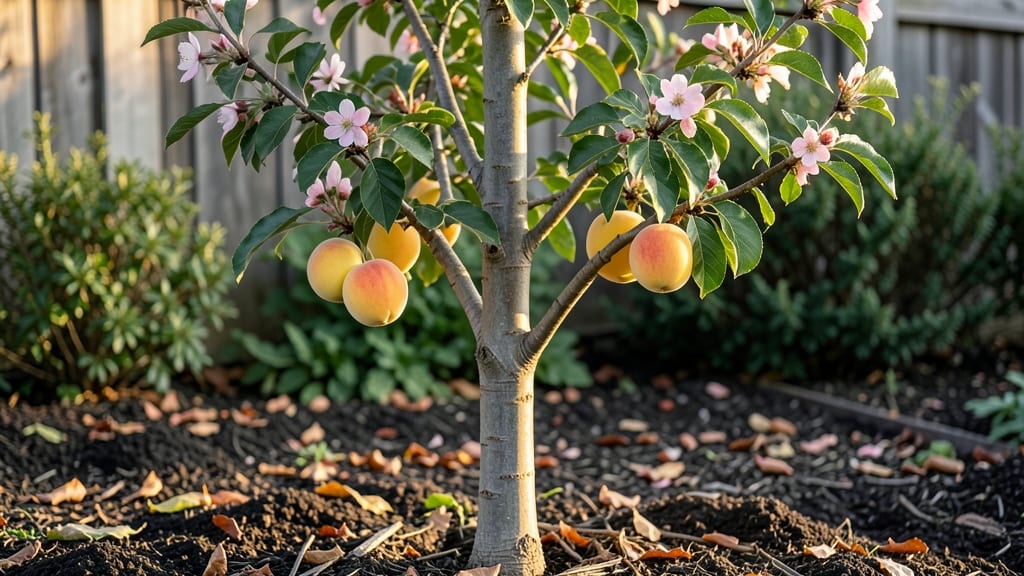
Your freestone peach tree’s productivity depends on four strategic cuts—each one unlocking sweeter fruit and stronger branches. I’ve pruned these trees for years, and the difference between a neglected bush and a thriving one comes down to timing and technique.
The freestone variety, with its easy-to-release pits, rewards careful pruning more than most—think juicier slices and fewer surprises when you pit your preserves.
Start in late winter before buds swell, then repeat in summer after harvest. You’ll need sharp pruners, a ladder for taller trees, and a clear day to see the structure. The goal is to open the canopy for sunlight, remove dead wood, and shape the tree to prevent overcrowding.
My first attempt left too many branches—now I follow a simple rule: keep the strongest, youngest growth and cut at a 45-degree angle just above a bud.
By summer’s end, you’ll notice new shoots filling gaps where old wood once stood. The freestone’s signature trait—its pit detaching cleanly—means your harvest will be easier to process, too. Just avoid pruning when pests are active, and always sterilize tools between cuts to prevent disease.
A well-pruned tree produces fruit for decades, with each cut building on the last.
This method works for both self-pollinating varieties like ‘Reliance’ and cross-pollinating types if you plant a second tree nearby. The key is consistency—skip a season, and the tree fights back with tangled branches.
But once you master these four cuts, your freestone peach will reward you with years of effortless harvests.
📚 In This Guide
- What you need
- Instructions
- Tips and common mistakes
- Wrapping up and next steps
What you need
- ● Pruning shears: Bypass pruners (sharp, 6–8-inch blades) for small branches.
- ● Loppers: 18–24-inch loppers for medium branches (1–3 inches thick).
- ● Pruning saw: Curved-tooth saw for thick branches (3+ inches).
- ● Disinfectant: 70% isopropyl alcohol or a 10% bleach solution (1 part bleach to 9 parts water) to sterilize tools between cuts.
- ● Gloves: Heavy-duty gardening gloves (cut-resistant for protection).
- ○ Tree wound paint: Optional but helpful for sealing large cuts (pruning sealant with copper or sulfur).
- ● Tarp or drop cloth: To collect debris and protect the ground.
- ● Ladder or step stool: Sturdy, stable ladder (if tree is over 6 feet tall).
- ● Pruning rope or twine: For temporary support if removing large branches.
- ● Notebook & pen: To sketch the tree’s structure and note cuts.
- ● Extension pole pruners: For high branches without a ladder.
- ● Pole saw: For very tall trees (10+ feet).
- ● Pruning shears with a ratchet: Reduces hand fatigue for long sessions.
- ● Tree pruning spray: Natural fungicide (copper-based) to prevent disease.
- ● Work gloves with grip: For extra comfort during extended pruning.
Step-by-Step guide to pruning your freestone peach tree
Here's how to keep your tree productive and healthy through every season.
Late Winter Dormant Pruning for Structure
Start in late winter when the tree is fully dormant but before buds swell. This is the most critical cut—it shapes the tree for the entire year. Remove any dead, diseased, or crossing branches first. These are easy to spot: dead wood snaps cleanly when bent, and diseased branches often have blackened cankers or oozing sap.
Next, look for branches growing inward toward the center of the tree. These compete for sunlight and air circulation, creating a dense canopy that invites fungal diseases. Cut these out completely at their point of origin. For larger branches, use clean, sharp pruning shears to make a smooth cut just outside the branch collar—the swollen area where the branch meets the trunk. Avoid leaving stubs, which can rot and attract pests.
Open up the center of the tree by removing about 20-30% of the total branches. This improves airflow and sunlight penetration, which is especially important for freestone peaches that need good air movement to dry fruit quickly and prevent rot. Leave the strongest, most vigorous branches—they’ll bear the best fruit. If you’re unsure which to keep, choose the ones with the most buds and best angle (about 45 degrees from the trunk).
Post-Harvest Summer Pruning for Airflow
After harvest, in late summer, focus on thinning out excess growth and improving airflow. This is when peach trees often sprout vigorous water sprouts—thin, upright shoots that steal energy from fruit production. Remove these entirely, cutting them back to their point of origin. Water sprouts have no fruit buds and only take up space.
Also, look for suckers growing from the base of the tree. These are aggressive and can weaken the main tree. Cut them off at ground level. For larger branches that are overcrowded or rubbing against each other, make your cuts just outside the branch collar. Smooth cuts heal faster and reduce the risk of disease.
This is also the time to shorten overly long branches that are shading the interior of the tree. Trim back the tips by about one-third to encourage bushier growth. You’ll see new side shoots form, which will produce more fruit next season. Avoid heavy pruning now—just light maintenance to keep the tree balanced and healthy.
Light Winter Pruning for Safety
In early winter, before the coldest months, do a quick check for hazardous branches. Look for any that are dead, broken, or weak—these can fall and damage property or injure someone. Remove them immediately, even if it’s not part of your regular pruning plan. Use a pruning saw for thicker branches, making sure to cut just outside the branch collar to promote fast healing.
This is also the time to shape the tree if it’s grown unevenly. Freestone peaches can get top-heavy with fruit, so prune to lower the center of gravity slightly. Remove any branches growing straight upward (called "vertical leaders") unless they’re part of the main scaffold. These are prone to breaking under heavy fruit loads. Instead, encourage outward-growing branches that create a strong, stable structure.
Keep cuts clean and precise. Ragged edges invite disease, so always use sharp tools. After pruning, dispose of any diseased wood immediately—don’t leave it on the ground where it can spread spores. A quick 10% hydrogen peroxide spray on the cuts can help prevent infection, but it’s not always necessary if you’ve used clean tools.
Spring Pruning for Fruit Production
In early spring, just as buds begin to swell but before leaves emerge, do a final light pruning to encourage fruit production. Focus on removing any suckers or water sprouts that appeared over winter. These compete with the main tree for nutrients and can reduce fruit yield.
Next, look for last year’s fruit spurs—short, stubby branches that bore fruit the previous season. These are prime fruit producers, so leave them intact. However, if they’re overcrowded, thin them out slightly to improve air circulation. You’ll know you’ve done well when the tree has an open, vase-like shape with branches spaced evenly around the trunk.
This is also the time to thin out excess fruit buds if needed. While you won’t prune the buds themselves, removing some of the smaller branches that bear them can help the tree focus its energy on fewer, larger peaches. Freestone peaches need good airflow to prevent rot, so don’t be afraid to open up the canopy a bit more. After pruning, give the tree a deep watering to help it recover and prepare for the growing season.
Tips & tricks for pruning your freestone peach tree
Here's what I learned after years of shaping my own peach trees—these small details make all the difference.
Timing is Everything: The late winter pruning window is tight—you want the tree fully dormant but before buds begin to swell. I check for bud swelling by gently pressing a bud; if it feels firm, it's too late. This timing ensures you're not removing next year's fruit-bearing wood. For freestone varieties, this precision matters because they rely on strong framework branches for heavy fruit loads.
Branch Collar Matters: When making cuts in Step 1 and Step 3, always cut just outside the branch collar—the swollen area where the branch meets the trunk. I've made the mistake of cutting too close or leaving stubs, which leads to rot and pest problems. Use clean, sharp pruning shears to make smooth cuts that heal properly. This simple technique prevents disease entry points that can ruin your tree's health.
Airflow Strategy: In Step 2, focus on creating an open vase shape with branches spaced about 12-18 inches apart. I learned this the hard way when my first tree developed fungal issues from poor airflow. The goal is to remove 20-30% of the canopy in late winter, then maintain that openness through summer pruning. This airflow is crucial for freestone peaches as it helps fruit dry quickly after rain, preventing rot.
Seasonal Checklist: Create a simple seasonal pruning checklist: late winter (structure), summer (airflow), early winter (safety), and spring (fruit production). I mark these dates on my calendar and check weather forecasts to avoid pruning before warm spells that might wake the tree too early. This organized approach ensures you don't miss any critical pruning windows throughout the year.
Pro Tips for Freestone Peach Tree
- Here's what I learned after years of shaping my own peach trees—these small details make all the difference.
- Timing is Everything: The late winter pruning window is tight—you want the tree fully dormant but before buds begin to swell.
- Branch Collar Matters: When making cuts in Step 1 and Step 3, always cut just outside the branch collar—the swollen area where the branch meets the trunk.
Frequently asked questions
Got questions about keeping your freestone peach tree thriving?
Here are answers to common concerns—from pruning timing to troubleshooting—so you can grow a productive, healthy tree all year long.
When is the best time to prune a freestone peach tree?
Prune your freestone peach tree in late winter or early spring (before buds swell) for optimal growth. Avoid heavy pruning in summer, as it can stress the tree. Light shaping cuts can be done in fall after harvest, but skip heavy work then—it may invite disease. Timing matters!
Can I prune a freestone peach tree in winter?
Yes, but only if temperatures stay above freezing (32°F/0°C). Winter pruning is ideal for removing dead wood and shaping, but avoid it during hard freezes. If you must prune in cold weather, do it on a mild day and sanitize tools to prevent bacterial spread. Patience pays off!
What’s the difference between freestone and clingstone peach trees when pruning?
Freestone peaches (like ‘Elberta’ or ‘Redhaven’) have easily removable pits, but pruning goals are the same: open the canopy for airflow and sunlight. Clingstone varieties (e.g., ‘O’Henry’) may need slightly less aggressive thinning since their fruit clings tighter—focus on structural cuts over fruit-bearing branches.
My freestone peach tree’s branches are dying—what should I do?
Start by identifying dead branches (no leaves, dark/brittle wood). Prune them back to healthy growth using sterilized tools. Check for peach leaf curl or bacterial canker—common issues. Apply copper fungicide if needed, and improve drainage. If the tree is <50% healthy, it may recover; beyond that, consider replacement.
Can I grow a freestone peach tree in a container?
Yes, but it’s challenging—freestone varieties need space for strong branches. Use a large pot (20+ gallons) with well-draining soil and prune aggressively to control size. Move containers indoors (or to a garage) in winter if temps drop below 20°F (-7°C). Dwarf rootstock helps, but expect smaller yields.
Pro Tip:
Always sterilize pruners with rubbing alcohol between cuts to prevent disease. Freestone peach trees are susceptible to bacterial canker—clean tools save time (and trees!) later.
Wrapping up and next steps
Growing a thriving freestone peach tree is all about timing and technique—those four key cuts we covered will keep your tree healthy, productive, and bursting with juicy fruit for years to come! 🌱 Whether you’re a pruning pro or just starting, consistency is your best friend.
Now that you’ve got the know-how, grab those shears and give your tree the love it deserves.
Ready to take the next step? Start by marking your calendar for this year’s pruning schedule—your future harvest will thank you! 🍑✨