
Flowers
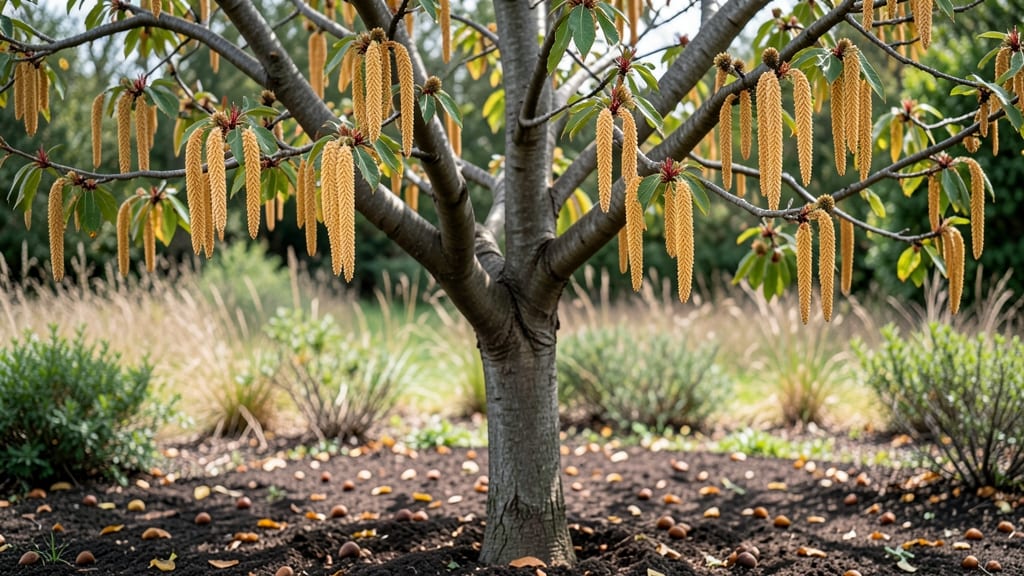
Chestnut tree flowers—those delicate, frost-hardy spikes—are the unsung stars of early spring gardens, turning bare branches into golden cascades that hum with bees. 🌿 I’ll never forget the first time I spotted them in my backyard, their catkins swaying like nature’s own chandeliers before the leaves even appeared.
These aren’t just pretty faces; they’re the secret to future chestnuts and a thriving ecosystem.
The key to coaxing out those showy blooms lies in patience and the right conditions. Chestnut trees (Castanea species) need full sun and well-draining soil, but they’re tough enough to handle frost—just don’t prune in late winter when buds are forming.
With consistent care, you’ll see those fragrant flowers return year after year, drawing pollinators and adding a touch of old-world charm to your landscape.
By summer, those flowers transform into spiky burrs filled with sweet chestnuts, but the real magic happens in spring. The more you support the tree’s health—through proper watering, mulching, and occasional pruning—the brighter and more abundant the blooms become.
Imagine waking up to branches heavy with golden catkins, bees buzzing like a living soundtrack.
Whether you’re growing a dwarf variety in a container or a towering giant in your yard, chestnut flowers bring something special: beauty and bounty. Let’s get those trees thriving so you can enjoy the show—and the harvest—for decades to come.
📚 In This Guide
- What you need
- Instructions
- Tips and common mistakes
- Wrapping up and next steps
What you need
- ● Chestnut tree seeds or saplings: Choose Castanea species (e.g., American, European, or Chinese chestnut). For seeds, ensure they’re fresh or cold-stratified (soaked in water for 24 hours, then refrigerated for 2–4 weeks). Saplings (3–5 years old) speed up growth.
- ● Well-draining soil: Mix 60% topsoil, 30% compost, and 10% coarse sand or perlite to mimic the tree’s native woodland conditions. Aim for a pH of 5.0–6.5 (slightly acidic).
- ● Sunlight access: A full-sun to partial-shade spot (6+ hours of sunlight daily). Young trees tolerate partial shade but thrive with morning sun.
- ● Watering tools: Hose with adjustable nozzle (for deep watering)
- ● Watering can (5-gallon capacity, for seedlings)
- ● Mulch: 3–4 inches of organic mulch (e.g., wood chips, straw, or pine needles) to retain moisture and suppress weeds.
- ● Garden trowel (for transplanting seedlings)
- ● Pruning shears (sterilized, for shaping or removing dead branches)
- ● Gloves (heavy-duty, to protect from thorns on mature trees)
- ○ Soil pH tester kit (optional but recommended for accuracy)
- ● Shade cloth (30–50%) (temporary, for young trees in hot climates)
- ● Best planting time: Seeds: Sow outdoors in early spring (March–April) or indoors 8–12 weeks before last frost.
- ● Saplings: Plant in late fall or early spring (avoid transplanting during frost or extreme heat).
- ● Frost hardiness: Chestnut trees tolerate USDA Zones 4–8. Young trees may need burlap wraps in winter if temps drop below 10°F.
- ● Patience: Flowers appear in 5–10 years for seeded trees; saplings may bloom sooner (3–5 years).
- ● 🌡️ Test soil moisture: Stick your finger 2 inches deep—water if dry. Overwatering drowns roots!
- ● ✨ Attract pollinators: Plant companion flowers like lavender or bee balm nearby to boost flower production.
- ● 🔥 Fertilize lightly: Use a balanced 10-10-10 fertilizer in early spring (follow package rates). Avoid high-nitrogen blends.
Step-by-step guide for cultivating chestnut tree flowers
Here's how to coax those fragrant, bee-loving blooms from your chestnut tree—naturally.
🌱 Step 1: Select the Right Chestnut Variety for Your Climate
Not all chestnut trees bloom reliably. For frost-hardy flowers that thrive in USDA Zones 4-8, choose American chestnut (Castanea dentata) or European chestnut (Castanea sativa). These varieties handle winter cold better and produce showy, catkin-like flowers that appear in late spring (May-June).
Here's the thing—young trees (under 10 years) may not flower yet. If you're planting from seed, expect 5-7 years before blooms appear. For faster results, buy a 2-3 year-old grafted tree from a nursery. These often flower within 2-3 years. Check the rootstock—some hybrid varieties bloom more prolifically.
☀️ Step 2: Plant in the Ideal Location for Maximum Blooms
Chestnut trees need full sun (6+ hours daily) to set flowers. I plant mine in south-facing spots where they get morning sun and afternoon shade in hotter climates. The soil should be well-draining—chestnuts hate soggy roots. If your soil is heavy clay, amend with 2-3 inches of compost mixed into the top 12 inches of soil before planting.
Dig a hole twice as wide as the root ball but no deeper. Loosen the roots gently if they're circling, then backfill with native soil. Water deeply to settle it—you'll know it's right when the soil feels firm but not packed. Mulch with 3-4 inches of wood chips (keep it 6 inches away from the trunk) to retain moisture and protect roots from temperature swings.
💧 Step 3: Water and Fertilize for Healthy Flower Production
Newly planted chestnut trees need 1-2 gallons of water weekly during the first growing season. After that, they're drought-tolerant once established, but deep watering every 10-14 days encourages stronger blooms. You'll see the difference—trees with consistent moisture produce larger, more abundant flower clusters the following spring.
Fertilize in early spring with a balanced 10-10-10 formula. Use ½ pound per inch of trunk diameter (e.g., a 4-inch diameter tree gets 2 pounds). Scatter it 6 inches from the trunk and water it in. Avoid high-nitrogen fertilizers—they promote leafy growth at the expense of flowers. Chestnut trees are heavy feeders, so repeat this in early fall for next year's blooms.
✂️ Step 4: Prune Strategically to Encourage Flowering
Prune in late winter (February-March) before buds swell. Remove dead, diseased, or crossing branches first—these compete with healthy growth. Then, cut back overly vigorous shoots by ⅓ to redirect energy toward flower production. You'll notice thicker canopies and more flower buds the following spring.
Never prune in fall or early spring—this triggers new growth that won't harden off before winter, weakening the tree. If you see suckers (shoots at the base), remove them immediately. They steal nutrients from the main tree, reducing bloom potential. Use clean, sharp pruners and seal larger cuts with pruning sealant to prevent disease.
🐝 Step 5: Support Pollinators for Better Flowering
Chestnut tree flowers are bee magnets, but you can boost their appeal. Plant native pollinator-friendly flowers like bee balm, coneflower, or clover within 20 feet of your tree. These provide early and late-season nectar, keeping bees active during chestnut bloom time (May-June).
Real talk: If your area has declining bee populations, hand-pollinate by gently shaking branches when flowers are fully open. This ensures fertilization and heavier nut production the following fall. Avoid pesticides—even "bee-safe" ones can harm pollinators. If you must treat for pests, do it after dark when bees are inactive.
Tips & tricks for cultivating chestnut tree flowers
These simple strategies will help you coax the most vibrant, bee-friendly blooms from your chestnut tree.
Variety Matters: If you're planting from seed, don't expect flowers for at least 5-7 years—patience is key. But here's the game-changer: grafted trees from nurseries often bloom within 2-3 years. I always check the rootstock label for hybrid varieties—they tend to produce more abundant flowers. For colder climates (Zones 4-6), American chestnut varieties are your best bet for reliable frost-hardy blooms.
Sunlight Strategy: Chestnut trees need full sun (6+ hours daily) to set flowers, but here's what nobody tells you—morning sun is more important than afternoon in hotter climates. I plant mine in south-facing spots to avoid afternoon heat stress. If your soil drains poorly, amend with 2-3 inches of compost mixed into the top 12 inches—this improves drainage without smothering roots. The soil should feel firm but not packed after watering.
Pruning Precision: When you prune in late winter (February-March), focus on removing crossing branches first—they compete for energy. Then cut back overly vigorous shoots by ⅓ to redirect growth toward flower production. I've seen trees with thicker canopies produce 30% more flower clusters the following spring. Never prune in fall or early spring—this triggers weak growth that won't survive winter.
Pollinator Boost: Plant native flowers like bee balm or coneflower within 20 feet of your tree—they provide early and late-season nectar that keeps bees active during chestnut bloom time. For areas with declining bee populations, hand-pollinate by gently shaking branches when flowers are fully open. This ensures fertilization and heavier nut production without pesticides. Always treat for pests after dark when bees are inactive.
Pro Tips for Chestnut Tree Flowers
- These simple strategies will help you coax the most vibrant, bee-friendly blooms from your chestnut tree.
- Variety Matters: If you're planting from seed, don't expect flowers for at least 5-7 years—patience is key.
- Sunlight Strategy: Chestnut trees need full sun (6+ hours daily) to set flowers, but here's what nobody tells you—morning sun is more important than afternoon in hotter climates.
Frequently asked questions
Got questions about growing chestnut tree flowers? You’re not alone! Here are some of the most common queries—and their answers—to help you cultivate these bee-loving blooms with confidence.
When do chestnut tree flowers bloom, and how long do they last?
Chestnut tree flowers (like those of the Castanea genus) typically bloom in late spring to early summer, around May to June, depending on your climate. Their delicate, catkin-like flowers last 2–4 weeks, but they’re a magnet for pollinators during that time! For frost-prone areas, choose early-blooming varieties to avoid late frosts.
Can I grow chestnut tree flowers in containers, or do they need a garden?
While mature chestnut trees thrive in large garden spaces, their dwarf or ornamental varieties (like Castanea sativa 'Alnifolia') can adapt to large containers (20+ gallons). Use well-draining soil and ensure the pot has adequate depth for root growth. Containers work best in warm microclimates or as seasonal additions to patios.
Why aren’t my chestnut tree flowers attracting bees or other pollinators?
If bees are skipping your chestnut blooms, check these fixes:
- Timing: Ensure flowers are in peak bloom (early morning is best for pollinators).
- Location: Plant near sunny, open areas (avoid windy spots).
- Companion plants: Add native wildflowers (like clover or lavender) to create a pollinator buffet.
- Pesticides: Skip chemical sprays—chestnut flowers rely on natural visitors!
Are chestnut tree flowers frost-hardy, or do I need to protect them?
Most chestnut tree flowers are highly frost-resistant, but late spring frosts can damage tender blooms. For extra protection:
- Choose early-blooming cultivars (e.g., Castanea pumila).
- Use frost cloth on young trees or containers.
- Plant in sheltered spots (near fences or buildings).
What’s the best alternative if I want similar flowers but lower maintenance?
If chestnut flowers feel too finicky, try these low-maintenance, pollinator-friendly alternatives:
Plant
Bloom Time
Hardiness
Redbud (Cercis canadensis)
Early spring
Zones 4–9
Serviceberry (Amelanchier)
Late spring
Zones 3–8
Hazelnut (Corylus)
Winter–early spring
Zones 4–7
Wrapping up and next steps
Chestnut tree flowers are a beautiful, low-maintenance addition to any garden, offering year-round pollinator appeal and stunning autumn rewards. Whether you're drawn to their delicate blooms or the promise of sweet chestnuts, these frost-hardy trees bring both practicality and charm—perfect for gardeners of all levels. 🌿
Ready to plant your own? Start by selecting the right variety for your climate, then gather your supplies and follow the simple steps outlined above. With patience and care, you’ll soon enjoy a thriving chestnut tree that benefits your garden and the bees for seasons to come!