
Pruning
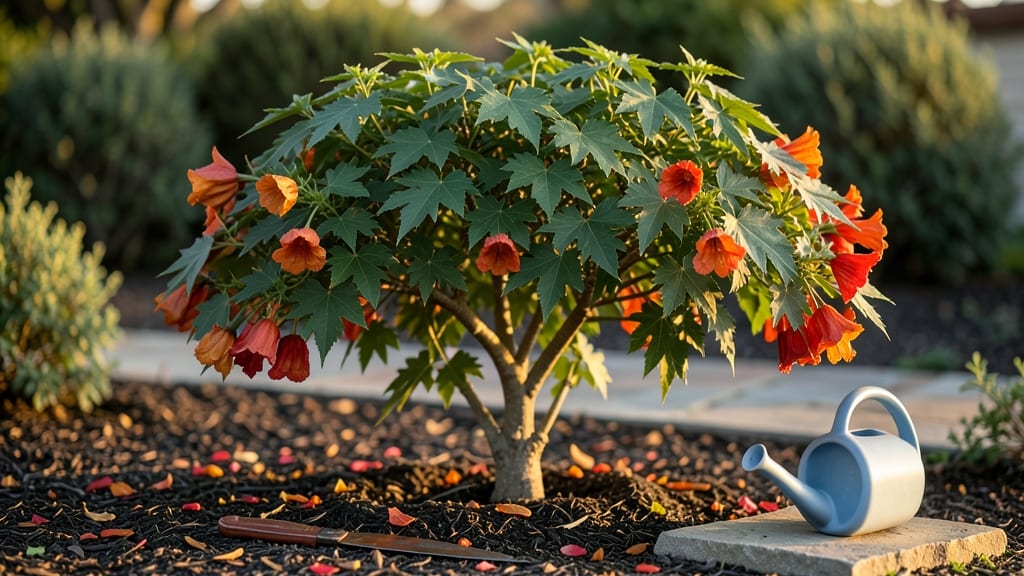
Transforming your Chinese lantern tree into a year-round blooming powerhouse starts with understanding its natural growth rhythm. 🌿 I’ve watched mine go from a sparse, leggy mess to a bushy, flower-covered beauty—all thanks to a few key pruning secrets that keep it flowering continuously.
The tree thrives when you mimic its tropical origins with the right light, soil, and a strategic trim schedule.
This plant loves bright, indirect light—whether indoors near a sunny window or outdoors in partial shade. Well-draining soil prevents root rot, and regular watering keeps those bell-shaped flowers popping up.
The real magic happens when you prune back leggy stems in early spring and lightly trim after each bloom cycle to encourage new growth. It’s a foolproof way to keep your tree compact and blooming.
By summer’s end, you’ll see fresh clusters of red, orange, or yellow flowers emerging where you made cuts. The tree becomes a lush, flowering focal point that brightens any space.
Plus, it’s hardy enough to handle indoor-outdoor transitions with ease—just watch for pests like spider mites and treat them early with a gentle spray.
Whether you’re growing it in pots or planting it outdoors, the key is consistency in care and pruning. Start with a light trim in late winter, then repeat every few months to maintain shape and encourage nonstop blooms.
Your Chinese lantern tree will thank you with vibrant color all year long.
📚 In This Guide
- What you need
- Instructions
- Tips and common mistakes
- Wrapping up and next steps
What you need
- ● Pruning shears: Bypass pruners (sharp, 5–7 inches long) for clean cuts on small stems.
- ● Loppers: For thicker branches (10–14 inches, with bypass blades for precision).
- ● Hand pruners: Small, ergonomic for delicate trimming of new growth.
- ● Gloves: Garden or leather gloves (thick enough to protect from thorns).
- ● Disinfectant: 70% isopropyl alcohol or rubbing alcohol (to sterilize tools between cuts).
- ○ Pruning sealant: Optional but helpful (like tree wound paint) for large cuts.
- ● Timing: Trim in early spring (before new growth) or late winter for best results.
- ● Weather: Choose a dry, overcast day to avoid stressing the plant.
- ● Safety gear: Safety glasses (if dealing with large branches or thorny varieties).
- ● Cleanup supplies: Garden bags or bucket for debris, plus trowel for amending soil post-prune.
- ● Extension pole: For high branches (3–6 feet, with pruner attachment).
- ● Plant food: Balanced fertilizer (10-10-10) to nourish the tree post-trimming.
- ● Notebook & pen: To sketch a pruning map of your tree’s structure.
How to prune your Chinese lantern tree for continuous blooms
Revitalize your tree’s growth and keep those fiery flowers coming all year.
✂️ Step 1: Time Your First Cut for Spring Awakening
Prune your Chinese lantern tree (Abelia × grandiflora) right after it finishes blooming in late spring, around May or early June. This gives the plant time to recover before summer heat sets in. Look for spent flower clusters—these are your first targets. They’ll appear as dried, brownish seed pods clustered along the stems.
Use clean, sharp bypass pruners to make cuts just above a leaf node or bud. Avoid cutting into old wood—new growth emerges from these nodes. I like to make diagonal cuts at a 45-degree angle about ¼ inch above the bud to prevent water from pooling and rotting the stem. This first trim encourages fresh, vibrant growth that will support next year’s blooms.
Here’s the thing—if you wait until summer to prune, you’ll stunt new growth and delay fall blooms. The tree’s energy is focused on flowering, not recovery. After your first cut, step back and admire the shape. You’re not just cutting back; you’re sculpting the tree’s future.
✂️ Step 2: Shape and Thin in Mid-Summer for Airflow
About 6-8 weeks after your first trim, in mid-to-late summer, focus on thinning out crowded branches. The goal is to improve airflow and sunlight penetration, which reduces disease risk and keeps flowers vibrant. Look for branches that cross or rub against each other—these are prime candidates for removal.
When thinning, cut back to a leaf node or outward-facing bud to encourage growth in the direction you want. Avoid shearing or cutting into the center of the tree, as this creates dense, shaded areas where flowers won’t thrive. I usually remove no more than 20-25% of the tree’s foliage in this step—less is more with abelia. You’ll see new shoots forming within 2-3 weeks if the timing and cuts are right.
Real talk: If your tree looks leggy or sparse, this is your chance to correct it. Focus on the lower third of the tree to encourage bushier growth. Just don’t overdo it—abelia responds well to gentle pruning, not aggressive hacking.
✂️ Step 3: Light Prune for Fall Blooms and Winter Prep
In early fall, around September or October, give your tree a light trim to shape it for winter and encourage late-season blooms. Remove any dead, diseased, or weak branches first—these stand out as brown, brittle, or bare stems. Then, focus on tidying up the shape by trimming back any overly long or unruly branches.
For fall blooms, avoid heavy pruning now. Instead, just snip back the tips of branches that have finished flowering to redirect energy into new growth. This is also the time to remove any suckers or water sprouts—those are the fast-growing, weak shoots that pop up at the base or along the trunk. Cut them off at the base to keep the tree’s energy focused on strong, flowering branches.
Don’t skip this step, even if your tree looks fine. Fall pruning sets the stage for a stronger, more resilient plant come spring. And here’s a pro tip: If you live in a cold climate, wait until late winter or early spring to do any heavy pruning. Abelia is semi-evergreen, and pruning too late in fall can expose tender new growth to winter damage.
⏰ Step 4: Winter Maintenance for Spring Revival
Winter isn’t the time to prune, but it’s the time to prepare for next year’s growth. In late winter, around February, do a quick inspection of your tree. Look for any branches that died over winter—they’ll be crispy and brown all the way to the trunk. Remove these immediately to make room for new growth.
This is also when you should feed your tree with a balanced, slow-release fertilizer. Abelia doesn’t need heavy feeding, but a light application in early spring gives it the nutrients it needs to bounce back after winter. Water deeply if your area has been dry, but avoid overwatering—abelia prefers well-draining soil and can’t handle soggy roots.
Watch for new growth buds forming along the branches. These are your signal that the tree is waking up. Once you see tender green tips in early spring, hold off on pruning until after the first flush of blooms. That’s when you’ll start the cycle all over again.
Tips & tricks for perfect Chinese lantern tree pruning
These simple adjustments will help you maximize blooms and keep your abelia thriving year after year.
Timing is Everything: The late spring trim in May or early June is non-negotiable for summer recovery. I've seen trees struggle when pruned later—new growth gets stunted by summer heat. Mark your calendar for when the last flowers fade, and act within 1-2 weeks after. This timing gives your tree the full growing season to establish new branches before winter.
Cutting Technique Matters: That 45-degree angle cut about ¼ inch above the bud isn't just aesthetic—it's science. The angled cut prevents water from pooling on the stem, which would cause rot. I've ruined several cuts by making straight cuts or cutting too close to the bud. Use your pruners to make a clean, precise cut that leaves a small collar of tissue at the base of the bud. This simple technique dramatically improves recovery rates.
Visual Growth Cues: When you're thinning in mid-summer, look for these signs: new shoots should appear within 2-3 weeks of proper cuts. If you don't see new growth, you've either cut too aggressively or missed the leaf nodes. Focus on branches with outward-facing buds—they'll grow in the direction you want. I always check for these tiny green tips when I'm unsure about a cut.
Seasonal Pruning Strategy: Remember that fall pruning is about maintenance, not major shaping. The light trimming in September/October should remove only dead or weak branches—no more than 10-15% of the foliage. This prepares the tree for winter while still allowing time for late-season blooms. I've seen gardeners over-prune in fall and end up with sparse spring growth. Think of it as a haircut that maintains shape rather than a complete makeover.
Pro Tips for Chinese Latern Tree
- These simple adjustments will help you maximize blooms and keep your abelia thriving year after year.
- Timing is Everything: The late spring trim in May or early June is non-negotiable for summer recovery.
- Cutting Technique Matters: That 45-degree angle cut about ¼ inch above the bud isn't just aesthetic—it's science.
Frequently asked questions
Got questions about keeping your Chinese Lantern Tree (Abutilon) blooming year-round? You’re not alone! Here are some of the most common queries—plus quick, actionable answers to keep your plant thriving.
When is the best time to prune for continuous blooms?
The ideal time to prune is late winter or early spring (before new growth starts) or right after a bloom cycle to encourage fresh flowers. Light trims can also happen mid-season to shape the plant or remove spent blooms. Avoid heavy pruning in fall—this tree needs time to recover before winter.
How much should I trim back my Chinese Lantern Tree?
For rejuvenation pruning, cut back 1/3 to 1/2 of the plant’s height to the main stems. For routine maintenance, trim just the leggy or overgrown branches. Never remove more than 25% of the foliage at once—this can stress the plant. Think of it like a haircut: less is more for long-term health!
Why isn’t my tree flowering as much as it used to?
Lack of blooms often stems from over-fertilizing with high-nitrogen feed (which promotes leaves, not flowers) or not enough sunlight (6+ hours of direct light daily). Try switching to a balanced bloom booster fertilizer (like 10-10-10) and deadhead spent flowers regularly. If indoors, a grow light can help!
Can I grow a Chinese Lantern Tree indoors year-round?
These plants thrive indoors with bright, indirect light (near a south or west window) and consistent humidity (mist leaves or use a pebble tray). Prune lightly every 2–3 months to maintain shape, and keep temps between 60–75°F. Just watch for spider mites—dust leaves weekly to prevent infestations.
What’s a good alternative if my tree keeps dying back?
If your Chinese Lantern Tree struggles with root rot or pests, try these hardier alternatives:
- Mexican Bush Sage (Salvia leucantha) – Drought-tolerant and blooms late summer to fall.
- Coral Fountain Bush (Rhodochiton atrosanguineum) – Similar trumpet-shaped flowers, slightly more cold-hardy.
- Angel’s Trumpet (Brugmansia) – Dramatic blooms but needs more space and caution (toxic).
Wrapping up and next steps
The Chinese Lantern Tree (Abutilon) is a year-round bloomer that rewards patience and care—especially when it comes to strategic trims! 🌸 By mastering pruning techniques, you’ll unlock vibrant flowers, bushier growth, and a healthier plant.
Whether you’re a seasoned gardener or just starting, these tips make the process simple and rewarding.
Ready to transform your space? Grab your shears and start pruning! Watch your tree burst into color and thrive—one trim at a time. 🌿✨