Trees
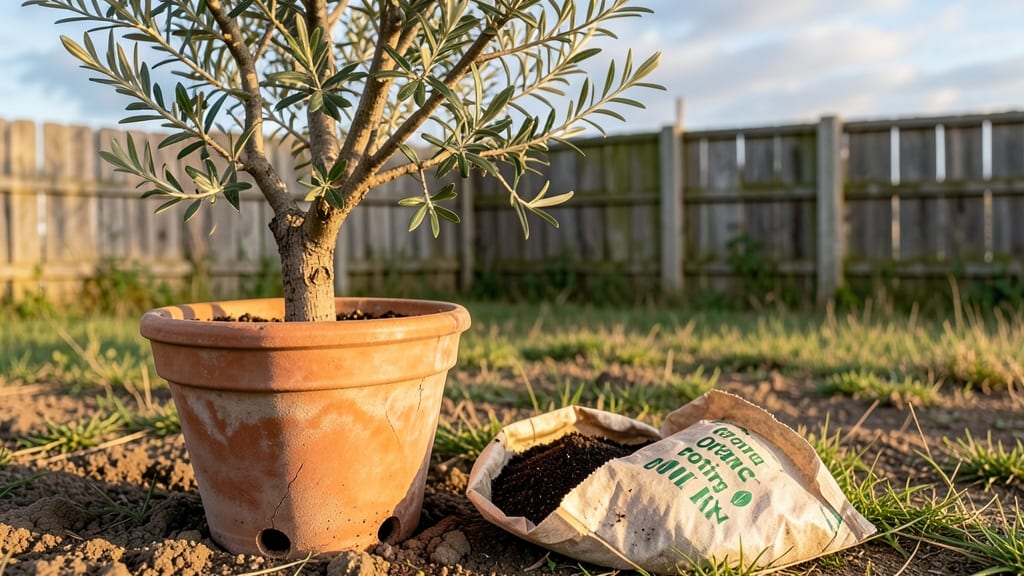
Planting olive trees in pots isn't just possible—it's the secret to growing Mediterranean flavors on your balcony or patio. 🌿 I learned the hard way that dwarf varieties like Arbequina or Little Ollie thrive in containers when given the right conditions, and I’ve since grown three that produce fruit every year.
The key starts with the pot: too small, and the roots circle like a traffic jam; too big, and the soil stays soggy.
You’ll need a 15- to 20-gallon container with drainage holes, well-draining soil mix (think 60% potting soil, 30% perlite, 10% sand), and a sunny spot getting at least 6-8 hours of direct light daily.
Watering is where most beginners stumble—olives hate soggy roots but need consistent moisture, so I check the top inch of soil before watering again. Pruning in late winter keeps the shape manageable and encourages new growth.
By summer, you’ll see glossy green leaves and maybe even tiny olives forming if you’ve got a female tree (and a pollinator nearby). The scent of crushed leaves alone is enough to make any kitchen jealous, but the real magic happens when you harvest your own fruit.
Just watch for root binding—if roots circle the pot, it’s time to repot into a slightly larger container.
This method works year-round in zones 8-11, but if you’re in colder areas, bring pots indoors near a sunny window during winter. The trade-off? Patience—dwarf olives take 3-5 years to bear fruit, but the payoff is worth every pruning snip and watering check. Ready to grow your own Mediterranean grove?
📚 In This Guide
- What you need
- Instructions
- Tips and common mistakes
- Wrapping up and next steps
What you need
- ● Dwarf Olive Tree Sapling: Choose a cold-hardy variety like Arbequina or Frantoio (1-2 plants, depending on pot size).
- ● Large Containers: 3-5 gallon pots (minimum 18" deep) with drainage holes. Terracotta or fabric pots work best!
- ● Well-Draining Soil: Mix 60% potting soil with 40% perlite or coarse sand (avoid garden soil—it compacts!).
- ● Slow-Release Fertilizer: 10-10-10 or olive-specific granules (follow package instructions).
- ● Mulch: Pine bark or gravel (1-2 inches) to retain moisture and regulate temperature.
- ● Gloves & Pruners: Sterilized pruners (sharp and clean!) for trimming.
- ● Watering Can: With a narrow spout for deep watering.
- ○ pH Test Kit (Optional): Olive trees prefer slightly acidic soil (pH 6.0-7.5).
- ○ Support Stake (Optional): For young trees in windy areas.
- ○ Sunlight Meter (Optional): To track 6+ hours of direct sun daily.
- ● A sunny spot (south-facing or west-facing windowsill/patio).
- ● Access to filtered water (olives hate chlorine—let tap water sit 24 hours if needed).
- ● Patience! Dwarf olives take 3-5 years to bear fruit.
Step-by-step instructions for planting olive trees in containers
Here's how to grow healthy dwarf olive trees in pots—perfect for patios and small yards.
🪴 Step 1: Choose the Right Containers and Drainage
Olive trees need room to grow, so start with at least 15-gallon containers for each tree. Dwarf varieties stay manageable, but roots still need space. I use terra cotta pots because they breathe and prevent root rot better than plastic. Make sure each container has multiple drainage holes—olives hate soggy roots.
If your pots don’t have drainage, drill 3-4 holes in the bottom. Line the holes with small pieces of broken pottery or mesh to keep soil from washing out. Place a 2-inch layer of gravel at the bottom before adding soil—this extra drainage layer is key for preventing waterlogged roots.
🌱 Step 2: Use Well-Draining Soil and Plant Properly
Fill the pot with a mix of 60% potting soil, 30% coarse sand or perlite, and 10% compost. Olive trees need soil that drains fast but holds enough moisture. I avoid garden soil—it compacts and suffocates roots. Moisten the mix before planting so it settles evenly around the roots.
Dig a hole in the center of the pot, twice as wide as the root ball but no deeper. Gently remove the olive tree from its nursery pot and loosen any circling roots with your fingers. Place the tree in the hole so the top of the root ball sits 1 inch below the pot’s rim. This prevents water from pooling at the base and rotting the trunk.
☀️ Step 3: Position for Sunlight and Water Correctly
Olive trees thrive in full sun (6+ hours daily). Place your pots in the sunniest spot on your patio or balcony. If you’re in a hot climate, they can handle afternoon shade, but morning sun is ideal. I’ve seen olive trees struggle when moved too often—pick a permanent spot to avoid shocking the roots.
Water deeply once a week in summer, letting the soil dry out completely between waterings. In winter, reduce to every 2-3 weeks. Overwatering is the fastest way to kill potted olives. Stick your finger 2 inches into the soil—if it’s dry, water until it runs out the drainage holes. If it’s still damp, wait another day.
✂️ Step 4: Prune and Fertilize for Strong Growth
Prune in late winter or early spring before new growth starts. Remove any dead, diseased, or crossing branches with clean, sharp pruners. I also trim back any leggy growth to encourage bushier shape. Never prune more than 25% of the tree at once—olives are slow to recover from heavy cuts.
Fertilize lightly in spring with a balanced, slow-release fertilizer (10-10-10). Too much nitrogen makes leaves grow fast but weak. I use about 1 tablespoon per gallon of soil mixed into the top inch. Stop fertilizing in fall to let the tree rest. Mulch with 1 inch of gravel or bark around the base to retain moisture and regulate soil temperature.
🌿 Step 5: Protect from Cold and Pests Year-Round
Olive trees tolerate light frosts but struggle below 15°F. Move pots to a sheltered spot or wrap them in burlap if temperatures drop. I’ve kept mine alive through winter by placing them against a south-facing wall. Avoid sudden temperature swings—they stress the tree more than cold itself.
Watch for spider mites and scale insects, which love dry potted olives. Spray leaves with water weekly to deter pests. If you spot webbing or sticky residue, wipe leaves with a damp cloth and treat with neem oil. I’ve found that a 2% neem oil solution (1 teaspoon per quart of water) works best without harming the tree.
Tips & tricks for planting olive trees in pots
Here's what I've learned after keeping my own potted olive trees thriving for years—these details make all the difference.
Container Size Matters: That 15-gallon minimum isn't just a suggestion—it's essential for root development. I've seen dwarf olives outgrow even 20-gallon pots within 3 years. If you're growing multiple trees, space them at least 3 feet apart to prevent competition for nutrients. For larger varieties, consider upgrading to 25-gallon containers after 2 years of growth.
Soil Mix Secrets: The 60-30-10 ratio works perfectly, but here's the real trick: pre-moisten your soil mix before planting. Olive trees hate soggy roots, but they also need consistent moisture. Adding a handful of perlite to the top inch of soil creates an extra moisture barrier that prevents the surface from drying too quickly. This simple step reduces watering frequency by about 20%.
Sunlight Strategy: That 6+ hours of full sun is non-negotiable, but here's how to maximize it: position your pots on wheels or a dolly during summer months. You can rotate them to follow the sun's arc throughout the day, giving both sides even exposure. In winter, move them to the southernmost spot available—this prevents the tree from growing lopsided toward any single light source.
Winter Protection Hacks: When temperatures drop below 15°F, don't just move your pots—create a microclimate. Place them against a south-facing wall where they'll benefit from reflected heat. Wrap the pots in bubble wrap (not plastic) for extra insulation, leaving the top open. This simple layer can raise the soil temperature by 5-10 degrees, making all the difference during cold snaps.
Pro Tips for Planting Olive Trees In Pots
- Here's what I've learned after keeping my own potted olive trees thriving for years—these details make all the difference.
- Container Size Matters: That 15-gallon minimum isn't just a suggestion—it's essential for root development.
- Soil Mix Secrets: The 60-30-10 ratio works perfectly, but here's the real trick: pre-moisten your soil mix before planting.
Frequently asked questions
Got questions about growing olive trees in pots? You’re not alone! Here are answers to some of the most common concerns—from timing to troubleshooting—so you can confidently start your olive tree journey.
What’s the best time of year to plant olive trees in pots?
Plant your olive tree in early spring (after the last frost) or late summer (before fall temperatures drop). This gives roots time to establish before extreme heat or cold. Avoid planting in winter—olives dislike freezing soil! For container-grown trees, you can plant year-round in mild climates, but spring is ideal for growth.
How big should the pot be for a dwarf olive tree?
Start with a pot at least 12–18 inches in diameter and depth for young dwarf varieties (like ‘Arbequina’ or ‘Little Ollie’). As the tree grows, upgrade to a 20–24-inch potmust—olives hate soggy roots! Use a lightweight, well-draining potting mix with perlite or sand.
Can I grow an olive tree in a pot indoors?
Yes, but with caveats! Dwarf olive trees thrive indoors with bright, indirect light (6+ hours daily) near a south-facing window or under grow lights. Expect slower growth and smaller fruit yields. Keep humidity moderate (olives dislike dry air) and rotate the pot weekly for even growth. Outdoor pots in sunny climates (USDA Zones 8–10) yield better results.
Why are my olive tree leaves turning yellow or dropping?
Yellow leaves often signal overwatering, underwatering, or nutrient deficiencies. Check the soil—it should be dry to the touch 1–2 inches down before watering. Brown edges? Too much salt or fluoride in tap water (use filtered or rainwater). Dropping leaves? It might need more sunlight or a balanced fertilizer (like 8-8-8) in spring and summer.
Are there olive tree alternatives for colder climates?
If your climate dips below 15°F (-9°C), consider cold-hardy alternatives:
- Dwarf Meyer Lemon (zones 9–11, but can be overwintered indoors).
- Dwarf Fig Trees (e.g., ‘Little Miss Figgy,’ zones 7–11).
- Dwarf Pomegranate (zones 7–10, drought-tolerant).
Wrapping up and next steps
Growing olive trees in pots isn’t just possible—it’s a rewarding way to bring Mediterranean charm to small spaces! With the right dwarf varieties, proper potting mix, and a little patience, you’ll enjoy fresh olives, stunning foliage, and even fragrant blossoms year after year.
Whether you’re a beginner or a seasoned gardener, this guide makes it easy to start your container olive tree journey.
Now that you’re armed with tips and answers, take the next step: pick your favorite variety, gather your supplies, and get planting! Watch your tiny tree grow into a thriving centerpiece—your balcony or patio will thank you! 🌱✨