
Flowers
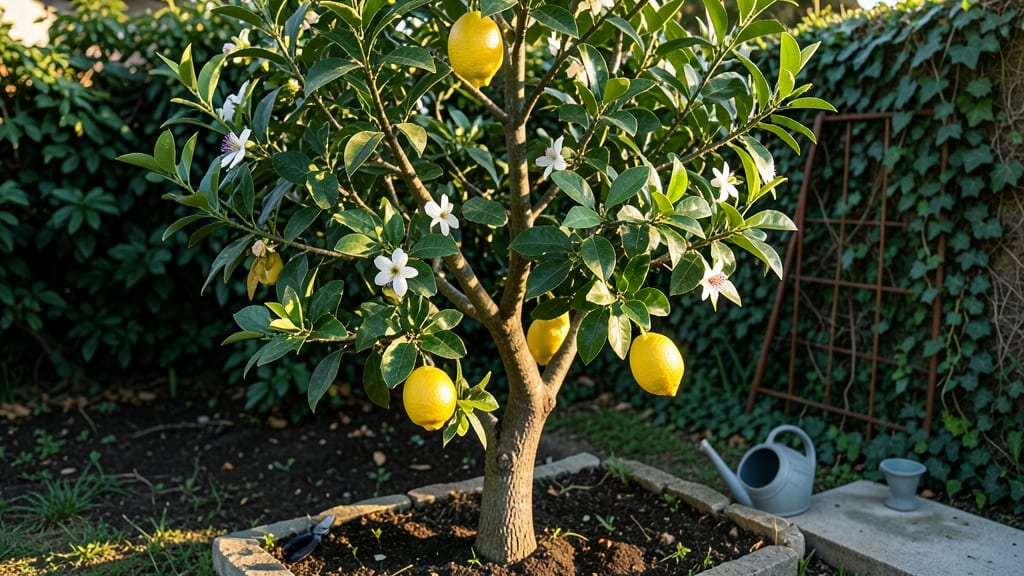
Your citrus tree's fragrant blooms aren't just pretty—they're the first sign of sweet fruit to come. 🌸 I've learned that coaxing citrus trees into flowering takes patience, but the payoff is worth it: that intoxicating scent of white or pink blossoms drifting through your yard.
The secret isn't complicated—it's about timing, light, and a little strategic pruning that most gardeners overlook.
Citrus trees bloom best when they get 6-8 hours of sunlight daily and a winter chill period (even if you're in a warm climate). My Meyer lemon tree in Zone 9 still needs a cool snap to trigger flowers, while my calamondin thrives with minimal winter rest.
The key is matching your tree's needs to your climate—some varieties are more forgiving than others. Once you nail these basics, you'll see buds forming along last year's growth, not just at the tips.
With the right care, you'll end up with vibrant clusters of flowers that attract pollinators and set fruit. The first flush often appears in spring, but with proper pruning, you can encourage a second bloom later in the season.
Thin out crowded branches now, and you'll create space for next year's flowers to develop. The scent alone makes it worth the effort—imagine waking up to your yard smelling like a Mediterranean orchard.
This works for dwarf varieties in containers just as well as full-sized trees in the ground. Whether you're growing a single tree or a small grove, the principles stay the same. Let's get those blossoms going—your future harvest depends on it.
📚 In This Guide
- What you need
- Instructions
- Tips and common mistakes
- Wrapping up and next steps
What you need
- ● Citrus Tree: Young sapling (3–5 gallons in size) or mature tree (if pruning)
- ● Recommended varieties: Meyer lemon, lime, orange, or grapefruit
- ● Soil & Fertilizers: Well-draining potting mix (or garden soil amended with 50% perlite/sand for containers)
- ● Slow-release citrus-specific fertilizer (10-10-10 or 6-6-6 NPK ratio)
- ○ Citric acid (optional, for acid-loving trees)
- ● Pruning Tools: Bypass pruners (sharp, sterilized)
- ● Loppers (for thicker branches)
- ● Disinfectant (70% isopropyl alcohol or bleach solution)
- ● Container Growers: Pot (18–24" diameter with drainage holes)
- ● Saucer tray (to catch runoff)
- ● Mulch (organic, like pine bark, to retain moisture)
- ● Humidity tray (for indoor citrus trees)
- ● Growth regulator (e.g., Paclobutrazol, to encourage blooming)
- ● Citrus tree stakes (if young saplings need support)
- ● pH testing kit (ideal range: 6.0–7.0)
How to encourage abundant citrus tree blooms through pruning
Pruning isn't just about shaping—it's how you unlock fragrant citrus flowers year-round.
🌿 Step 1: Time Your Pruning to Flowering Cycles
Citrus trees bloom best after a rest period, so prune late winter to early spring—right before new growth begins. This mimics natural dormancy and signals the tree to produce flowers. Avoid pruning in summer when the tree is actively fruiting or flowering, as you'll cut off potential blooms.
Look for dormant branches with no leaves or buds—these are safe to trim. Healthy citrus branches have smooth bark and small leaf scars where old leaves fell. If you see swollen buds along the branches, those will become flowers, so leave them alone.
✂️ Step 2: Cut Back Strategically for Airflow and Light
Remove 1/3 of the tree's oldest growth each year to encourage new, vigorous branches that produce more flowers. Focus on pruning inward-growing branches and those crossing others—these compete for energy and block sunlight from reaching inner growth. Use clean, sharp pruners to make cuts at a 45-degree angle, about 1/4 inch above a leaf node.
Here's the thing—citrus trees flower on new wood, so you're not just shaping, you're stimulating growth. After pruning, you'll notice pale green shoots emerging within 2-4 weeks. These new branches are where next year's flowers will form.
☀️ Step 3: Position for Maximum Sunlight After Pruning
Citrus trees need 6-8 hours of direct sunlight daily to produce flowers. After pruning, move your tree to the sunniest spot available—south-facing windows or outdoor locations get the best results. If you're growing indoors, supplement with a grow light for 12-14 hours per day during winter months when sunlight is scarce.
Watch for leggy growth—branches stretching toward the light with sparse leaves. This means your tree isn't getting enough light. Adjust the position or add a grow light immediately to prevent weak, non-flowering growth.
💧 Step 4: Water and Fertilize for Flower Production
Deep water once a week during the first 4-6 weeks after pruning to help roots establish in new growth. Let the top 2-3 inches of soil dry out between waterings—citrus trees hate soggy roots but need consistent moisture to produce flowers. Reduce watering slightly in winter when growth slows.
Apply a balanced citrus fertilizer (10-10-10 or similar) every 6 weeks during growing season. You'll see bright green new leaves within 2-3 weeks—this is your sign the tree is healthy and ready to flower. Avoid over-fertilizing, which can lead to leaf burn and fewer blooms.
⏰ Step 5: Monitor for Flowering Signals
Citrus trees often produce flowers on new growth from late spring to early summer. Look for small, white or pink buds forming at the tips of branches. These will open into fragrant blooms within 2-3 weeks. If you don't see buds by mid-summer, your tree may need more sunlight or fertilizer.
Don't be surprised if some branches produce flowers while others don't—this is normal. Focus on encouraging the healthiest branches by pruning back any that remain barren. With consistent care, you'll see more blooms each year, especially on the youngest, most vigorous growth.
Tips & tricks for perfect citrus tree blooms
Here's what nobody tells you about getting those fragrant citrus blooms—these tricks make all the difference.
Timing Secret: The late winter to early spring window is critical for citrus trees. If your tree blooms in summer, you're likely pruning at the wrong time. I learned this the hard way after trimming in June and losing potential blooms for months. Mark your calendar for February or March—this is when your tree naturally prepares for its flowering cycle.
Pruning Technique: When you're removing that 1/3 of oldest growth, focus on branches that are thicker than a pencil. These older stems often produce fewer flowers and can drain energy from new growth. Make your cuts just above a leaf node at a 45-degree angle—this encourages the tree to direct energy to the remaining branches, which is where those fragrant buds will form.
Sunlight Strategy: After pruning, rotate your tree every few days to ensure all sides get equal sunlight. I noticed my tree's south side was always in shadow, and that's where flowers never appeared. Even 6-8 hours of direct light matters—if your tree is indoors, place it within 3 feet of the brightest window. For indoor growers, a simple LED grow light on a timer can make all the difference during winter months.
Fertilizer Timing: That 6-week fertilizer schedule is key, but timing matters just as much as quantity. Apply your first dose right after pruning, then every 6 weeks through summer. I used to fertilize in fall, and my blooms were always sparse. The tree needs nutrients when it's actively growing new branches—that's when those flower buds form. Stop fertilizing in late fall to let the tree rest before winter.
Pro Tips for Citrus Tree Flowers
- Here's what nobody tells you about getting those fragrant citrus blooms—these tricks make all the difference.
- Timing Secret: The late winter to early spring window is critical for citrus trees.
- Pruning Technique: When you're removing that 1/3 of oldest growth, focus on branches that are thicker than a pencil.
Frequently asked questions
Got questions about citrus tree flowers?
You’re not alone! Here are answers to the most common queries—whether you’re a first-time grower or a seasoned citrus enthusiast.
When do citrus tree flowers bloom, and how long do they last?
Citrus flowers typically bloom in late winter to early spring (February–April in most climates), but some varieties—like Meyer lemon or calamondin—may flower intermittently year-round in warm regions. Blooms last 3–7 days per flower, but clusters may persist for weeks as new buds open. Pro tip: Keep temps above 55°F (13°C) for best flowering!
Why aren’t my citrus tree flowers turning into fruit?
Several factors can stunt fruit set:
- Cold weather: Flowers need consistent warmth (below 50°F/10°C can kill buds).
- Pollination issues: Citrus trees are self-pollinating, but bees help. If indoors, gently shake branches to aid pollination.
- Over-pruning: Heavy trimming before flowering removes next year’s buds. Prune after harvest.
- Nutrient imbalance: Too much nitrogen = leaves over flowers. Use a balanced citrus fertilizer (e.g., 6-6-6).
Can I grow citrus flowers indoors, or do they need outdoor conditions?
Yes! Dwarf citrus varieties (like Calamondin or Improved Meyer Lemon) thrive indoors with:
- 12+ hours of bright light (south-facing window or grow lights).
- Humidity (mist leaves or use a pebble tray).
- Warmth (65–80°F/18–27°C; avoid drafts).
Do citrus flowers attract bees, and are they safe for pollinators?
Citrus flowers are a magnet for bees, butterflies, and hummingbirds—their fragrant, nectar-rich blooms are pollinator-friendly. However, avoid pesticides (especially neonicotinoids) while flowers are open. Pro tip: Plant companion flowers like basil or marigolds nearby to boost pollinator activity!
What can I do with citrus flowers if they don’t produce fruit?
Don’t toss those blooms! Use them for:
- Citrus flower tea: Steep petals in hot water for a caffeine-free, floral infusion (great for digestion!).
- Natural dyes: Simmer petals for pale yellow/orange hues for crafts or fabric.
- Culinary garnishes: Edible flowers add elegance to desserts (e.g., lemon curd cakes).
- Homemade perfume: Infuse oil with petals for a fresh citrus scent.
Wrapping up and next steps
Citrus tree flowers bring unmatched beauty and fragrance to any garden, and with the right care—especially smart pruning—they can thrive year-round! 🌸 From selecting the perfect variety to mastering seasonal maintenance, this guide gives you all the tools to cultivate vibrant blooms.
Now that you’re armed with knowledge, why not take the next step?
🌱 Your Action Plan:
- Start small: Prune one branch this week and observe how it responds.
- Experiment: Try a new citrus variety (like Meyer lemon or kumquat) for a fresh floral experience.
- Share the joy: Snap photos of your blooms and tag #CitrusGardenLove—inspire others to grow too!
Your citrus tree’s fragrant future starts with one thoughtful step. Happy gardening! 🌿