Pruning
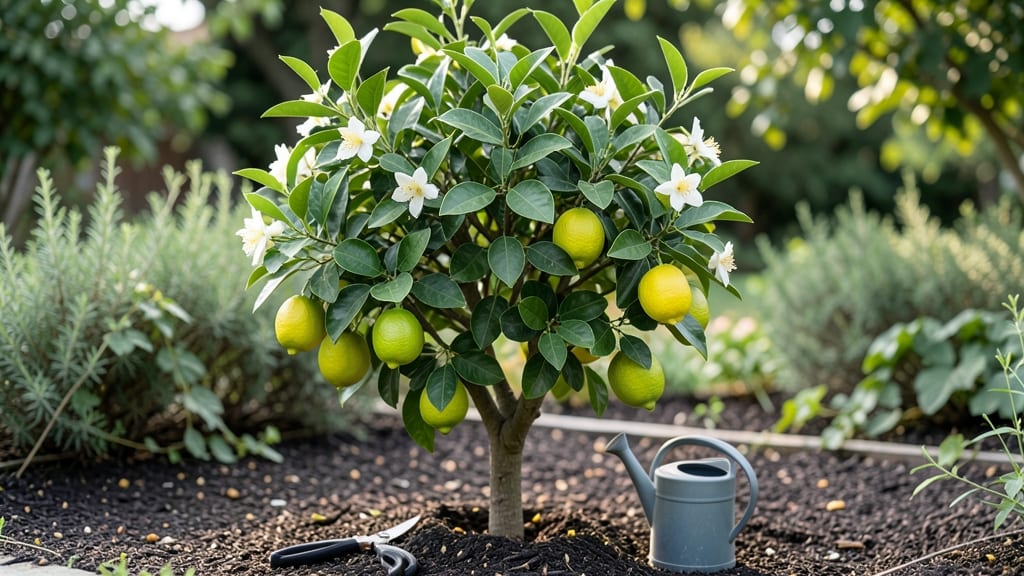
Growing a dwarf Meyer lemon tree in the Pacific Northwest isn’t just possible—it’s a game-changer for small spaces and cooler climates. 🌱 I’ve watched mine thrive in a pot on my balcony, producing sweet, fragrant lemons that taste nothing like the grocery store variety.
The key? Choosing the right variety and giving it the care it craves without the fuss of full-size citrus.
This little tree is built for beginners: it handles indoor containers, partial shade, and even light frosts better than most citrus. You’ll need well-draining soil, a sunny spot (or grow lights in winter), and a steady watering routine—no complicated fertilizers or pruning skills required.
My tree has given me lemons for three winters running, and the process gets easier every year.
By summer, you’ll be harvesting bright yellow fruit that’s sweeter than any store-bought lemon, with thick skins perfect for zesting. The tree stays compact (about 6 feet tall), so it fits patios, kitchens, or even sunny windowsills. Plus, the glossy leaves and delicate white flowers make it a showstopper year-round.
Whether you’re a first-time gardener or a seasoned grower, this tree proves citrus can thrive where you live—no greenhouse needed. Let’s get yours growing strong from the start.
📚 In This Guide
- What you need
- Instructions
- Tips and common mistakes
- Wrapping up and next steps
What you need
- ● Dwarf Meyer Lemon Tree: A healthy 1-3 gallon container-grown tree (ensure it’s labeled "dwarf" or "Meyer lemon" for cold tolerance).
- ● Well-draining potting mix: 5-10 gallons (use a citrus-specific blend or mix 60% potting soil + 40% perlite/sand).
- ● Container (if potted): 15-20 gallon pot with drainage holes (terracotta or fabric grow bags work best).
- ● Pruning shears: Bypass pruners (sterilized with rubbing alcohol to prevent disease).
- ● Gloves: Heavy-duty gardening gloves (to protect from thorns and sap).
- ● Mulch: 2-3 inches of organic mulch (e.g., straw or wood chips) to insulate roots.
- ● Fertilizer: Citrus-specific fertilizer (balanced 6-6-6 or high-potassium 8-3-9) + micronutrients (zinc, iron).
- ● Watering can or hose: With a gentle spray nozzle for hydration.
- ● Root stimulator: Mycorrhizal fungi or powder to boost root growth.
- ● Tree support: Stakes or a small cage if your tree is top-heavy.
- ● Frost cloth: Lightweight fabric to protect young trees during PNW’s chilly snaps.
- ● pH test kit: To monitor soil acidity (ideal: 6.0–7.0 for citrus).
- ● Citrus food: Monthly liquid feed (like fish emulsion) during growing season.
Step-by-step guide to growing a thriving dwarf Meyer lemon tree
Here's how I've nurtured these sweet, cold-hardy citrus trees—even in cool climates.
🌱 Step 1: Select the Right Container and Soil Mix
Choose a 15-20 gallon container with drainage holes—dwarf Meyer lemons need room for roots but can't tolerate soggy feet. I use a mix of 60% potting soil, 30% perlite, and 10% compost for perfect drainage and nutrients. The perlite prevents compaction, which is deadly for citrus roots.
Fill the pot halfway, then place your tree so the root ball sits 1 inch below the rim. This gives space for watering without overflow. Tap the pot gently to remove air pockets—you'll feel it settle with a slight give when done right. The soil should feel like a damp sponge, not mud.
☀️ Step 2: Position for Maximum Sunlight and Warmth
Dwarf Meyer lemons need 6-8 hours of direct sunlight daily, but they'll tolerate 4 hours in cooler climates. Place your container near a south-facing window or under a grow light if indoor. In the Pacific Northwest, I move mine outdoors in summer when temperatures stay above 50°F at night—just watch for sudden cold snaps.
Rotate the pot a quarter turn weekly so the tree grows evenly. You'll notice leaves leaning toward the light? That's your cue to adjust placement. In winter, keep it near a sunny window or under a grow light on a timer. The leaves will yellow if it's not getting enough light—act fast by moving it closer.
💧 Step 3: Water Deeply and Maintain Consistent Moisture
Water when the top 2 inches of soil feel dry—stick your finger in to check. Dwarf Meyer lemons hate soggy roots but also can't handle drought. I water until water runs freely from the drainage holes, then let it drain completely. Overwatering causes root rot, which smells foul and turns leaves black.
In summer, I water every 3-4 days, but in winter, I cut back to once a week. The tree's growth slows in cooler months, so it needs less. Yellowing leaves often mean overwatering—let the soil dry out more between waterings if this happens.
✂️ Step 4: Prune for Shape and Encourage Fruit Production
Prune in late winter or early spring before new growth starts. Remove any dead or crossing branches first—these compete for energy. I cut back leggy growth to encourage bushier shape, always making cuts just above a leaf node. This is where new branches will sprout.
For fruit production, pinch off any flower buds that appear in the first year—the tree needs to focus on growing roots and branches. After that, you can leave flowers on. Use clean, sharp pruners to avoid tearing the bark. Wipe them with rubbing alcohol between cuts to prevent disease spread.
🪴 Step 5: Protect from Frost and Winter Chill
When nighttime temperatures drop below 40°F, move your tree indoors or cover it with frost cloth. I've seen dwarf Meyer lemons survive 25°F for short periods, but prolonged cold will damage leaves. The tree will drop leaves to protect itself—don't panic, new growth will return in spring.
In winter, reduce watering and fertilizing. The tree enters dormancy, so it needs less care. Keep it in the brightest spot you have, even if it's not getting direct sun. You'll know it's happy when it starts producing new leaves in early spring—this is your cue to resume normal care.
Tips & tricks for perfect dwarf Meyer lemon tree care
These simple tricks will help you keep your citrus thriving even in our chilly Pacific Northwest climate.
Soil Mix Secret: That 60-30-10 soil ratio (potting soil/perlite/compost) is your foundation. For even better drainage, I add a handful of coarse sand to the mix—this prevents compaction that can suffocate roots. After planting, gently press the soil around the base to eliminate air pockets, but don't pack it down too tightly. Think "damp sponge" consistency, not wet cement.
Light Positioning: The 6-8 hours of direct sunlight is non-negotiable, but here's what nobody tells you—rotate your pot weekly so all sides get equal light exposure. I notice my tree grows unevenly when one side faces the window constantly. In winter, supplement with a grow light on a timer if natural light drops below 4 hours daily. The leaves will yellow dramatically if light-starved—this is your first warning sign.
Watering Wisdom: When checking those top 2 inches of soil, use your finger to test moisture at different depths. The soil near the surface might feel dry while deeper layers stay moist—this is normal. Water until it flows freely from drainage holes, then let it drain completely. I've learned the hard way that soggy roots smell terrible and turn leaves black—trust me, you'll know when it's happening.
Frost Protection: That 40°F threshold is critical, but here's my real-world tip: if you're in the PNW and nighttime temps drop to 35°F, move your tree indoors immediately. I've seen these trees survive 25°F for short periods, but prolonged exposure damages the leaves. When you bring it back outside in spring, do it gradually—start with 30 minutes daily to acclimate the tree to outdoor conditions. This prevents shock and leaf drop.
Pro Tips for Dwarf Meyer Lemon Tree
- These simple tricks will help you keep your citrus thriving even in our chilly Pacific Northwest climate.
- Soil Mix Secret: That 60-30-10 soil ratio (potting soil/perlite/compost) is your foundation. For even better drainage...
- Light Positioning: The 6-8 hours of direct sunlight is non-negotiable, but here's what nobody tells you—rotate your p...
Frequently asked questions
Got questions about your Dwarf Meyer Lemon Tree? You’re not alone!
Whether you're a first-time citrus grower in the Pacific Northwest or just looking to troubleshoot, we’ve got answers to help you keep your tree thriving—even through frost.
Can a Dwarf Meyer Lemon Tree survive frost in the PNW?
Yes! Unlike tropical citrus, Dwarf Meyer Lemon Trees are hardy to USDA Zones 7-10 and can tolerate light frosts (down to 20°F/-7°C). For extra protection, wrap the tree in frost cloth or move potted trees indoors when temps drop below 25°F/-4°C. Mulching the root zone also helps insulate roots.
When is the best time to prune a Dwarf Meyer Lemon Tree?
Prune your tree late winter or early spring (before new growth starts) to shape it and encourage fruit production. Avoid heavy pruning in fall, as it can stimulate tender new growth vulnerable to frost. Pro tip: Use sterilized pruners and remove any dead, diseased, or crossing branches first!
How do I encourage more lemons on my Dwarf Meyer Lemon Tree?
For a bumper crop, ensure your tree gets 6-8 hours of sunlight daily and well-draining soil. Fertilize lightly with a citrus-specific fertilizer in early spring and again after harvest. Bonus: Hand-pollinate flowers with a small brush if your tree isn’t self-pollinating—this can double your lemon yield!
What can I do if my Dwarf Meyer Lemon Tree’s leaves turn yellow?
Yellow leaves often signal overwatering, nutrient deficiency, or root rot. Check soil moisture—PNW’s rainy climate can lead to soggy roots. Adjust watering to keep soil consistently moist but not waterlogged. A balanced citrus fertilizer or a splash of iron supplement (for yellowing between veins) can also help.
Are there frost-resistant alternatives to Meyer lemons?
If you love citrus but want even more cold tolerance, consider Improved Meyer Lemon (hardier than standard Meyers) or Calamondin Orange (Zone 9, but great for containers). For the PNW, Kumquat (Zone 7) is another durable option—though it’s tart-sweet, not lemon-flavored!
Wrapping up and next steps
Growing a dwarf Meyer lemon tree in the Pacific Northwest is a rewarding journey—especially when you master the art of pruning to keep it healthy, productive, and frost-resistant! 🌱 With the right tools, timing, and techniques, you’ll enjoy sweet, fragrant lemons year after year while shaping your tree into a thriving centerpiece.
Whether you’re trimming for shape, airflow, or winter prep, every snip brings you closer to a bountiful harvest.
Ready to take the next step? Start small: grab your pruners, review your tree’s needs, and schedule your first pruning session this season. Your future lemons—and your green thumb—will thank you!