
Pruning
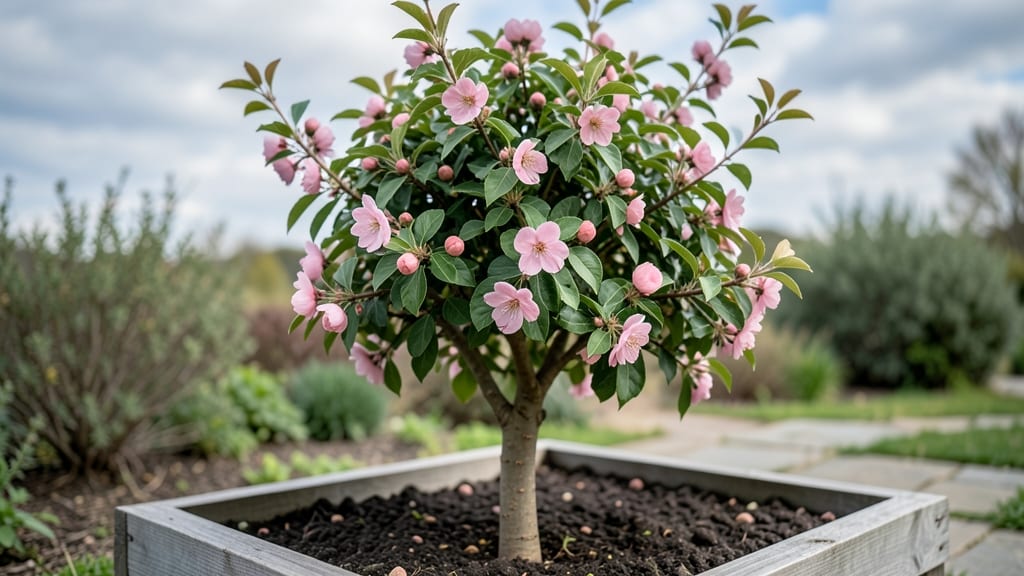
The Corinthian Pink peach tree thrives where most peaches struggle—its frost tolerance makes it a Pacific Northwest standout. 🌱 I planted mine last spring, and this year’s blossoms proved how well it handles our chilly springs and late frosts.
The secret isn’t just choosing the right variety; it’s pruning at the right time to protect those delicate flowers.
This tree needs full sun and well-draining soil, but its real magic happens in winter. Unlike heat-loving peaches, Corinthian Pink buds survive light frosts, and with proper pruning, you’ll get heavier fruit sets.
Start with a clean cut in late winter—before buds swell—to shape the tree and remove dead wood, then follow up after harvest to open airflow.
By summer, you’ll have glossy leaves and clusters of pink blossoms that resist spring frost better than most. The fruit itself is juicy, with a balance of sweetness and tartness that’s perfect for fresh eating or preserves.
Just watch for peach leaf curl—this variety resists it better than others, but a copper spray in early spring never hurts.
Whether you’re in Seattle, Portland, or the Cascades, this tree adapts—just adjust pruning slightly for colder microclimates. The key is patience: it takes 3-4 years for full production, but once established, it rewards you with low-maintenance, frost-proof peaches every season.
📚 In This Guide
- What you need
- Instructions
- Tips and common mistakes
- Wrapping up and next steps
What you need
- ● Pruning shears: Bypass pruners (sharp, clean, and sterilized with rubbing alcohol to prevent disease). Recommended: Felco F-2 or Corona 1500.
- ● Loppers: For thicker branches (1–2 inches in diameter). Look for: 8–10-inch handles with a ratchet mechanism for ease.
- ○ Pruning saw: For branches over 2 inches thick. Optional but handy: Fiskars X7 or similar.
- ● Gloves: Heavy-duty, cut-resistant gloves (e.g., Mechanix or Wagner) to protect hands from thorns.
- ● Disinfectant: 70% isopropyl alcohol or a commercial pruning sealant (like Tanglefoot Tree Wound Pruning Seal) to sterilize tools between cuts.
- ● Ladder or step stool: Sturdy, non-slip, and tall enough to reach the tree’s canopy safely.
- ● Heavy-duty trash bags: 3–5 gallon size for collecting pruned branches and debris.
- ● Sharpie or marker: For labeling branches (if grafting or training new growth).
- ● Weather check: Prune on a dry, overcast day (avoid frost or rain within 24 hours).
- ● Tree health assessment: Inspect the tree for diseased or dead branches before pruning.
- ○ Optional: Hand pruners (for precision work on small branches).
- ● Tree wound paint (controversial but useful for large cuts in older trees).
- ● Extension pole pruners (for high branches without a ladder).
- ● Garden hose (to rinse tools and branches post-pruning).
Step-by-step pruning for frost-resistant Corinthian Pink peach trees
Here's how to shape your trees for Pacific Northwest resilience.
✂️ Step 1: Time Pruning for Late Winter Dormancy
Prune your Corinthian Pink peach trees in late winter while they're still dormant but after the worst cold snaps have passed. Aim for February to early March in the Pacific Northwest—this timing balances frost protection with early spring growth. Cold weather can stress fresh cuts, so avoid pruning after buds begin swelling.
I always check the forecast first. If a hard freeze is predicted within a week, hold off until conditions stabilize. You'll know you've timed it right when the tree has lost its leaves but the weather has warmed slightly above 32°F. This gives the tree time to seal cuts before new growth begins.
✂️ Step 2: Remove Dead, Diseased, or Crossing Branches
Start by eliminating any dead, broken, or diseased branches—these are the first to go. Look for branches that are completely brown inside, have fungal growth, or show signs of cankers. Cut these back to the main trunk or to healthy wood using clean, sharp pruners. The goal here is to improve airflow and reduce disease pressure.
Next, remove branches that cross or rub against each other. These create wounds where pests and diseases can enter. I make my cuts at a 45-degree angle just outside the branch collar—the swollen area where the branch meets the trunk. This ensures the tree can heal properly. If a branch is larger than ½ inch in diameter, use a pruning saw for a clean cut.
✂️ Step 3: Thin the Canopy for Sunlight Penetration
Thin the tree's canopy by selectively removing branches that block sunlight from reaching the interior. Focus on branches growing inward or downward, as these shade the center and reduce fruit production. Aim to open the canopy so light can reach at least 60% of the tree's interior. This is especially important for Corinthian Pink peaches, which need good air circulation to prevent fungal issues.
I target branches that are growing straight up from the trunk—these often compete with the central leader. Cut these back to a strong lateral branch or bud. For larger branches, step back and visualize the tree's shape. You want an open, vase-like structure that allows sunlight to reach all parts of the tree. Remember, you can always remove more, but you can't put branches back once they're gone.
☀️ Step 4: Shape for Frost Resistance and Airflow
Shape the tree to encourage a strong, sturdy structure that can withstand Pacific Northwest winds and frost. Start by selecting 3-5 main scaffold branches—these should be evenly spaced around the trunk and angled outward at about 45 degrees. These branches will form the tree's framework, so choose the healthiest, most vigorous ones.
Prune any branches that grow too close together or are too small to support fruit. Aim for a balance where branches are spaced 8-12 inches apart along the trunk. This spacing allows for better air circulation, which reduces the risk of frost damage and fungal diseases. If you're unsure about a cut, hold off and reassess next year—it's better to prune lightly and gradually than to over-prune and weaken the tree.
⏰ Step 5: Clean Up and Monitor New Growth
After pruning, clean up all debris from the ground beneath the tree. This includes fallen branches, leaves, and any clippings. Dispose of diseased material in the trash—not the compost pile—to prevent the spread of pathogens. Sterilize your pruners with rubbing alcohol between cuts to avoid transferring diseases from one branch to another.
Monitor the tree closely in the weeks following pruning. Look for signs of new growth, such as bud swell or leaf emergence. If you notice any signs of stress, such as wilting or yellowing leaves, adjust your watering or hold off on further pruning. In the Pacific Northwest, where frost can linger, it's especially important to avoid heavy pruning in early spring. Your goal is to encourage strong, healthy growth without overstressing the tree.
Tips & tricks for pruning frost-resistant Corinthian Pink peach trees
Here's what nobody tells you about pruning these delicate trees for Pacific Northwest resilience.
Timing is Everything: The February to early March window is critical for Corinthian Pink peaches. I've learned this the hard way—pruning too early leaves cuts vulnerable to late frosts, while pruning too late risks encouraging early growth that can't survive cold snaps. Check for 32°F minimum temperatures and clear skies for at least 3 days after your pruning date to ensure proper healing. If you're unsure, wait until you see tight, unopened buds to confirm dormancy is ending.
Tool Prep Prevents Problems: Sterilize your pruners between each cut using rubbing alcohol—this isn't just about cleanliness, it's about survival. I keep a small spray bottle of 70% isopropyl alcohol handy and wipe down blades after every 3-4 cuts, especially when dealing with diseased branches. Sharp tools make cleaner cuts that heal faster, and dull blades can crush wood, inviting infections. For branches over ½ inch thick, I use a pruning saw with a bypass blade to avoid tearing the bark.
Visualize the Vase: When shaping your tree in Step 4, step back frequently to visualize the final structure. Corinthian Pinks thrive with that open vase shape—think of it as creating a dome where sunlight can reach every branch. I mark potential scaffold branches with paint sticks before making cuts to ensure I'm selecting the healthiest options. For young trees, focus on developing 3-5 main branches spaced evenly around the trunk. This structure not only maximizes fruit production but also helps prevent wind damage during Pacific Northwest storms.
Cleanup is Critical: Don't underestimate the importance of thorough cleanup after pruning. I've seen entire orchards lose trees to fungal spread because pruners weren't properly sterilized and debris wasn't removed. Collect all clippings in a heavy-duty trash bag and dispose of them in your yard waste—never compost diseased material. For large pruning jobs, I use a tarp to catch debris, then burn it (where permitted) to ensure complete pathogen destruction. This single step can mean the difference between a healthy tree and one fighting disease all season.
Pro Tips for Corinthian Pink Peach Tree
- Here's what nobody tells you about pruning these delicate trees for Pacific Northwest resilience.
- Timing is Everything: The February to early March window is critical for Corinthian Pink peaches.
- Tool Prep Prevents Problems: Sterilize your pruners between each cut using rubbing alcohol—this isn't just about cleanliness, it's about survival.
Frequently asked questions
Got questions about growing and pruning your Corinthian Pink Peach Tree in the Pacific Northwest? You’re not alone!
Here are some of the most common concerns—plus expert answers to keep your tree thriving year after year.
How cold can a Corinthian Pink Peach Tree tolerate?
The Corinthian Pink is one of the most frost-resistant peach varieties, handling temperatures down to 15°F (-9°C) with proper care. However, young trees or newly planted saplings may need winter protection (like burlap wraps or mulch) during harsh PNW freezes. Plant in a sheltered microclimate to maximize survival!
When is the best time to prune my tree for maximum blooms?
Prune your Corinthian Pink in late winter or early spring (February–March), just before buds swell but before new growth starts. Avoid pruning in fall—this can stimulate late-season growth vulnerable to frost. Pro tip: Remove dead, crossing, or weak branches first to improve airflow and light penetration!
Can I grow a Corinthian Pink Peach Tree from seed?
While you can grow a peach tree from seed, the resulting tree won’t be true to the Corinthian Pink variety—expect unpredictable fruit color, size, and frost hardiness. For reliable blooms, opt for a grafted nursery tree (like those from PNW-specialized growers). Patience pays off!
Why aren’t my peaches ripening fully in the Pacific Northwest?
PNW’s cool, wet summers can delay ripening. To help:
- Choose a sunny, south-facing spot with at least 6–8 hours of light daily.
- Thin fruit early (leave 6–8 inches between peaches) to reduce competition.
- Use row covers in late spring to protect from late frosts.
What’s a good alternative if I can’t grow peaches?
If your site is too shady or wet for peaches, consider these PNW-friendly alternatives:
All three handle frost better than peaches and produce reliably in the region!
Wrapping up and next steps
Growing a Corinthian Pink Peach Tree in the Pacific Northwest is absolutely doable—especially with frost-resistant pruning techniques to safeguard those stunning blooms! 🌸 By mastering the right timing, tools, and cuts, you’ll encourage healthier growth, better fruit production, and a tree that thrives in your climate. Now’s the perfect time to roll up your sleeves and give your tree the care it deserves!
Ready to transform your backyard? Start by assessing your tree’s needs this season—whether it’s winter protection or spring shaping—and take action before the next frost hits. Your future harvest (and neighbors’ envy) will thank you! 🌱✂️