
Pruning
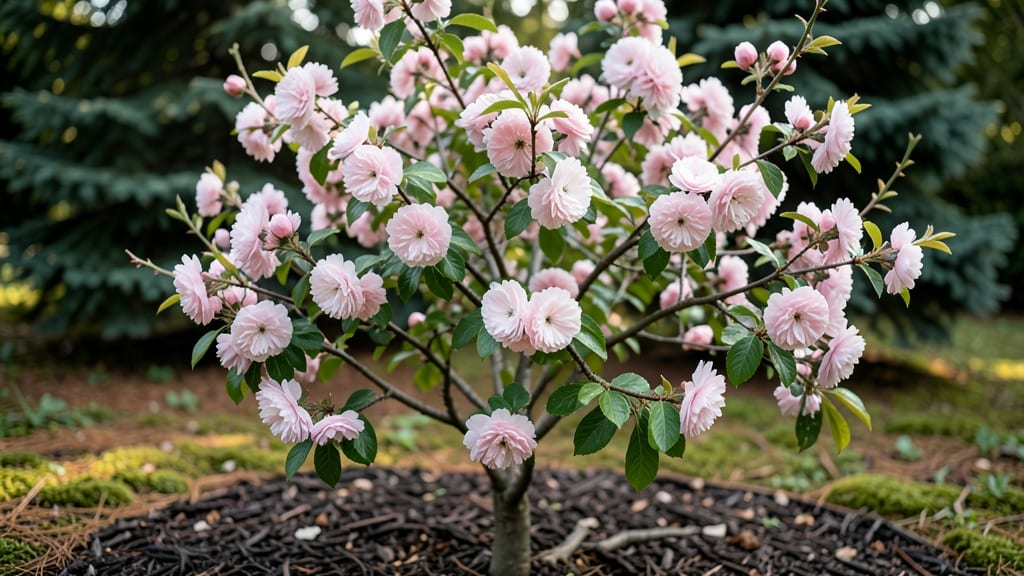
The Corinthian Rose ornamental peach tree needs winter pruning to survive Pacific Northwest winters—and I’ve learned the hard way what happens when you skip it. That first year, I ignored the dormant-season cuts, and my tree struggled through wet, gray winters with weak blooms the next spring.
Now, I prune like it’s my job, and the difference is dramatic: thick canes, abundant pink blossoms, and fruit that actually ripens.
Here’s the deal: you’ll need sharp pruners, a ladder (if your tree’s over 6 feet), and a clear day when temps are above freezing. The goal is to open the center for airflow, remove dead wood, and shape the tree into a vase-like form—just like the pros do.
I time my cuts for late winter, right before buds swell but before new growth starts. That’s when the tree’s energy is still dormant, so it won’t bleed sap or stress.
What you’ll end up with is a tree that bursts into bloom in May, covered in rosy-pink flowers that last for weeks. The fruit, while not store-quality, adds a sweet surprise for birds and you.
Plus, the structure stays strong through wind and rain—no more broken branches or soggy centers. The key is patience: prune correctly now, and you’ll have a showstopper for years.
Works for urban yards, rural homesteads, or even large containers if you’re short on space. Just remember: the Pacific Northwest’s damp winters demand this extra care, or your tree will fight you every season. Let’s get those branches trimmed right.
📚 In This Guide
- What you need
- Instructions
- Tips and common mistakes
- Wrapping up and next steps
What you need
- ● Pruning shears – Bypass pruners (sharp, clean, and sterilized with rubbing alcohol or bleach solution to prevent disease). 1 pair (or 2 if working on a large tree).
- ● Loppers – For thicker branches (up to 1.5 inches in diameter). 1 pair with bypass blades.
- ● Pruning saw – For branches too thick for loppers (1.5+ inches). 1 saw with a fine-tooth blade.
- ● Garden gloves – Cut-resistant and waterproof to protect hands from thorns and sap.
- ● Disinfectant solution – Mix 1 part bleach to 9 parts water (or use 70% isopropyl alcohol) to clean tools between cuts.
- ○ Pruning sealant – Optional but helpful for large cuts (> 0.5 inches) to prevent disease entry.
- ● Ladder or step stool – If your tree exceeds 6 feet tall. Ensure it’s stable and non-slip.
- ○ Tarp or drop cloth – Optional to catch debris and keep your workspace clean.
- ● Timing – Prune during dormant season (late winter/early spring, before bud break, typically February–March in the PNW).
- ● Weather – Choose a dry, calm day (no rain forecast for 24 hours post-pruning).
- ● Tree health – Inspect for diseased or dead branches before pruning. Remove these first.
- ○ Safety gear – Optional but recommended: Safety glasses (to shield from debris) and long sleeves/pants (for thorn protection).
- ● Disposal plan – Have a trash bag or compost bin ready for pruned branches (do not leave debris on the ground).
Instructions for pruning your Corinthian Rose ornamental peach tree
Here’s how to shape your tree for strong growth and Pacific Northwest hardiness.
Time Your Pruning for Dormancy
Prune your Corinthian Rose ornamental peach tree in late winter or early spring, just as buds begin to swell but before new growth starts. In the Pacific Northwest, this typically falls between late February and early March—after the coldest months but before active growth. Pruning too early risks exposing tender wood to harsh winter winds, while waiting too long encourages weak, leggy growth.
Check the tree’s buds daily in late winter. When you see plump, swollen buds along the branches, that’s your cue to begin. Avoid pruning after buds break—once sap starts flowing, the tree becomes vulnerable to disease through fresh cuts. I like to prune on a dry, overcast day to reduce stress on the tree.
Remove Dead, Diseased, or Weak Wood
Start by inspecting the entire tree for branches that are dead, diseased, or crossing. Dead wood appears grayish-brown and snaps easily when bent; diseased branches may have blackened spots or oozing sap. Use sharp, clean pruning shears to make 45-degree cuts just outside the branch collar—the swollen area where the branch meets the trunk. This ensures the tree can seal the wound quickly.
Next, look for weak or crossing branches. Weak wood is thin, often with sparse foliage, while crossing branches rub against each other, creating wounds that invite pests. Remove these first—they’re the lowest-hanging fruit (or in this case, wood) for improving airflow and sunlight penetration. If a branch is larger than ½ inch in diameter, use a pruning saw for a clean cut.
Thin Out for Open Growth
Now, focus on thinning the canopy to encourage airflow and sunlight exposure. Aim to remove about 20-30% of the tree’s total branches, prioritizing those that grow inward or upward. Your goal is to create an open, vase-like shape that allows light to reach the center of the tree. This isn’t just about aesthetics—it prevents fungal diseases like peach leaf curl, which thrives in damp, shaded conditions.
When thinning, cut branches back to a strong lateral branch or bud that faces outward. Avoid leaving stubs—always make your cuts just above a bud or branch collar. If you’re unsure which branch to keep, choose the one that grows at a better angle or is thicker. Remember, the Pacific Northwest’s damp climate means your tree will appreciate every bit of airflow you can give it.
Shape for Structure and Future Growth
Finally, shape the tree to maintain its natural form while encouraging strong, upright growth. For a Corinthian Rose peach tree, this often means promoting a slightly rounded or slightly tiered shape, depending on the tree’s maturity. Focus on scaffolding branches—the main branches that form the tree’s skeleton. These should be spaced 12-18 inches apart and angled outward at about 45 degrees from the trunk.
If the tree has become too tall or leggy, you can make heading cuts—shortening branches back to a lateral bud—to encourage bushier growth. However, avoid over-pruning; never remove more than one-third of the tree’s foliage in a single season. After pruning, give the tree a light watering to help it recover, especially if the winter was particularly dry.
Tips & tricks for pruning your Corinthian Rose ornamental peach tree
Pruning your ornamental peach tree is all about timing, technique, and understanding what your tree needs to thrive in our Pacific Northwest climate. Here are the key insights that'll help you avoid common mistakes and achieve the best results.
Timing is Everything: The late February to early March window is critical because it balances two key factors: protecting tender wood from late winter winds and preventing leggy growth from delayed pruning. I've seen trees suffer from both extremes—pruning too early leaves cuts vulnerable to frost damage, while waiting too long can stress the tree as it wakes up from dormancy. If you miss this window, don't panic—just wait until buds are visibly swelling, but don't delay beyond when sap starts flowing.
Tool Preparation Matters: Your pruning shears and saw should be as sharp as possible before you start. Dull tools crush wood instead of making clean cuts, which can damage the tree's vascular system. I always clean my tools with rubbing alcohol between cuts to prevent spreading disease. For branches larger than ½ inch, use a pruning saw—don't try to force shears through thick wood, as this creates jagged edges that heal poorly.
Visual Cues for Healthy Cuts: When making your 45-degree cuts in Step 2, look for the branch collar—the swollen area where the branch meets the trunk. This is your target spot for cuts because it contains protective tissues that help the wound heal. If you're unsure where to cut, imagine drawing a line from the branch collar outward at a 45-degree angle—that's your guide. The goal is to remove the branch cleanly without leaving a stub, which can collect moisture and invite rot.
Pacific Northwest Airflow Strategy: Our damp climate makes proper thinning even more important than in drier regions. Focus on creating an open vase shape that allows sunlight to reach all parts of the canopy. I recommend removing about 25% of the total branches—this might sound aggressive, but it's what your tree needs to prevent fungal diseases like peach leaf curl. After pruning, take a step back and visualize how sunlight will move through the tree on a cloudy day—that's your best indicator of success.
Pro Tips for Corinthian Rose Ornamental Peach Tree
- Pruning your ornamental peach tree is all about timing, technique, and understanding what your tree needs to thrive in our Pacific Northwest climate.
- Timing is Everything: The late February to early March window is critical because it balances two key factors: protecting tender wood from late winter winds and preventing leggy growth from delayed pruning.
- Tool Preparation Matters: Your pruning shears and saw should be as sharp as possible before you start.
Frequently asked questions
When is the exact best time to prune my Corinthian Rose Peach Tree in the PNW?
The ideal window is late winter to early spring—specifically after the last hard frost but before buds swell (typically February through March in the PNW). This timing balances dormancy (reducing disease risk) with early-season growth stimulation. If you miss it, you can prune lightly in late fall, but avoid heavy cuts then to prevent frost damage.
How much can I trim back? Will I hurt the tree?
You can safely remove up to 25-30% of the tree’s canopy in one season, but avoid over-pruning. Focus on:
- Dead, diseased, or crossing branches ( cut at the branch collar).
- Suckers or water sprouts (thin them out to redirect energy to fruit/flowers).
- Open the center for airflow (but never remove >1/3 of the branches in one go).
What if the PNW’s rainy dormant season delays my pruning?
Don’t stress! Prune on dry days (even if it’s chilly) to prevent fungal issues. If rain is forecasted, wait 24–48 hours after the last shower. Wet tools or branches can spread bacterial canker or peach leaf curl, so prioritize timing over perfection. A sharp, sterilized saw (bleach or rubbing alcohol wipe) is your best friend here.
Can I use the same pruning techniques for a regular peach tree?
Mostly, yes—but the Corinthian Rose is ornamental, so prioritize shape and bloom display over fruit yield. Avoid heavy summer pruning (it stresses the tree), and skip the “open-center” approach if you love its natural, vase-like form. For fruit-bearing peaches, focus on structural strength and light penetration to prevent disease.
My branches are bleeding sap after pruning—is this normal?
Yes! Peach trees (including Corinthian Roses) often “bleed” in early spring due to sap flow. It’s harmless but can attract pests like ants. To minimize it:
- Prune on dry, cold days (below 45°F).
- Use sealing wax on cuts larger than ½ inch (optional).
- Avoid pruning in late winter if temps fluctuate wildly.