
Pruning
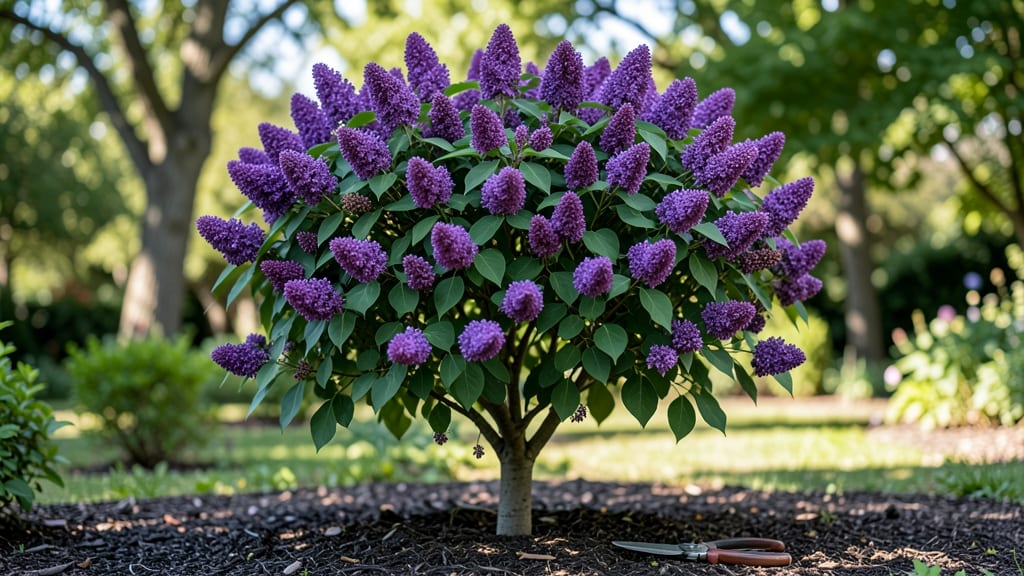
A dark purple lilac tree transforms any Pacific Northwest garden into a fragrant sanctuary. 🌿 Its velvety blooms and intoxicating scent create a privacy screen that feels like a hug from nature. Unlike traditional lilacs, this variety stands out with deep plum flowers that catch the light like stained glass.
Perfect for borders or focal points, it thrives in mixed shrubbery beds where its height and texture anchor the design. The foliage stays lush even after blooming, offering year-round structure with silvery-green leaves that shimmer in morning sun.
Pair it with silver foliage plants or white bloomers to make the purple pop even more.
Imagine your garden in late spring when the air hums with fragrance, and every breeze carries those rich purple clouds. The tree’s natural shape works beautifully in both formal and cottage-style gardens, while its hardiness means less fuss and more enjoyment.
This isn’t just a plant—it’s a statement piece that works as hard as it looks.
Whether you’re softening a fence line or creating a fragrant walkway, this lilac delivers drama and practicality. The best part? It grows reliably in PNW’s mild winters and rainy summers, making it the low-maintenance star of any landscape. Let’s make your outdoor space unforgettable with this showstopper.
📚 In This Guide
- What you need
- Instructions
- Tips and common mistakes
- Wrapping up and next steps
What you need
- ● Pruning shears: Bypass pruners (sharp, 6–8" blades) for clean cuts on small branches.
- ● Loppers: 8–12" bypass loppers for thicker branches (up to 2" diameter).
- ● Pruning saw: Curved-tooth saw for branches thicker than 2".
- ● Gloves: Heavy-duty, cut-resistant gloves (e.g., Mechanix or Filson).
- ● Disinfectant: 70% isopropyl alcohol or diluted bleach solution (1 part bleach to 9 parts water) to sterilize tools between cuts.
- ○ Twine or rubber tree ties: For supporting branches during shaping (optional but helpful).
- ● Pruning sealant: Tree wound paint (e.g., Tanglefoot) for large cuts (controversial but useful in wet climates).
- ● Extension pole: 6–10' reach for high branches (e.g., telescoping pruner pole).
- ● Work vest or apron: With pockets to hold tools and debris.
- ● Safety glasses: To protect against debris or sap splashes.
- ● Garden kneeler: For comfort when working near the base.
- ● Timing: Prune after flowering (late spring/early summer) to avoid cutting off next year’s blooms. Avoid heavy pruning in fall/winter.
- ● Weather: Choose a dry, calm day to prevent sap bleeding and ensure safety.
- ● Safety first: Wear closed-toe shoes and avoid working alone if the tree is large.
- ● Know your tree: Confirm your lilac is Syringa species (e.g., 'Negligé' or 'Miss Canada')—some hybrids respond differently to pruning.
Step-by-Step guide for planting your dark purple lilac tree
Here's how to get your fragrant privacy screen thriving in the Pacific Northwest's climate.
🌱 Step 1: Choose the Perfect Planting Spot
Select a location with full sun to partial shade—at least 6 hours of sunlight daily—since dark purple lilacs need bright light to develop their richest color. In the Pacific Northwest, this often means a south-facing spot where they'll get morning sun and afternoon shade if needed. I always check the site for well-draining soil—lilacs hate soggy roots, and our region's damp winters make drainage critical.
Dig a hole twice as wide as the root ball but only as deep as the container's root base. This prevents burying the graft union (if planting a grafted tree) or the trunk flare, which can cause rot. Tap the sides of the hole gently to remove air pockets, then let it sit for 24 hours before planting to allow the soil to settle naturally.
🪴 Step 2: Prepare the Soil and Plant
Amend the native soil with 2-3 inches of compost mixed into the bottom of the hole—this improves drainage and provides nutrients without overwhelming the roots. I like to add a handful of bone meal (about ½ cup) for phosphorus, which encourages strong root development. Avoid heavy fertilizers at planting; lilacs are light feeders and can scorch with too much nitrogen.
Gently remove the tree from its container and loosen any circling roots with your fingers. Place it in the hole so the top of the root ball sits 1-2 inches above ground level—this prevents water from pooling around the trunk. Backfill with the amended soil, pressing lightly as you go to eliminate air pockets. Water deeply right after planting to settle the soil and eliminate air gaps.
☀️ Step 3: Mulch and Water for Establishment
Spread 3 inches of mulch (like wood chips or shredded bark) over the soil surface, keeping it 6 inches away from the trunk to prevent rot. Mulch helps retain moisture and regulate soil temperature, which is especially helpful in our cool, wet springs. I always use organic mulch because it breaks down slowly and adds nutrients to the soil over time.
Water deeply once a week for the first month, ensuring the soil is moist 6 inches down. In the Pacific Northwest, this often means 10-15 gallons of water per tree per session. You'll know you're doing it right when water runs out the drainage holes if planted in a container, or when the soil feels damp to the touch. Avoid wetting the foliage to prevent fungal diseases like powdery mildew, which can be a problem in our humid summers.
✂️ Step 4: Prune for Shape and Health
Prune your lilac immediately after flowering (late spring) to shape the tree and encourage next year's blooms. Remove dead, crossing, or weak branches first, then cut back any remaining stems to just above a bud that faces outward—this opens the center of the tree for better airflow and light penetration. I never prune more than one-third of the tree at a time, as lilacs bloom on old wood and heavy pruning can reduce next year's flowers.
For young trees, focus on establishing a strong structure. In the Pacific Northwest, lilacs benefit from light pruning in late winter (before buds swell) to remove any dead wood or branches that might have been damaged by winter winds. Avoid heavy pruning in fall, as new growth won't harden off before winter and can be killed by frost.
Tips & tricks for perfect dark purple lilac planting
Here's what nobody tells you about making your lilac thrive in the Pacific Northwest's tricky climate.
Location Secret: That 6 hours of sunlight is non-negotiable for the deep purple blooms you're after. In our region, I've found the sweet spot is south-facing with morning sun and afternoon shade—this prevents leaf scorch while still delivering the light they crave. If your yard only gets partial shade, choose the sunniest spot possible near a south-facing wall that reflects extra light.
Soil Prep Strategy: The 2-3 inches of compost and ½ cup bone meal in Step 2 are your foundation for success. I've learned the hard way that our native soil often needs extra help—especially if it's heavy clay. Mix in a handful of perlite or coarse sand if your soil feels compacted when squeezed. This improves drainage without overwhelming the roots with too many nutrients at once.
Pruning Timing: That late spring pruning right after flowering is critical, but here's the part nobody emphasizes: mark your calendar for the day after the last bloom falls. Lilacs bloom on old wood, so any pruning now removes next year's flowers. For young trees, I do a quick visual check in late winter—just remove any branches that look dead or damaged from winter winds.
Watering Wisdom: The 10-15 gallons per week might seem like a lot, but think of it this way: you're establishing deep roots that can handle our wet winters. I use a soaker hose buried 6 inches deep to deliver water directly to the roots without wetting the foliage. This prevents powdery mildew while ensuring the water penetrates where it matters most.
Pro Tips for Dark Purple Lilac Tree
- Here's what nobody tells you about making your lilac thrive in the Pacific Northwest's tricky climate.
- Location Secret: That 6 hours of sunlight is non-negotiable for the deep purple blooms you're after.
- Soil Prep Strategy: The 2-3 inches of compost and ½ cup bone meal in Step 2 are your foundation for success.
Frequently asked questions
Got questions about growing and maintaining your dark purple lilac tree? Here are some of the most common ones—plus expert answers to help you keep your fragrant privacy screen thriving in the Pacific Northwest.
When is the best time to plant a dark purple lilac tree?
Plant your lilac in early spring or early fall when temperatures are mild. This gives roots time to establish before summer heat or winter frost. Avoid planting in late fall—young trees may struggle with winter stress. For the PNW’s cooler climate, spring planting (March–April) is ideal for minimal transplant shock.
How often should I prune a dark purple lilac tree?
Prune your lilac once a year, right after flowering (late spring). This encourages bushier growth and prevents overcrowding. Avoid heavy pruning—lilacs bloom on old wood, so trimming too aggressively can reduce next year’s blooms. Focus on removing dead, crossing, or overgrown branches while shaping the tree.
Do dark purple lilac trees need special care in the Pacific Northwest’s rainy climate?
Lilacs are drought-tolerant once established, but the PNW’s wet winters can lead to fungal issues like powdery mildew. Improve airflow by pruning properly and avoid overhead watering. Plant in well-draining soil—amend heavy clay with compost—to prevent root rot. A morning sun exposure helps dry dew quickly, reducing mildew risks.
Why isn’t my dark purple lilac blooming as much as expected?
Lilacs may skip blooms due to over-pruning, poor nutrition, or stress. If you pruned in late summer or fall, you cut off next year’s flower buds. Feed with a balanced fertilizer (10-10-10) in early spring and ensure it gets 6+ hours of sun daily. Older trees may benefit from a rejuvenation prune every 3–5 years to stimulate new growth.
What are some good alternatives to dark purple lilac trees for PNW gardens?
If you love fragrant, low-maintenance privacy screens, consider these PNW-friendly options:
- Weigela – Vibrant blooms, deer-resistant, and thrives in partial shade.
- Spirea (e.g., ‘Goldflame’) – Colorful foliage and flowers, drought-tolerant.
- Oregon grape (Mahonia) – Evergreen, fragrant yellow flowers, and wildlife-friendly.
- Dwarf lilac varieties (e.g., ‘Miss Kim’) – Smaller size, prolific blooms, and easier pruning.
All offer year-round interest and adapt well to the region’s climate!
Wrapping up and next steps
The dark purple lilac tree is a stunning addition to your Pacific Northwest garden, offering fragrant blooms, year-round interest, and natural privacy—all while being surprisingly low-maintenance.
With the right pruning techniques, you’ll keep it thriving for decades, balancing beauty and ease. Now’s the perfect time to roll up your sleeves and give your lilac the care it deserves!
Ready to transform your space? Start by scheduling your first pruning session this spring—your future self (and your neighbors!) will thank you. 🌿✨