
Pruning
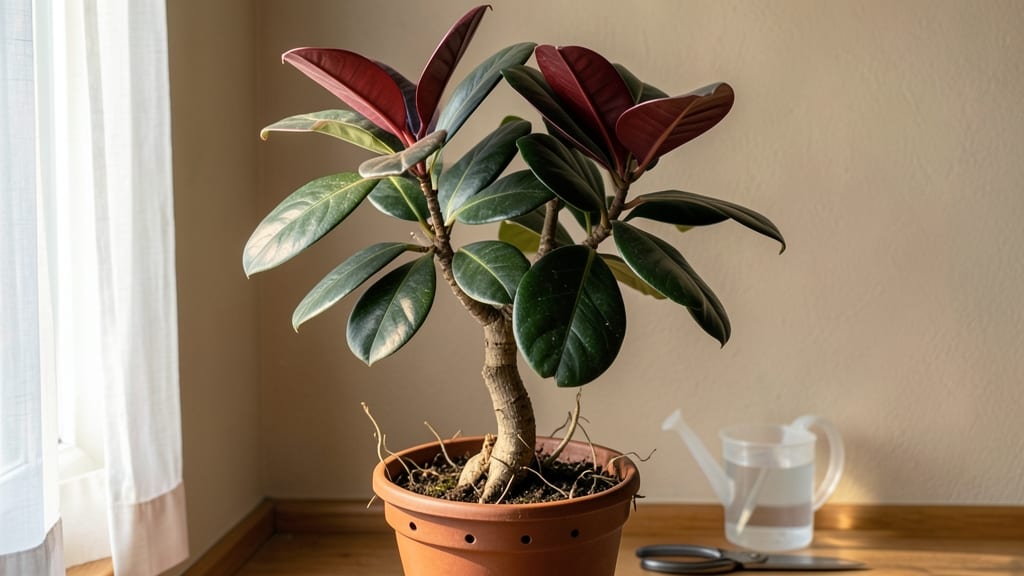
The big rubber tree (Ficus elastica) thrives in Pacific Northwest homes where it becomes a bold, glossy centerpiece that never loses its leaves. I’ve grown mine for five years—through gray winters and muggy summers—and it’s never once wilted or dropped a single leaf.
That’s because it’s built for resilience, not perfection.
The secret lies in mimicking its tropical roots: bright, indirect light (no harsh afternoon sun), well-draining soil that stays slightly damp but never soggy, and humidity levels that keep those deep green leaves from crisping.
My plant gets a quick misting twice a week and thrives near a bathroom window where the air stays naturally moist. Even beginners can nail this—it’s one of the most forgiving houseplants out there.
By summer’s end, you’ll have a tree that towers over your furniture, its broad leaves filtering light like a natural room divider. Prune it back in spring to encourage bushier growth, and watch as new shoots emerge within weeks.
The best part? It purifies the air while doing it, making your space feel fresher and more vibrant.
Whether you’re starting from a cutting or nurturing a nursery plant, this guide covers every step—from propagation to troubleshooting—so your rubber tree becomes the showstopper of your home. Let’s get growing!
📚 In This Guide
- What you need
- Instructions
- Tips and common mistakes
- Wrapping up and next steps
What you need
- ● Big Rubber Tree (Ficus elastica): 1 mature plant (18"+ tall) or 3-5 young plants (6"-12" tall) for pruning practice.
- ● Variety tip: Opt for ‘Robusta’ (dark green leaves) or ‘Tineke’ (variegated pink/cream) for bold contrast!
- ● Pruning Tools: 1 pair of bypass pruners (sharp, 5"-6" blades for clean cuts).
- ● 1 sterilized pruning saw (for thick stems >1" diameter).
- ● 1 rubbing alcohol (70%+) or bleach solution (1 part bleach : 9 parts water) for tool sterilization.
- ● Safety Gear: 1 pair of gardening gloves (nitrile-coated for latex-sensitive folks!).
- ● 1 small first-aid kit (for sap irritation—rubber tree sap can be a mild irritant!).
- ● Growing Supplies: 1 well-draining potting mix (50% peat moss, 30% perlite, 20% compost). Pro tip: Add orchid bark (20%) for aeration!
- ● 1 6"-8" pot (per plant) with drainage holes (or a cache pot for outdoor winter protection).
- ● 1 spray bottle (for misting new cuts to prevent sap oozing).
- ● 1 rooting hormone (to propagate pruned cuttings).
- ● 1 humidity tray (pebbles + water) for post-pruning recovery.
- ● 1 plant food (balanced 10-10-10 fertilizer) for post-pruning growth boosts.
- ● 1 decorative pot (ceramic or fabric) to showcase your pruned masterpiece!
- ● Climate: Pacific Northwest’s USDA Zones 8-10 (indoor/outdoor flexibility!).
- ● Light: Bright, indirect light (east/west-facing windows or grow lights).
- ● Water: Well-draining soil (avoid soggy roots—let top 1" dry out between waterings!).
- ● Patience: Pruning timing matters! Aim for spring/summer (active growth phase).
Step-by-step instructions for cultivating a thriving big rubber tree
This Pacific Northwest favorite thrives with the right care—here’s how to coax its glossy leaves and sturdy growth.
🌱 Step 1: Choose the Right Location and Soil
The big rubber tree (Ficus elastica) loves bright, indirect light—think 6-8 hours of filtered sunlight daily. A spot near an east- or west-facing window works best, but avoid harsh afternoon sun that can scorch its leaves. If your home has low light, supplement with a grow light kept 12-18 inches away to prevent leggy growth.
Use a well-draining potting mix blended with 20% perlite or orchid bark to prevent soggy roots. The mix should feel slightly damp but never waterlogged—press your finger 1 inch deep into the soil. If it feels dry, it’s time to water; if it’s damp, wait a day or two. Overwatering is the #1 killer of rubber trees, so prioritize drainage over frequency.
☀️ Step 2: Water and Humidity Maintenance
Water your rubber tree only when the top 2 inches of soil feel dry to the touch. Stick your finger in—if it comes out clean, water thoroughly until it drains from the bottom. Let excess water empty from the saucer after 10-15 minutes to avoid root rot. During winter, when growth slows, water every 3-4 weeks unless your home is dry.
These tropical plants crave 50-60% humidity. If your home’s air feels dry (common in winter with heat running), place the pot on a pebble tray filled with water or use a humidifier nearby. Mist the leaves occasionally, but avoid wetting the crown where leaves meet the stem—this encourages fungal issues. Wipe leaves with a damp cloth monthly to remove dust and help them absorb light efficiently.
🪴 Step 3: Prune and Support Growth
Prune your rubber tree in early spring to shape it and encourage bushier growth. Use sterilized pruning shears to cut just above a leaf node (the bump where leaves attach). This prevents unsightly stubs and promotes new branches. If your tree grows leggy, trim the top 1-2 inches to redirect energy downward.
Young rubber trees need support as they grow. If your plant tips over, stake it with a bamboo stake tied loosely to the stem with soft plant ties. Avoid tight bindings that can girdle the stem as it thickens. Rotate the pot a quarter turn every few weeks so the tree grows evenly toward the light, not lopsided.
✂️ Step 4: Fertilize and Monitor for Pests
Feed your rubber tree every 4-6 weeks in spring and summer with a balanced liquid fertilizer (10-10-10 or 20-20-20). Dilute to half-strength to avoid burning roots. Skip fertilizing in fall and winter—these are dormant periods when the plant doesn’t need extra nutrients. Yellow leaves often signal over-fertilizing, so flush the soil with water if this happens.
Check the undersides of leaves weekly for pests like spider mites or scale. Wipe leaves with neem oil solution (1 tsp neem oil + 1 quart water) if you spot webbing or sticky residue. Isolate the plant if infested to prevent spreading. Healthy rubber trees rarely attract pests, so strong growth is your best defense.
Tips & tricks for perfect big rubber tree care
Here's what nobody tells you about keeping your big rubber tree thriving for years—these are the secrets that make all the difference.
Light Placement: That 6-8 hours of filtered light is non-negotiable, but here's the trick: if your tree looks stretched or sparse, it's not getting enough light. Move it closer to the window or add a grow light. I learned this the hard way after my first rubber tree grew into a sad, leggy stick—now I check for the classic "reaching" behavior where leaves point toward the light source.
Soil Check: The 1-inch deep soil test is crucial, but what you're really feeling for is resistance—not just moisture. Well-draining mix should feel like a wrung-out sponge: firm but not compacted. If your soil feels powdery when dry or stays soggy, it's time to repot with fresh mix containing that 20% perlite. Confession: I skipped this step for years and wondered why my tree kept developing root rot.
Watering Rhythm: Those 10-15 minutes for drainage are more important than you might think. After watering, lift the pot—if it's still heavy, let it drain longer. In winter, I actually set a timer to check watering schedules because our dry heat makes the soil dry out faster than the 3-4 week guideline suggests. The key is always waiting until that top 2 inches feel completely dry.
Pruning Timing: Early spring is perfect for pruning, but don't wait until you see brown leaves—act proactively. I trim about 1-2 inches from leggy stems every year, and it's amazing how much bushier the tree becomes. Just remember to sterilize your shears between cuts to prevent spreading any hidden infections. This simple step has kept my rubber tree looking full and healthy for over five years.
Pro Tips for Big Rubber Tree
- Here's what nobody tells you about keeping your big rubber tree thriving for years—these are the secrets that make all the difference.
- Light Placement: That 6-8 hours of filtered light is non-negotiable, but here's the trick: if your tree looks stretched or sparse, it's not getting enough light.
- Soil Check: The 1-inch deep soil test is crucial, but what you're really feeling for is resistance—not just moisture.
Frequently asked questions
How often should I prune my big rubber tree?
Prune your Ficus elastica 2–3 times a year to maintain shape and encourage bushiness. Focus on spring and early summer for major cuts, and do light trims after flowering (if applicable) to redirect energy. Avoid heavy pruning in fall/winter—it stresses the plant during dormancy. Use sterilized tools to prevent disease!
Can I propagate my big rubber tree from cuttings?
Take 4–6-inch stem cuttings just below a node, strip the lower leaves, and dip in rooting hormone. Plant in moist, well-draining soil (or perlite) and keep in bright, indirect light with humidity (a plastic bag helps!). Roots form in 4–8 weeks. Pro tip: Mist leaves daily to mimic tropical conditions!
Why are my rubber tree’s leaves yellowing or dropping?
Yellow leaves usually signal overwatering or low humidity. Let the top 1–2 inches of soil dry out between waterings, and group plants together to boost humidity. Brown edges? Underwatering or cold drafts may be the culprit. Move your tree away from AC vents/doors and avoid sudden temperature swings (keep it 65–80°F).
Is the big rubber tree toxic to pets?
Yes! All parts of the Ficus elastica contain caustic sap that’s toxic if ingested by cats, dogs, or humans. Keep it out of reach, and wear gloves when pruning. Watch for symptoms like drooling, vomiting, or mouth irritation—contact a vet immediately if your pet chews on it. Opt for pet-safe alternatives like Spider Plants or Boston Ferns if needed.
What’s the best spot for a big rubber tree indoors?
Place your tree in bright, indirect light (east/west-facing windows are ideal). Avoid harsh midday sun, which can scorch leaves. Rotate the pot quarter-turns monthly for even growth. If natural light is limited, supplement with a grow light 10–12 hours/day. Just keep it away from heating/cooling vents—consistent warmth is key!
Can big rubber trees survive outdoors in the Pacific Northwest?
While they’re tropical natives, mature Ficus elastica can handle USDA Zones 10–11. In the PNW (Zones 7–9), grow them indoors year-round or as summer patio plants (bring inside before temps drop below 50°F). If outdoors, choose a sheltered, sunny spot and protect from wind/chill. Mulch the base to insulate roots!
Wrapping up and next steps
The big rubber tree (Ficus elastica) is a stunning, low-maintenance evergreen that thrives in the Pacific Northwest’s climate—when you prune it right! With the right tools, timing, and techniques, you can shape it into a showstopper while keeping it healthy and lush.
Remember, confidence comes with practice, so don’t hesitate to experiment and learn as you go.
Now that you’re armed with knowledge, roll up your sleeves and get pruning! 🌿 Start with small cuts, observe your tree’s response, and soon, you’ll be the proud owner of a thriving, year-round green masterpiece. Happy gardening!