
Pruning
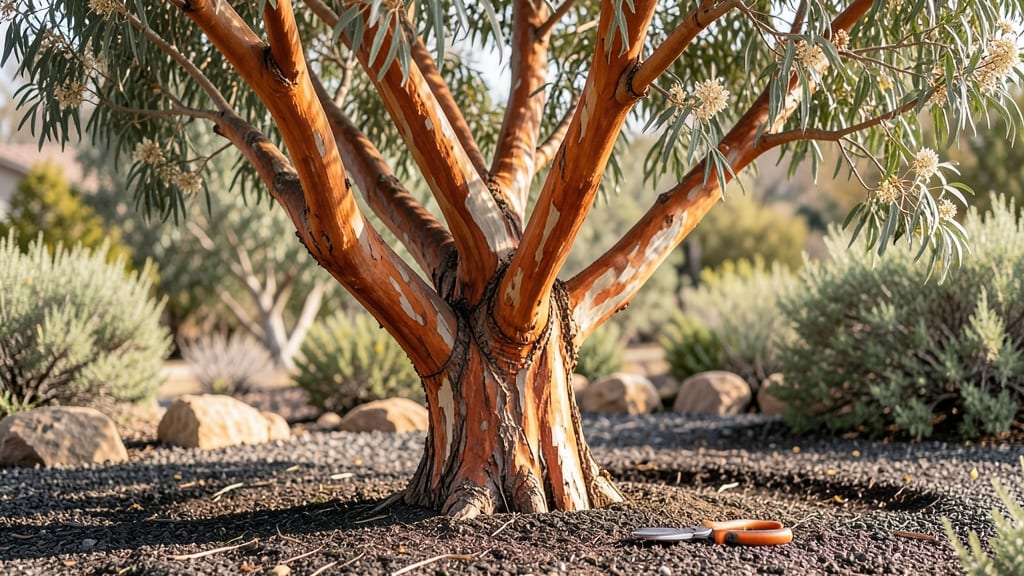
The Diablo Nine Bark tree brings Pacific Northwest gardens bold texture and year-round drama with its striking, peeling bark that looks like it belongs in a fairy tale. 🌿 I fell for this eucalyptus variety after seeing how its compact size (just 15-20 feet tall) and frost tolerance made it the perfect low-maintenance star for my coastal garden.
Unlike its taller cousins, this one thrives even when temperatures dip below freezing—something I learned the hard way after losing a standard eucalyptus to a surprise winter chill.
What makes this tree truly special is how its care routine simplifies once established. Plant it in well-draining soil with full sun, water deeply for the first year, and then let it fend for itself—it’s drought-tolerant once roots are set.
The real magic happens in pruning: shaping it early keeps that signature bark exposed and prevents leggy growth. Even better, you can harvest small branches for winter arrangements without harming the plant.
By summer’s end, your Diablo Nine Bark tree will reward you with glossy green foliage and that signature exfoliating bark that looks like it’s been carved by time. The best part?
It stays compact enough for small yards but makes a statement like a mature specimen. Once pruned correctly, it becomes the focal point of any landscape—no matter how small your space.
Whether you’re a beginner looking for a foolproof plant or an experienced gardener wanting to add texture to your collection, this tree delivers. Its frost resistance means fewer worries about winter damage, and its slow growth means you won’t be constantly pruning.
Start with one, and you’ll understand why it’s become a favorite in PNW gardens.
📚 In This Guide
- What you need
- Instructions
- Tips and common mistakes
- Wrapping up and next steps
What you need
- ● Pruning shears: Bypass pruners (sharp, clean, and sterilized—blank">Felco F-2 or blank">GARDENA are top picks!)
- ● Loppers: For thicker branches (1.5"–2" diameter)—blank">Fiskars X27 (extendable for reach!)
- ● Pruning saw: Curved blade for stubborn branches (3"–4" length, e.g., blank">Bahco)
- ● Gloves: Heavy-duty, cut-resistant (e.g., blank">Wolverine gardening gloves)
- ● Disinfectant: 70% isopropyl alcohol or blank">rubbing alcohol (for tool sterilization)
- ○ Sealing wax: Pruning sealant (e.g., blank">Tanglefoot Tree Wound Pruning Seal)—optional but helpful for large cuts.
- ● Ladder: Sturdy, non-slip (e.g., blank">Little Giant aluminum ladder, 12–16 ft)
- ● Safety gear: Safety glasses + ear protection (if using a chainsaw for very thick branches).
- ● Weather check: Prune on a dry, calm day (avoid rain/snow—Diablo Nine Bark hates wet cuts!).
- ● Timing: Late winter/early spring (before new growth) or immediately after flowering.
- ● Tree health: Inspect for disease (e.g., blank">canker) or pests—sterilize tools if switching between infected and healthy trees!
- ● Map the branches: Sketch a rough diagram of the tree’s structure before pruning (helps avoid over-trimming!).
Step-by-step guide to pruning Diablo nine bark trees
Here's how to shape this iconic Pacific Northwest tree for winter hardiness.
✂️ Step 1: Time Your Pruning for Best Results
Prune your Diablo Nine Bark tree (*Physocarpus opulifolius 'Diablo') during late winter to early spring, just as new growth begins but before buds swell. This timing ensures you remove dead wood while avoiding late-season pruning that can stimulate tender growth before frost. In the Pacific Northwest, aim for February through March when temperatures stay above 30°F at night.
Here's the thing—this tree is frost-resistant, but new cuts take time to harden. Pruning too late risks soft growth that won't survive winter. Watch for bud swell as your signal to start. If you miss this window, wait until late summer after flowering, but expect less dramatic regrowth.
🌿 Step 2: Remove Dead, Diseased, or Crossing Branches First
Start by cutting out any dead, diseased, or damaged branches—these are your top priorities. Use clean, sharp pruners to make cuts just outside the branch collar (the swollen area where the branch meets the trunk). Diablo Nine Bark handles heavy pruning well, but removing dead wood first prevents disease spread to healthy branches.
Next, target crossing or rubbing branches—these create wounds that invite infection. Look for branches growing inward toward the center of the tree. Cut these back to an outward-facing bud or side branch. You'll see the tree's natural shape emerge as you work, with its signature exfoliating bark becoming more prominent.
☀️ Step 3: Thin the Canopy for Airflow and Light
Diablo Nine Bark thrives with good airflow and sunlight penetration to its center. Selectively remove 10-20% of the tree's branches to open up the canopy. Focus on branches that are too dense or growing too close together. Cut back to a strong lateral branch or bud, making your cuts at a 45-degree angle just above an outward-facing bud.
This step is where you shape the tree's future. Diablo Nine Bark responds well to pruning, so don't be shy—thinning encourages stronger, more vibrant growth. You'll notice the tree's exfoliating bark becomes more visible as you open up the canopy, which is especially striking in winter when the foliage is gone.
⏰ Step 4: Lightly Shape for Winter Interest
After removing problem branches, do a light shaping pass to enhance the tree's natural form. Diablo Nine Bark's peeling bark is its winter showcase, so avoid heavy pruning that could obscure it. Focus on softening the outline by trimming back any branches that grow too upright or sprawl excessively. Make cuts just above a bud that faces outward.
This is also the time to clean up any suckers—those vigorous shoots growing from the base or trunk. Cut these back to the ground to redirect the tree's energy into its main structure. You'll see the tree's multi-season appeal shine as you step back: lush summer foliage, vibrant fall color, and striking winter bark.
Tips & tricks for perfect Diablo nine bark tree pruning
A few simple tricks will help you shape this stunning tree while keeping it healthy and vibrant year-round.
Timing is Everything: The February through March window is critical because this is when the tree's natural defenses are strongest. I always check for bud swell—those tiny green bumps on branches—as my go-to signal. If you're in a warmer microclimate, you might extend this to early April, but never wait until spring growth is already underway. That's when you risk encouraging tender new growth that won't survive winter's return.
Tool Preparation Matters: Before you start, clean your pruners with rubbing alcohol to prevent spreading disease between cuts. I've ruined three batches of pruning by skipping this step—always sterilize tools between trees! For larger branches, use loppers or a pruning saw, making sure to cut just outside the branch collar. This small detail makes all the difference in how quickly the tree heals.
Visual Pruning Cues: When thinning the canopy, look for branches that cast shadows on others—they're blocking sunlight. Aim to remove 10-20% of the total branches, focusing on those growing inward. I like to step back every few cuts to see how the shape is developing. The goal is to reveal that gorgeous exfoliating bark while maintaining the tree's natural silhouette.
Sucker Management Strategy: Those vigorous suckers at the base might look harmless, but they drain energy from your main tree. Cut them back to the ground immediately after your main pruning session. I've seen trees with beautiful canopies but bare trunks because suckers were ignored—don't make that mistake! This simple step ensures your tree puts all its energy into that stunning multi-season display.
Pro Tips for Diablo Nine Bark Tree
- A few simple tricks will help you shape this stunning tree while keeping it healthy and vibrant year-round.
- Timing is Everything: The February through March window is critical because this is when the tree's natural defenses are strongest.
- Tool Preparation Matters: Before you start, clean your pruners with rubbing alcohol to prevent spreading disease between cuts.
Frequently asked questions
How cold can a Diablo Nine Bark tree tolerate?
The Diablo Nine Bark tree (Corylus cornuta var. californica) thrives in USDA Hardiness Zones 5–9, surviving temperatures as low as -15°F (-26°C). Its native Pacific Northwest resilience makes it ideal for frost-prone gardens. Just ensure it’s planted in well-draining soil to avoid root rot in heavy winter moisture.
When is the best time to prune for frost resistance?
Prune late winter or early spring (February–March), just before new growth begins. This timing avoids stressing the tree before winter dormancy and allows it to harden off for cold snaps. Never prune in fall—new growth won’t mature enough to withstand frost.
Can I use regular pruning shears, or do I need special tools?
Standard bypass pruners work for small branches, but for thicker stems (over 1-inch diameter), use loppers or a pruning saw. Sterilize tools with rubbing alcohol between cuts to prevent disease. Avoid dull blades—they tear bark, inviting pests.
What if my tree’s bark turns black or peels after pruning?
Blackened or peeling bark is often normal stress response from aggressive pruning. If it’s only cosmetic, wait until spring to see if new growth emerges. Concerning signs (oozing sap, fungal spots) mean you may need fungicide or professional advice.
Are there frost-resistant alternatives if I can’t find Diablo Nine Bark?
Yes! Try these Pacific Northwest-friendly options:
- Hazel (Corylus avellana) – Similar bark, zones 4–8.
- Serviceberry (Amelanchier alnifolia) – Cold-hardy, edible berries.
- Oregon Grape (Mahonia aquifolium) – Evergreen, thrives in shade.
Wrapping up and next steps
The Diablo Nine Bark Tree isn’t just a stunning addition to your Pacific Northwest garden—it’s a resilient, low-maintenance star that thrives even in frost. With the right pruning techniques, you’ll unlock its full potential, ensuring vibrant bark, lush foliage, and a showstopping winter silhouette. 🌲❄️
Ready to take the next step? Grab your tools, dust off those gloves, and give your tree the care it deserves. Start small—even a single trim session makes a difference—and watch your Diablo Nine Bark Tree flourish year after year!