
Pruning
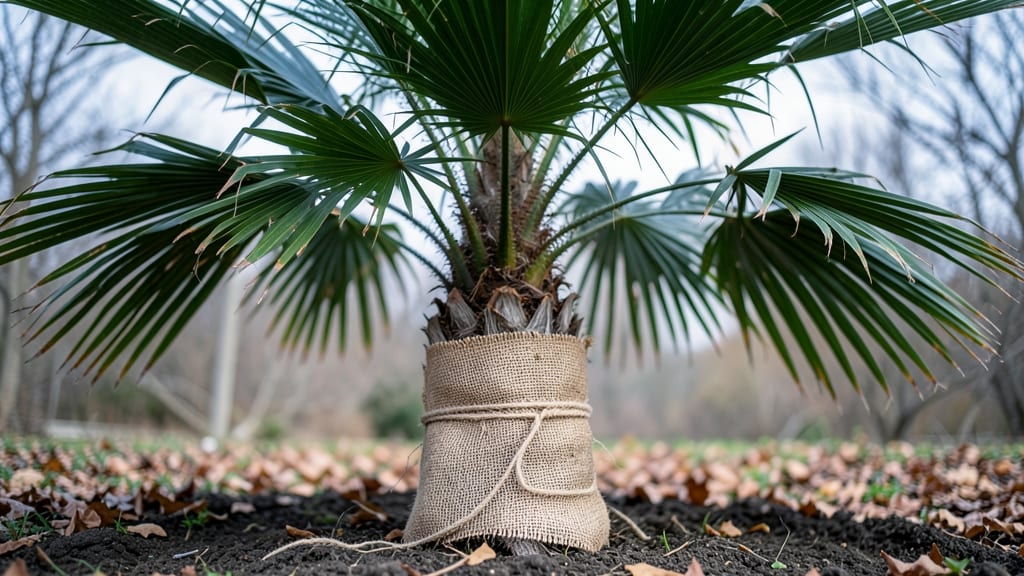
Wrapping a palm tree for winter isn’t just smart—it’s the difference between a surviving tropical beauty and a sad, frost-nipped mess. 🌿 In the Pacific Northwest, where winters are damp and chilly but rarely brutal, palms can still suffer from cold snaps that turn fronds brown or even kill the growing tip.
The key is timing and technique: wrap before the first frost hits, and you’ll save your tree from looking like it’s been through a snowstorm.
You’ll need just a few simple supplies: burlap or frost cloth (breathable but protective), twine or zip ties to secure it, and maybe some plastic sheeting for extra insulation on the trunk if your winters dip below 20°F. The goal is to mimic the humidity and warmth palms crave without smothering them—think of it like tucking your tree in for a cozy nap.
Most palms thrive with this protection even in Zone 8, where temperatures can flirt with freezing.
When done right, your palm will wake up in spring with vibrant green fronds and none of that crispy, dead-tip heartbreak. The wrap keeps moisture in, prevents windburn, and gives the trunk a little extra cushion against temperature swings.
Unwrap it as soon as daytime temps stay above 40°F consistently, usually by late March or early April—too late, and you risk trapping heat that could encourage mold or pests.
Here’s the secret: don’t over-wrap. Tight enough to stay put, loose enough to breathe. And if your palm is young or particularly tender, add a second layer of frost cloth for extra defense.
With this method, even the pickiest palms—like the Mexican fan palm or windmill palm—will bounce back year after year, looking like they’ve never known a cold day.
📚 In This Guide
- What you need
- Instructions
- Tips and common mistakes
- Wrapping up and next steps
What you need
- ● Burlap or landscape fabric: 10–20 yards (depending on tree size; opt for breathable 30%–50% shade cloth for airflow).
- ● Twine or zip ties: 50–100 ft (jute twine or plastic-coated for durability).
- ● Staple gun + staples: Heavy-duty (1/4"–3/8" staples) to secure fabric tightly.
- ● Scissors or utility knife: For trimming fabric to size.
- ● Measuring tape: To ensure even coverage (aim for 2–3 ft wider than the tree’s spread).
- ○ Plastic wrap (optional but helpful): 1–2 mil thickness (only use if temps dip never seal completely—palms need to breathe!).
- ● Frost cloth or bubble wrap: For added insulation in extreme cold snaps (layer over burlap).
- ● Tree ties or Velcro straps: To cinch fabric without damaging the trunk.
- ● Waterproof sealant (e.g., silicone): A dab to seal staples and prevent leaks if using plastic.
- ● Gloves + safety glasses: For handling sharp staples or prickly palm fronds.
Step-by-Step guide to winterizing palm trees in cold climates
Here's how to protect your tropical palms from frost without damaging their delicate fronds.
🪴 Step 1: Select the Right Wrapping Materials
Choose breathable, frost-resistant fabrics like burlap sacks or landscape fabric that allow air circulation while blocking cold winds. Avoid plastic—it traps moisture and can rot the trunk. I like to use 12-18 inch wide strips cut to fit the palm's height, overlapping each section by 4-6 inches for full coverage.
For palms under 15 feet tall, a single layer works. Taller specimens need two layers—the inner layer close to the fronds, the outer layer against the wind. Test the material first by holding it up to a light source; you should see light filtering through but not direct drafts.
🌿 Step 2: Prepare the Palm Before Wrapping
Remove any dead or yellowing fronds first—these insulate poorly and can harbor pests. Use sharp pruners to cut at the base of the frond where it meets the trunk. Water the palm deeply 2-3 days before wrapping to ensure roots are hydrated, but avoid soggy soil—this can freeze faster in cold snaps.
Gently shake the palm to dislodge any debris or spider webs clinging to the fronds. This prevents ice buildup between layers. If your palm has hair-like fibers (like a Mexican fan palm), mist the fronds lightly with water—this helps the fabric adhere better without sticking.
💧 Step 3: Apply the Wrapping Technique
Start wrapping from the top of the palm, working downward in spiral motions to avoid gaps. Secure the first layer with soft twine or landscape staples—never use wire or metal staples, as they can pierce the trunk. Leave the base of the trunk exposed (about 12 inches from the soil) to prevent rot from trapped moisture.
For extra protection, fold the bottom edge of the wrap inward before securing it. This creates a tent-like barrier that traps heat rising from the soil. If your palm has multiple trunks, wrap each one individually—shared wraps can restrict growth and trap cold air between stems.
⏰ Step 4: Monitor and Adjust Through Winter
Check the wrap every 2-3 weeks during frost events. If snow accumulates, gently brush it off—never pull or scrape, as this can tear the fabric. Look for condensation or mold on the inner layer; if present, unwrap the palm for 24 hours to dry before rewrapping.
Adjust the wrap if strong winds threaten to loosen it. Use additional twine or fabric ties at stress points, but avoid over-tightening—you want the palm to "breathe." In prolonged sub-freezing temps (below 20°F), add a second outer layer of burlap for extra insulation.
☀️ Step 5: Unwrap in Early Spring
Remove the wrap after the last frost date when daytime temperatures consistently stay above 40°F. Start by loosening the twine and peeling back the top layer. If you see new fronds emerging, leave the lower portion wrapped for another 7-10 days to protect tender growth.
Inspect the palm for sunburn—common after winter protection. If fronds look bleached or crispy, water deeply and provide partial shade for a week. Prune any damaged areas immediately to encourage fresh growth. Store your wrapping materials in a dry, shaded spot for next winter’s use.
Tips & tricks for perfect palm tree winter wrapping
These frost-proofing secrets will help you protect your Pacific Northwest palms like a pro—without the common mistakes that leave fronds vulnerable.
Material Selection Matters: When choosing between burlap and landscape fabric, prioritize thickness—burlap offers slightly better insulation for extreme cold snaps below 20°F, while landscape fabric provides a more breathable option for milder winters. I've found that pre-cutting fabric strips to 12-18 inches wide (as mentioned in Step 1) saves time during the actual wrapping process, especially when dealing with multiple palms. Test your fabric's breathability by holding it up to a light source before purchasing; you should see diffused light but not direct drafts passing through.
Timing is Everything: The 2-3 day deep watering before wrapping (Step 2) is non-negotiable—it primes the root system to handle winter stress. However, here's the secret: water in the late afternoon so the soil has time to absorb moisture before evening. This prevents surface freezing that can occur if you water too close to nightfall. For palms with hair-like fibers, that light misting (also in Step 2) should be done just before wrapping—not hours earlier—so the fabric adheres properly without creating a damp environment that could promote mold.
Wind Resistance Technique: In Step 3, when you're securing the wrap with soft twine, here's a pro move: create a figure-eight pattern at each tie point rather than simple knots. This distributes tension more evenly and prevents the wrap from loosening during wind gusts. For palms in exposed locations, I recommend adding horizontal support straps every 3 feet—use the same fabric as your wrap, secured with additional twine. This creates a "cage-like" effect that dramatically reduces wind damage.
Spring Unwrapping Strategy: When you're ready to remove the wrap after the last frost (Step 5), don't rush to expose the entire palm at once. Instead, peel back the top layer completely but leave the lower portion wrapped for 3-5 days longer if new fronds are emerging. This gradual exposure prevents sunburn shock that often occurs when palms are suddenly exposed to full spring sunlight. I've seen palms develop crispy edges within hours of full exposure—this technique prevents that damage while still allowing the plant to acclimate.
Pro Tips for How Do You Wrap A Palm Tree For Winter
- These frost-proofing secrets will help you protect your Pacific Northwest palms like a pro—without the common mistakes that leave fronds vulnerable.
- I've found that pre-cutting fabric strips to 12-18 inches wide (as mentioned in Step 1) saves time during the actual wrapping process, especially when dealing with multiple palms.
- Timing is Everything: The 2-3 day deep watering before wrapping (Step 2) is non-negotiable—it primes the root system to handle winter stress.
Frequently asked questions
Got questions about protecting your palm trees during chilly Pacific Northwest winters? Here are some of the most common concerns—and their answers!
How cold does it need to get before I should wrap my palm tree?
Most palm trees start needing protection when temperatures dip below 25°F (-4°C). If your area frequently drops into the 20s°F (-6°C to -7°C), wrapping is a smart move. Check your local frost dates—once they’re in the forecast, it’s time to act!
When is the best time to wrap a palm tree for winter?
Wrap your palm tree before the first hard freeze, ideally in late fall (October–November). Remove the wrap in early spring (March–April), once daytime temperatures consistently stay above 50°F (10°C) to avoid trapping moisture and causing rot.
Can I use plastic wrap or old blankets instead of burlap or frost cloth?
No—never use plastic wrap or heavy blankets! These trap moisture, leading to mold, rot, or even root damage. Stick to breathable materials like burlap, frost cloth, or specialized tree wraps. If you’re on a budget, even old bedsheets (lightweight, unbleached cotton) work in a pinch!
What if my palm tree is already wrapped, but ice or snow is forming? Should I remove it?
If ice or snow accumulates on the wrap, gently brush it off to prevent weight damage. Avoid tearing the wrap—just tap it lightly. If heavy snow builds up, support the branches with stakes or a lightweight frame to keep the structure intact until spring.
Will wrapping a palm tree kill it if I leave it on too long?
Leaving the wrap on past early spring can suffocate the tree, trap heat, or encourage pests. Remove it as soon as new growth appears (usually by March–April). If you forget, check weekly—loose or torn wraps should be replaced immediately.
Wrapping up and next steps
Wrapping your palm tree for winter doesn’t have to be a daunting task—just a simple, proactive step to protect your Pacific Northwest oasis! 🌿 By gathering the right materials, following the right techniques, and tackling it early, you can shield your tree from frost and keep it thriving for years. Now that you’re armed with the know-how, grab those supplies and give your palm tree the cozy care it deserves!
Ready to take it further? Check out our guide on post-winter palm tree care to help your tree bounce back stronger than ever after the cold months. Happy gardening! 🌱