
Fertilization
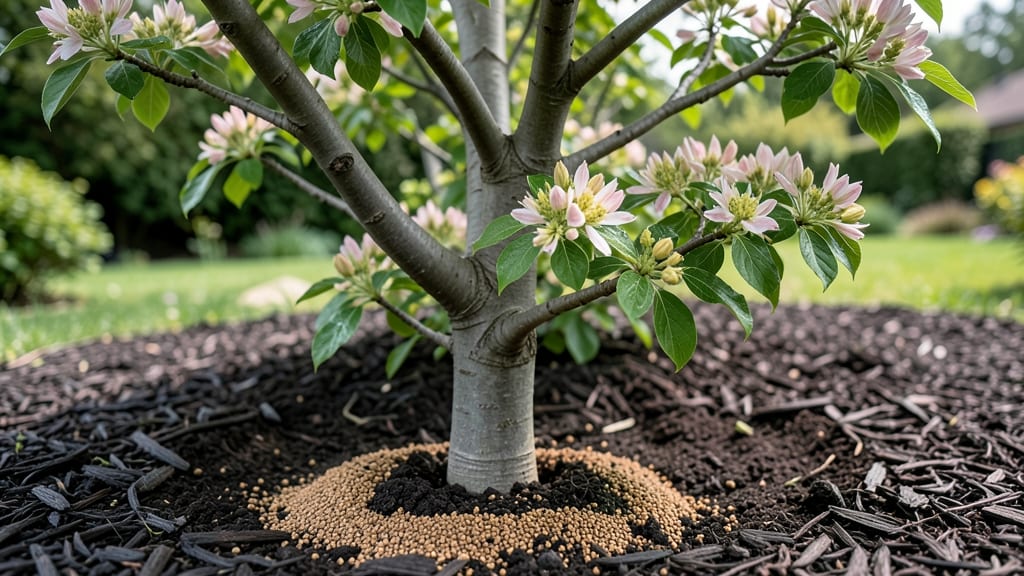
The right dogwood tree fertilizer transforms a struggling small tree into a showstopper with bold pink blooms every spring. I learned this the hard way after my first dogwood spent three years producing sad, sparse flowers—until I switched to a slow-release formula tailored for flowering trees.
Most gardeners overdo it with quick-release fertilizers, burning roots and causing leaf scorch. Instead, focus on a balanced 10-10-10 or 5-10-5 blend in early spring, just as buds swell. Organic options like composted manure or bone meal work too, but they require more frequent applications.
The key is consistency: feed lightly in spring and fall, then let the tree rest in winter.
You’ll notice the difference within a season—darker green foliage, thicker stems, and clusters of blooms that last weeks longer than before.
Pair fertilization with 2 inches of mulch and deep watering once a week, and your dogwood will reward you with vibrant color that turns heads in every neighborhood.
Works for both native dogwoods and cultivated varieties like 'Cherokee Brave' or 'White Winter Haze.' Avoid high-nitrogen fertilizers—they push leafy growth at the expense of flowers. Now, let’s get your tree blooming like a pro.
📚 In This Guide
- What you need
- Instructions
- Tips and common mistakes
- Wrapping up and next steps
What you need
- ● Slow-release dogwood fertilizer (specifically formulated for flowering trees): 10-10-10 or 12-4-8 NPK ratio (Nitrogen-Phosphorus-Potassium) for balanced growth and blooms
- ● Granular or spike form (e.g., Espoma Tree-Tone or Miracle-Gro Shake ’n Feed)
- ● Quantity: ~1 lb per 1 inch of trunk diameter (e.g., 2 lbs for a 2-inch trunk)
- ○ Organic matter (optional but recommended): Compost or well-rotted manure (2–3 gallons)
- ● Leaf mold or wood chips (for mulching)
- ● Hand trowel or garden fork (for applying fertilizer and mixing soil)
- ● Garden hose with a gentle spray nozzle (for watering)
- ● Measuring scoop or scale (to ensure precise fertilizer amounts)
- ● Gloves (to protect your hands from soil and granules)
- ○ Watering can (for targeted soil hydration, optional)
- ● Healthy, established dogwood tree (avoid fertilizing newly planted or stressed trees)
- ● Well-draining soil (amend clay soil with compost if needed)
- ● Clear weather forecast (apply fertilizer on a dry, overcast day to prevent burn)
- ● Patience! Dogwoods thrive with consistent, moderate feeding—not overdoing it.
How to fertilize dogwood trees for vibrant, long-lasting blooms
Dogwoods reward patience with stunning spring displays—but only if you feed them right. Here’s how to balance nutrients for healthy growth and continuous flowering.
Test Soil Before Applying Any Fertilizer
Dogwoods thrive in slightly acidic soil with a pH between 5.0 and 6.5. Grab a soil test kit and send a sample from 6 inches deep around the tree’s dripline. This tells you whether your soil is deficient in key nutrients like nitrogen, phosphorus, or potassium—or if it’s too alkaline, which can lock out essential micronutrients.
If your test shows low organic matter, amend the soil with 2-3 inches of compost worked into the top 12 inches of soil. Dogwoods are sensitive to heavy, compacted soil, so avoid tilling deeply—just loosen the top layer gently. Wait 4-6 weeks after amending before applying fertilizer, giving the soil time to stabilize.
Choose the Right Slow-Release Fertilizer
Skip fast-release fertilizers—they burn dogwood roots and cause leaf scorch. Instead, opt for a balanced, organic slow-release formula with a ratio like 10-10-10 or 8-3-9, designed for flowering trees. Look for ingredients like sulfur-coated urea, bone meal, or fish emulsion—these release nutrients gradually over 3-6 months, matching the tree’s natural uptake cycle.
For established trees, apply ½ pound of fertilizer per inch of trunk diameter (measured 4.5 feet above the ground). Spread it evenly in a 6-inch-wide band around the dripline—never pile it against the trunk. Water the area deeply afterward to activate the granules and prevent salt buildup on the soil surface.
Apply Fertilizer at Strategic Times
Dogwoods need two key feeding periods per year: early spring (just as buds swell) and late fall (after leaf drop but before hard frost). In spring, the fertilizer jumpstarts root growth and supports new bloom development. In fall, it replenishes nutrients lost during flowering and prepares the tree for winter dormancy.
Avoid fertilizing in mid-summer—this encourages late-season growth that won’t harden off before frost, leaving branches vulnerable to winter damage. If your dogwood is newly planted, wait 12 months before fertilizing to let roots establish without competition from rapid top growth.
Supplement with Micronutrients for Optimal Health
Dogwoods often lack iron, manganese, and zinc, which show up as yellowing between leaf veins (iron chlorosis) or stunted growth. Every 2-3 years, apply a chelated micronutrient blend (like iron sulfate or a trace mineral mix) in early spring. Follow label rates—overapplication can be just as harmful as deficiency.
For extra insurance, top-dress the soil with ½ inch of organic mulch (like shredded bark) in a 3-foot-wide ring around the tree. This retains moisture, regulates soil temperature, and slowly releases nutrients as it breaks down. Keep mulch 6 inches away from the trunk to prevent rot and pest issues.
Monitor and Adjust Based on Tree Response
Healthy dogwoods have dark green, glossy leaves and produce abundant blooms on last year’s wood (so prune carefully). If you notice yellowing leaves, it could signal over-fertilization—flush the soil with 1-2 inches of water to leach excess salts. If leaves are small and pale, the tree needs more nitrogen—apply a light dose of composted manure in early spring.
Watch for bud failure—if flowers don’t appear, the tree may be stressed from drought, poor drainage, or root damage. Reduce watering slightly (dogwoods prefer moderately moist but well-drained soil) and avoid heavy-handed pruning, which removes next year’s blooms. Patience and consistency pay off: a well-fed dogwood can bloom year after year with minimal effort.
Tips & tricks for perfect dogwood tree fertilization
Here's what I've learned after years of nurturing dogwoods—these details make all the difference between a tree that struggles and one that thrives.
Soil Testing Precision: When you send your soil sample for testing, request the full analysis—not just pH. Dogwoods are particularly sensitive to boron and manganese deficiencies, which often go unnoticed until the tree shows symptoms like cracked bark or sparse blooms. I always ask for micronutrient levels specifically, even though most basic kits don't include them.
Fertilizer Application Technique: The 6-inch-wide band around the dripline is critical—it targets the tree's root zone where most nutrient uptake occurs. Use a garden hose to create a slight trench before applying fertilizer, then gently refill it. This prevents salt buildup on the soil surface while keeping nutrients concentrated where roots can access them most efficiently.
Seasonal Timing Insight: For the early spring application, aim for when you see the first green buds but before they fully open. This timing ensures the fertilizer supports bloom development without encouraging excessive leaf growth that can stress the tree. In fall, apply after leaves have dropped but before hard frost—typically mid-October in most climates.
Micronutrient Application Strategy: When applying chelated micronutrients every 2-3 years, split the application into two doses: half in early spring and half in late summer. This two-phase approach prevents nutrient overload while ensuring the tree has access to these essential elements throughout its growing season. The late summer dose helps prepare the tree for winter dormancy.
Pro Tips for Dogwood Tree Fertilizer
- Here's what I've learned after years of nurturing dogwoods—these details make all the difference between a tree that struggles and one that thrives.
- Soil Testing Precision: When you send your soil sample for testing, request the full analysis—not just pH.
- Fertilizer Application Technique: The 6-inch-wide band around the dripline is critical—it targets the tree's root zone where most nutrient uptake occurs.
Frequently asked questions
Got questions about fertilizing your dogwood tree for stunning blooms?
You’re not alone! Here are answers to the most common concerns—so you can keep your tree thriving with confidence.
When is the best time to fertilize a dogwood tree?
Fertilize your dogwood in early spring (just as new leaves emerge) and again in late fall (after leaf drop). Avoid fertilizing during summer heat or winter dormancy—this can stress the tree. For slow-release fertilizers, follow the label’s timing guidelines for year-round benefits.
What if my dogwood tree isn’t blooming after fertilizing?
Blooming issues often stem from over-fertilizing (too much nitrogen) or poor soil drainage. First, check your fertilizer’s nitrogen-to-phosphorus ratio—dogwoods prefer 10-10-10 or lower nitrogen. If blooms still lag, test your soil pH (ideal: 5.5–6.5) and consider a phosphorus-rich fertilizer to support root and flower development.
Are organic fertilizers better for dogwood trees?
Organic options like compost, bone meal, or fish emulsion are great for long-term soil health, but synthetic slow-release fertilizers (like those with sulfur-coated urea) work well too. The key is consistency—stick to a schedule and monitor your tree’s response. For fast results, a balanced synthetic blend is a safe bet!
Can I use the same fertilizer every year?
Yes, but rotate nutrient sources to prevent soil depletion. For example, alternate between a balanced slow-release fertilizer (spring) and an organic compost top-dressing (fall). This keeps nutrients diverse and supports microbial activity in the soil. Always follow label rates to avoid overloading.
Should I fertilize a newly planted dogwood tree?
Wait 6–12 months before fertilizing a newly planted dogwood. Focus on watering deeply and adding mulch (2–3 inches) to retain moisture. Once established, use a low-nitrogen fertilizer (like 5-10-10) to avoid shocking delicate roots.
How do I fix yellow leaves after fertilizing?
Yellow leaves often signal over-fertilization or nutrient burn. Flush the soil with water to dilute excess salts, then reduce fertilizer strength by half for the next application. If the issue persists, test your soil—dogwoods may need iron or magnesium (apply chelated forms if deficient). Avoid fertilizing until leaves recover!
Wrapping up and next steps
Choosing the right dogwood tree fertilizer is your secret to vibrant blooms and lush foliage year after year! 🌸 With slow-release nutrients, you’re giving your tree the steady care it needs—without the guesswork. Whether you opt for organic compost, balanced synthetic blends, or micronutrient boosters, consistency is key.
Ready to transform your dogwood into a showstopper? Start small: Test your soil, pick your fertilizer, and apply it with confidence. Your tree—and your neighbors—will thank you!