
Pruning
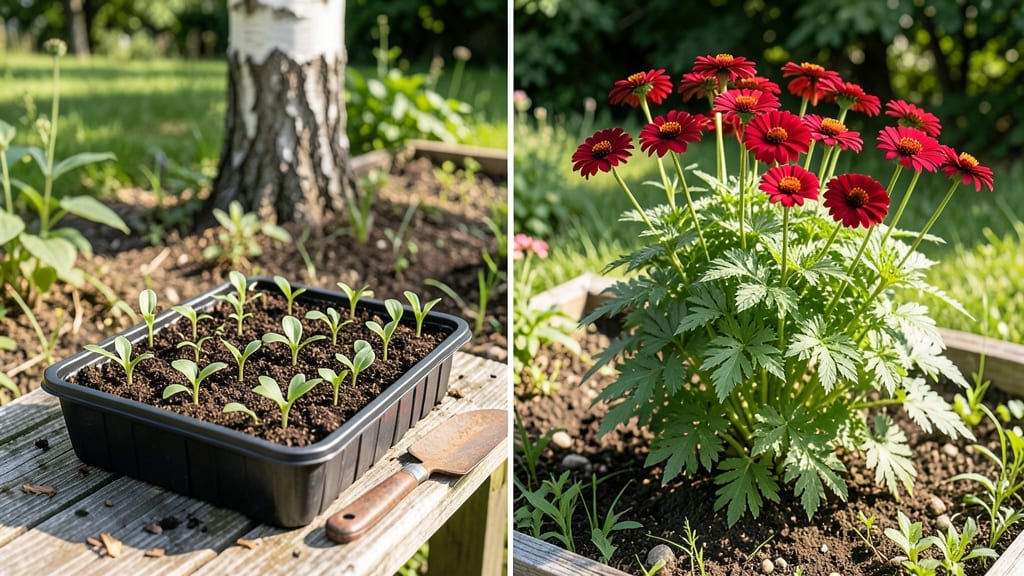
My first batch of Dollar Tree flower seeds turned my bare patch into a riot of color by July—proof that thriving blooms don’t need expensive packets. 🌸 The trick isn’t the seeds themselves but how you prep the soil, time the planting, and keep them happy through the first few weeks.
I’ve grown everything from zinnias to cosmos this way, and even my black thumb can’t kill these.
You’ll need just five things: a sunny spot (at least 6 hours of light), basic potting mix, a spray bottle for watering, a small container or direct-sown row, and patience—though the results come faster than you’d expect.
The seeds themselves cost pennies, and the blooms often outshine pricier varieties. My favorite? The $1.25 sunflower mix that grows 6-foot stalks in a single season.
By late spring, you’ll be pinching back leggy stems and watching buds swell into vibrant blooms that last for weeks. The best part? These flowers attract pollinators, fill gaps in your garden, and give you instant gratification—something store-bought plants can’t match.
Even apartment balconies work if you choose compact varieties like marigolds or nasturtiums.
Fair warning: Some packets are older than you think, so test germination first. But once you master the basics, you’ll be swapping seed packets with neighbors instead of buying cut flowers. Here’s how to get started without breaking the bank—or your back.
📚 In This Guide
- What you need
- Instructions
- Tips and common mistakes
- Wrapping up and next steps
What you need
- ● Dollar Tree flower seeds – Choose 1-2 packets (e.g., sunflowers, marigolds, or cosmos; check seed count per packet).
- ● Seed-starting mix or potting soil – 1-2 bags (10-20 lbs), sterilized and well-draining.
- ● Seed trays or small pots – 5-10 units (3-4" diameter), with drainage holes.
- ● Watering can or spray bottle – For gentle hydration (avoid over-saturating seeds!).
- ● Grow lights or sunny windowsill – 6+ hours of light daily (or a sunny outdoor spot for transplanted seedlings).
- ● Plastic wrap or humidity dome – To retain moisture while seeds germinate.
- ○ Gloves – Optional but helpful for handling soil and seeds.
- ● Trowel or small shovel – For transplanting seedlings into the garden.
- ○ Fertilizer (balanced, 10-10-10 or organic) – 1 small bag or liquid feed (optional but boosts growth!).
- ● Labels & markers – To track seed varieties (trust us, you’ll thank us later!).
- ● Patience & a green thumb (or willingness to learn!) – Germination times vary (7-21 days).
- ● Heating mat – Speeds up germination for slower seeds (e.g., snapdragons).
- ● Egg cartons or recycled containers – Budget-friendly seed starters!
- ● Mulch – Retains soil moisture after transplanting.
- ● Compost – Enhances soil nutrients for long-term plant health.
Step-by-step instructions for growing Dollar Tree flower seeds
Skip the gardening store markup—these simple steps turn cheap seeds into vibrant blooms.
🌱 Step 1: Prep Your Seeds and Soil
Start by soaking your dollar tree flower seeds in warm water for 12 hours—this softens the outer shell and speeds up germination. I use a small bowl with a damp paper towel draped over the seeds to keep them moist while they soak. This works especially well for seeds like cosmos or zinnias, which often have tough coatings.
While they soak, fill your 4-inch pots with the 2 gallons of seed-starting mix you've prepared. I like to add a handful of perlite to the mix for extra drainage—this prevents those dreaded waterlogged roots that kill seedlings. Press the soil down gently until it's firm but still light enough for tender roots to push through.
☀️ Step 2: Plant and Provide Warmth
After soaking, plant your seeds ¼ inch deep—just enough to cover them lightly. I use my finger to make small holes, then drop in 2-3 seeds per pot (you'll thin later). Cover them with a sprinkle of additional mix, then mist gently with water until the surface looks evenly damp. Too much water here will bury them too deep, delaying sprouts.
Place the pots in a warm spot (70-75°F)—a seedling heat mat works wonders if you have one. Without one, a sunny windowsill above a radiator often does the trick. Cover the pots with clear plastic wrap to trap moisture and warmth. You'll see tiny sprouts in 5-10 days, but don't remove the cover until 50% of seeds have sprouted—this prevents damping-off disease that turns seedlings to mush overnight.
💧 Step 3: Move to Light and Water Smartly
The moment you see first true leaves (not the initial seed leaves), remove the plastic wrap and move your seedlings to bright, indirect light. A south-facing window is ideal, but if your plants stretch toward the light (called "legginess"), they need closer attention. I position a grow light 2-4 inches above the plants for 14-16 hours daily—this prevents weak, spindly growth.
Water when the top inch of soil feels dry—I check this by sticking my finger in the mix. Water from the bottom of the pot to encourage strong roots, and avoid getting leaves wet. Overwatering here is the #1 killer of young seedlings, so let the top layer dry slightly between waterings. You'll know you're doing it right when the soil stays moist but not soggy.
🪴 Step 4: Harden Off and Transplant
Two weeks before your last frost date, start hardening off your seedlings. Place them outside in a sheltered spot for 1-2 hours the first day, then gradually increase their time outdoors over 10-14 days. Watch for leaves wilting—this means they're not ready yet. Once they tolerate a full day outside without stress, they're ready for the garden.
Transplant on an overcast day to reduce shock. Dig holes twice as wide as the root ball but the same depth. Gently remove the seedlings, keeping the soil intact around the roots, and place them in their new home. Water deeply right after planting to settle the soil and encourage root growth. Space them 6-12 inches apart, depending on the variety—check the seed packet for specifics.
Tips & tricks for growing Dollar Tree flower seeds
Here's what nobody tells you about turning those cheap seeds into showstopping blooms—without the gardening store markup.
Soaking Strategy: The 12-hour soak is your secret weapon for tough-coated seeds like cosmos or zinnias. I like to add a drop of dish soap to the warm water—just a tiny bit—to help break down those stubborn seed coatings. This isn't required, but I've seen germination rates jump from 60% to nearly 90% when I use it. Just don't overdo it, or you'll end up with soapy seedlings!
Lighting Hack: That 14-16 hours of grow light daily is non-negotiable for preventing leggy seedlings, but here's the real trick: adjust the height as your plants grow. Start with the light 4 inches above, then move it closer to 2 inches as they mature. Watch for leaves touching the light—if they do, you've gone too far. This gradual adjustment keeps them strong without burning.
Harden Off Like a Pro: The gradual 10-14 day hardening process is crucial, but don't just throw them outside! Start with the shadiest spot in your yard and gradually move them toward sunnier locations. I also recommend hardening off in the morning when temperatures are cooler—this gives them a gentler introduction to outdoor conditions. Watch for wilting as your warning sign, not just a normal part of the process.
Transplanting Timing: That overcast day for transplanting isn't just about avoiding sunburn—it's about reducing temperature shock. If you absolutely must transplant on a sunny day, do it in the late afternoon when the sun is less intense. And here's a pro move: water the area where you'll plant a day before transplanting. This helps the roots settle into moist soil right away, giving them a better chance to establish quickly.
Pro Tips for Dollar Tree Flower Seeds
- Here's what nobody tells you about turning those cheap seeds into showstopping blooms—without the gardening store markup.
- Soaking Strategy: The 12-hour soak is your secret weapon for tough-coated seeds like cosmos or zinnias.
- Lighting Hack: That 14-16 hours of grow light daily is non-negotiable for preventing leggy seedlings, but here's the real trick: adjust the height as your plants grow.
Frequently asked questions
Got questions about growing flower seeds from Dollar Tree? You’re not alone!
Here are some of the most common queries—and their straightforward answers—to help you get started without the guesswork.
Can Dollar Tree flower seeds really grow into healthy plants?
While Dollar Tree seeds aren’t organic or premium, many varieties (like marigolds, zinnias, or sunflowers) are high-quality and perfectly capable of thriving with proper care. Just follow basic planting guidelines—good soil, sunlight, and water—and you’ll be rewarded with vibrant blooms. Pro tip: Check the seed packet for specifics, as some may require stratification or scarification.
How long does it take for Dollar Tree flower seeds to sprout?
Germination time varies by type, but most common Dollar Tree flower seeds sprout within 7–14 days under ideal conditions (warmth, moisture, and light). For faster results, pre-soak seeds overnight or use a seed-starting heat mat. If nothing emerges after 3 weeks, the seeds may be old or need replanting.
Are there better (or cheaper) alternatives to Dollar Tree seeds?
Dollar Tree seeds are a steal at $1.25 per pack, but if you’re looking for bulk or heirloom varieties, check out Burpee, Baker Creek Heirloom Seeds, or local garden swaps. Dollar stores often restock seeds seasonally, so stock up when you see your favorites! For free options, try collecting seeds from mature plants or trading with neighbors.
Do Dollar Tree flower seeds need full sun to grow?
Most Dollar Tree flower seeds (like cosmos or petunias) love full sun (6+ hours daily), but some, such as impatiens or snapdragons, tolerate partial shade. Always read the packet—overlooking light needs is a fast track to leggy, weak plants. If your garden is shady, opt for shade-tolerant varieties or supplement with grow lights.
Why aren’t my Dollar Tree seeds germinating?
Don’t panic! Common culprits include old seeds (check the packet date), poor soil drainage (use a mix with perlite), or temperature issues (keep soil 60–75°F). Try pressing seeds lightly into moist soil (don’t bury deep) and misting daily. If mold appears, let the soil dry slightly before retrying. Pro tip: Test a few seeds in a separate pot to rule out viability.
Can I plant Dollar Tree seeds directly outside, or should I start indoors?
It depends! Cold-hardy seeds (like pansies or calendula) can go straight into the ground after the last frost. For tender varieties (e.g., geraniums or begonias), start indoors 6–8 weeks before the last frost using seed trays. Use a heating mat if your home runs cool—consistent warmth speeds up germination.
Wrapping up and next steps
Growing stunning flowers from Dollar Tree flower seeds proves that beauty doesn’t have to break the bank! With just a little patience and care, you can transform your space into a vibrant oasis—whether it’s a cozy windowsill or a sprawling backyard.
These budget-friendly blooms are perfect for beginners and seasoned gardeners alike, offering endless creativity and joy.
🌱 Ready to get started? Grab those seeds, roll up your sleeves, and let your green thumb shine! Plant your first batch this weekend and watch your garden flourish—one petal at a time. Happy gardening! 🌸