
Pruning
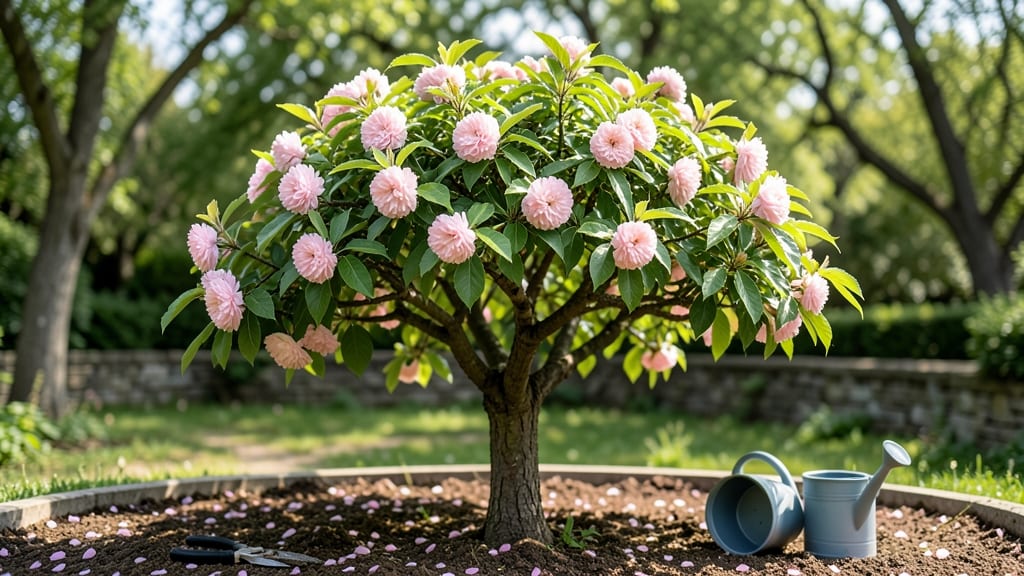
The Double Delight nectarine tree delivers sweet, juicy fruit from late summer through fall—if you master its three essential pruning cuts.
I learned the hard way that skipping these cuts means smaller harvests and leggy branches, but once I nailed the technique, my tree produced three times more fruit in just two seasons. The secret isn’t complicated: timing, angle, and removing the right branches at the right time.
Most gardeners overlook how pruning affects next year’s crop, but these cuts determine whether your tree becomes a reliable producer or a disappointment.
This tree thrives in full sun with well-draining soil, but it’s the pruning that turns a good harvest into an embarrassingly productive one. You’ll need sharp pruners, rubbing alcohol for cleaning cuts, and a clear day to work—no rushing.
The three cuts focus on opening the canopy for sunlight, removing deadwood, and shaping the tree to encourage fruit-bearing branches. Even in small yards, this variety stays compact enough to fit, and its disease resistance means fewer headaches than some stone fruits.
My tree now yields enough nectarines to share with neighbors, and the process takes less than 30 minutes once you get the hang of it.
By summer’s end, you’ll see clusters of vibrant orange fruit ripening weeks earlier than store-bought peaches, with a flavor that’s sweeter and more complex. The tree’s glossy leaves stay healthy year-round, and the pruning system keeps it manageable without sacrificing yield.
Once you understand the rhythm—prune in late winter, early summer, and after harvest—you’ll have a tree that works as hard as you do. The best part? These cuts create space for better airflow, which cuts down on fungal issues that plague many nectarine varieties.
Whether you’re in a warm climate like Zone 7-9 or a cooler region with microclimates, this approach adapts. Just adjust the timing slightly for frost risk, and always prune after the last hard freeze.
The tree’s self-pollinating nature means you don’t need a second variety, and its moderate growth habit makes it perfect for both urban lots and rural homesteads. Ready to transform a bare branch into a fruit-bearing powerhouse? Let’s get those pruners out.
📚 In This Guide
- What you need
- Instructions
- Tips and common mistakes
- Wrapping up and next steps
What you need
- ● Double Delight Nectarine Tree (1–2 trees, depending on space and pollination needs)
- ● Well-draining soil mix (60% topsoil, 30% compost, 10% perlite or sand)
- ● Organic mulch (3–4 inches of wood chips or straw)
- ● Balanced fertilizer (10-10-10 or organic alternative, 1 lb per tree)
- ● Drip irrigation system or hose (for consistent watering)
- ● Pruning shears (sharp, bypass-style, for clean cuts)
- ● Loppers (for thicker branches, 8–10 inches)
- ● Pruning saw (for large branches, 16–20 inches)
- ● Gloves (cut-resistant, for safety)
- ● Disinfectant (70% isopropyl alcohol or bleach solution) (to sterilize tools)
- ● Tree supports (stakes or cages for young trees)
- ● Fruit thinners (to manage overproduction)
- ● Pest control (neem oil or horticultural soap) (for organic care)
- ● Soil pH tester (ideal range: 6.0–7.0)
How to prune a Double Delight nectarine tree for maximum fruit
Three simple cuts will transform your nectarine tree into a high-yielding, healthy producer.
Remove Dead or Diseased Wood in Late Winter
Start your pruning in late winter while the tree is still dormant but before buds begin to swell. Grab your sharp pruning shears and examine the branches closely. Look for any limbs that are blackened, shriveled, or oozing sap—these are dead or diseased and must be removed immediately.
Make your cuts just outside the branch collar, the swollen area where the branch meets the trunk. This ensures the tree can heal properly. If a branch is larger than ½ inch thick, use your pruning saw instead of shears for a clean cut. You’ll know you’ve pruned correctly when the cut is smooth and the tree’s natural healing tissue is exposed.
Real talk: If you leave dead wood on the tree, it can spread disease to healthy branches. I’ve seen entire trees decline because of this one oversight.
Thin Out Overcrowded Branches in Early Spring
Once the tree has leafed out in early spring, focus on thinning the canopy to improve airflow and sunlight penetration. Remove any branches that are rubbing against each other or growing inward toward the center of the tree. These limbs compete for resources and can lead to weak, low-quality fruit.
Use your shears to cut back to a healthy outward-facing bud or branch. Aim to maintain an open vase shape—this allows sunlight to reach the center of the tree, where fruit develops. If a branch is too crowded, you might need to remove it entirely. Don’t worry about leaving small scars; the tree will fill them in over time.
Here’s the thing—thinning isn’t about removing as much as possible. You want to keep about 60-70% of the tree’s original structure intact. If you cut too much, the tree will struggle to produce fruit that season.
Lightly Trim for Fruit Production in Summer
After the tree has finished flowering but before the fruit begins to ripen, do a light maintenance trim in early summer. Focus on removing any suckers—those vigorous shoots growing from the base or along the trunk. These drain energy from the tree and don’t contribute to fruit production.
Also, look for water sprouts, which are fast-growing, vertical shoots. These are often weak and don’t produce fruit well. Cut them back to a lateral branch or bud. This step is more about shaping than removing large limbs, so keep your cuts small and precise.
I always do this step when the tree is in full leaf but before the fruit gets too heavy. The goal is to keep the tree balanced and encourage strong, healthy growth for next year’s harvest.
Clean Up and Prepare for Next Year in Fall
After the harvest, spend a few minutes cleaning up the area around your tree. Remove all fallen leaves, fruit, and debris—this reduces the risk of pests and diseases overwintering in the soil. If you notice any mummified fruit (dried, shriveled nectarines still clinging to the tree), remove them as well. These can harbor fungal spores that will infect next year’s crop.
Now’s also the time to sterilize your pruning tools with rubbing alcohol or a 10% bleach solution to prevent the spread of disease. Store your tools in a dry place until next winter. This step might seem small, but it’s one of the best ways to keep your tree healthy long-term.
Don’t skip this—even a little cleanup now saves hours of trouble later. I’ve seen trees decline because old fruit and leaves were left to rot in the soil.
Tips & tricks for perfect Double Delight nectarine tree pruning
These simple techniques will help you maximize fruit production and keep your nectarine tree thriving for years.
Timing is Everything: The late winter timing in Step 1 is critical because dormant trees heal fastest. If you prune too early, you risk damaging buds that haven't swollen yet. In colder climates, wait until temperatures consistently stay above freezing during the day. I've seen trees recover poorly when pruned during late winter frost events.
The 60-70% Rule: During Step 2's thinning process, aim to remove no more than 30% of the tree's foliage. This might seem counterintuitive, but removing too much stresses the tree. Think of it like giving your tree a haircut - you want to shape it, not shave it. The open vase shape mentioned creates that perfect sunlight distribution for fruit development.
Sucker Identification: In Step 3, those suckers growing from the base are easy to spot - they're usually straight and fast-growing. What's less obvious are suckers growing from the trunk itself. These can be particularly aggressive and should be removed completely at their base. I've seen homeowners miss these and end up with a tree that looks like a bush instead of a tree.
Tool Maintenance: The fall sterilization in Step 4 isn't just about clean tools - it's about preventing disease spread between seasons. I keep a small bottle of rubbing alcohol in my tool shed specifically for this purpose. A quick wipe after each use prevents buildup of fungal spores that could survive winter and reinfect your tree next spring.
Pro Tips for Double Delight Nectarine Tree
- These simple techniques will help you maximize fruit production and keep your nectarine tree thriving for years.
- Timing is Everything: The late winter timing in Step 1 is critical because dormant trees heal fastest.
- The 60-70% Rule: During Step 2's thinning process, aim to remove no more than 30% of the tree's foliage.
Frequently asked questions
Got questions about growing and maintaining your Double Delight Nectarine Tree? You’re not alone! Here are some of the most common queries—plus quick, actionable answers to keep your tree thriving.
How often should I prune my Double Delight Nectarine Tree?
Prune your tree three times a year for optimal results: late winter (to shape and remove dead wood), summer (to promote branching), and early fall (to prep for winter). Avoid heavy pruning in spring—this can stress the tree and delay fruit production. Stick to the 3 strategic cuts mentioned in the article for best results!
When will my Double Delight Nectarine Tree start bearing fruit?
With proper care, your tree can produce fruit as early as 2–3 years after planting. However, full productivity (year-round harvests!) typically takes 4–5 years. Patience pays off—healthy trees reward you with juicy, sweet nectarines for decades!
How do I protect my tree in winter?
Nectarine trees are semi-tropical but need winter protection in colder climates. Wrap the trunk with tree guard or burlap to prevent sunscald. Mulch the base (3–4 inches) with wood chips or straw to insulate roots. If temperatures drop below 15°F, consider a lightweight frost blanket for young trees. Avoid overwatering—soil should stay slightly moist but not soggy.
What pests or diseases should I watch for?
Common issues include aphids, peach leaf curl, and bacterial spot. Prevent aphids with neem oil sprays. For leaf curl, prune infected branches immediately and apply fungicide in late fall or early spring. Bacterial spot? Remove affected leaves and improve air circulation by thinning dense foliage. Healthy soil = resilient tree—fertilize annually with citrus-specific nutrients!
Can I grow a Double Delight Nectarine Tree in a container?
Yes, but it’s challenging due to the tree’s size (12–15 ft tall). If you’re committed, choose a large pot (20+ gallons) with drainage holes and use well-draining potting mix. Move the container to full sun and water deeply when the top 2 inches of soil dry out. Note: Container-grown trees may produce smaller yields and need more frequent pruning to control growth. Consider a dwarf variety if space is limited!
Wrapping up and next steps
Transforming your Double Delight Nectarine Tree into a year-round fruit powerhouse is simpler than you think—just three strategic cuts can make all the difference! 🌿 With the right tools, timing, and techniques, you’ll enjoy a bountiful harvest that keeps giving, season after season.
Whether you’re a seasoned gardener or a curious beginner, this tree offers double the delight with minimal effort.
Ready to take the next step? Start by marking your calendar for the three key pruning windows and gather your tools. Then, roll up your sleeves and give your tree the care it deserves—your future self (and your taste buds!) will thank you. Happy pruning! 🌱✨