
Pruning
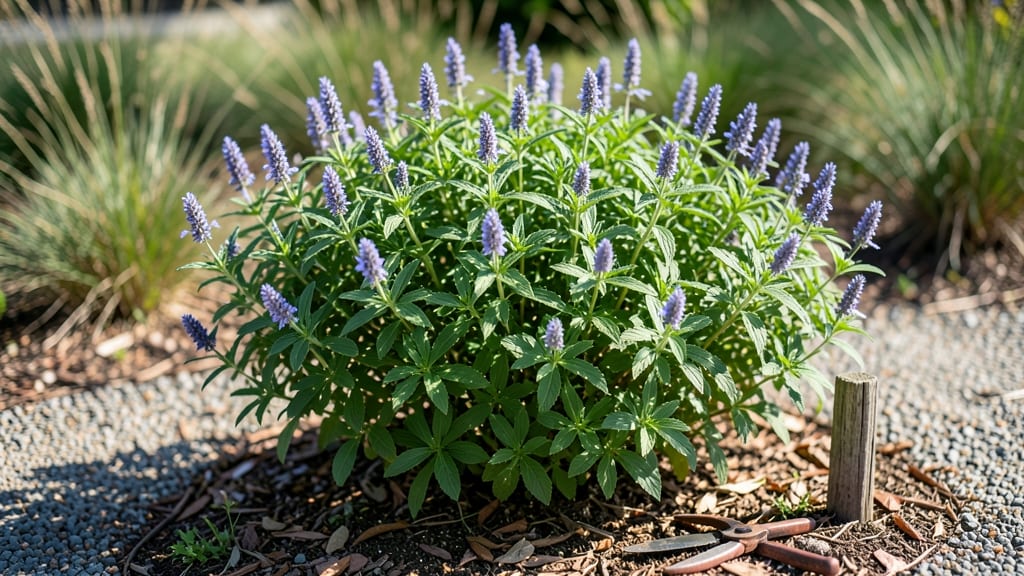
The dwarf chaste tree is the Pacific Northwest’s secret weapon for pollinators—compact, tough, and packed with purple blooms from summer through frost. 🌿 I planted mine last spring, and by July, bees and butterflies were already claiming it as their favorite spot.
Unlike its larger cousins, this variety stays under 4 feet tall, making it perfect for small yards, containers, or even as a striking hedge.
This plant thrives in full sun but handles partial shade, and it’s forgiving about soil as long as it drains well. Water it deeply once a week after the first month, and you’ll see those fragrant spikes of lavender blooms appear by midsummer.
The best part? It barely needs pruning—just trim back any leggy growth in early spring to keep it bushy and encourage more flowers.
By autumn, the foliage turns a soft golden-yellow, adding warmth to the garden just as other plants fade. The berries that follow provide winter interest for birds, while the evergreen leaves keep structure year-round.
It’s the kind of plant that makes neighbors ask, “What’s that?”—and then you get to brag about your pollinator powerhouse.
Works beautifully in cottage gardens, modern landscapes, or even as a single statement plant. Once established, it’s nearly maintenance-free, which is exactly what I love about it. Ready to add one to your garden? Let’s get growing!
📚 In This Guide
- What you need
- Instructions
- Tips and common mistakes
- Wrapping up and next steps
What you need
- ● Dwarf chaste tree (Vitex rotundifolia) – 1-3 plants (depending on desired coverage; spacing 3-5 ft apart). Pro tip: Choose established 1-gallon pots for faster establishment! 💡
- ● Pruning shears – Sharp, bypass-pruners (2-3 pairs, Felco F-2 or similar recommended for clean cuts).
- ○ Loppers – For thicker branches (optional but handy for mature trees).
- ● Gloves – Heavy-duty gardening gloves (to protect from thorns and sap).
- ● Disinfectant (70% isopropyl alcohol or pruning sealant) – 1 small bottle (to sterilize tools between cuts).
- ● Compost or mulch – 2-3 cubic feet (to retain moisture and suppress weeds).
- ● Watering can or hose with nozzle – For deep watering (especially during establishment).
- ● Pruning saw – For stubborn, woody branches (if your tree grows larger than expected).
- ● Staking kit – If planting in windy areas (1-2 stakes per young tree).
- ● Slow-release fertilizer – Balanced 10-10-10 or organic options (like fish emulsion) for nutrient boosts.
- ● Pollinator-friendly companion plants – Lavender, bee balm, or salvia (to extend the seasonal buzz!).
- ● Bird netting (lightweight) – If local birds love your tree’s berries (to protect young growth).
How to grow and maintain a thriving dwarf chaste tree in the Pacific Northwest
This low-maintenance shrub brings pollinators year-round with almost no fuss.
🌱 Step 1: Choose the Perfect Planting Spot
Dwarf chaste trees (Vitex rotundifolia) thrive in full sun—at least 6-8 hours daily—so pick a location with southern or western exposure. In the Pacific Northwest's mild climate, they tolerate partial shade but produce fewer flowers. I always check for at least 6 feet of clearance above and around the plant to prevent leaf scorch from reflected heat.
Soil should drain well—these plants hate soggy roots. If your garden has heavy clay, amend with 2-3 inches of compost mixed into the top 12 inches of soil. The root zone needs to stay moist but never waterlogged, so avoid low spots where water pools after rain.
🪴 Step 2: Plant at the Right Time and Depth
Spring is ideal for planting in the Pacific Northwest, after the last frost when soil warms to at least 60°F. Dig a hole twice as wide as the root ball but only as deep—planting too deep suffocates the roots. Gently loosen the roots if they're circling in the container before placing the plant in the hole.
Backfill with native soil mixed with 1 part compost to encourage root establishment. Water deeply right after planting to settle the soil and remove air pockets. You'll know it's done right when the soil surface looks settled and no gaps remain around the base.
☀️ Step 3: Water Deeply but Infrequently
Dwarf chaste trees are drought-tolerant once established, but young plants need 1 inch of water weekly during their first growing season. I water deeply—slowly until water runs out the bottom of the hole—to encourage deep root growth. Avoid shallow watering, which keeps roots near the surface where they dry out faster.
After the first year, reduce watering to every 2-3 weeks unless your summer is unusually hot and dry. The plant will tell you when it's thirsty—leaves curl slightly and lose their glossy sheen. This is your cue to water, but don't overdo it; soggy soil leads to root rot.
✂️ Step 4: Prune for Shape and Health (Minimal Effort)
This is where the "minimal pruning" promise comes true. Prune once in late winter or early spring before new growth begins. Remove dead, diseased, or crossing branches first—these compete with healthy growth. Then shape the plant by cutting back overly long branches to maintain a compact form.
Never cut into old wood—dwarf chaste trees bloom on new growth, so prune just above a leaf bud or joint. Use clean, sharp pruners to make cuts at a 45-degree angle just above a bud. You'll see fresh green shoots emerge within 2-3 weeks—that's your reward for a job well done.
Tips & tricks for perfect dwarf chaste tree care
Between us, these little details make all the difference when growing your Pacific Northwest pollinator powerhouse.
Sunlight Strategy: That 6-8 hours of full sun is non-negotiable for peak blooms, but here's the thing: in the PNW's cloudy months, supplement with a south-facing window if planting in containers. I've seen plants in partial shade still flower, but they'll be half as prolific—think of it like giving your plant a vitamin D boost when natural light is scarce.
Soil Prep Secret: The 2-3 inches of compost isn't just about drainage—it's about creating a sponge-like environment. I like to mix in a handful of perlite when amending heavy clay soil. This prevents compaction and helps roots breathe, especially during our wet winters when soil can become impermeable.
Watering Wisdom: That weekly inch during the first year should be your baseline, but here's what nobody tells you—water in the early morning. This gives leaves time to dry before evening, reducing fungal risks. And when you see those curled leaves signaling thirst, water until you see runoff—this ensures moisture reaches the deep roots you're encouraging.
Pruning Precision: The late winter timing is perfect because you're targeting dormant season growth. I mark my calendar for mid-February when days start lengthening. Use a clean pair of pruners and make your 45-degree cuts just above a bud—this creates a natural shield that protects the cut from disease while encouraging new growth in those 2-3 weeks.
Pro Tips for Dwarf Chaste Tree
- Between us, these little details make all the difference when growing your Pacific Northwest pollinator powerhouse.
- Sunlight Strategy: That 6-8 hours of full sun is non-negotiable for peak blooms, but here's the thing: in the PNW's cloudy months, supplement with a south-facing window if planting in containers.
- Soil Prep Secret: The 2-3 inches of compost isn't just about drainage—it's about creating a sponge-like environment.
Frequently asked questions
Got questions about the Vitex rotundifolia (dwarf chaste tree)?
Here are the most common ones—plus practical answers to help you grow and maintain this low-maintenance pollinator powerhouse with ease!
Is the dwarf chaste tree really low-maintenance?
The dwarf chaste tree is a yes to low-maintenance! Unlike its taller cousins, it thrives in poor soil, tolerates drought once established, and rarely needs pruning. Just remove dead branches in early spring, and you’re golden. It’s a set-it-and-forget-it pollinator magnet for bees and butterflies!
How fast does it grow?
Expect slow but steady growth—about 6–12 inches per year. In 5–10 years, it’ll reach its mature height of 3–5 feet, making it perfect for small gardens or container planting. Patience pays off with its fragrant lavender blooms!
Can I grow it in containers?
The dwarf chaste tree adapts well to containers, especially if you use a well-draining mix (like cactus/succulent soil). Choose a pot with drainage holes and aim for at least 12–15 inches in diameter. Just move it indoors or to a sheltered spot if temps drop below 10°F.
Why aren’t my bees visiting it?
If pollinators are scarce, check these fixes:
- Location: Place it in full sun (6+ hours/day).
- Watering: Keep soil slightly dry—overwatering stresses the plant.
- Bloom time: Peaks in late summer/fall. If blooms are sparse, fertilize lightly in spring with low-nitrogen food.
Once happy, it’ll attract honeybees, bumblebees, and even hummingbirds!
How cold-hardy is it?
This tough little tree handles USDA Zones 6–9, surviving down to 0°F with no protection. In colder zones, mulch the base in winter to shield roots. If you’re in Zone 5, grow it in a container and overwinter indoors near a bright window.
Wrapping up and next steps
The dwarf chaste tree is a low-maintenance, pollinator-friendly superstar for Pacific Northwest gardens—offering year-round beauty with minimal pruning and maximum impact. Whether you’re a beginner or a seasoned gardener, its resilience and charm make it a perfect addition to any landscape.
Ready to transform your outdoor space? Grab your shears, mark your calendar, and give this hardy tree the care it deserves! 🌿✨
- Next step: Schedule your first light pruning session in early spring and watch your pollinators thrive!