Pruning
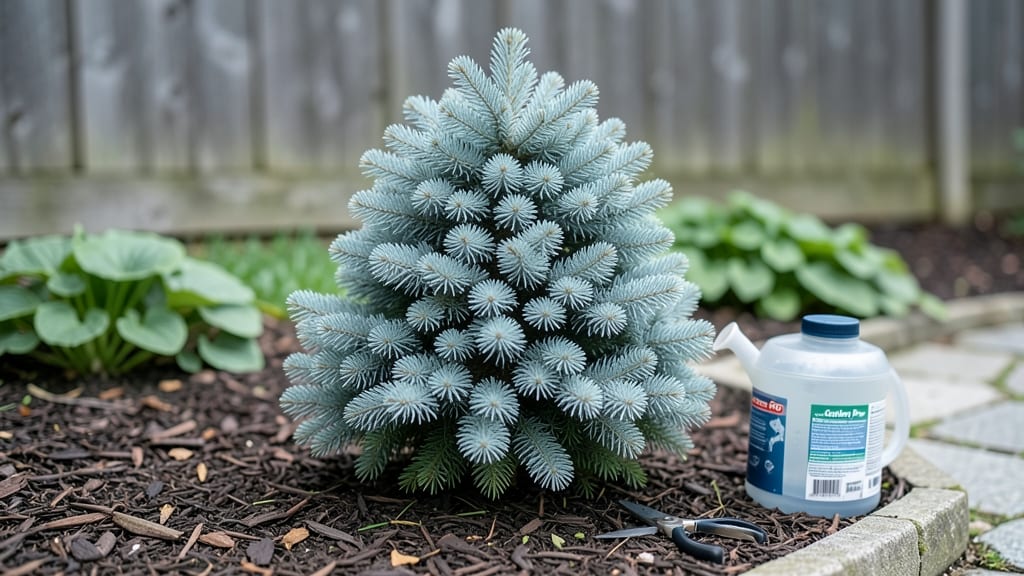
Your dwarf Christmas tree can stay lush and picturesque year-round with the right pruning approach—no holiday stress required. 🌲 I learned the hard way that skipping this step leads to leggy branches and sparse growth, but once you master it, your tree becomes a year-round star.
The key is timing: a light trim in early spring and another after the holidays to shape and encourage fullness.
Start with sharp pruning shears and focus on removing only the dead, crossing, or overcrowded branches. Aim to keep the tree's natural shape while opening up the center for airflow—this prevents disease and keeps those vibrant green needles looking their best.
For indoor trees, prune just before bringing them inside to minimize needle drop.
You'll notice a difference immediately: fuller branches, fewer bare spots, and a tree that feels alive even in summer. The secret is consistency—just 10 minutes every few months keeps your tree thriving for decades. Plus, properly pruned trees handle holiday stress better and bounce back faster.
Works for both outdoor landscapes and indoor holiday displays, though outdoor trees need slightly more aggressive shaping. The same principles apply whether you're dealing with a Norway spruce or a Dwarf Alberta spruce—just adjust the intensity based on growth rate. Ready to transform that scraggly tree into a showstopper?
📚 In This Guide
- What you need
- Instructions
- Tips and common mistakes
- Wrapping up and next steps
What you need
- ● Pruning shears: Bypass pruners (sharp, 5-7 inch blades) for clean cuts. Pro tip: 💡 Sanitize with rubbing alcohol before and after use!
- ● Hand pruners: Small, ergonomic pair (3-4 inch blades) for delicate trimming.
- ○ Loppers: Optional for thicker branches (8-10 inch blades).
- ● Gloves: Heavy-duty gardening gloves (cut-resistant for safety).
- ● Pruning saw: Only if dealing with stubborn, woody branches (10-12 inch curved blade).
- ● Disposable pruning bags: 1-2 large bags (10-15 gallon capacity) for clippings.
- ● Rake or leaf blower: To clear fallen needles and debris.
- ● Weather check: Prune on a dry, overcast day (avoid extreme heat or frost).
- ● Water source: Hose or bucket for post-pruning hydration.
- ● Tree stand or ladder: If your tree is over 4-5 feet tall (safety first!).
- ○ Fertilizer (optional): Slow-release, balanced fertilizer (10-10-10 ratio) for post-pruning care.
- ○ Mulch (optional): 2-3 inches of organic mulch (pine straw or shredded bark) to retain moisture.
Step-by-Step guide to pruning your dwarf Christmas tree
Here's how to keep your tree lush, symmetrical, and healthy all year long.
✂️ Step 1: Prune Immediately After the Holiday Season
Start by removing any dried or browned needles with clean, sharp pruning shears. These dead branches won't regrow and can attract pests. I like to work from the bottom up—this gives me a clear view of the tree's overall shape as I go.
Next, trim any branches that were damaged during removal or transportation. Look for splits, cracks, or broken limbs. Cut back to the nearest healthy growth point, making your cuts at a slight angle just above a leaf node. This encourages new growth while maintaining the tree's natural form.
Don't worry about perfect symmetry at this stage—focus on removing only the damaged or dead material. You'll refine the shape in later pruning sessions. Water the tree thoroughly after pruning to help it recover from the stress.
✂️ Step 2: Shape the Tree in Early Spring
Once new growth begins in early spring, it's time to shape your tree. I wait until the tree has put out at least 3-4 inches of new growth—this is your signal that it's ready for a more deliberate pruning. Use your shears to trim back any overly long branches, cutting just above a set of leaves or a bud.
For a natural look, I prune branches back to the point where they branch off from a larger limb. This creates a fuller, bushier tree over time. Avoid cutting into old wood—new growth is what keeps your tree vibrant. Step back frequently to check your progress and ensure the tree maintains a balanced shape.
Here's the thing—dwarf Christmas trees grow slowly, so you don't need to remove much at once. A little pruning now will make future shaping much easier. After pruning, give the tree a light feeding with a balanced fertilizer to support new growth.
✂️ Step 3: Maintain Shape and Health Throughout the Growing Season
During the growing season, I do light maintenance pruning every 4-6 weeks. This keeps the tree looking neat and prevents it from becoming too leggy. Simply trim back any branches that are growing too long or out of place, cutting just above a leaf node or bud.
Pay special attention to branches that are growing inward or crossing over each other. These can rub against each other and create wounds where pests or diseases can enter. Remove these branches entirely to keep the tree healthy. You'll also want to trim any branches that are growing at a sharp angle downward—they can become heavy and break easily.
Water your tree regularly, especially during dry spells. Dwarf Christmas trees have small root systems, so they dry out quickly. A deep watering once a week is usually enough, but check the soil—if it feels dry to the touch an inch below the surface, it's time to water again.
⏰ Step 4: Prepare for Winter Dormancy in Late Fall
As the weather cools in late fall, your dwarf Christmas tree will begin to prepare for dormancy. This is the time to do a final light pruning to remove any dead, diseased, or weak branches. You'll know it's time when the tree stops producing new growth and the needles start to harden.
Focus on cleaning up the tree rather than shaping it at this stage. Remove any branches that were damaged during the summer or that didn't recover well. Cut back to healthy wood, and avoid heavy pruning—you don't want to stress the tree before winter. After pruning, give the tree a final watering to help it store moisture for the dormant season.
Real talk: Dwarf Christmas trees are tough, but they still need care. Mulch around the base of the tree with 2-3 inches of organic mulch to protect the roots from freezing temperatures. This also helps retain moisture in the soil, which is crucial during the winter months.
Tips & tricks for perfect dwarf Christmas tree pruning
Keeping your dwarf Christmas tree looking its best year-round takes a few key tricks that go beyond the basics.
Timing is Everything: The 3-4 inch new growth signal in Step 2 is your green light to shape the tree—waiting too long means you'll have to remove more later. I've learned the hard way that pruning too early in spring can stress the tree before it's ready. Watch for those fresh, vibrant needles as your cue.
Tool Technique: Always use clean, sharp pruning shears—dull blades crush stems instead of making clean cuts, which invites disease. I keep a small bottle of rubbing alcohol nearby to wipe down my shears between cuts, especially when working with damaged branches in Step 1. This simple habit prevents cross-contamination of pests or fungi.
Seasonal Strategy: When preparing for winter dormancy in Step 4, focus on cleanup rather than shaping. The 2-3 inches of organic mulch acts like a cozy blanket for your tree's roots, protecting them from temperature swings. I've seen trees with proper mulching survive winters that would have been deadly for neglected ones.
Visual Cues: For that perfect balanced shape in Step 3, imagine your tree as a triangle when viewed from the side. The widest part should be at the bottom, tapering naturally toward the top. Step back every few minutes to check your progress—what looks perfect up close might need adjustment from a few feet away.
Pro Tips for Dwarf Christmas Tree
- Keeping your dwarf Christmas tree looking its best year-round takes a few key tricks that go beyond the basics.
- Timing is Everything: The 3-4 inch new growth signal in Step 2 is your green light to shape the tree—waiting too long...
- Tool Technique: Always use clean, sharp pruning shears—dull blades crush stems instead of making clean cuts, which in...
Frequently asked questions
When is the best time to prune a dwarf Christmas tree?
The ideal time to prune your dwarf Christmas tree is late winter or early spring (February–March), just before new growth begins. Avoid pruning in fall if you want winter color, as this can reduce next year’s foliage. For light shaping, you can trim lightly in summer to encourage bushier growth—but never prune after mid-summer to prevent stress before winter.
How much can I trim off a dwarf Christmas tree without harming it?
Never remove more than 25% of the tree’s total foliage in one session. For dwarf varieties, this usually means trimming back only the outermost 1–2 inches of new growth or a few select branches. Focus on dead, crossing, or overcrowded branches first. If you’re unsure, err on the side of caution—smaller, more frequent prunings keep your tree healthier long-term.
Can I still decorate my dwarf Christmas tree if I prune it?
Pruning doesn’t stop you from decorating—in fact, it often makes the tree look fuller and more balanced. Just avoid heavy pruning right before the holidays (aim for 6–8 weeks prior). For potted dwarf trees, prune after decorating to remove any damage from lights or ornaments. Pro tip: Use LED lights to minimize needle burn!
What if my dwarf Christmas tree isn’t growing back after pruning?
If your tree seems stunted or bare after pruning, check these common issues:
- Over-pruning: Too many cuts can shock the tree. Stick to the 25% rule.
- Poor drainage: Ensure the pot has drainage holes and use well-draining soil.
- Nutrient deficiency: Fertilize lightly in spring with a balanced, slow-release fertilizer.
- Pests/disease: Inspect for spider mites or fungal spots (treat with neem oil if needed).
Are dwarf Christmas trees better indoors or outdoors?
Dwarf Christmas trees thrive both indoors and outdoors, but their care differs slightly:
- Outdoor: Plant in well-draining soil, water deeply 1–2x/week (more in heat), and mulch to protect roots. They’re hardy to USDA Zone 4–8.
- Indoor (potted): Keep near a bright, indirect light source, mist foliage weekly, and avoid cold drafts. Rotate the pot monthly for even growth.
Wrapping up and next steps
Your dwarf Christmas tree is more than just a holiday centerpiece—it’s a living work of art that thrives with care! By mastering pruning techniques, you’ll keep it lush, healthy, and stunning year-round. Whether you’re trimming for shape, removing dead branches, or encouraging fuller growth, consistency is key.
Ready to take the next step? Grab your tools, schedule a quick maintenance session, and watch your tree flourish! 🌿✨ Happy pruning!