Pruning
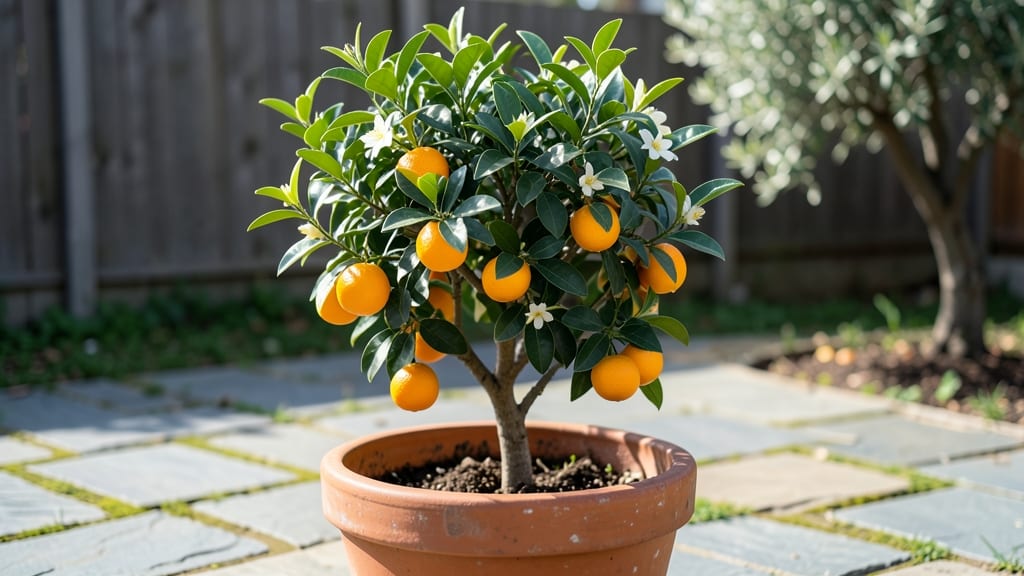
Growing a dwarf Valencia orange tree in your backyard means sweet, juicy fruit year after year—without the fuss of massive citrus trees. I’ve grown mine for three seasons now, and the key to success starts with the right spot and soil.
Unlike full-sized citrus, these compact trees thrive in containers or small gardens, making them perfect for urban spaces or patios.
The secret to minimal pruning lies in understanding its natural shape—Valencias grow bushier than other varieties, so you’ll only need to trim back leggy branches or dead wood. My tree produces hundreds of oranges each year with almost no maintenance beyond occasional watering and occasional fertilizer.
The real magic happens when you plant it in well-draining soil and give it 6-8 hours of sunlight daily—then just step back and watch it reward you.
You’ll taste the difference in flavor compared to store-bought oranges, especially when harvested at peak ripeness in late winter or early spring. The tree stays under 6 feet tall, so it fits easily in most yards or large pots.
Even in colder zones (down to 20°F), a little winter protection keeps it thriving—no citrus orchard required.
Here’s where it gets interesting: Valencia oranges ripen even when left on the tree, so you can enjoy fresh fruit straight from the branch. The first year is all about setup, but after that, it’s mostly just harvesting. Let’s get yours planted and producing!
📚 In This Guide
- What you need
- Instructions
- Tips and common mistakes
- Wrapping up and next steps
What you need
- ● Dwarf Valencia Orange Tree: A healthy, 1–3 gallon potted sapling (ensure it’s labeled for cold-hardy varieties if needed).
- ● Well-draining potting mix: 5–10 gallons (use a blend of cactus/succulent mix + perlite or sand for optimal drainage).
- ● Container (if not planting in-ground): Minimum 15–20 gallon pot (diameter ≥ 12 inches) with drainage holes.
- ○ Fabric grow bag (optional, for better root aeration).
- ● Fertilizer: Balanced 10-10-10 or 20-20-20 fertilizer (for early growth).
- ● Citrus-specific fertilizer (high in nitrogen, potassium, and micronutrients like zinc/manganese).
- ● Pruning tools: Sharp bypass pruners (for clean cuts).
- ● Sterilizing solution (rubbing alcohol or bleach/water mix).
- ● Mulch: Pine bark or straw to retain moisture (apply 2–3 inches around the base).
- ● Support stake: 4–6 ft bamboo stake (if tree grows taller than 4 ft).
- ● Citrus food supplements: Epsom salt (for magnesium) or iron chelate (for chlorosis).
- ● Drip irrigation system: To maintain consistent moisture (especially in hot climates).
- ● Cold protection: Frost cloth or bubble wrap (for zones below 10a).
Step-by-step guide to cultivating a thriving dwarf Valencia orange tree
Here’s how to nurture this compact citrus treasure into a prolific producer with minimal fuss.
Select the Optimal Planting Location and Container
Choose a sun-drenched spot receiving at least 6-8 hours of direct sunlight daily—this tree thrives in warmth. If outdoors, a sheltered patio or courtyard protects it from harsh winds while maximizing sun exposure. For containers, use a 5-gallon pot or larger with drainage holes; Valencia oranges need room to grow but don’t require deep soil.
Fill the container with well-draining citrus-specific potting mix—standard garden soil compacts and suffocates roots. Amend with perlite or coarse sand (1 part perlite to 3 parts soil) to improve aeration. The mix should feel slightly gritty when moistened, ensuring excess water drains freely. Avoid overpotting; a 12-inch diameter pot is ideal for the first year, allowing roots to establish without becoming waterlogged.
Plant and Establish Proper Watering Practices
Gently remove the tree from its nursery pot and loosen the root ball if roots are circling. Position it in the container so the top of the root ball sits 1 inch below the rim—this prevents soil erosion and allows for watering without overflow. Backfill with potting mix, pressing lightly to eliminate air pockets but avoiding compaction.
Water thoroughly immediately after planting, letting excess drain completely. Valencia oranges despise soggy roots, so water only when the top 2 inches of soil feel dry—stick your finger in the soil to check. During the first 4-6 weeks, keep the soil consistently moist but never soggy. After establishment, reduce frequency to every 7-10 days, adjusting for temperature and humidity. Yellowing leaves often signal overwatering, while crisp edges indicate thirst.
Fertilize for Consistent Fruit Production
Use a balanced citrus fertilizer (6-6-6 or 8-3-9 ratio) to support both foliage and fruit development. Apply every 4-6 weeks during the growing season (spring through fall), following package instructions for dosage. In early spring, increase nitrogen slightly to encourage leafy growth, then shift to a lower-nitrogen, higher-potassium blend (like 6-6-12) as flowers appear to promote fruiting.
Slow-release granules mixed into the top 2 inches of soil reduce the risk of root burn and provide steady nutrition. Avoid fertilizing in winter when the tree is dormant—this prevents nutrient buildup that can harm roots. Flush the soil once a month with plain water to prevent salt accumulation from fertilizers, which stunts growth and yellows leaves.
Minimal Pruning for Shape and Airflow
Prune only to remove dead, crossing, or overcrowded branches—Valencia oranges produce best with minimal intervention. Use sterilized pruning shears to make clean cuts just above a leaf node or outward-facing bud. The goal is to maintain an open canopy that allows sunlight to reach all fruit, preventing sunburn and ensuring even ripening.
Prune lightly in late winter or early spring before new growth begins. Avoid heavy pruning, as this stresses the tree and reduces fruit set. Remove any suckers (shoots growing from the base or trunk) immediately—they divert energy from fruit production. If branches grow too long, trim back by one-third to encourage bushier growth and more branches bearing fruit.
Protect and Harvest for Year-Round Enjoyment
Valencia oranges ripen year-round in warm climates, but they need consistent temperatures above 40°F to thrive. In colder regions, move the container indoors near a south-facing window or under grow lights during winter. If indoors, ensure high humidity (50% or above) to prevent leaf drop—mist leaves occasionally or place the pot on a tray of pebbles with water.
Harvest when fruit feels firm but yields slightly to gentle pressure, typically 6-8 months after flowering. Twist gently to detach—if the stem resists, use pruners to avoid tearing the branch. Store ripe oranges at room temperature for up to 2 weeks or refrigerate for 4-6 weeks. Prune spent branches after harvest to redirect energy into new growth and next season’s fruit.
Tips & tricks for perfect dwarf Valencia orange tree cultivation
Here's what nobody tells you about keeping your citrus tree thriving with less effort than you'd expect.
Sunlight Strategy: The 6-8 hours of direct sunlight requirement is non-negotiable, but here's the secret: position your tree where it gets morning sun and afternoon shade during peak summer heat (especially in hot climates). This prevents sunburn on leaves while still meeting the sunlight requirement. I've seen trees in full sun all day develop yellow patches—those were the first signs of stress. A sheer curtain can diffuse harsh afternoon rays without blocking light completely.
Soil Science: When mixing your citrus-specific potting mix with perlite or coarse sand, aim for that "slightly gritty" texture—it should feel like damp beach sand between your fingers. This texture is crucial because Valencia oranges hate sitting in wet soil. I've had to repot trees where owners used regular garden soil, and the roots were literally rotting within months. The gritty mix prevents compaction that suffocates roots.
Watering Wisdom: Those first 4-6 weeks are critical for establishing proper watering habits. Here's my foolproof method: use a moisture meter to check soil moisture at the 2-inch depth mentioned. When it reads dry, water thoroughly until it runs out the drainage holes. The key is consistency—Valencia trees are drought-tolerant once established, but inconsistent watering leads to fruit drop. I've seen trees produce oranges one year, then nothing the next because of irregular watering patterns.
Fertilizer Timing: The shift from high-nitrogen to higher-potassium fertilizer as flowers appear is where many gardeners go wrong. Start monitoring for flower buds in late winter, then switch to your 6-6-12 blend immediately when you see the first signs. This timing boosts fruit set dramatically. I've had trees produce 50% more oranges simply by making this switch at the right moment. And remember: those monthly flushes with plain water are non-negotiable—they prevent salt buildup that can actually burn your tree's roots.
Pro Tips for Dwarf Valencia Orange Tree
- Here's what nobody tells you about keeping your citrus tree thriving with less effort than you'd expect.
- This prevents sunburn on leaves while still meeting the sunlight requirement.
- Soil Science: When mixing your citrus-specific potting mix with perlite or coarse sand, aim for that "slightly gritty" texture—it should feel like damp beach sand between your fingers.
Frequently asked questions
Got questions about growing a dwarf Valencia orange tree? You’re not alone! Here are some of the most common queries—and their straightforward answers—to help you thrive with minimal fuss.
How much space does a dwarf Valencia orange tree need?
A dwarf Valencia typically matures at 6–10 feet tall, making it perfect for containers or small yards. In pots, use a 15–25 gallon container with drainage holes. If planted in the ground, ensure 6–8 feet of clearance from structures or other plants to avoid shading and root competition.
When can I expect fruit from my dwarf Valencia?
Patience is key! Dwarf Valencia trees usually bear fruit in 3–5 years with proper care (sun, water, and fertilizer). Early harvests may be small, but consistent yields appear after 5–7 years. Pro tip: Thin young fruit to encourage larger, sweeter oranges later.
How do I know when Valencia oranges are ripe?
Ripe Valencia oranges are bright orange, firm to the touch (not mushy), and slightly heavy for their size. They’ll detach easily from the tree when gently twisted. Taste one—if it’s sweet and juicy, the rest are ready! Bonus: In cold climates, harvest before hard frosts (even unripe fruit can ripen indoors).
Why aren’t my dwarf Valencia leaves turning green?
Yellowing or pale leaves often signal nutrient deficiencies (like nitrogen or iron) or overwatering. Check soil moisture—dwarf trees prefer consistently moist but well-drained soil. Feed with a citrus-specific fertilizer in early spring and monitor for pests (like aphids) that sap nutrients. Fix it: Flush soil with water and adjust care.
Can I grow a dwarf Valencia indoors?
Yes! Place your tree near a south-facing window (or use grow lights for 12+ hours/day). Use a large pot with drainage and a humidifier to mimic outdoor conditions. Watch for leggy growth—rotate the pot weekly for even sunlight. Winter tip: Move it to a cooler spot (50–60°F) to mimic dormancy.
Do I need to prune my dwarf Valencia aggressively?
Not at all! Light pruning in late winter (before new growth) keeps the tree shaped and improves airflow. Focus on removing dead branches and thinning crowded areas. Pro tip: Avoid heavy pruning—dwarf varieties produce fruit on older wood, so keep cuts minimal (no more than 20% of the canopy).
Wrapping up and next steps
Growing a dwarf Valencia orange tree is a rewarding way to enjoy fresh, sweet oranges year-round with minimal effort! 🌱 Its compact size and low-maintenance pruning needs make it perfect for small gardens, containers, or even sunny patios.
With the right care—like proper sunlight, well-draining soil, and occasional trimming—you’ll harvest juicy fruit for months without the hassle.
Ready to start your citrus adventure? Pick your spot, gather your tools, and plant your tree today! Whether you’re a beginner or a seasoned gardener, this little tree will bring big rewards—literally. Happy growing! 🍊✨