Pruning
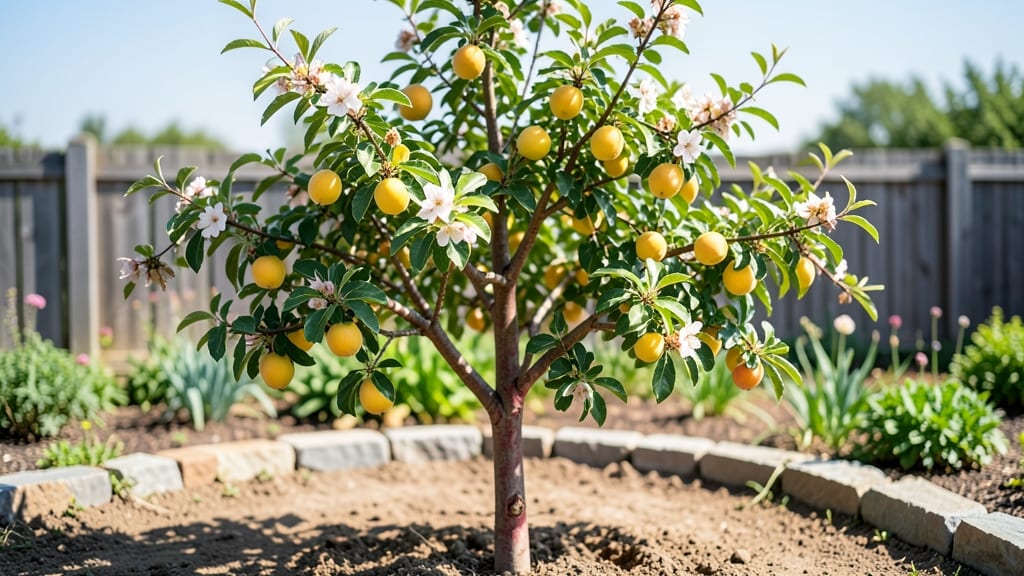
An Early Golden Apricot Tree in your backyard means sweet, sun-ripened fruit by early summer—if you prune it right. 🌱 I learned the hard way that skipping winter cuts leads to crowded branches and tiny, bitter apricots.
The secret isn’t just timing; it’s understanding how each season shapes the tree’s growth and fruit production.
This four-season pruning calendar keeps your tree healthy, productive, and cold-hardy through Zone 5 winters. You’ll need sharp pruners, a ladder for higher branches, and a clear day to assess the tree’s structure.
The key moves—like thinning out old wood in late winter and shaping in early summer—make all the difference between a handful of fruit and a bountiful harvest.
By following this schedule, you’ll end up with a tree that bears juicy, flavorful apricots every year, not just every other. The branches stay open for sunlight and air circulation, reducing disease while maximizing fruit size.
Plus, the tree’s shape becomes easier to manage each season, so maintenance gets simpler over time.
Whether you’re dealing with a young sapling or a mature tree, this approach works for both. The biggest mistake? Waiting until spring to prune—cold weather stresses the tree, and you lose precious growing time. Let’s get started with the first cut of the year.
📚 In This Guide
- What you need
- Instructions
- Tips and common mistakes
- Wrapping up and next steps
What you need
- ● Early Golden Apricot Tree: 1 bare-root or container-grown sapling (choose a Prunus armeniaca variety like ‘Early Golden’ or ‘Blanquette’)
- ● Note: Ensure it’s disease-resistant (e.g., resistant to Monilinia or bacterial canker).
- ● Soil & Fertilizers: Well-draining, slightly acidic soil (pH 6.0–6.5)
- ● Compost or aged manure (5–10 lbs per planting hole)
- ● Balanced fertilizer (10-10-10 or 8-3-9, 1 cup per tree at planting)
- ● Slow-release nitrogen (e.g., Alfalfa meal, 1 lb per tree annually)
- ● Pruning Tools: Bypass pruners (sharp, clean, 7–9 inch blades)
- ● Loppers (for thicker branches, 20–24 inch reach)
- ● Pruning saw (for large branches, 10–12 inch blade)
- ● Disinfectant (70% isopropyl alcohol or 10% bleach solution)
- ○ Pruning sealant (optional, for cuts > ½ inch)
- ● Safety Gear: Gloves (cut-resistant, gardening-grade)
- ● Safety glasses (for debris protection)
- ● Tree supports (stakes or cages for young saplings)
- ● Drip irrigation system (for consistent moisture)
- ● Mulch (wood chips or straw, 2–3 inch layer around the base)
- ● Fruit thinning shears (for managing overproduction)
- ● Pest control (neem oil or horticultural oil for early detection)
How to prune an early golden apricot tree for maximum fruit
Pruning this apricot variety isn't just seasonal—it's the key to bountiful harvests every year.
✂️ Step 1: Winter Pruning (Late Dormancy, Before Bud Break)
Start in late February or early March when the tree is fully dormant but before buds begin swelling. This is your chance to shape the tree's structure and remove dead or crossing branches. I always begin by removing any branches that are thinner than a pencil—they won't produce much fruit and compete with stronger growth.
Next, cut back any branches that cross or rub against each other. These create wounds that invite disease. Make your cuts at a 45-degree angle just outside the branch collar, the swollen area where the branch meets the trunk. Never leave stubs—they rot and weaken the tree. Use sharp, clean pruners to make smooth cuts.
Here's the thing—Early Golden Apricot trees respond well to open-center pruning. Aim to keep the center of the tree open to allow sunlight and air circulation. You'll see new growth emerge from the sides, creating a balanced shape. This also prevents fruit from shading and rotting in the center.
🌿 Step 2: Summer Pruning (After Harvest, Mid-July to August)
After the main harvest, it's time for a lighter touch. Focus on removing any suckers—those vigorous shoots growing from the base or along the trunk. These drain energy from the tree and don't produce fruit. Snip them off at the base with clean pruners.
Next, look for branches that grew too vigorously this season. These often have long, thin shoots with small leaves. Thin out about one-third of these shoots, cutting them back to a strong lateral branch. This encourages the tree to redirect energy into producing fruit rather than just foliage.
Real talk: If you see any branches with signs of disease—like black spots or oozing sap—remove them immediately. Apricot trees are prone to fungal issues, and summer pruning helps prevent them from spreading. Always sterilize your pruners with rubbing alcohol between cuts to avoid transferring pathogens.
☀️ Step 3: Light Pruning in Early Spring (Before Blooms Open)
In early April, do a quick check for any branches that died over winter. These will be brittle and snap easily when bent. Remove them completely. Also, look for any branches that grew too close together during the previous season. Thin them out to improve airflow and sunlight penetration.
This is also the time to shape the tree further. If any branches are growing outward too aggressively, you can lightly prune them to encourage a more compact shape. Just make small cuts—you don't want to remove too much growth before the tree starts producing flowers.
Watch for buds that are swelling but not yet open. These are your future fruit. Avoid pruning near them unless absolutely necessary. You'll see the buds turn pinkish as they prepare to bloom, signaling it's time to step back and let nature take over.
⏰ Step 4: Post-Harvest Cleanup (Late Fall, After Leaf Drop)
Once the leaves have fallen in late October or November, do a final pruning to clean up any remaining debris. Remove all dead, diseased, or broken branches. This prevents pests and diseases from overwintering in the tree.
Pay special attention to any branches that produced fruit this season. Cut them back by about one-third to encourage new growth next year. You'll notice these branches are often thinner and may have fewer leaves—this is normal, and pruning them back helps the tree focus its energy.
Don't skip this step. A well-pruned tree in fall means fewer surprises in spring. It also makes it easier to spot any issues early, like signs of fungal infection or pest activity, so you can address them before they become a problem.
Tips & tricks for perfect early golden apricot tree pruning
These are the hard-won lessons that'll transform your apricot harvest from decent to spectacular.
Timing is Everything: That late February to early March window for winter pruning is your golden opportunity. If you prune too early, you risk damaging buds that are just starting to form. If you wait too long, the tree will have already begun its growth cycle. I've learned this the hard way after seeing trees struggle to recover when pruned at the wrong time. Aim for when the tree is completely dormant but before you see any swelling at the buds.
Tool Prep Matters: Before you start cutting, take 5 minutes to clean and sharpen your pruners. Dull blades tear the bark, creating larger wounds that take longer to heal. I always wipe down my tools with rubbing alcohol between cuts—especially when dealing with diseased branches in summer. This simple step can prevent fungal infections from spreading throughout your orchard. Remember, clean tools mean healthier trees.
Visual Cues for Summer Pruning: When you're thinning those vigorous summer shoots, look for branches that are growing outward at a 90-degree angle or more from the main branch. These are the ones to remove—about one-third of them. The remaining branches should form a natural, open shape that lets sunlight reach all parts of the tree. This isn't just about looks; it's about maximizing fruit production by ensuring every branch gets proper sunlight and air circulation.
Fall Cleanup Strategy: During that late October to November cleanup, don't just focus on the obvious dead branches. Look for branches that produced fruit this season—they'll often look thinner and less vigorous. Cutting them back by one-third might seem drastic, but it's actually helping the tree redirect its energy to more productive growth next year. I've seen trees go from producing just a few dozen apricots to several hundred just by implementing this simple fall pruning technique.
Pro Tips for Early Golden Apricot Tree
- These are the hard-won lessons that'll transform your apricot harvest from decent to spectacular.
- Timing is Everything: That late February to early March window for winter pruning is your golden opportunity.
- Tool Prep Matters: Before you start cutting, take 5 minutes to clean and sharpen your pruners.
Frequently asked questions
Got questions about growing and pruning your early golden apricot tree? You’re not alone! Here are some of the most common concerns—plus quick answers to keep your tree thriving year-round.
When is the best time to plant an early golden apricot tree?
Plant your tree in early spring or late fall (6-8 weeks before the first frost) for optimal root establishment. Avoid extreme heat or cold—your tree’s roots need time to settle before stress. If planting in spring, water deeply after transplanting to reduce shock.
How often should I prune my early golden apricot tree?
Prune four times a year to encourage year-round fruit:
- Late winter (Jan–Feb): Remove dead/diseased wood and shape the tree.
- Early spring (March): Light pruning to promote new growth.
- Summer (June–July): Trim suckers and overcrowded branches.
- Fall (Oct–Nov): Minimal pruning to avoid winter damage.
Why aren’t my apricots ripening fully?
Incomplete ripening often stems from poor sunlight or inconsistent watering. Ensure your tree gets 6+ hours of direct sun daily and water deeply 1–2 times per week (more in drought). Over-fertilizing with nitrogen can also delay fruit maturity—balance with potassium and phosphorus.
How do I protect my apricot tree in winter?
Young trees (<3 years old) need extra care: wrap the trunk in tree guard or burlap, and mulch heavily (3–4 inches) around the base. Avoid pruning in late fall, as new growth is vulnerable to frost. Mature trees handle cold better but benefit from winter watering if soil is dry.
Can I grow an early golden apricot tree in a container?
Yes, but choose a large pot (20+ gallons) with drainage holes and use well-draining soil. Container-grown trees need more frequent watering and annual repotting to prevent root-bound stress. Place the pot in a sunny spot and move it indoors if frost threatens.
Wrapping up and next steps
Growing an early golden apricot tree is a rewarding journey that combines patience, care, and a little seasonal know-how! By following this four-season pruning calendar, you’ll encourage abundant, flavorful fruit while keeping your tree healthy and vibrant.
Whether you’re a seasoned gardener or just starting, every trim brings you closer to a bountiful harvest.
Ready to take the next step? Start small—grab your pruners and a sunny day, then gradually expand your skills. Before you know it, you’ll be the envy of the neighborhood with your early golden apricot tree thriving year after year! 🌟