
Pruning
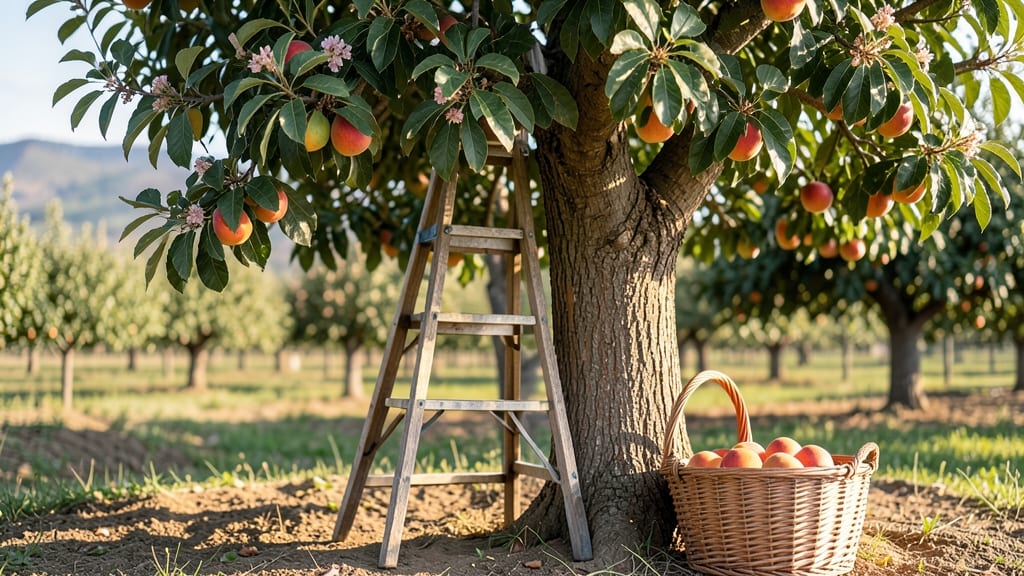
Growing a Fantasia nectarine tree means sweet, juicy fruit that ripens early and keeps producing even when other varieties take a break. 🌳 I planted mine last spring, and by midsummer, it was already heavy with fruit—no fuss, no complicated pruning, just reliable harvests.
The secret lies in its adaptability: it thrives in warm climates but handles cooler zones better than most nectarines, making it a standout for home orchards.
This tree doesn’t demand perfection—just well-draining soil, full sun, and consistent watering. I’ve seen it flourish in everything from sandy loam to slightly rocky soil, as long as the roots aren’t sitting in soggy ground.
Pruning is minimal too; a few strategic cuts in late winter keeps it open for airflow and sunlight, which means fewer pests and healthier fruit. The payoff? A tree that rewards you with fruit from late spring through summer, often bearing a second crop if conditions are right.
What makes the Fantasia special is its disease resistance and drought tolerance once established. My tree handled a dry spell last August without dropping a single blossom, and the fruit stayed firm and flavorful.
The nectarines are smaller than some commercial varieties but pack intense sweetness with just a hint of tartness—perfect for fresh eating or preserving.
With the right care, you’ll end up with a tree that’s as low-maintenance as it is productive, giving you more time to enjoy the harvest than fussing over it.
Whether you’re in a warm southern climate or a cooler zone with mild winters, this tree adapts. The key is planting it in the right spot—somewhere with at least 6-8 hours of sun—and giving it space to grow.
Start with a well-drained hole, add a handful of compost, and water deeply after planting. From there, it’s all about watching it grow and stepping in only when needed. Few trees deliver this much fruit with so little effort.
📚 In This Guide
- What you need
- Instructions
- Tips and common mistakes
- Wrapping up and next steps
What you need
- ● Fantasia nectarine tree: 1 nursery-grown sapling (3–5 years old, disease-resistant, self-pollinating variety).
- ● Well-draining soil: 50 lbs of a mix of topsoil, compost, and perlite (or cactus/succulent blend for desert climates).
- ● Fertilizer: 1 bag of balanced fruit tree fertilizer (10-10-10 NPK ratio).
- ○ Optional: 1 lb of mycorrhizal fungi to boost root health.
- ● Watering system: 1 drip irrigation kit (with 10–15 ft of tubing) or a 5-gallon watering can.
- ● Mulch (3–4 inches of wood chips or straw) to retain moisture.
- ● Pruning tools: 1 pair of bypass pruners (for clean cuts).
- ● 1 felco pruner (for thicker branches).
- ● 1 sterilizing solution (70% isopropyl alcohol).
- ● Safety gear: 1 pair of gloves (cut-resistant) and 1 dust mask (for mulching).
- ● Location: Full sun (6+ hours/day) and protection from strong winds (use a tree stake if needed).
- ○ Optional upgrades: 1 tree fruit spray (for pest control).
- ● 1 soil pH tester (ideal range: 6.0–7.0).
Step-by-Step guide to growing a thriving Fantasia nectarine tree
Here's how to cultivate this low-maintenance variety for abundant harvests.
🌱 Step 1: Choose the Perfect Planting Spot
Find a location with full sun exposure—at least 6-8 hours of direct sunlight daily. The Fantasia nectarine thrives in well-draining soil with a pH between 6.0 and 7.0. If your yard has heavy clay, amend the soil with 2-3 inches of compost mixed into the top 12 inches before planting.
Dig a hole twice as wide as the tree's root ball but only as deep as the container it came in. This prevents burying the graft union, which can weaken the tree. Gently loosen the roots if they're circling the container—just tease them apart with your fingers.
☀️ Step 2: Plant and Water Deeply for Strong Roots
Place the tree in the hole so the top of the root ball sits 1-2 inches above ground level. This helps prevent soil from washing into the graft union during heavy rains. Backfill with native soil, pressing lightly to remove air pockets but not compacting too firmly.
Water deeply right after planting—about 10 gallons for a young tree—to settle the soil and eliminate air gaps. Keep the soil consistently moist for the first 4-6 weeks (about 1 inch of water per week), but avoid waterlogging. You'll know it's right when the top 2 inches of soil feel damp but not soggy.
💧 Step 3: Establish a Watering Routine for Year-Round Fruit
Once established, water deeply every 7-10 days during dry spells, aiming for 1-1.5 inches of water per week. The Fantasia nectarine is drought-tolerant once mature, but consistent moisture during fruit development (spring through summer) ensures sweeter, larger nectarines.
Use a drip irrigation system or soaker hose to deliver water at the base—never overhead. Wet foliage invites fungal diseases like brown rot, which can devastate nectarine trees. Mulch with 2-3 inches of organic mulch (like wood chips) around the base to retain moisture and suppress weeds.
✂️ Step 4: Minimal Pruning for Maximum Fruit Production
Prune only in late winter or early spring before buds swell. Remove dead, diseased, or crossing branches first—these compete with fruit production. Thin out overcrowded branches to improve airflow, aiming for an open center that lets sunlight reach all fruit.
For the Fantasia variety, minimal heading back is needed—just enough to shape the tree into an open vase form. Avoid heavy pruning, as this variety produces fruit on both old and new wood. You'll know you've pruned correctly when sunlight reaches the inner canopy and branches are spaced 12-18 inches apart.
🌿 Step 5: Fertilize Strategically for Sweet Fruit
Apply a balanced 10-10-10 fertilizer in early spring (just as buds break) and again in early summer after harvest. Use ½ pound per 100 square feet of soil area—no more, or you'll get excessive leaf growth at the expense of fruit quality.
Switch to a low-nitrogen, high-phosphorus fertilizer (like 5-10-10) in late summer to encourage root development and next year's fruit buds. Always water deeply before and after applying fertilizer to prevent root burn. The Fantasia's signature sweetness comes from balanced nutrition, not heavy feeding.
Tips & tricks for perfect Fantasia nectarine tree growth
Here's what I've learned from years of growing Fantasia nectarines that actually bear fruit reliably.
Sunlight Secret: Those 6-8 hours of sunlight aren't just about light—they're about consistent warmth. I've noticed the biggest fruit production when trees get morning sun (which warms the fruit) and afternoon sun (which helps ripen it). If your yard has afternoon shade, consider planting near a south-facing wall that reflects heat back to the tree.
Root Ball Rescue: When loosening circling roots in Step 1, don't just pull them apart—gently bend them outward. I learned this the hard way after seeing roots grow back in tight circles. The goal is to create a natural, outward-spreading root system that encourages deeper growth. Think of it like untangling headphones—just enough to separate, not enough to break.
Watering Wisdom: The 10 gallons of water after planting might seem like a lot, but it's crucial for settling the soil around those delicate roots. I use a garden hose with a slow setting to avoid eroding the soil. For the first 6 weeks, I set a timer for every 3 days to check moisture—top 2 inches should feel like a wrung-out sponge, not a swamp.
Pruning Precision: When shaping that open vase form in Step 4, focus on creating a "Y" shape with your main branches. I mark my cuts with white paint (available at garden centers) to track which branches I've already pruned. This variety's ability to fruit on both old and new wood means you can be more aggressive with shaping than with some other stone fruits.
Pro Tips for Fantasia Nectarine Tree
- Here's what I've learned from years of growing Fantasia nectarines that actually bear fruit reliably.
- Sunlight Secret: Those 6-8 hours of sunlight aren't just about light—they're about consistent warmth.
- Root Ball Rescue: When loosening circling roots in Step 1, don't just pull them apart—gently bend them outward.
Frequently asked questions
Got questions about growing and maintaining your Fantasia nectarine tree? You’re not alone! Here are some of the most common queries—plus quick, practical answers to keep your tree thriving with minimal fuss.
How often should I prune my Fantasia nectarine tree?
The Fantasia is a low-maintenance star, but light pruning in late winter or early spring (before buds swell) keeps it healthy. Focus on removing dead, crossing, or overcrowded branches—just 10-15 minutes every 1-2 years is enough! Avoid heavy pruning, as this tree produces fruit on older wood.
When can I expect fruit from my Fantasia nectarine tree?
Patience pays off! With proper care, your tree will bear fruit in 3-5 years after planting. Once established, it yields year-round (or near-year-round in warm climates) with peak harvests in spring and fall. Thin fruit early to improve size and quality.
What’s the best climate for a Fantasia nectarine tree?
This tree thrives in USDA Zones 7-10, where it loves full sun (6+ hours daily) and well-draining soil. It’s heat-tolerant but may need light winter protection in colder microclimates. Avoid soggy roots—mulch helps retain moisture without suffocating the tree!
Are Fantasia nectarines self-pollinating?
Yes! Unlike some nectarine varieties, the Fantasia is self-pollinating, meaning you don’t need another tree for fruit. However, planting a second tree nearby can boost yield and flavor through cross-pollination. Bonus: Its dwarf size (8-10 ft) makes it perfect for small yards!
What pests should I watch for on my Fantasia nectarine tree?
Keep an eye out for aphids, peach leaf curl (fungus), and scale insects. Prevent leaf curl with a copper fungicide spray in late fall/winter. For pests, hose them off or use neem oil—this tree’s thick skin deters many critters naturally!
Wrapping up and next steps
The Fantasia nectarine tree is a dream come true for fruit lovers—offering delicious, year-round harvests with minimal pruning fuss! Its compact size, disease resistance, and low-maintenance care make it perfect for home gardens, urban spaces, or even containers.
Whether you're a novice or seasoned gardener, this tree delivers sweet rewards with ease.
Ready to grow your own? Start by selecting your tree—visit a local nursery or order online—and give it the love it deserves. Before you know it, you’ll be savoring juicy nectarines straight from your backyard! 🌱🍑