
Pruning
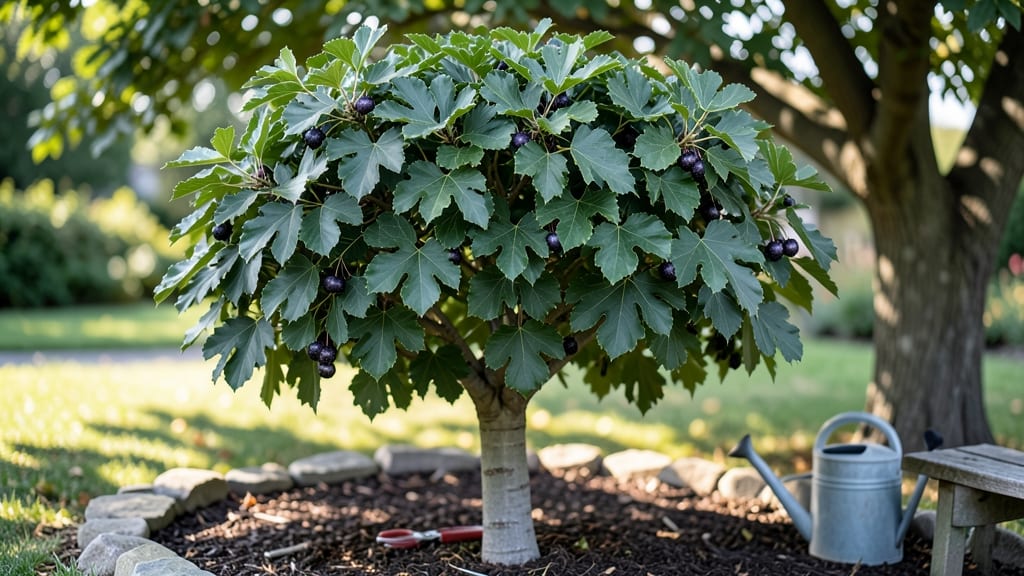
Pruning a female mulberry tree (Morus alba) transforms it from a wild, sprawling mess into a neat, productive powerhouse—and the secret lies in just three well-timed cuts each year.
I learned this the hard way after my first tree turned into a tangled jungle, blocking sunlight for everything else in the yard. The key isn’t how much you cut, but when and why—each season serves a different purpose, from shaping growth in spring to preparing for winter dormancy.
Most gardeners overlook winter pruning, but that’s when you set the stage for next year’s fruit. A sharp bypass pruner and a clear plan for removing dead wood, thinning crowded branches, and opening up the canopy will keep your tree healthy and fruit-bearing for decades.
My tree now produces pounds of berries every summer, and neighbors ask how I got it so tame—it’s all in the timing. Start with late winter cuts to remove last year’s weak growth, then follow up in summer and fall to maintain shape and airflow.
You’ll notice the difference immediately: branches grow stronger, fruit clusters become larger, and pests have fewer places to hide. The first year, you might be shocked at how much you can remove—mulberry trees are surprisingly resilient.
By year three, your tree will look like a well-groomed landscape specimen while still producing more berries than you know what to do with. The best part? You’ll spend less time fighting tangled branches and more time enjoying the shade and harvest.
This method works for both Morus alba (white mulberry) and Morus nigra (black mulberry), though black varieties need slightly more aggressive pruning to control their vigorous growth. Whether you’re dealing with a young sapling or a mature tree, the same principles apply—just adjust the scale.
Ready to turn your mulberry from a nuisance into an asset? Let’s get those pruners out.
📚 In This Guide
- What you need
- Instructions
- Tips and common mistakes
- Wrapping up and next steps
What you need
- ● Pruning shears: Bypass pruners (sharp, clean, and disinfected with rubbing alcohol or bleach solution—1 part bleach to 9 parts water). Size: 6-8 inches for medium branches.
- ● Loppers: For thicker branches (½–1½ inches in diameter). Quantity: 1 pair (ergonomic handles preferred for comfort).
- ● Pruning saw: For branches thicker than 1½ inches. Type: Bow saw or folding pruning saw.
- ● Gloves: Heavy-duty, cut-resistant gloves (e.g., leather or synthetic blend) to protect hands from thorns and sap.
- ● Disinfectant: Rubbing alcohol (70% isopropyl) or bleach solution (for sterilizing tools between cuts).
- ○ Sealing wax or pruning paint: (Optional but recommended for large cuts > ½ inch in diameter to prevent disease entry).
- ● Ladder or step stool: If your tree is over 6 feet tall (ensure it’s stable and rated for your weight).
- ● Trash bags or bucket: For collecting pruned branches and debris.
- ○ Marking twine or flags: (Optional) To tag branches for removal or special attention.
- ● Weather check: Prune on a dry, calm day (avoid windy or rainy conditions).
- ● Safety glasses: To shield eyes from debris.
- ● Long sleeves/pants: Protect skin from thorns and sap (mulberry sap can irritate sensitive skin).
- ● First-aid kit: Include antiseptic wipes and bandages for minor cuts.
- ● Tree identification: Confirm your tree is a female mulberry (look for berries or consult a local nursery if unsure).
How to prune a female mulberry tree for continuous growth
Three well-timed cuts keep female mulberry trees productive, pest-resistant, and full of fruit.
Perform Winter Dormancy Pruning (Late February)
Wait until the tree has fully dropped its leaves and before new buds begin to swell—this window ensures you remove dead wood while preserving next year’s fruit buds. Start by removing any branches that are dead, diseased, or crossing at sharp angles, as these create entry points for fungal infections. Use clean, sharp loppers to make 45-degree cuts just outside the branch collar, never leaving stubs.
Next, thin out 20% of the oldest branches to improve air circulation and sunlight penetration. Prioritize branches that are thicker than 2 inches in diameter, as these are less likely to sprout vigorously. The goal is to open the canopy so light reaches the inner branches where fruit develops. If you see water sprouts (thin, upright shoots), remove them entirely—they drain energy from fruit production.
Here's the thing—mulberry trees respond well to bold pruning, but don’t overdo it. If you remove too many branches at once, the tree may produce fewer berries that season. I like to leave at least 60% of the canopy intact to maintain fruit yield while still improving structure.
Light Summer Pruning (June-July)
After the tree finishes flowering but before new growth hardens, perform a light maintenance cut to control size and shape. Focus on suckers (shoots growing from the base) and shoots growing inward toward the center of the tree. These compete with fruit-bearing branches for nutrients and block sunlight from reaching inner canopies.
Use hand pruners to trim these back to a bud or lateral branch, never leaving a bare stem. For larger branches, make your cut just above a leaf node where new growth can emerge. This mid-summer pruning prevents the tree from putting too much energy into late-season growth that won’t mature before winter.
I know it seems counterintuitive, but mulberry trees actually fruit on old wood—meaning last year’s branches produce this year’s berries. That’s why aggressive summer pruning can reduce next year’s harvest. Limit yourself to no more than 10% of the canopy during this phase, focusing only on structural issues and water sprouts.
Post-Harvest Renewal Pruning (September)
After you’ve collected the bulk of the berries, give the tree a final light pruning to prepare for dormancy. Remove any dead or diseased branches that may have appeared over the summer, as well as any weak, spindly growth that failed to produce fruit. These branches are energy sinks and should be pruned back to a healthy lateral branch or bud.
This is also the time to thin out crowded branches in the inner canopy to improve air flow. Mulberry trees are prone to powdery mildew in humid climates, and poor air circulation makes the problem worse. Aim to create a rounded, open shape rather than a dense, bushy one—this lets sunlight reach the center where many fruit buds develop.
Real talk: female mulberry trees are fast growers, and if you skip this final pruning, they’ll send up a flush of late-season shoots that won’t harden off before winter. These tender new branches often die back in cold snaps, leaving ugly stubs. By pruning now, you encourage the tree to slow its growth and focus on root development before dormancy.
Tips & tricks for pruning female mulberry trees
These strategic insights will help you maintain a thriving, productive mulberry tree year after year.
Timing is Everything: The late February window for winter pruning is critical—wait until the tree has fully defoliated but before buds begin to swell. I've seen trees pruned too early still ooze sap, which can attract pests or invite fungal infections. If you miss this window, don't panic: you can do a light pruning in early spring, but you'll sacrifice some of next year's fruit potential.
Branch Collar Awareness: When making cuts in Step 1, focus on the branch collar—the swollen area where the branch meets the trunk. This is the tree's natural healing point. I've ruined too many cuts by leaving stubs or cutting flush with the trunk, which creates entry points for disease. Always cut just outside the collar at a 45-degree angle to promote proper healing and maintain structural integrity.
Canopy Balance Matters: The 20% thinning recommendation in Step 1 might seem aggressive, but it's essential for long-term health. I learned this the hard way when I pruned too conservatively—my tree developed dense inner branches that never received sunlight, leading to poor fruit set. Prioritize removing branches thicker than 2 inches first, as these are less likely to sprout vigorously and will improve air circulation dramatically.
Seasonal Growth Understanding: Remember that mulberry trees fruit on old wood—this means last year's branches produce this year's berries. During summer pruning in Step 2, limit yourself to no more than 10% of the canopy to preserve next year's fruit production. I've seen gardeners over-prune in summer and come back the next year with sparse harvests. Always focus on structural issues and water sprouts during this phase.
Pro Tips for Female Mulberry Tree
- These strategic insights will help you maintain a thriving, productive mulberry tree year after year.
- Timing is Everything: The late February window for winter pruning is critical—wait until the tree has fully defoliated but before buds begin to swell.
- Branch Collar Awareness: When making cuts in Step 1, focus on the branch collar—the swollen area where the branch meets the trunk.
Frequently asked questions
Got questions about pruning your female mulberry tree? You’re not alone—many gardeners want to ensure they’re doing it right without harming their fruit-bearing beauty. Here are answers to the most common queries, so you can prune with confidence!
When is the best time to prune a female mulberry tree for fruit production?
The ideal timing is late winter or early spring (just before buds swell), but you can also do light pruning in summer after harvest. Avoid heavy pruning in fall—it can stimulate new growth that won’t harden off before winter. For maximizing fruit, prioritize structural cuts in dormant season and fruit-thinning cuts in summer.
How do I tell if I’m pruning too much or too little?
Prune no more than 20–30% of the tree’s canopy per year—over-pruning stresses the tree and reduces fruit. Signs of too much: bare branches, sparse foliage, or no fruit the next season. Signs of too little: dense, tangled growth or fewer berries due to poor airflow. Aim for an open, sunlit center with balanced branches.
Will pruning a female mulberry tree affect next year’s berry harvest?
Pruning boosts fruit quality and quantity when done correctly! Removing dead, diseased, or crossing branches improves airflow and sunlight—key for sweeter, larger berries. However, avoid heavy cuts in fruit-bearing years (like summer pruning). Focus on structural shaping in winter and light thinning in summer to protect yield.
Can I prune a young female mulberry tree differently than a mature one?
Young trees (1–3 years):
Prune to establish a strong framework—remove water sprouts and competing leaders to encourage a single trunk. Mature trees (4+ years): Focus on rejuvenation cuts (thinning older wood) and fruit-cluster access. Young trees need less aggressive pruning; mature trees can handle selective renewal.
What should I do if my female mulberry tree isn’t fruiting after pruning?
Check these troubleshooting steps:
- Light levels: Ensure the tree gets 6+ hours of sun daily—shady spots reduce fruiting.
- Age/health: Young trees (<3 years) or stressed trees (pests/disease) may not fruit yet.
- Pruning mistakes: Avoid cutting fruit-bearing branches—look for last year’s growth with berry clusters.
- Pollination: Female mulberries need male trees nearby (or wind-pollinated varieties).
Wrapping up and next steps
Pruning your female mulberry tree doesn’t have to be a seasonal chore—just three strategic cuts a year can keep it thriving! 🌿 By focusing on spring renewal, summer shaping, and fall cleanup, you’ll boost fruit production, improve airflow, and prevent disease.
Whether you’re a pruning pro or a curious beginner, these steps make tree care simple and rewarding.
Ready to take action? Grab your tools and schedule your first pruning session—your tree (and future berry harvests!) will thank you. Start small, stay consistent, and watch your female mulberry tree shine! 🌟