
Landscaping
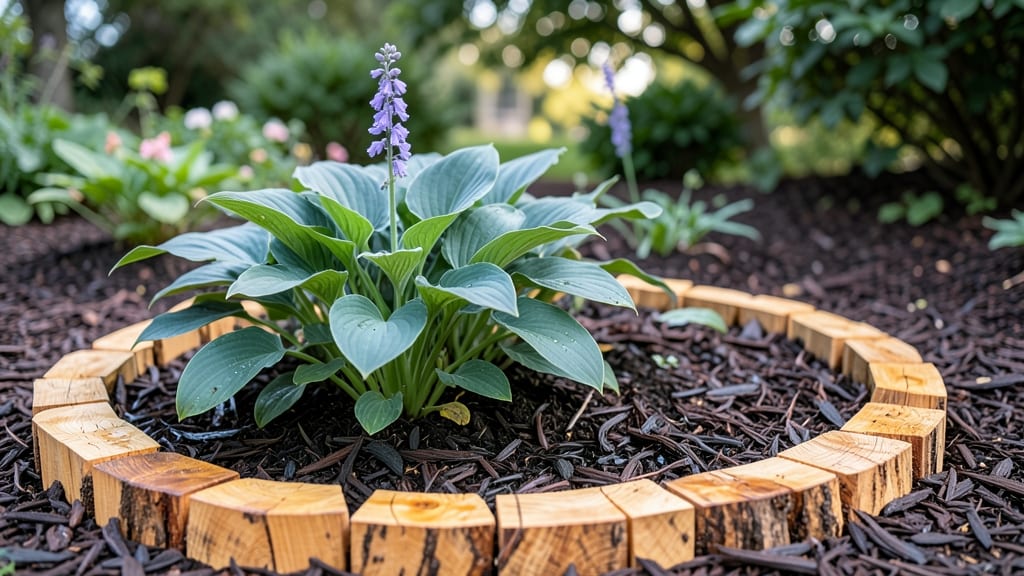
Explore these flower bed ideas around trees—they’re not just about filling empty space, but about weaving a living tapestry that shields roots while turning your yard into a dazzling showcase. 🌿 I learned the hard way that planting too close to a tree’s trunk can strangle it. but the right approach turns potential problems into stunning focal points.
The secret lies in layers: shade-tolerant perennials at the base, mid-height shrubs for structure, and airy grasses to soften the edges.
Start with a 3-foot radius from the trunk where roots spread aggressively, using mulch to suppress weeds and retain moisture. Choose plants like hostas, ferns, or astilbes that thrive in dappled light, then add bulbs like daffodils for early spring color.
This setup keeps the tree healthy while giving you a year-round show—even when other beds fade.
The magic happens in the details: drip irrigation hidden under mulch, pathways that guide visitors through the space, and seasonal swaps (like fall mums or winter hellebores) to keep interest high.
You’ll end up with a bed that looks intentional, not crowded, and where the tree becomes the star instead of the afterthought.
For rocky soil or aggressive roots, raised beds or container groupings solve the problem without sacrificing beauty. The key is patience—these beds mature over years, but once established, they require minimal work. Think of it as an investment in low-maintenance elegance that grows with your tree.
📚 In This Guide
- What you need
- Instructions
- Tips and common mistakes
- Wrapping up and next steps
What you need
- ● Mulch: 2–4 inches of organic mulch (e.g., shredded bark, pine straw, or wood chips) to retain moisture and suppress weeds. Quantity: Enough to cover the entire flower bed area (typically 1–2 bags per 10 sq. ft.).
- ● Soil amendments: Compost or peat moss (1–2 bags per 10 sq. ft.) to improve soil drainage and fertility.
- ● Plants: Ground cover: 3–5 plants (e.g., creeping thyme, ajuga, or ferns) for the base layer.
- ● Mid-height plants: 5–7 perennials/shrubs (e.g., hostas, heucheras, or hydrangeas) for texture.
- ● Tall plants: 3–5 taller bloomers (e.g., coneflowers, black-eyed Susans, or ornamental grasses) to frame the tree.
- ○ Tree protection: Burlap or landscape fabric (optional but recommended for young trees) to prevent root competition.
- ● Garden tools: Shovel, pruners, trowel, and gloves.
- ● Measuring tape: To mark bed dimensions and maintain proper spacing.
- ○ Edging tools: Half-moon edger or flexible metal edging (optional, for clean borders).
- ● Watering can or hose: With a gentle spray nozzle for post-planting care.
- ● Decorative stones or gravel for mulch-free accents.
- ● Slow-release fertilizer (e.g., Osmocote) for a nutrient boost.
- ● Drip irrigation kit to automate watering.
- ● Mulch rings or landscape fabric to keep mulch in place.
How to create stunning tree-circle flower beds that shield roots
Here's my go-to approach for designing flower beds around mature trees—beautiful, functional, and root-safe.
🌿 Step 1: Assess the Tree's Root Zone and Space
Start by measuring the tree's drip line—the outer edge where branches cast shade. This is where roots spread aggressively. Step back and sketch a circle 3-5 feet out from the trunk, depending on tree size. For small trees, a 3-foot radius works; for mature oaks or maples, expand to 5-6 feet.
Use a tape measure to mark the outer edge with garden stakes. Avoid digging within 12 inches of the trunk—this protects the root flare where the trunk meets soil. If your tree has a thick trunk, increase that buffer to 18 inches. You'll see the root flare as a slight swelling at the base.
🪴 Step 2: Prepare the Soil with Mulch and Amendments
Remove any grass or weeds within your marked circle using a garden fork or edging tool. For compacted soil, loosen the top 6 inches with a digging fork—focus on the outer ring where roots will spread. Add 2-3 inches of compost to the loosened soil, mixing it in gently to avoid disturbing deeper roots.
Spread 3-4 inches of organic mulch (like shredded bark or wood chips) over the entire area, keeping it 6 inches away from the trunk. Mulch too close to the bark traps moisture and invites rot. Water the mulch lightly to help it settle. You'll notice the soil stays cooler and retains moisture better after this step.
☀️ Step 3: Choose Shade-Tolerant Plants for Layered Depth
Select plants that thrive under your tree's canopy. For the center ring (closest to the trunk), use ground covers like creeping phlox or ajuga—they spread quickly and suppress weeds. In the middle ring, add ferns, hostas, or astilbes for mid-height texture. For the outer ring, choose shrubs like hydrangeas or azaleas that tolerate partial shade.
Space plants according to their mature size: 12-18 inches apart for perennials, 3-4 feet apart for shrubs. Dig holes just deep enough to accommodate roots, then water each plant thoroughly before backfilling. You'll see new growth within 4-6 weeks if moisture and light conditions are right.
✂️ Step 4: Maintain with Smart Watering and Seasonal Care
Water deeply once a week during dry spells, aiming for 1 inch of water per week. Use a soaker hose or drip irrigation to avoid wetting leaves and mulch. Check soil moisture by pushing your finger 2 inches deep—if it's dry, water again. Overwatering here can suffocate roots.
In early spring, refresh the mulch layer to 3 inches thick, adding a light layer of compost on top. Remove any weeds that pop up—competition stresses tree roots. Prune spent blooms from perennials in late summer to encourage new growth before fall. Your tree will thank you with healthier foliage and flowers.
Tips & tricks for perfect tree-circle flower beds
Took me years of trial and error to perfect these tricks—your tree (and your garden) will thank you.
Root Zone Precision: When marking your 3-5 foot circle, use a garden hose to trace the outline first. This helps visualize the space before staking. For trees with thick trunks, extend that 12-inch buffer to 18 inches—you'll notice the root flare more clearly when the soil is damp after watering. I always double-check by measuring from the trunk's base, not the bark line.
Soil Prep Secret: The 6-inch soil loosening in Step 2 is crucial, but don't dig deeper than necessary—you're working near roots! Use a digging fork to gently break up compacted soil in the outer ring only. For heavy clay soil, mix in an extra inch of compost here. This prevents root damage while improving drainage where new roots will spread.
Plant Layering Pro Tip: In Step 3, create visual interest by alternating plant heights in concentric circles. Start with creeping phlox (6-12 inches) closest to the trunk, then hostas (18-24 inches) in the middle, and hydrangeas (3-4 feet) on the outer edge. This layered approach mimics natural forest understory patterns while keeping maintenance manageable.
Mulch Maintenance Hack: Refresh your 3-4 inch mulch layer in early spring by spreading new mulch over the old layer—don't remove it first. This preserves soil moisture and prevents temperature fluctuations that stress tree roots. Just fluff the existing mulch and add new on top, keeping that critical 6-inch clearance from the trunk.
Pro Tips for Flower Bed Ideas Around Trees
- Took me years of trial and error to perfect these tricks—your tree (and your garden) will thank you.
- Root Zone Precision: When marking your 3-5 foot circle, use a garden hose to trace the outline first.
- Soil Prep Secret: The 6-inch soil loosening in Step 2 is crucial, but don't dig deeper than necessary—you're working near roots!
Frequently asked questions
Got questions about creating stunning flower beds around trees? You’re not alone! Here are answers to the most common concerns—from timing to troubleshooting—to help you design with confidence.
What’s the best time of year to plant flowers around a tree?
Spring or fall are ideal! Planting in early spring (after the last frost) or late fall (6 weeks before first frost) gives roots time to establish before extreme weather. Avoid summer heat or winter cold, which can stress plants. Mulch heavily after planting to retain moisture.
How close can I plant flowers to the tree trunk?
Keep flowers at least 3–6 feet from the trunk, depending on the tree’s size. Larger trees (like oaks) need more space to avoid root competition. Use dwarf or shallow-rooted plants (e.g., ferns, hostas, or ornamental grasses) closer to the trunk for a lush look without harming the tree.
What flowers should I avoid around trees?
Skip invasive species (e.g., English ivy or bamboo) or deep-rooted plants (like sunflowers) that compete with trees for water/nutrients. Also avoid aggressive spreaders (e.g., mint or creeping Charlie) that can smother tree roots. Opt for native perennials instead—they’re tree-friendly!
How do I keep my flower bed moist without overwatering the tree?
Use drip irrigation or soaker hoses to target flower beds directly. Water early in the morning to reduce evaporation. For trees, water deeply but less frequently (e.g., 1–2 times/week for mature trees). Mulch 3–4 inches deep to lock in moisture—just keep it 6 inches away from the trunk.
Why are my flowers dying near the tree?
Common culprits: root competition, compacted soil, or fungal issues from excess moisture. Check for girdling roots (roots circling the trunk) and trim them carefully. Amend soil with compost, ensure proper drainage, and avoid overwatering. If pests (like deer or voles) are the issue, use physical barriers (e.g., chicken wire).
Can I use mulch and rocks in the same flower bed?
Yes! Layer mulch (2–3 inches) first to protect roots and retain moisture, then add decorative rocks or gravel on top for texture. Just leave a 2-inch gap between the mulch and rocks to prevent suffocation. This combo works great for low-maintenance, drought-tolerant beds.
Wrapping up and next steps
Transforming the space around your trees into a vibrant flower bed isn’t just about aesthetics—it’s a win-win for your garden! 🌿 With the right layered design, you’ll protect roots, boost biodiversity, and create a stunning focal point.
Whether you’re working with shade-loving perennials or drought-tolerant ground covers, the key is balancing beauty with function.
Ready to get started? Grab your gardening gloves, sketch a rough plan, and take it one layer at a time. Before you know it, your tree’s base will be a thriving, low-maintenance masterpiece—and your neighbors will be asking for your secrets! 🌸