Pruning
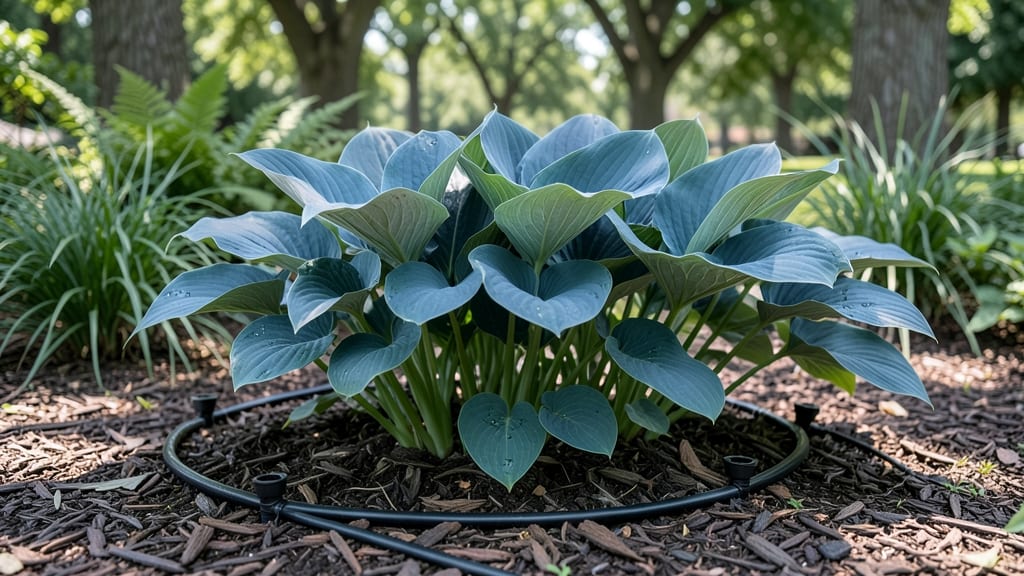
Creating a flower bed under tree that thrives isn’t about fighting nature—it’s about working with its shadows. I’ve transformed bare patches under my oak into lush, layered gardens that bloom from spring through fall, proving shade doesn’t mean sacrifice.
The key? Choosing plants that love dappled light and preparing the soil to outsmart root competition.
Start with the right plants—hostas, ferns, and astilbes handle shade like champions, while hellebores and bleeding hearts add early-season drama. Underneath, mulch 3-4 inches thick to smother weeds and retain moisture, while side-dressing with compost every spring feeds roots struggling to compete with the tree’s thirst.
Spacing matters too: give shade lovers 18-24 inches between plants to let them breathe.
What you’ll end up with is a year-round tapestry of texture and color—velvety hosta leaves in summer, delicate hellebore blooms in winter, and fiery astilbe plumes when the tree’s canopy thins.
The best part? Less maintenance than sun-drenched beds, since shade keeps soil cooler and weeds at bay. Ready to turn that dark corner into a showstopper?
This approach works for any mature tree, whether it’s a towering oak or a modest maple. The same principles apply to urban spaces with limited light or rural gardens where trees naturally create microclimates. Let’s get your under-tree garden growing!
📚 In This Guide
- What you need
- Instructions
- Tips and common mistakes
- Wrapping up and next steps
What you need
- ● Soil amendments: 2–3 bags of compost (2–3 cubic feet) and 1 bag of peat moss or coconut coir (for moisture retention).
- ● Mulch: 2–3 bags of organic mulch (e.g., shredded bark or pine straw).
- ● Plants: A mix of shade-tolerant perennials (e.g., hostas, ferns, heucheras) and sun-loving annuals (e.g., impatiens, begonias). Aim for 10–15 plants (adjust based on bed size).
- ● Edging: 10–20 feet of landscape fabric or metal edging (to define the bed).
- ● Watering system: A soaker hose or drip irrigation (10–20 feet, depending on bed size).
- ● Hand tools: Garden trowel, pruning shears, and a hand fork (for aerating soil).
- ● Measuring tools: Tape measure and stakes (to mark plant spacing).
- ● Safety gear: Gloves and knee pads (for comfort).
- ● Prerequisites: Clear the area of debris (rocks, weeds, or old mulch).
- ● Ensure the tree’s root zone is protected (avoid digging too close).
- ● Slow-release fertilizer: 1–2 bags of balanced granular fertilizer (10-10-10 or similar).
- ● Decorative elements: Garden stones, stepping stones, or solar-powered lights for ambiance.
- ● Plant supports: Small stakes or cage supports for taller flowers.
How to design a thriving flower bed under a tree
Here’s how to turn a tricky shade challenge into a lush, year-round display with the right plant layers.
Assess Light and Soil Conditions
Start by mapping the light zones under your tree. The center will get the least light, while the outer edges may receive 4-6 hours of dappled sun daily. Use a moisture meter to check soil drainage—waterlogged roots are the biggest threat. I dig a small hole near the tree’s dripline, fill it with water, and wait to see how quickly it drains. If it takes longer than 30 minutes, you’ll need to amend the soil with 2-3 inches of compost to improve aeration.
Look for signs of root competition. If tree roots are shallow or spreading outward, you’ll need to create a physical barrier (like edging) to protect your flower bed’s perimeter. This prevents roots from stealing nutrients and water from your plants. Test the soil pH with a test kit—most shade-loving flowers prefer 5.5-6.5. If your soil is too acidic or alkaline, adjust it with lime or sulfur before planting.
Choose Plants for Layered Depth and Seasonal Interest
Divide your bed into three layers: tall perennials (3-4 feet), mid-height shrubs (1.5-3 feet), and ground covers (under 1 foot). For deep shade, I rely on hostas, ferns, and hellebores—they thrive where sunlight barely touches. In partial shade, astilbes, bleeding hearts, and Japanese anemones add vibrant color without demanding full sun.
Add seasonal variety with spring bulbs like daffodils or snowdrops for early blooms, summer bloomers such as impatiens or fuchsias, and fall interest from heucheras or ornamental grasses. Mulch with 3-4 inches of shredded bark to suppress weeds and retain moisture. Avoid thick mulch piles against tree trunks—this can trap moisture and invite rot.
Prepare the Planting Area with Care
Mark planting spots with wooden stakes to avoid disturbing the tree’s roots. Dig holes twice as wide as the root ball but only as deep—planting too deep suffocates roots. Amend the native soil with half compost and half peat moss for moisture retention. For containers, use well-draining potting mix to prevent soggy roots.
Water each hole deeply before planting to settle the soil. Gently remove plants from their containers, loosen tangled roots, and place them in the hole so the top of the root ball sits level with the surrounding soil. Backfill with amended soil, pressing lightly to eliminate air pockets. Water again to help roots settle into place.
Maintain Moisture and Protect New Growth
Water deeply 2-3 times per week for the first 4-6 weeks, keeping the soil evenly moist but not soggy. A drip irrigation system works best—it delivers water slowly at the roots without disturbing the soil surface. Avoid overhead watering, which can spread fungal diseases in dense shade.
Monitor for yellowing leaves, a sign of overwatering or poor drainage. If you see wilting despite moist soil, the roots may be struggling from competition. Apply a slow-release fertilizer in early spring to support growth without burning tender foliage. Mulch again in late fall to protect roots from winter temperature swings.
Tips & tricks for perfect flower beds under trees
Creating a vibrant flower bed under trees requires strategic planning—here’s how to avoid common pitfalls and maximize your results.
Layering Strategy: When designing your three layers (tall perennials, mid-height shrubs, and ground covers), place the tallest plants closest to the tree trunk to prevent them from being shaded out by their neighbors. This creates a natural gradient where each layer gets its ideal light exposure. I’ve found that spacing mid-height shrubs about 18-24 inches apart allows for air circulation while maintaining visual cohesion. This approach mimics how plants grow in natural woodland settings.
Soil Amendment Insight: The 30-minute drainage test mentioned in Step 1 is your best friend—if water pools after 30 minutes, your soil is too compacted. For heavy clay soils, consider adding perlite or coarse sand to the compost mix for better aeration. I’ve seen dramatic improvements in root health when amending with 50% compost, 30% peat moss, and 20% perlite—this blend retains moisture while preventing waterlogging.
Plant Selection Nuance: While hostas and hellebores are classic shade lovers, don’t overlook variegated foliage plants like Japanese painted ferns or coral bells for texture contrast. These add visual interest even when not in bloom. For partial shade areas, I often include columbines—they tolerate dappled light beautifully and attract pollinators. Always check the plant tags for their mature height to ensure proper layering.
Maintenance Shortcut: The 2-3 times per week watering schedule can be simplified with a soaker hose buried just below the soil surface. This delivers water directly to roots without wetting foliage, reducing fungal risks. I set mine on a timer for 15-20 minutes per session—just enough to keep the top 6 inches of soil consistently moist without oversaturating.
Pro Tips for Flower Bed Under Tree
- Creating a vibrant flower bed under trees requires strategic planning—here’s how to avoid common pitfalls and maximize your results.
- Layering Strategy: When designing your three layers (tall perennials, mid-height shrubs, and ground covers), place the tallest plants closest to the tree trunk to prevent them from being shaded out by their neighbors.
- Soil Amendment Insight: The 30-minute drainage test mentioned in Step 1 is your best friend—if water pools after 30 minutes, your soil is too compacted.
Frequently asked questions
Got questions about creating a stunning flower bed under tree? You’re not alone! Here are answers to the most common concerns—from sunlight struggles to plant choices—that’ll help you design with confidence.
What are the best flowers for low-light conditions under a tree?
Opt for shade-tolerant perennials like heuchera (coral bells), hostas, astilbes, or bleeding heart. For pops of color, try impatiens or begonias. Avoid sun-lovers like marigolds or petunias—they’ll wilt faster under dappled light. Pro tip: Mix textures (e.g., ferns + ornamental grasses) to add depth!
When is the best time to plant a flower bed under a tree?
Spring (after last frost) or early fall (6–8 weeks before your first frost) are ideal. Avoid planting in summer heat or winter cold, which stresses roots. If your tree’s roots are shallow, wait until after new leaves appear in spring to minimize competition. Pro tip: Mulch heavily (3–4 inches) to protect roots and retain moisture!
How do I prevent weeds from taking over my under-tree flower bed?
Weeds thrive in the dappled light and mulch. Use living mulch (like creeping thyme or ajuga) to outcompete them, or layer cardboard + wood chips (2–3 inches thick) to smother weeds. Reapply mulch annually. Pro tip: Hand-pull weeds in spring before they seed—it’s easier than battling them later!
Can I use ground cover instead of flowers under a tree?
Ground covers like sweet woodruff, foamflower, or wild ginger add lush greenery with minimal upkeep. They suppress weeds, retain soil moisture, and pair well with accent plants like ferns or shade-loving annuals. Pro tip: Choose varieties with different heights (e.g., creeping ajuga + upright heuchera) for dimension!
My tree’s roots are damaging my plants—what can I do?
If roots are surfacing or circling aggressively, avoid digging near the trunk (stick to the drip line, 3–6 feet out). Prune invasive roots with a saw or hire an arborist. For severe cases, install root barriers (buried vertically) to redirect growth. Pro tip: Test soil moisture—overwatering can encourage root spread!
Still stumped? Drop your specific challenge in the comments—we’re happy to help troubleshoot!
Wrapping up and next steps
Creating a flower bed under a tree is a rewarding way to transform a tricky space into a thriving, year-round garden oasis! 🌿 With the right plant selection, soil prep, and layered lighting, you’ll enjoy beauty in every season—from delicate spring blooms to vibrant fall foliage.
The key is patience and planning, but the payoff is worth every shovel-full of effort.
Ready to get started? Sketch your design first, then gather supplies and begin with the shade-tolerant plants that will anchor your vision. Happy gardening—your future garden will thank you! 🌸