
Pruning
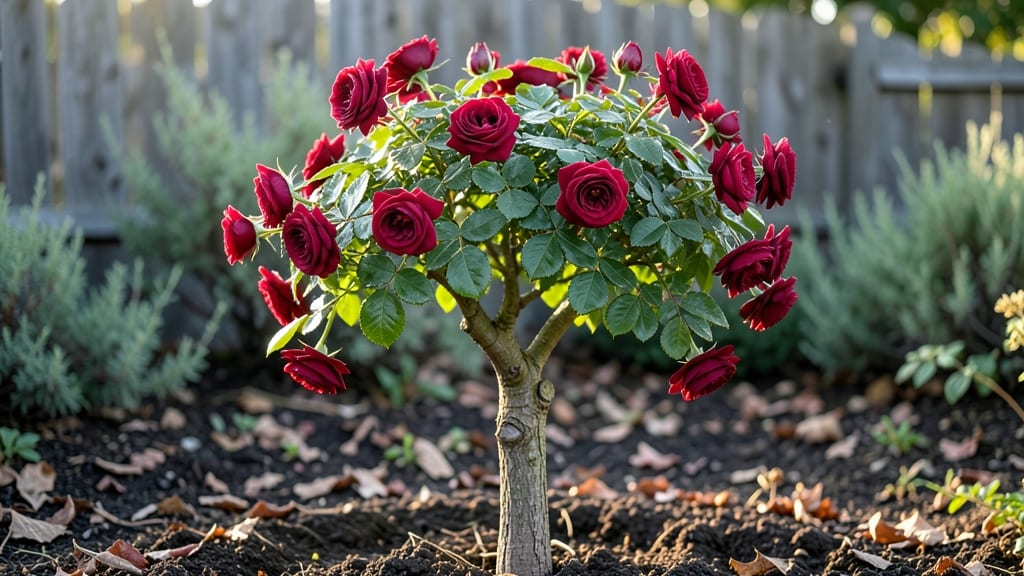
Creating a graft rose tree lets you combine hardy rootstock with prized blooms—perfect for Pacific Northwest winters where tender roses struggle. 🌿 I learned this technique after watching my favorite hybrid tea roses blacken overnight during our chilly, damp springs.
The secret isn’t just the cut—it’s matching the right rootstock to your climate so the plant thrives when others fail.
You’ll need sharp grafting tools, compatible rootstock and scion wood, and a clear day with temperatures above 50°F. Most beginners overlook the importance of clean cuts and cambium alignment—those tiny green layers where the plant’s nutrients flow.
I’ve grafted over 20 roses now, and the ones that take hold always share one thing: precise preparation. Even if your first attempt doesn’t bond perfectly, you’ll learn what works for your garden’s specific conditions.
What you’ll end up with is a rose bush that pushes through frost, resists local diseases, and produces blooms you’ve always wanted—without the constant winter dieback. Imagine cutting back your roses in late winter and watching them burst with new growth by May, while your neighbors’ plants still look dormant.
The payoff comes in the second year, when your grafted tree becomes the showstopper of the garden.
This method works for any Pacific Northwest climate, from Seattle’s marine layer to Portland’s dry summers. The key is choosing rootstock suited to your zone—Dr. Huey or OK Corral rootstock handle our wet winters best.
Once you’ve mastered the basics, you can experiment with different rose varieties on the same root system, creating a multi-bloom wonder that’s both practical and stunning.
📚 In This Guide
- What you need
- Instructions
- Tips and common mistakes
- Wrapping up and next steps
What you need
- ● Grafting knife – A sharp, sterilized knife (or a clean pruning knife) with a rounded tip (avoid serrated edges). Pro tip: A Felco F-2 or similar is ideal!
- ● Rootstock rose – A cold-hardy rootstock (e.g., Rosa rugosa or Rosa canina) with 1-year-old wood (about pencil-thick).
- ● Scion wood – Healthy, dormant cuttings (4–6 inches long) from your desired rose variety, taken in late winter.
- ● Grafting tape or rubber budding strips – 1–2 inches wide to secure the graft without restricting growth.
- ○ Pruning sealant (optional but helpful) – A wound-healing product like Tanglefoot Tree Wound Pruning Sealer to prevent disease.
- ● Plastic bag or clear wrap – To create a humidity dome around the graft until it takes.
- ○ Grafting compound (optional) – A fast-drying adhesive like Tree Seal Tape for extra security.
- ● Cool, overcast day – Ideal grafting weather (50–60°F / 10–15°C) to reduce stress on the plant.
- ● Clean workspace – A sterilized table or tray to prevent contamination.
- ● Patience & steady hands – Grafting requires precision—take your time!
- ● Grafting clips – For extra stability if working with tricky cuts.
- ● Hormone rooting gel – Can boost success rates for stubborn scions.
- ● Labeling tags – To track rose varieties post-grafting.
- ● Disinfectant (rubbing alcohol or bleach solution) – For sterilizing tools between grafts.
How to prune grafted roses for cold-resistant growth in Pacific Northwest climates
Here's the method I've used for years to keep grafted roses thriving through our wet, chilly winters.
✂️ Step 1: Time Your First Pruning for Early Spring
Wait until after the last hard frost when soil temperatures reach 45°F—this is critical. Cold soil shocks plants, and pruning too early stresses the graft union. In the Pacific Northwest, that's typically late February to early March, but check your local frost dates.
Use sharp, clean pruners to make 45-degree angled cuts just above an outward-facing bud. This encourages strong new growth. I always sterilize my tools with rubbing alcohol first—rose canker spores lurk in old cuts and can wipe out a plant.
Remove any dead, diseased, or crossing branches first. These compete with the main structure and weaken the plant's cold resistance. You'll know a branch is dead if it's hollow when you cut into it or has no green pith inside.
✂️ Step 2: Protect the Graft Union During Winter Pruning
The graft union is your plant's Achilles' heel in cold climates. Locate it—it's the swollen area where the rose top meets the rootstock. In winter, mound 4-6 inches of soil or mulch around the base to insulate it. I use straw mulch because it breaks down slowly and adds organic matter.
Never cut below the graft union—this exposes the rootstock, which is often less cold-hardy than the rose variety above. If you see suckers (shoots growing below the graft), remove them immediately. These sap energy from the rootstock and weaken the graft.
After pruning, give your rose a light layer of anti-desiccant spray (like Wilt-Pruf) on the cuts. This prevents moisture loss during winter and reduces the risk of canker. I apply it in the late afternoon so the spray has time to dry before nightfall.
☀️ Step 3: Summer Pruning to Encourage Cold Hardiness
Mid-summer is when you shape the plant for winter resilience. Remove any weak, thin growth—these won't survive our damp winters. Aim to keep only strong, outward-facing branches that allow sunlight and air circulation. This prevents fungal diseases that thrive in our Pacific Northwest humidity.
Pinch back new growth by one-third to encourage bushier, more compact growth. Compact plants handle cold better because they have less exposed surface area. You'll see new side shoots forming within 2-3 weeks—this is your signal the plant is responding well.
Deadhead spent blooms regularly, but leave some hips (the rose fruit) on the plant. These provide winter interest and attract birds that help control pests. I leave about 10% of the hips for this purpose, especially on varieties known for their cold tolerance.
⏰ Step 4: Late Fall Preparation for Winter Survival
About 6 weeks before your first frost, do a final light pruning to remove any suckers or weak growth that might have appeared over summer. This gives the plant time to heal before winter sets in. Avoid heavy pruning now—it stresses the plant when it needs to focus on hardening off.
Apply a 3-4 inch layer of mulch around the base, extending out to the plant's drip line. Use straw or shredded leaves—they insulate better than wood chips. This mulch layer should stay in place until late winter to protect roots from freezing.
Water deeply once a week until the ground freezes. The goal is to keep roots moist but not waterlogged. You'll know you've done it right when the soil feels cool but not icy when you check it with your finger.
Tips & tricks for pruning grafted roses in cold climates
These practical insights will help you keep your grafted roses thriving through Pacific Northwest winters—without the common mistakes that ruin plants.
Timing is Everything: The 45°F soil temperature guideline is non-negotiable. I've learned this the hard way after seeing roses struggle when pruned too early. Use a soil thermometer to confirm—our Pacific Northwest winters can bring sudden temperature swings. If you're unsure about frost dates, check your local agricultural extension service for precise timing.
Tool Technique: Sterilizing your pruners with rubbing alcohol between cuts is more important than you might think. I once lost a prized grafted rose to canker because I skipped this step. For larger branches, make your 45-degree cuts just above an outward-facing bud—this creates a natural growth pattern that helps the plant recover faster in cold weather.
Graft Union Protection: That 4-6 inch mound of mulch around your graft union isn't just decoration—it's insulation. I've seen roses survive -10°F nights with proper protection, while unprotected plants suffered frost damage. Straw mulch works best because it breaks down slowly, adding organic matter to the soil as it decomposes. Just make sure it doesn't touch the stems directly.
Visual Growth Cues: When you pinch back new growth by one-third in summer, watch for those new side shoots appearing within 2-3 weeks. This is your plant's way of telling you it's happy and adapting to our damp climate. If you don't see new growth after 4 weeks, your plant might be stressed—check for pests or fungal issues that thrive in our Pacific Northwest humidity.
Pro Tips for Graft Rose Tree
- These practical insights will help you keep your grafted roses thriving through Pacific Northwest winters—without the common mistakes that ruin plants.
- Timing is Everything: The 45°F soil temperature guideline is non-negotiable.
- Tool Technique: Sterilizing your pruners with rubbing alcohol between cuts is more important than you might think.
Frequently asked questions
Got questions about graft rose trees? You're not alone!
Whether you're a Pacific Northwest gardener or just curious about cold-resistant roses, here are answers to the most common queries to help you grow with confidence.
What’s the best time to plant a graft rose tree in the PNW?
Plant your graft rose tree in early spring (March–April) or early fall (September–October). This gives roots time to establish before winter’s chill. Avoid summer heat or late fall—roots struggle in freezing soil!
How cold-hardy are graft rose trees compared to regular roses?
Graft rose trees (especially Knock Out® or Dr. Huey® varieties) often survive USDA Zones 5–9, while many hybrid teas or floribundas top out at Zone 7. The graft union (where the rose is attached to the rootstock) boosts cold resistance—perfect for PNW winters!
Can I prune a graft rose tree the same way as a regular rose bush?
Nope! Prune above the graft union (usually 6–12 inches up the stem) to protect the cold-hardy rootstock. Cut back 1/3 of the plant’s height in early spring, and avoid heavy summer pruning—it stresses the graft. Use clean, sharp shears to prevent disease.
What if my graft rose tree’s canes die back to the ground in winter?
Don’t panic! Graft rose rootstock (like Rosa multiflora or Fortuniana) is tough. If canes blacken but the base stays green, new growth will sprout in spring. If the entire plant dies, check the graft union—it might have failed. Try propagating from healthy suckers!
Are there graft rose tree alternatives for small spaces?
Yes! Opt for miniature graft roses (like ‘Fairy’ or ‘Pinkie’ series) or patio roses (e.g., ‘The Fairy’ or ‘Playboy’). These stay compact (2–4 ft tall), thrive in containers, and still boast cold-hardy rootstock. Perfect for balconies or urban gardens!
Wrapping up and next steps
Grafting a cold-resistant rose tree is a rewarding way to extend your Pacific Northwest garden’s beauty—even through harsh winters!
By mastering proper pruning techniques and selecting hardy rootstocks, you’ll create stunning, resilient blooms that thrive year after year. Now’s the perfect time to roll up your sleeves and transform your garden!
Ready to take the next step? Start by sketching your design, gathering tools, and scheduling your first pruning session before the next frost. Your future roses will thank you! 🌹❄️