
Pruning
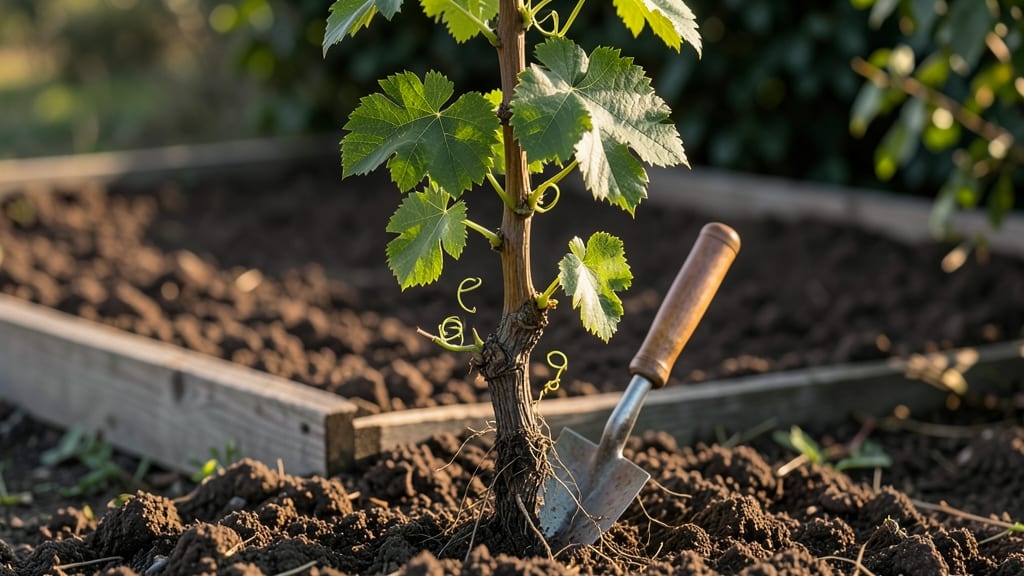
Planting grape trees in the Pacific Northwest means you can harvest sweet fruit year after year—if you nail the site and soil first.
I’ve planted grapes in both vine and tree forms, and the difference between a thriving orchard and a struggling vine often comes down to one simple rule: well-draining soil with full sun, even in rainy climates. The key?
Raising beds slightly or amending heavy clay with compost before the first roots go in.
You’ll need young bare-root plants in early spring, a sunny spot with at least 6 hours of direct light, and enough space—tree varieties need 12-15 feet between plants, while vines can sprawl 8-10 feet apart.
The initial planting takes less than an hour, but the real work is in the first year’s watering and pruning to establish strong roots. I’ve seen beginners give up after the first frost, but with consistent care, your grapes will reward you for years.
By summer’s end, you’ll have lush canes with buds forming for next year’s crop. The Pacific Northwest’s mild winters mean you can plant both cold-hardy varieties like Champagne and Concord, or experiment with European grapes that need winter protection.
The payoff? Homegrown fruit that tastes nothing like store-bought, with minimal effort after the first season.
This method works for both backyard orchards and small homesteads—just adjust spacing for your space. Whether you’re growing for fresh eating, jams, or wine, the foundation starts with the right hole, the right soil, and a little patience. Let’s get those roots in the ground.
📚 In This Guide
- What you need
- Instructions
- Tips and common mistakes
- Wrapping up and next steps
What you need
- ● Grapevine plants: 1-3 dormant bare-root or potted grapevines (choose cold-hardy varieties like Concord, Chardonnay, or Pinot Noir for PNW resilience).
- ● Well-draining soil: 2-3 cubic yards of a mix of topsoil, compost, and sand (PNW’s clay-heavy soil benefits from amendments!).
- ● Fertilizer: 5-10 lbs of balanced fertilizer (10-10-10) or organic compost (like alfalfa meal or worm castings).
- ● Mulch: 2-3 inches of wood chips or straw to retain moisture and regulate soil temperature.
- ● Shovel or spade: For digging holes (18-24 inches wide and deep).
- ● Pruning shears: Sharp, clean pair for trimming roots or canes.
- ● Garden hose or watering can: With a drip irrigation attachment (PNW’s rainy winters + dry summers = consistent moisture is key!).
- ○ T-posts or stakes (optional but recommended): 2-4 stakes + twine or zip ties for support as the vine grows.
- ○ Soil pH test kit (optional): To check soil acidity (grapevines thrive in pH 6.0-7.0; PNW soils often lean acidic).
- ● Sunlight: A full-sun location (6+ hours/day)—PNW’s overcast days can trick vines into weak growth!
- ● Drainage check: Avoid low spots where water pools (grape roots hate soggy soil).
- ● Frost protection (if planting in early spring): Have burlap or frost cloth ready for young vines.
- ● Local nursery visit: Ask about PNW-specific pests (like grape leafhopper) and disease-resistant varieties.
Step-by-Step instructions for planting grape trees in the Pacific Northwest
Here's my foolproof method for establishing healthy grape vines that thrive through our region's unique climate.
Choose the Right Variety and Planting Site
Pacific Northwest growers should select cold-hardy varieties like 'Concord,' 'Thompson Seedless,' or 'Flame Seedless'—these handle our winters best. The site needs full sun (at least 6 hours daily) and protection from strong winds, which can damage young vines. I always check the microclimate: a south-facing slope warms up faster in spring, giving vines a head start.
Test the soil pH—grapes prefer 6.0 to 6.5. If your soil runs acidic (common in PNW), mix in 2 pounds of agricultural lime per 100 square feet and work it into the top 12 inches before planting. Amend heavy clay soils with 3 cubic feet of compost per planting hole to improve drainage, which grapes absolutely hate sitting in.
Prepare the Planting Hole and Soil
Dig a hole twice as wide as the vine's root ball but only as deep—planting too deep suffocates roots. Loosen the sides of the hole with a shovel to encourage root spread. For each of your 4 grape trees, I recommend spacing them 10 feet apart in rows 12 feet apart to allow for proper air circulation and future trellising.
Create a soil mound in the center of the hole by mixing the native soil with 1 cup of balanced 10-10-10 fertilizer and 1 gallon of compost. This gives roots immediate nutrients without burning them. Gently place the vine on top of the mound so the graft union (visible bulge near the base) sits 2-3 inches above soil level—this prevents rot in wet winters.
Plant and Water Thoroughly
Spread the roots outward over the mound, ensuring they're not twisted or bent. Fill the hole halfway with soil, then water deeply to settle it. Once settled, add more soil until the root ball is covered, leaving the graft union exposed. Press firmly around the base to eliminate air pockets but avoid compacting the soil.
Water immediately after planting with 1 gallon per vine to encourage root contact with moist soil. Mulch around the base with 3 inches of wood chips, keeping it 6 inches away from the trunk to prevent rot. This mulch layer helps retain moisture and regulate soil temperature—critical in our rainy winters and hot summers.
Install Support Structures and Prune
Install a 4-foot tall stake beside each vine and secure it with soft garden ties. For trellising, use 2 horizontal wires at heights of 3 feet and 5 feet, spaced 10 feet apart between posts. This gives vines room to grow upward while keeping fruit accessible. I always prune new vines immediately after planting, cutting back all but 2-3 strong canes to encourage a sturdy framework.
Remove any suckers (shoots growing below the graft union) and leaves that shade the fruit clusters. This might seem harsh, but it redirects the vine's energy into establishing roots and developing next year's crop. Water deeply again once a week for the first month, then taper to every 10-14 days once established, adjusting for our region's variable rainfall.
Tips & tricks for perfect grape tree planting in the Pacific Northwest
Planting grape trees in our region can be tricky—here's how to avoid common pitfalls and set your vines up for long-term success.
Site Selection Matters: That south-facing slope I mentioned in Step 1 isn't just a suggestion—it's critical. In our climate, vines need that extra warmth to break dormancy in spring. If you can't find a slope, plant near a south-facing wall or fence that reflects heat. Also, watch for frost pockets where cold air settles—these can kill young vines even after they've broken dormancy.
Soil Preparation is Non-Negotiable: The 2 pounds of agricultural lime and 3 cubic feet of compost per planting hole in Step 1 aren't just numbers—they're insurance against our acidic soils. I've seen vines struggle for years because someone skipped this step. For even better results, mix in a handful of mycorrhizal fungi powder with your compost. This beneficial soil organism helps roots absorb water and nutrients more efficiently, especially important during our dry summers.
Watering Strategy for PNW Conditions: The 1 gallon per vine immediately after planting is just the beginning. In our rainy winters, you might think you don't need to water, but consistent moisture is key for root establishment. I recommend installing a drip irrigation system on a timer for the first year—set it for 15 minutes every 3 days during winter and every other day in summer. This prevents both drought stress and waterlogging, which our heavy soils are prone to.
Pruning for Pacific Northwest Winters: When you prune back to just 2-3 strong canes in Step 4, make sure those canes are at least pencil-thick. Thinner canes won't survive our winters. Also, paint the pruning cuts with tree wound sealant if you're in areas with heavy winter rains—this prevents silver leaf disease, which thrives in our damp climate. I've lost vines to this before, and it's completely preventable.
Pro Tips for Grape Tree Planting
- Planting grape trees in our region can be tricky—here's how to avoid common pitfalls and set your vines up for long-term success.
- Site Selection Matters: That south-facing slope I mentioned in Step 1 isn't just a suggestion—it's critical.
- Soil Preparation is Non-Negotiable: The 2 pounds of agricultural lime and 3 cubic feet of compost per planting hole in Step 1 aren't just numbers—they're insurance against our acidic soils.
Frequently asked questions
Got questions about planting grape trees in the Pacific Northwest? You’re not alone! Here are some of the most common concerns—and their answers—to help you grow thriving vines year-round.
What’s the best time of year to plant grape trees in the PNW?
The ideal window is late winter to early spring (February–April), when the soil is workable but still cool. This gives roots time to establish before summer heat. Fall planting (September–October) is also possible if you’re in a milder microclimate—just water deeply before frost sets in!
Do grape trees need full sun, or can they grow in partial shade?
Grapevines thrive in full sun (6+ hours/day), but in the PNW’s cooler climates, they can tolerate partial shade (4–6 hours)—especially if you’re growing them for ornamental purposes. For fruit production, prioritize sun exposure. Watch for reduced yields or smaller berries if shade is heavy.
How do I protect my grape tree from PNW’s wet winters?
Excess moisture can cause root rot or fungal diseases. Plant on a slightly elevated mound (6–12 inches) to improve drainage, and mulch with wood chips or straw (keep 2–3 inches away from the trunk). Avoid overhead watering, and ensure your site has good airflow to prevent mildew.
Can I grow table grapes or wine grapes in the PNW, and what’s the difference?
Yes! Table grapes (like Thompson Seedless) are bred for sweetness and ease of eating, while wine grapes (e.g., Cabernet Sauvignon, Merlot) have thicker skins and higher acidity. The PNW’s climate suits both—just choose a variety suited to your USDA zone (e.g., Concord or Chambourcin for cooler areas).
Why are my grape leaves turning yellow, and how do I fix it?
Yellowing leaves often signal nutrient deficiency (iron or nitrogen), overwatering, or fungal issues (like powdery mildew). Test your soil and amend with compost or a balanced fertilizer. Prune for airflow, and apply copper fungicide if mildew appears. Avoid watering leaves to prevent spread.
Still stumped? Drop your question in the comments—we’re happy to help you troubleshoot!
Wrapping up and next steps
Planting a grape tree in the Pacific Northwest can be a rewarding journey—whether you’re dreaming of lush vines or homemade wine! 🍇 With the right site selection, soil prep, and seasonal care, your grape tree will thrive year-round.
Remember, patience and consistency are key, but the sweet rewards (literally!) make it all worthwhile.
Ready to take the next step? Start small:
- Research your grape variety to match your climate.
- Gather your tools and soil amendments.
- Mark your planting spot and dig in!