Pruning
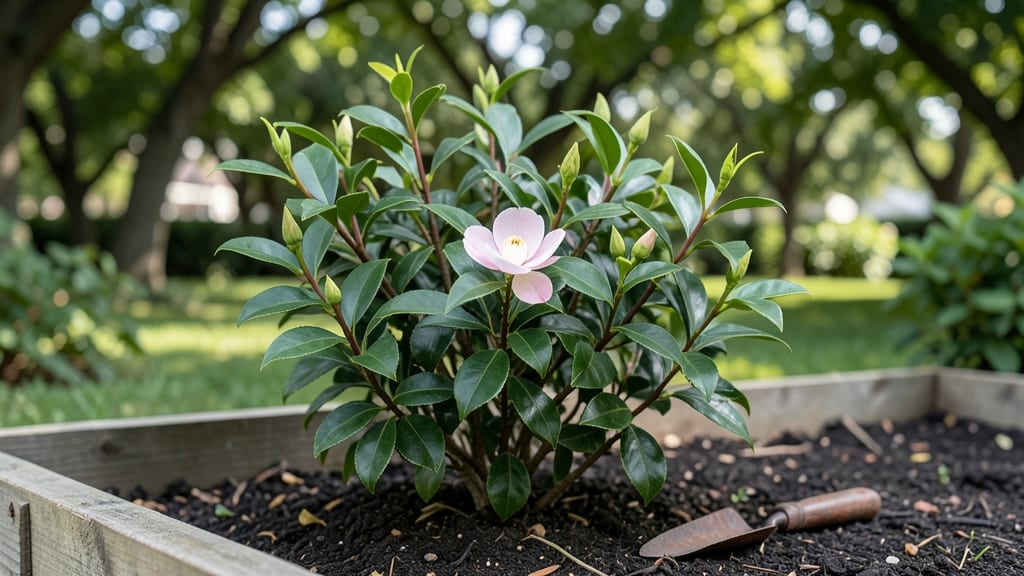
Pruning your green tea tree with just three simple cuts keeps it lush and productive year-round—no fancy tools or horticultural degree required. 🌿 The key is timing: a light trim in early spring, a mid-summer shape-up, and a final cleanup before winter.
My first tea tree looked like a sad shrub until I learned this routine, and now it’s the envy of the neighborhood with glossy leaves and steady growth.
You’ll need sharp pruning shears, a pair of gloves, and about 15 minutes of your time. The goal isn’t to sculpt a topiary but to encourage bushier growth and better air circulation.
Start by removing any dead or crossing branches—those are easy wins. Then focus on cutting back overgrown stems by about a third to keep the tree compact and energized for new growth.
What you’ll end up with is a vibrant, healthy plant that produces more leaves for harvesting (if you’re growing for tea) and stays resistant to pests. The leaves stay glossy and dark, and the tree fills out beautifully.
Plus, you’ll avoid the common mistake of over-pruning, which can stress the plant and reduce your harvest.
This method works for both outdoor tea trees in temperate zones and container-grown plants on patios. The same principles apply whether you’re shaping a small shrub or a larger specimen—just adjust the scale. Ready to give it a try? Let’s get those shears out!
📚 In This Guide
- What you need
- Instructions
- Tips and common mistakes
- Wrapping up and next steps
What you need
- ● Pruning shears: Bypass pruners (sharp, clean, and sterilized to prevent disease). Specs: 6-8" blades, ergonomic grip, and stainless steel.
- ● Loppers: For thicker branches (½"–1½" diameter). Specs: 18-24" long, bypass or anvil type (bypass preferred).
- ○ Hand pruners (optional but helpful): For delicate trimming (smaller branches or shaping). Specs: 5-6" blades, comfortable grip.
- ● Disinfectant: 70% isopropyl alcohol or a pruning sealant (e.g., Tanglefoot or pruning wax) to sterilize tools between cuts.
- ● Gloves: Heavy-duty gardening gloves (cut-resistant, like mechanics' gloves) to protect hands from thorns and sap.
- ● Ladder or step stool: If your tree is taller than 6 feet. Specs: Stable, non-slip, and rated for your weight.
- ● Trash bags or bucket: For collecting pruned branches and debris (1-2 large bags or a 5-gallon bucket).
- ○ Sharpie or marker: To label branches if you’re training or grafting (optional but handy!).
- ● Extension pole pruners: For high branches without a ladder (reach up to 8-10 feet).
- ● Safety glasses: Protects eyes from debris, especially when using loppers.
- ● Hose or spray bottle: To rinse tools and branches post-pruning (keeps sap off surfaces).
- ● Pruning saw: For very thick branches (>1½" diameter). Specs: Curved blade, fine teeth for clean cuts.
- ● Plant food or compost: To nourish the tree after pruning (e.g., balanced fertilizer or organic compost).
How to prune a green tea tree for year-round growth
Three strategic cuts keep this fragrant shrub lush and healthy all season long.
✂️ Step 1: Trim Dead or Diseased Branches First
Start by removing any branches that look brown, mushy, or covered in spots. These are dead or infected and won't recover. Use clean, sharp pruning shears to make cuts at a 45-degree angle, about ¼ inch above a leaf node or outward-facing bud. This prevents water from pooling and causing rot.
I always do this step first—it's like giving your plant a fresh start. You'll know you've got the right branches when they snap easily instead of bending. If a branch feels soft or hollow, it's definitely time to cut it back. Don't worry about how much you remove; the plant will thank you with new, vibrant growth.
✂️ Step 2: Shape the Shrub for Airflow and Light
Next, focus on thinning out the center of the plant to improve airflow and sunlight penetration. Look for branches that cross or rub against each other—these create wounds where pests and diseases can enter. Remove about ⅓ of the oldest branches to encourage younger, more vigorous growth.
Here's the thing—green tea trees respond well to shaping, but don't go overboard. You want to maintain a natural, open form rather than a tight, dense ball. Step back every few cuts to visualize the plant's silhouette. If you see too many bare spots, you've pruned too much; aim for a balanced, full look with leaves evenly distributed.
✂️ Step 3: Lightly Prune for Bushier Growth
For a fuller, bushier plant, trim the tips of the remaining branches by about ⅓ of their length. This encourages the plant to branch out rather than grow tall and leggy. Focus on the outer edges and any branches that are growing too long or out of place. You'll see new shoots forming at the leaf nodes where you made your cuts.
This is the moment that matters: timing. The best time to do this final pruning is in early spring or right after flowering, when the plant is entering its active growth phase. Avoid heavy pruning in late summer or fall, as it can stimulate tender new growth that won't harden off before winter. If you must prune later in the season, just do a light tidying-up cut to remove any unsightly branches.
Tips & tricks for perfect green tea tree pruning
A few simple tricks will help you maintain your green tea tree's health and beauty with minimal effort.
Tool Prep: Always sterilize your pruning shears with rubbing alcohol before you start—this prevents spreading disease from branch to branch. I learned this the hard way after seeing new infections appear weeks after pruning. For larger branches, use a pruning saw with a clean, sharp blade to avoid tearing the bark, which can invite pests.
Visual Cues for Step 1: In Step 1, when removing dead branches, look for these telltale signs: brown or blackened stems, branches that snap instead of bend, and any growth that feels mushy or hollow inside. Healthy branches should bend slightly before snapping, and the inside should look green and firm. If you're unsure, make a small cut to check—this is better than leaving diseased wood.
Seasonal Timing: The early spring timing mentioned in Step 3 is crucial—this is when your green tea tree naturally enters its growth phase. If you must prune in late summer or fall, limit yourself to removing only dead or damaged branches. Heavy pruning too late in the season can stimulate tender new growth that won't survive winter's chill, leaving your plant vulnerable to frost damage.
Pro Tips for Green Tea Tree
- A few simple tricks will help you maintain your green tea tree's health and beauty with minimal effort.
- Tool Prep: Always sterilize your pruning shears with rubbing alcohol before you start—this prevents spreading disease...
- Visual Cues for Step 1: In Step 1, when removing dead branches, look for these telltale signs: brown or blackened ste...
Frequently asked questions
Got questions about keeping your green tea tree (Camellia sinensis) healthy with minimal pruning? You’re not alone! Here are answers to the most common queries to help you maintain that lush, productive tree year-round.
When is the best time to prune my green tea tree?
The ideal time to prune is late winter or early spring (just before new growth starts). This encourages vigorous, healthy foliage for the growing season. Avoid heavy pruning in fall—it can stimulate tender new growth that won’t survive winter. Light shaping in summer is fine, but keep it minimal to avoid stressing the tree.
How do I know if I’m pruning too much?
If you see bare branches, yellowing leaves, or stunted growth after pruning, you’ve likely removed too much. A good rule of thumb: Never trim more than 25% of the tree’s foliage in one session. Green tea trees are sensitive—think of pruning as a light trim, not a haircut!
Can I propagate new green tea trees from my pruned cuttings?
Softwood cuttings
(4–6 inches long, taken in spring/summer) root well in moist perlite or a sand-peat mix. Use a rooting hormone for better success. Keep them in a humid, warm environment (70–75°F) until roots form (4–8 weeks). Just avoid hardwood cuttings—they’re trickier to root.
Why are my green tea tree leaves turning brown after pruning?
Brown leaves post-pruning usually mean over-trimming or stress. If it’s localized, it’s likely from a cut too close to the trunk (leave a ¼-inch stub). For widespread browning, check for pests (like spider mites) or fungal issues (e.g., anthracnose). Prune in the morning to reduce stress and water lightly afterward.
Will pruning affect my green tea tree’s tea yield?
Not if done right! Pruning promotes bushier growth, which actually increases leaf production over time. Just avoid shearing (cutting too close to the stem)—this removes next year’s harvest. Focus on open-center pruning to maximize airflow and leaf quality. Patience pays off: yield stabilizes after 2–3 years of proper care!
Wrapping up and next steps
Pruning your green tea tree doesn’t have to be intimidating—just three simple cuts a year can keep it thriving! By mastering the art of light shaping, rejuvenation, and seasonal maintenance, you’ll encourage lush growth, better airflow, and a healthier plant.
Whether you’re a pruning pro or a curious beginner, these techniques make year-round care effortless.
Ready to give your green tea tree the TLC it deserves? Grab your tools and schedule that first trim—your tree (and your future tea harvest!) will thank you. 🌿✂️